Where Is Manu National Park Located? A Guide to Peru’s Amazon
Where is Manu Park is located in southeastern Peru, across the regions of Cusco and Madre de Dios, where the eastern Andes meet the Amazon Basin. It is one of Peru’s most important protected natural areas, famous for its extraordinary biodiversity, pristine rainforests, cloud forests, rivers, and diverse wildlife. bird watching.
Covering approximately 1,716,295 hectares (4.24 million acres), Manu National Park extends from high Andean landscapes to tropical Amazonian forests. This remarkable variation in altitude creates a wide range of habitats for wildlife and plants. The park was established on May 29, 1973, and was recognized as a UNESCO World Heritage Site in 1987.
For travelers visiting Peru, Manu offers a unique opportunity to explore one of the world’s most remarkable natural environments. The journey typically begins in Cusco and continues through the Andes and cloud forest toward the Amazon lowlands. wildlife watching.

Where Exactly Is Manu National Park in Peru?
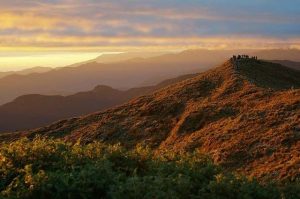
Manu National Park lies on the eastern slopes of the Andes in southeastern Peru. Its territory extends across the departments of Cusco and Madre de Dios, encompassing mountain landscapes, cloud forests, and extensive tropical rainforest.
The park’s location is particularly special because it connects two major geographical regions: the Tropical Andes and the Amazon Basin. As the elevation decreases, the climate, vegetation, and wildlife change dramatically.
Key geographic facts about Manu National Park include:
- Country: Peru
- Regions: Cusco and Madre de Dios
- Geographic location: Southeastern Peru, along the eastern Andes and western Amazon Basin
- Protected area: Approximately 1,716,295 hectares
- Established: May 29, 1973
- UNESCO recognition: World Heritage Site since 1987
The park’s extraordinary elevation gradient supports habitats ranging from high-altitude grasslands to humid tropical rainforest. This is one of the main reasons Manu is internationally recognized for its biological diversity.
Where Is Manu National Park on the Map?
Manu National Park is situated northeast of the city of Cusco, extending toward the Amazon lowlands of Madre de Dios.
The city of Cusco is an important starting point for many visitors. From there, travel routes pass through the Andean countryside, the historic area of Paucartambo, and the cloud forest before reaching Amazonian communities and river access points. Peru Amazon.
The exact route depends on which part of Manu you plan to visit. Some itineraries focus on the Andean highlands and cloud forest, while longer expeditions continue by road and motorized boat into the rainforest.
Tip for travelers: When looking at a map, distinguish Manu National Park from the wider Manu Biosphere Reserve. The biosphere reserve includes a much larger area surrounding the national park.
How High Is Wildlife Peruvian Amazon Manu Park?
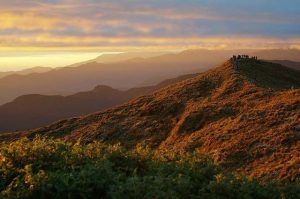
One of the most remarkable features of Manu National Park is its dramatic change in elevation.
The park extends from high Andean grasslands at elevations above 4,000 meters (13,123 feet) to tropical rainforest near 300 meters (984 feet) above sea level.
This transition creates several ecosystems within one protected area:
High Andes: Mountain landscapes, grasslands, and cooler temperatures.
Cloud forest: Mist-covered slopes, orchids, mosses, and lush vegetation.
Premontane forest: A transition zone rich in plant and animal life.
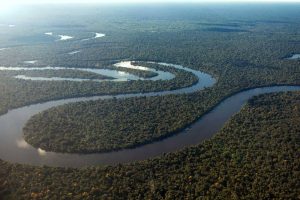
Lowland Amazon rainforest: Warm, humid forest with rivers, oxbow lakes, and abundant wildlife.
Traveling through these different environments is one of the highlights of a Manu expedition. Within a relatively short geographical distance, the scenery changes from high mountain landscapes to dense tropical jungle. Tour amacaw clay lick
Why Is Amazon Rainforest Manu Park So Important?
Manu National Park is internationally renowned for its biodiversity. Its diverse habitats support an impressive variety of birds, mammals, reptiles, amphibians, insects, and plants.
Depending on the location and conditions, visitors may have opportunities to observe:
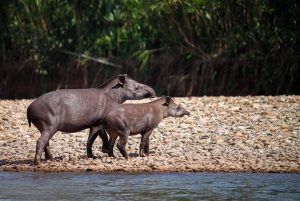
- Jaguars and other wild mammals.
- Giant river otters in suitable oxbow lakes.
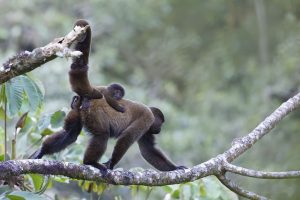
- Monkeys moving through the forest canopy.
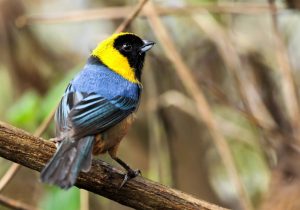
- Colorful macaws, toucans, and other tropical birds.
- The Andean cock-of-the-rock in cloud forest habitats.
- Spectacled bears in appropriate Andean forest environments.
amazon trips
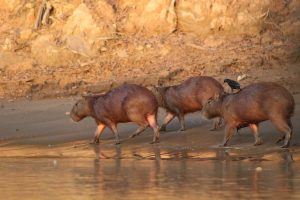
Wildlife sightings are never guaranteed, because animals live freely in their natural habitats. However, the park offers exceptional opportunities for wildlife observation, birdwatching, nature photography, and scientific research. Manu National Park
Manu is also culturally significant. Indigenous peoples have deep historical and cultural connections to the region, and some Indigenous peoples live in voluntary isolation. Visitors should respect all protected areas, community protocols, and restrictions designed to safeguard Indigenous peoples and wildlife.
To learn more about the park’s ecosystems and animals, read our related guide: Manu National Park: The Greatest Biodiversity on the Planet.
How Do You Get to Manu National Park from Cusco?
Most travelers begin their journey in Cusco, one of Peru’s principal tourism destinations. Reaching Manu involves a combination of road travel and, for some itineraries, river transportation.
The route and travel time depend on the sector you intend to visit.
1. From Cusco to Paucartambo
The journey begins by traveling from Cusco toward Paucartambo, a traditional Andean town surrounded by mountain landscapes. Along the way, travelers can experience the changing scenery of southeastern Peru.
2. From Paucartambo to the Cloud Forest
Continuing toward Acjanaco and the Tres Cruces area, the landscape transitions from high-altitude terrain into humid mountain forest. This region is particularly interesting for birdwatching and observing the transition between Andean and Amazonian ecosystems.
3. From the Cloud Forest to the Amazon Lowlands
As the road descends, the climate becomes warmer and more humid. Depending on the itinerary, travelers may continue toward Pilcopata and Atalaya, where river journeys can begin.
4. By Boat into the Rainforest
Longer expeditions continue along Amazonian rivers toward designated visitor areas within Manu. Travel times depend on river levels, weather, route, and the destination.
Reaching the deeper rainforest requires more planning than visiting the accessible Andean sector. Travelers should arrange the appropriate itinerary and confirm current access requirements before departure.
Important: SERNANP, Peru’s National Service of Natural Protected Areas, states that visits to Manu National Park must be arranged through authorized tour operators. Check the current official requirements when planning your trip.
If you want to explore the rainforest with an organized itinerary, discover our Manu National Park tours.
When Is the Best Time to Visit Amazon Manu ?
Manu can be visited during different periods of the year, but weather conditions influence road access, river transportation, hiking, and wildlife observation.
Dry Season: Generally May to October
The drier months are often preferred by travelers because road conditions may be more favorable and some outdoor activities can be easier to organize.
Possible advantages include:
More favorable conditions for some road journeys.
Opportunities for hiking and birdwatching.
Comfortable conditions for certain rainforest excursions.
However, rain is still possible in the Amazon, even during the drier months.
Rainy Season: Generally December to March
During the wetter months, rainfall can increase and river levels may change. Some journeys may take longer, and itineraries may need to be adjusted to local conditions.
The rainforest remains active throughout the year, and wildlife observation is possible in different seasons. Sightings depend on habitat, weather, and the behavior of individual animals.
For the most suitable travel dates, consult your tour operator about the specific area you plan to visit. SERNANP generally recommends April through November as a visiting period, while noting that the rainy season typically runs from December through March.
What Should You Bring When Visiting the Wildlife Amazon Manu?
Because Manu includes several climates and ecosystems, preparing the right equipment is important.
Consider packing:
- Lightweight, long-sleeved clothing.
- Comfortable walking shoes or hiking boots.
- A waterproof jacket or rain poncho.
- Insect repellent and sunscreen.
- A hat and reusable water bottle.
- Binoculars for birdwatching and wildlife observation.
- A camera and any necessary personal medication.
Bring clothing suitable for both cool Andean conditions and warm, humid rainforest environments if your itinerary crosses different elevations.
A Brief History of Manu National Park
Manu National Park was established on May 29, 1973, to protect the remarkable ecosystems of southeastern Peru. Its original protected area was later expanded, bringing its current official extent to approximately 1.716 million hectares.
In 1977, UNESCO recognized the wider Manu area as a Biosphere Reserve. In 1987, Manu National Park received World Heritage status in recognition of its outstanding natural value.
Today, Manu is important for biodiversity conservation, ecological research, environmental education, and carefully managed tourism. Its protected forests and rivers help safeguard an exceptional range of habitats and species.
Frequently Asked Questions About Manu National Park
Where is Manu National Park located?
Manu National Park is located in southeastern Peru, spanning the regions of Cusco and Madre de Dios on the eastern slopes of the Andes and along the western edge of the Amazon Basin.
Is Manu National Park near Cusco?
Yes. Cusco is a major starting point for many trips to Manu. However, the park is extensive, and reaching its different sectors can require several hours of road travel and, for some itineraries, additional boat journeys.
How far is Manu National Park from Cusco?
The distance and travel time depend on the destination within the park. The Andean sector around Acjanaco and Tres Cruces can be reached by road from Cusco in approximately four hours under suitable conditions. Journeys into the deeper Amazon rainforest generally take longer and may include river transportation.
Is Manu National Park in the Amazon rainforest?
Yes. Manu includes extensive Amazonian rainforest, as well as cloud forest and high-altitude Andean environments. This variety of habitats is one of its defining characteristics.
Can you visit Manu National Park independently?
Access depends on the sector, but visits to Manu National Park must follow SERNANP regulations and use authorized tour operators. Confirm the requirements for your chosen itinerary before traveling.
What is the best month to visit Manu National Park?
The drier period, often from May to October, is popular for rainforest expeditions. April and November can also be suitable, depending on local conditions and your travel plans.
Is Manu National Park a UNESCO World Heritage Site?
Yes. Manu National Park was inscribed as a UNESCO World Heritage Site in 1987. The wider Manu Biosphere Reserve received UNESCO recognition in 1977.
Plan Your Manu National Park Adventure
Now that you know where Manu National Park is located, you can begin planning an expedition into one of Peru’s most extraordinary natural landscapes.
From the Andes and cloud forests to the Amazon lowlands, Manu offers a remarkable variety of scenery and opportunities to experience tropical biodiversity. The right itinerary depends on how much time you have, which ecosystems you want to explore, and the type of wildlife experience you are seeking. Cocha Cashu Biological Station,
Ready to explore Manu? Contact Manu Jungle Trips to learn about available itineraries, travel conditions, and guided rainforest expeditions.
Discover our Manu National Park tours from Cusco and start planning your Peruvian Amazon adventure.
Free Information Relations
7-Day Manu Reserved Zone Tour from Cusco:
Embark on an unforgettable 7-day expedition from Cusco to the Manu Reserved Zone, one of the most biodiverse places on Earth. This tour takes you from the majestic Andes to the untouched Amazon rainforest, offering exceptional wildlife encounters, cultural immersion, and breathtaking landscapes. Ideal for nature lovers, photographers, and adventurers seeking an authentic Peruvian jungle experience.
Trip Sacred Valley of the Incas
Trip Sacred Valley of the Incas 1 day
Discover the Sacred Valley of the Incas: History, Culture, and Breathtaking Landscapes -Experience the magic of the Sacred Valley of the Incas in Peru, where ancient history, vibrant Andean traditions, and spectacular mountain scenery come together. Located near Cusco, the Sacred Valley is one of the region’s most rewarding destinations for travelers seeking cultural discoveries, outdoor adventures, and unforgettable experiences.
From exploring impressive Inca archaeological sites to visiting traditional villages and enjoying authentic Peruvian cuisine, a Sacred Valley tour offers something for every type of traveler.
Photography amazon birding 5 days
A 5-day Manu Road birding and photography tour from Cusco covering the route’s best birding sites. Highlights include tanagers, hummingbirds, trogons, toucans, Hoatzin, Sungrebe, Sunbittern, antbirds, and woodcreepers, along with colorful butterflies and diverse tropical plants.
Designed for birders and wildlife photographers with limited time, this short itinerary combines the best habitats and wildlife experiences along the Manu Road.
Tours Machupicchu Full Days
Tours Machupicchu Full Days .
Visiting Machu Picchu in a single day is entirely possible and remains a magical and unforgettable experience. Whether taking the panoramic train or hiking the ancient Inca Trail, you’ll have the opportunity to connect with the history, spirituality, and natural beauty of one of the most breathtaking destinations on the planet.
The Amazon Explore Manu Park .
Manu offers a rare opportunity to discover the ecological richness of southeastern Peru, from cloud forests and mountain landscapes to the extraordinary life of the Amazon rainforest.
Whether you are planning a wildlife photography trip, a birdwatching expedition, a guided nature adventure, or your first journey into the Peruvian Amazon, the right itinerary should reflect your interests, available time, and expectations.
At [Your Company Name], we can help you explore suitable itinerary options and understand the practical arrangements for visiting the Manu region.
Request your personalized Manu tour proposal. :Tell us when you plan to travel, how many people are in your group, and what you most want to experience. We can then discuss available dates, authorized routes, accommodation options, guiding services, and the estimated cost of your trip.
The Tour Manu Reserved Zone 6 days
6-Day Manu National Park Reserved Zone Tour
Explore the Peruvian Amazon on a 6-day Manu National Park Reserved Zone tour. Cruise the Manu River, discover remote oxbow lakes, and spot giant river otters, caimans, colorful macaws, monkeys, and possibly jaguars.
Accompanied by expert naturalist guides, enjoy an unforgettable Amazon wildlife adventure in one of the world’s most biodiverse rainforests. Ideal for nature lovers, photographers, and adventure travelers.
Amazon Manu nature Peru 3 days
Manu Nature 3 days: Embark on a life-changing deep into Peru’s legendary Manu National Park. Travel from historic Cusco into the heart of the Amazon rainforest, passing through the biodiverse cloud forest, navigating the Madre de Dios River, and staying in sustainable eco-lodges surrounded by wildlife.
This tour is ideal for nature lovers, photographers, birdwatchers, and eco-travelers seeking immersive contact with one of the most biodiverse places on Earth.
Discover Birdwatching Manu Road from Cusco on a 4-day
Discover Birdwatching Manu Road from Cusco on a 4-day: Discover the remarkable birdlife of the Manu Road from Cusco on a 4-day birdwatching journey through some of Peru’s most diverse ecosystems. From the cool Andean highlands and misty cloud forests to warmer rainforest habitats, this route offers excellent opportunities to observe a wide variety of birds in their natural environment.
One of the highlights of birding along the Manu Road is the Guadalupe Reserve, a unique transition zone where different habitats meet. This exceptional location attracts both high-elevation Andean species and birds associated with the Amazon rainforest, making it an exciting destination for birdwatchers looking to see a broad range of species during one trip.
The Birdwatching Manu Cloud Forest 3 day
3-Day Manu Cloud Forest Birding Tour from Cusco : Explore one of Peru’s most rewarding birding routes on a 3-day birdwatching tour from Cusco to the Manu Cloud Forest, traveling along the scenic Manu Road to Wayqecha Biological Station. This short but wildlife-rich itinerary combines high-elevation wetlands, Andean forest, cloud forest, mixed-species flocks, and one of the region’s most spectacular bird encounters: the Andean Cock-of-the-Rock.
The route passes through dramatic changes in altitude and vegetation, creating excellent opportunities to observe a diverse range of Andean and cloud forest birds in a relatively short time.
The Best Trail Amazon Peru 7 days
7-Day Amazon Trail Tour.
A Journey from the Andes to the Amazon . From the historic streets of Cusco to the remote forests of Manu National Park, this seven-day journey reveals some of Peru’s most dramatic landscapes and extraordinary wildlife. The combination of mountain scenery, Cloud Forest, Amazon rivers, jungle trails, oxbow lakes, and clay licks makes this an ideal adventure for travelers seeking an immersive Amazon rainforest experience in Peru.
Macaw Clay Lick Amazon Wildlife 7 Days
7-Day Manu National Park Adventure
The Peruvian Amazon offers an extraordinary opportunity to discover wildlife, explore remote landscapes, and learn about one of the world’s most important tropical ecosystems.
If you are looking for more than a conventional sightseeing tour, a seven-day Manu expedition offers time to slow down, observe nature, and appreciate the remarkable diversity of life in the rainforest.
Request your personalized Manu wildlife tour quotation today. Tell us when you would like to travel, how many people will join, and whether your main interests are birdwatching, wildlife photography, rainforest exploration, or cultural experiences.
Contact our team to check availability, receive the full itinerary, and plan your journey from Cusco into the Peruvian Amazon.
