Frequently asked questions (FAQs):
Photography in Manu National Park: A Wildlife Photographer’s Guide
If you are passionate about wildlife photography, bird photography, nature filmmaking, or rainforest landscapes, Manu National Park in Peru offers an extraordinary setting for capturing unforgettable images.
Located between the Andes and the Amazon rainforest, Manu protects an exceptional variety of ecosystems. From misty cloud forests and mountain slopes to winding rivers and lowland tropical rainforest, each environment creates different opportunities for photographers and filmmakers.
A Manu National Park photography tour is especially appealing to travelers who want to combine wildlife observation, photography, adventure, and immersion in one of Peru’s most remarkable natural destinations.
Whether you are a professional photographer, an experienced wildlife enthusiast, or simply enjoy photographing nature while traveling, Manu provides countless subjects to explore.
Table of Contents
- Why Choose Manu National Park for Photography?
- What Can You Photograph in Manu?
- Best Places for Photography in Manu National Park
- Best Time to Visit Manu for Photography
- Essential Photography and Filming Equipment
- Permits and Regulations for Photography and Filming
- Ethical Wildlife Photography in Manu
- Best Times of Day for Photography
- Challenges of Photographing in the Amazon
- Tips for a Successful Manu Photography Trip
- Capture the Wild Beauty of Manu
1. Why Choose Manu National Park for Photography?
Manu National Park is one of Peru’s most important protected areas and is internationally recognized for its extraordinary biological diversity.
Its geographical position creates a remarkable transition between the Andes and the Amazon, allowing visitors to experience dramatically different habitats within the same protected landscape.
For photographers, this diversity means there is much more to photograph than individual animals. You can capture rainforest panoramas, rivers, birds, mammals, insects, plants, dramatic skies, and cultural landscapes.
What makes Manu special for photographers?
Exceptional biodiversity: Manu supports an extraordinary variety of birds, mammals, reptiles, amphibians, insects, and plants.
Different ecosystems: Cloud forest, montane forest, river environments, and Amazonian lowland rainforest provide constantly changing scenery.
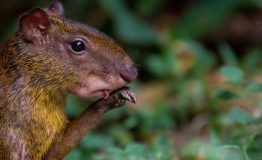
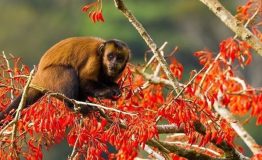
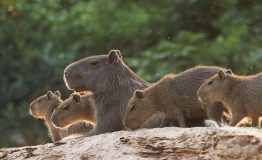
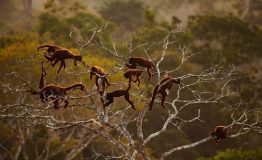
Wildlife photography: Depending on the location and conditions, photographers may encounter monkeys, macaws, parrots, giant otters, caimans, capybaras, tapirs, and many other species.
Bird photography: Manu is particularly attractive to birdwatchers and bird photographers because of its remarkable avian diversity.
Landscape photography: Rivers, rainforest canopies, mountains, mist, and tropical vegetation create powerful compositions.
Nature filmmaking: The combination of wildlife, landscapes, sounds, and changing weather makes Manu an excellent setting for documentary-style visual storytelling.
The key is to travel with realistic expectations. Wildlife is unpredictable, and the quality of a photography experience depends on the season, location, weather, guide, and animal behavior.
2. What Can You Photograph in Manu? Photography Wild Nature .
One of the greatest advantages of wildlife photography in Manu National Park is the variety of subjects available.
Wildlife Photography
The rainforest offers opportunities to photograph numerous species of mammals and other wildlife. Depending on the area visited, photographers may look for:
- Monkeys
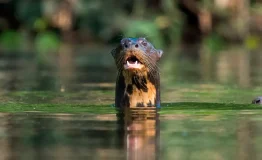
- Giant otters
- Tapirs
- Caimans
- Capybaras
- Macaws and parrots
- Toucans
- Hummingbirds
- Raptors
- Butterflies
- Frogs
- Insects and other rainforest species
Rather than focusing only on rare animals, consider photographing behavior, interactions, feeding, movement, and the relationship between animals and their environment.
Bird Photography Wild Nature .
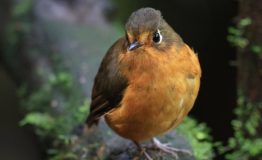
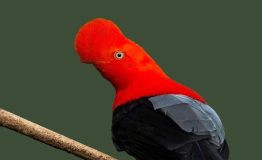
Manu is a fantastic destination for bird photography in Peru. Early mornings are particularly rewarding because many species become active around sunrise.
A telephoto lens and patience are essential when photographing birds in dense vegetation. Your guide can also help identify calls and locate species that might otherwise remain hidden in the forest.
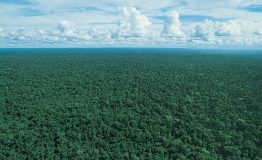
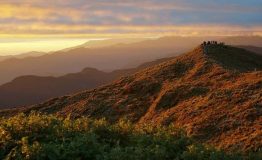
Rainforest Landscape Photography Wild Nature .
- Do not overlook the landscape.
- Wide-angle photography can capture:
Photography Wild Nature
- Amazonian rivers
- Dense rainforest
- Mountain scenery
- Misty forests
- Forest trails
- Sunrise and sunset light
- Reflections on calm water
- Dramatic tropical skies
Landscape photographs can help tell the larger story of Manu and complement close-up wildlife images.
Macro Photography
- The Amazon is also a paradise for macro photographers.
- Look closely at the forest floor and vegetation for:
Photography Wild Nature
- Butterflies
- Beetles
- Dragonflies
- Spiders
- Frogs
- Flowers
- Fungi
- Leaves and textures
A macro lens can transform small and often overlooked subjects into compelling images.
3. Best Places for Photography in Manu National Park
Manu is divided into different management areas, and access and activities vary depending on the zone and current regulations.
Manu Reserved Zone : The Reserved Zone is known for its exceptional wildlife and relatively remote rainforest environments. Access is controlled, and visitors should always follow the regulations established for the protected area.
For photographers, the attraction is the opportunity to explore natural environments with excellent potential for wildlife observation.
Manu Cultural Zone : The Cultural Zone provides more accessible opportunities for travelers and combines rainforest experiences with local communities, landscapes, wildlife, and cultural encounters.
Photography in this area can provide a broader story of the Amazon, including people, traditions, landscapes, and everyday life.
Important: Access rules, permits, photography conditions, and activities can vary by area. Always confirm current requirements before planning professional or commercial photography or filming.
4. Best Time to Visit Manu for Photography
There is no single “perfect” season for every photographer. The best time depends on the subjects and conditions you want to photograph.
Dry Season : The generally drier months can provide more favorable conditions for some trails and outdoor activities. Clearer weather can also create excellent opportunities for landscapes and river photography.
However, rainforest wildlife remains unpredictable, so a dry-season visit does not guarantee specific animal sightings.
Rainy Season : The rainy months can bring lush vegetation, dramatic clouds, reflections, mist, and atmospheric rainforest scenes.
Rain can make trails more challenging, but it can also create some of the most distinctive photographs of the Amazon.
For photographers, the ideal approach is to choose the season according to your priorities rather than assuming one period is universally better.
5. Essential Photography and Filming Equipment
Photographing in the Amazon requires equipment that can handle humidity, rain, low light, and changing conditions.
Camera : A modern DSLR or mirrorless camera with good autofocus and low-light performance is ideal for wildlife and bird photography.
If possible, bring a backup camera body for longer professional assignments.
Telephoto Lens : A 200–600 mm telephoto lens can be extremely useful for photographing distant birds and wildlife while maintaining a respectful distance.
Wide-Angle Lens : A 16–35 mm or similar wide-angle lens is useful for rainforest landscapes, rivers, trails, camps, and environmental portraits.
Macro Lens : A macro lens is valuable for insects, frogs, plants, flowers, fungi, and other small rainforest subjects.
Tripod or Monopod : A lightweight tripod or monopod can provide additional stability, particularly for video, low-light photography, and longer lenses.
Rain Protection -Photography Wild Nature
Rain protection should be considered essential.
Bring:
- Camera rain covers
- Waterproof bags or dry bags
- Lens protection
- Microfiber cloths
- Silica gel packets
- Waterproof storage for memory cards and batteries
- Extra Batteries and Memory Cards
Remote rainforest locations may offer limited opportunities to recharge equipment. Carry enough batteries, memory cards, and charging solutions for the duration of your photography activities.
Binoculars : A good pair of binoculars is useful even when photography is your main objective. Finding an animal or bird with binoculars before raising your camera can save valuable time.
6. Permits and Regulations for Photography and Filming
Photography inside a protected natural area is subject to management rules, and requirements can differ according to the purpose of the activity.
If you are planning commercial photography, professional filming, documentary production, advertising, drone operations, or other specialized projects, check the current requirements with SERNANP, Peru’s National Service of Natural Areas Protected by the State, and the appropriate authorities before your trip.
Drone use should never be assumed to be permitted simply because you are carrying a drone. Protected areas can have specific restrictions and authorization requirements.
If you are traveling with professional equipment, it is also advisable to work with an experienced local operator familiar with access procedures and current regulations.
7. Ethical Wildlife Photography in Manu
Great wildlife photography begins with respect for nature.
The goal should never be to obtain a photograph at the expense of an animal’s safety or natural behavior.
- Follow these principles:
- Maintain a safe and respectful distance from wildlife.
- Never chase animals to obtain a photograph.
- Avoid blocking an animal’s escape route.
- Do not feed or bait wildlife unless an activity is specifically managed and authorized.
- Avoid disturbing nests, dens, breeding sites, or resting animals.
- Keep noise to a minimum.
- Follow your guide’s instructions.
- Avoid unnecessary use of flash around sensitive wildlife.
- Stay on permitted trails and routes.
- Never remove plants, insects, feathers, or other natural objects.
- Photographing Indigenous and Local Communities
People should be treated with the same respect as wildlife.
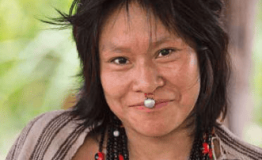
Always ask permission before photographing individuals, especially during private, traditional, or culturally significant activities. Avoid treating communities simply as photographic subjects; instead, approach cultural photography with sensitivity and genuine interest.
Responsible photography helps protect both the environment and the people who call the Amazon home.
8. Best Times of Day for Photography
Light changes dramatically throughout the rainforest, and timing can make a major difference to your images.
Early Morning : Early morning is one of the most productive periods for wildlife and bird photography.
The forest becomes active around sunrise, and soft morning light can create beautiful colors and shadows.
Golden Hour : Late afternoon provides warm, softer light that can be excellent for landscapes, portraits, vegetation, and wildlife.
Midday : Although tropical midday light can be harsh, it can still be useful for macro photography in shaded areas and for observing certain wildlife activities.
Night Photography : With an experienced guide and appropriate authorization, nighttime excursions can reveal a completely different side of Manu.
Nocturnal insects, frogs, reptiles, spiders, and other animals can provide fascinating subjects for photographers.
Night photography requires additional preparation, including a headlamp, stable support, appropriate camera settings, and careful control of artificial light.
9. Challenges of Photographing in the Amazon
A Manu wildlife photography tour can be incredibly rewarding, but the rainforest presents several practical challenges.
Humidity : High humidity can affect cameras, lenses, batteries, and other electronic equipment.
Use waterproof protection and allow your equipment to acclimatize gradually when moving between significantly different temperatures.
Rain
Tropical rain can arrive quickly. : Keep your camera protected and always have rain gear accessible rather than packed at the bottom of your luggage.
Low Light : Dense rainforest vegetation often creates challenging lighting conditions.
Insects
Mosquitoes and other insects are part of the rainforest experience.
Wear suitable clothing and carry effective insect protection, especially during early morning and evening activities.
Limited Connectivity : Many remote areas have limited or no reliable mobile or internet service.
Photographers should plan accordingly and carry sufficient memory cards, batteries, and backup storage for important projects.
Patience : Perhaps the most important piece of equipment is patience.
Wildlife does not follow a schedule. The best images often happen after waiting quietly, observing carefully, and allowing the animal to behave naturally.
10. Tips for a Successful Manu Photography Trip
To make the most of your Manu National Park photography tour, consider these practical recommendations:
Travel Light : Rainforest travel often involves boats, vehicles, trails, and changing accommodations. Carry only the equipment you genuinely need.
Protect Your Equipment : Use dry bags, rain covers, and waterproof cases whenever appropriate.
Learn to Photograph in Low Light
Practice using higher ISO settings and slower shutter speeds before arriving in the rainforest.
Bring a Long Lens : Wildlife should be photographed responsibly from a suitable distance. A telephoto lens allows you to fill the frame without approaching animals unnecessarily.
Photograph the Environment
Do not photograph only close-ups.
Include trees, rivers, mountains, vegetation, and habitat in your compositions to show where the wildlife lives.
Work With an Experienced Guide
A knowledgeable local guide can make a major difference. Guides understand trails, wildlife behavior, habitats, calls, weather conditions, and safe observation practices.
Back Up Your Images : If you are traveling for a professional assignment, use multiple memory cards and a reliable backup strategy whenever possible.
Be Flexible : Rain, river conditions, wildlife activity, and trail conditions can change your plans.
The best photographers adapt rather than trying to control the rainforest.
11. Capture the Wild Beauty of Manu
Photography in Manu National Park is about much more than collecting photographs of rare animals.
It is an opportunity to tell the story of one of Peru’s extraordinary natural landscapes through wildlife, birds, rivers, forests, people, and changing light.
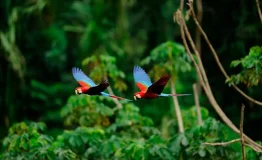
From a colorful macaw crossing the rainforest canopy to a monkey moving silently through the trees, a misty Andean forest, or a tiny frog hidden among wet leaves, Manu offers countless possibilities for creative storytelling.
For wildlife photographers, birdwatchers, nature lovers, filmmakers, families, couples, and adventure travelers, a carefully planned Manu experience can become both a memorable journey and a remarkable photographic project.
The most meaningful photographs are often those that show not only what you saw, but where it lives and why its habitat matters.
If you are planning a photography-focused journey through the Peruvian Amazon, Manu is a destination where patience, responsible travel, and careful observation can turn a simple expedition into an unforgettable visual story.



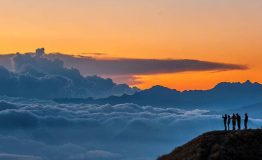


Review Photography Wild Nature 9 days.