¿WHAT WE EXPECT?
The Manu Wildlife Center – 5-Day Cultural and Nature Tour
Discover the Natural and Cultural Wonders of the Peruvian Amazon :This tour offers travelers the opportunity to deeply connect with the natural beauty and cultural richness of the Manu region.
Manu Cultural Wildlife Travels in Peru offers a unique and enriching experience that combines ecological exploration with cultural learning. It is an opportunity to connect with nature and understand the rhythms of life in the Amazon rainforest.
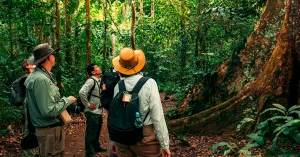
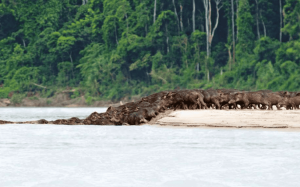
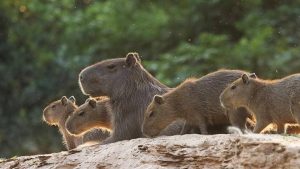
Manu Wildlife Center – 5-Day
- Day 1: Cusco – Ninamarca a Paradise Lodge Inn – Manu Wildlife Center.
- Day 2: Pilcopata – Rainforest Lodge – Manu Wildlife Center.
- Day 3: Rainforest Lodge – Collpa de Loros – Manu Wildlife Center .
- Day 4: Jungle Trip – Lago Machuwasi – Rainforest Lodge .
- Day 5: Rainforest Lodge – Puerto Atalaya – Regreso a Cusco


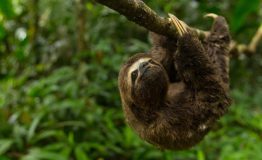


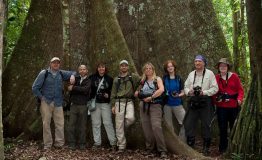

The Manu Wildlife Center
Discover the magic of Manu National Park: One of the most precious hidden gems found in the Peruvian Amazon. If you are looking for a unique experience we recommend a 5-day tour in the Manu Amazon that will change your life, Manu National Park is located in southeastern Peru, offering visitors pure and virgin nature, a rich indigenous culture and unforgettable natural wonders.
Duration: 5 days/4 nights.
- Tour Duration: 5 days/4 nights Manu Amazon Peruvian
- Service Type: Private or group tours.
- Departure Point: Pick-up from your hotel/Airbnb in Cusco
- End Point: Return to your hotel/Airbnb in Cusco
- Departure Point: Pick-up from your hotel/Airbnb in Cusco
- End Point: Return to your hotel/Airbnb in Cusco
- Date Availability: Every day. Location: Southern Peru, Manu National Park, Peruvian Amazon
- Activities: Cloud Forest Hikes, Birdwatching (Andean Cock-of-the-rock, Hummingbirds, Quetzals), Photography, Hiking in Primary and Virgin Forests,
- Fishing, Traditional Raft Rides, Visit to Lake Machuwasi, Night
- Activities, Parrot Clay Lick, Optional Ziplining and Rappelling.
- Altitude: 400 – 3,600 meters above sea level.
- Best time to visit: March – December.
- Departures: Depending on availability.
- Minimum number of participants in the Amazon: 2 people.
- Maximum number of participants in the Peru trip: 08 people.
The Manu Wildlife Center 5 Days: Explore the Heart of the Peruvian Amazon
Manu Wildlife Center Excursions: This excursion takes you on a journey through the wild heart of Manu, where you’ll discover not only nature but also culture. Travelers will have the opportunity to interact with indigenous communities and learn about their traditions, customs, and ancestral knowledge. Participate in cultural activities such as crafts, traditional fishing, and food preparation, all in the heart of Manu National Park.
Explore the Amazon rainforest in 5 days.
Departing from Cusco, visit Ninamarca, Paucartambo, and Manu National Park. Enjoy breathtaking landscapes and wildlife such as Andean cock-of-the-rock, quetzals, monkeys, and parrots. Navigate the Alto Madre de Dios River, relax in Aguas Calientes, and recharge in the jungle. Observe mammals, insects, birds, and more as you immerse yourself in the rainforest’s biodiversity.
5-Day Itinerary: Manu Wildlife Center Tour
Day 1: Cusco – Ninamarca – Paucartambo – Cloud Forest – Pilcopata Lodge .
Start the adventure from Cusco towards Ninamarca to visit the ancient Lupaca chullpas. Continue to Paucartambo, a charming colonial town, then cross Acjanaco Pass, the entrance to Manu National Park.
Descend through the cloud forest, where you may spot birds and monkeys, until reaching Pilcopata Lodge. Enjoy dinner and an optional night jungle walk.
Highlights: Andes landscapes, cloud forest, wildlife, birdwatching, photography.
Meals: Lunch, dinner
Accommodation: Pilcopata Lodge
Day 2: Pilcopata – Atalaya – Madre de Dios River – Rainforest Lodge .
After breakfast, travel to Atalaya and board a motorized boat along the Madre de Dios River. Observe birds, turtles, and river wildlife before arriving at the rainforest lodge.
Explore jungle trails searching for monkeys, giant trees, medicinal plants, and Amazon wildlife. Optional night walk available.
Highlights: River adventure, rainforest trails, wildlife observation.
Meals: Breakfast, lunch, dinner
Accommodation: Rainforest Lodge
Day 3: Parrot Clay Lick – Primary Rainforest Exploration .
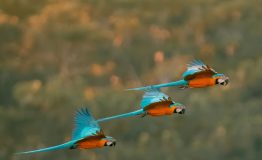
Early morning visit to the famous parrot clay lick, where parrots and macaws gather to eat mineral-rich clay.
Continue with jungle walks through primary and virgin rainforest, discovering giant trees, medicinal plants, birds, insects, monkeys, and Amazon wildlife with a local guide.
Highlights: Macaws, parrots, jungle trekking, ancient trees, nature interpretation.
Meals: Breakfast, lunch, dinner
Accommodation: Rainforest Lodge
Day 4: Aguas Calientes – Machuwasi Lake – Amazon Wildlife .
Visit the parrot clay lick again for more wildlife opportunities. After lunch, explore Machuwasi Lake by traditional canoe, looking for hoatzins, caimans, monkeys, and other species.
Enjoy a relaxing afternoon and an optional night boat excursion searching for nocturnal animals.
Highlights: Birdwatching, canoe ride, lake exploration, wildlife photography.
Meals: Breakfast, lunch, dinner
Accommodation: Rainforest Lodge
Day 5: Rainforest Lodge – Atalaya – Return to Cusco .
After breakfast, begin the return journey by boat along the Madre de Dios River to Atalaya. Continue by private vehicle back to Cusco, ending an unforgettable Amazon adventure.
Highlights: River landscapes, wildlife views, scenic return journey.
Meals: Breakfast, lunch
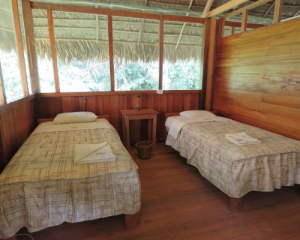
ABOUT LODGE:
No Included in the Manu Wildlife Center :
About Us Lodge Peru in Reserve Manu Culture Zone
Discover in Peru the lodges that are within the Manu National Park
Firt Night Lodge




PRICE FROM
S/. /pax
CODE: MBR-05
05days y 04 night
Places to visit:
Ninamarca, Paucartambo, Cloud Forest, Pilcopa, Atalaya, Shintuya, Hot Spring
Tour Group:
02- minimun -12 maximmun
Tour Type:
Adventure, Ecological, Expedition, Rainforest
Tour Physical Level:
1/5
PAYMENT ONLINE


Review The Manu Wildlife Center 5 Days.