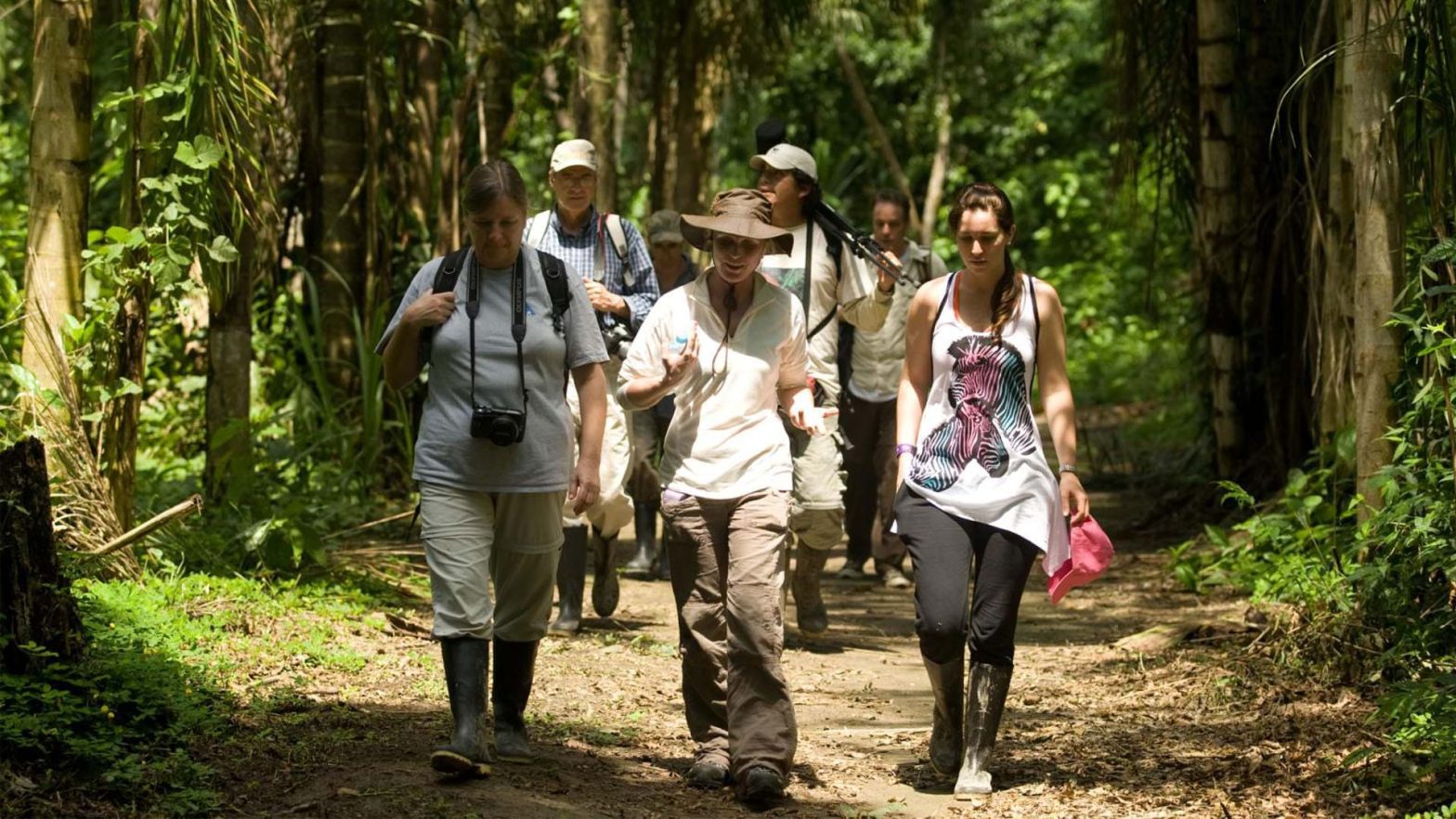
Full 1
MANU TOURS
MANU TOUR ZONE RESERVED 4 DAYS
Full 1
previous arrow
next arrow
Shadow

Amazon Rainforest Travel

Amazonia Rainforest Travel Discover the Incredible Peruvian Amazon: A Unique Journey into Nature, Culture, and Biodiversity

Introduction: Why the Peruvian Amazon Should Be on Your Travel List Amazonia Rainforest Travel

The Peruvian Amazon stretches across a vast portion of eastern Peru, forming one of the most biodiverse and culturally rich regions on Earth. Not only is this immense rainforest home to thousands of plant and animal species, but it also preserves the ancestral traditions of diverse indigenous communities.

Moreover, this extraordinary destination offers travelers a rare opportunity to explore untouched landscapes, navigate mighty rivers, and connect with cultures that have lived in harmony with nature for centuries.

Throughout this guide, you will discover the Amazon’s incredible biodiversity, its valuable natural resources, and its vibrant cultural heritage. In addition, we will highlight why conservation is essential to protect this natural treasure for future generations.

So, if you are searching for a meaningful, immersive, and unforgettable travel experience, the Peruvian Amazon awaits.

1. Unique Biodiversity of the  Amazon Rainforest Travel

Without a doubt, the Peruvian Amazon is one of the most fascinating ecosystems on the planet. Thanks to its immense size and variety of habitats, it supports an astonishing diversity of life.

A Living Paradise for Wildlife Enthusiasts : Amazonia Rainforest Travel .

To begin with, this region is home to iconic wildlife species that attract travelers from all over the world. For instance:

The elusive Jaguar, the top predator of the jungle
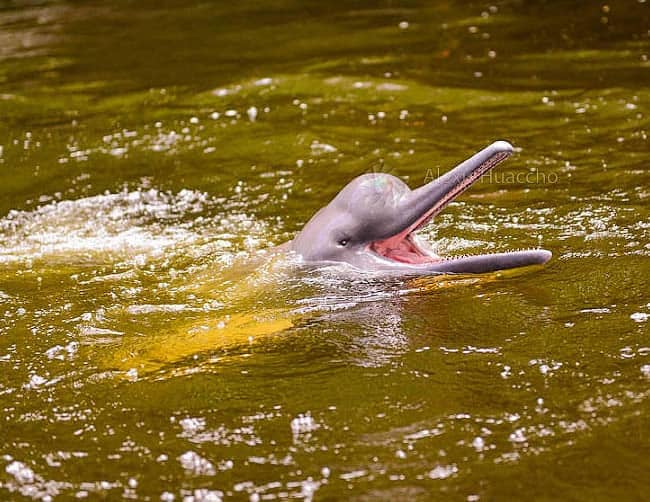
The enchanting Amazon river dolphin, famous for its pink hue
The massive Green anaconda, one of the largest snakes on Earth

In addition, the rainforest hosts hundreds of bird species, making it a paradise for birdwatching enthusiasts. Colorful macaws, toucans, and hummingbirds fill the canopy with life and sound. amazon peru 

Diverse Ecosystems in One Destination : Amazonia Rainforest Travel .

What makes this region even more remarkable is its ecological diversity. Within a single यात्रा, travelers can explore:

Dense tropical rainforests
Flooded forests and wetlands
Meandering rivers and oxbow lakes

As a result, visitors may encounter everything from tiny insects to large mammals like tapirs and peccaries in just a few days.

Flora: Nature’s Hidden Pharmacy : Amazonia Rainforest Travel .

Equally important, the Amazon is rich in plant life. Towering trees, rare orchids, and medicinal plants thrive here. For centuries, indigenous communities have used these plants for healing, making the rainforest a living source of natural medicine.

Furthermore, scientists continue to discover new species every year. Therefore, the Peruvian Amazon remains a place of mystery, innovation, and endless exploration.

2. Natural Resources of the Peruvian Amazon

Beyond its beauty, the Peruvian Amazon plays a crucial role in sustainable production and global markets. Interestingly, many of its natural resources are deeply connected to local traditions and eco-friendly practices.

Sustainable Coffee Production

First of all, the Amazon produces high-quality organic coffee. Grown under shade and harvested responsibly, this coffee is known for its smooth flavor and environmental sustainability.

Additionally, visiting local farms allows travelers to understand the journey from bean to cup, while supporting fair trade practices.

Fine Cacao and Chocolate : Amazonia Rainforest Travel .

Similarly, Peru is recognized worldwide for its premium cacao. Cultivated in the heart of the rainforest, this cacao is used to create artisanal chocolates with unique aromas and flavors.

During your visit, you can witness traditional harvesting techniques and learn how cacao production supports local livelihoods.

Medicinal Oils and Natural Products : Amazon Rainforest Travel

Moreover, the Amazon is rich in essential oils derived from plants like sacha inchi, ungurahui, and andiroba. These oils are widely used for:

Skin care
Natural healing
Traditional wellness practices

Consequently, travelers gain insight into how nature and ancestral knowledge work together to promote well-being.

Responsible Use of Forest Resources : Amazonia Rainforest Travel .

Finally, while resource extraction can be sensitive, some communities practice sustainable forestry. Carefully managed harvesting of woods like cedar and mahogany ensures environmental balance.

Thus, visitors can better understand the importance of responsible resource management in protecting the rainforest. manu reserve zone 

3. Indigenous Culture: The Soul of the Amazon

In addition to its biodiversity, the Peruvian Amazon is a cultural treasure. Indigenous communities have preserved their traditions, languages, and knowledge for generations.

Living Traditions and Ancestral Wisdom

Groups such as the Asháninka, Shipibo, and Awajún maintain deep spiritual and ecological connections with the forest. As a result, travelers can experience authentic cultural exchanges and learn directly from local communities.

 Manu National Park-  Amazonia Rainforest Travel .

Recognized as one of the most biodiverse places on Earth, Manu offers a unique combination of wildlife and cultural experiences. Visitors can explore untouched जंगल landscapes while learning about indigenous traditions.

Tambopata National Reserve –Amazon Rainforest Travel

This region is famous for its macaw clay licks and incredible wildlife sightings. בנוסף, travelers can visit local communities and learn about sustainable living practices.

Iquitos  Amazon Rainforest Travel

As the largest city in the Peruvian Amazon, Iquitos is a vibrant gateway to the rainforest. From here, travelers can explore the Pacaya-Samiria National Reserve and experience river expeditions along the Amazon River.

Quillabamba Amazon Rainforest Travel

Located in the jungle of Cusco, Quillabamba is known for its coffee and cacao production. It offers a quieter, culturally immersive experience with local farming communities.

4. Other Must-Visit Amazon Destinations in Peru

In addition to the main highlights, the Peruvian Amazon offers many lesser-known yet equally fascinating destinations:

Puerto Maldonado – A प्रमुख hub for jungle expeditions
Napo River – Ideal for river cruises and wildlife spotting
Ucayali Region – Rich in culture and biodiversity

These destinations provide alternative routes for travelers seeking unique and less crowded experiences.

5. Why Conservation Matters in Amazon Rainforest Travel

Importantly, the Amazon rainforest plays a vital role in regulating the Earth’s climate. It acts as a carbon sink, produces oxygen, and supports global biodiversity.

However, deforestation, illegal activities, and climate change threaten this fragile ecosystem. لذلك, sustainable tourism has become essential.

By choosing responsible travel experiences, visitors can:

Support local communities
Protect wildlife habitats
Promote environmental awareness

Conclusion: A Journey That Transforms You -Amazon Rainforest Travel

In conclusion, the Peruvian Amazon is far more than a travel destination—it is a life-changing experience. From extraordinary wildlife encounters to meaningful cultural connections, every moment in the rainforest offers something unforgettable.

Therefore, whether you are an adventurer, nature lover, or cultural explorer, this region invites you to discover its wonders responsibly.

Start planning your journey today and experience one of the most extraordinary places on Earth.

Trip River Yoyato Pongo Mainiqui Megantoni 2 days

Trip River Yoyato Pongo Mainiqui Megantoni 2 days

2D/1N Tour: Amazonian Adventure to  Trip River Yoyato Pongo Mainiqui Megantoni & Native Community – Cusco, Peru

Explore one of the most magical and biodiverse places on Earth: the mythical Pongo de Mainique, the turquoise Yoyato River, and an authentic Amazonian native community. A perfect 2-day expedition for nature lovers, ancestral culture enthusiasts, and those seeking breathtaking landscapes. manu reserved zone 

Full Itinerary

Day 1: Quillabamba – Ivochote – Pongo de Mainique – Yoyato River (Turquoise River)

2:00 AM – Departure from Quillabamba: We start our adventure very early to make the most of the day. The journey takes us through the high jungle into the heart of the Cusco Amazon.

7:00 AM – Breakfast in Ivochote: We arrive at the town of Ivochote, where we’ll enjoy a traditional breakfast

and prepare to navigate the Urubamba River.

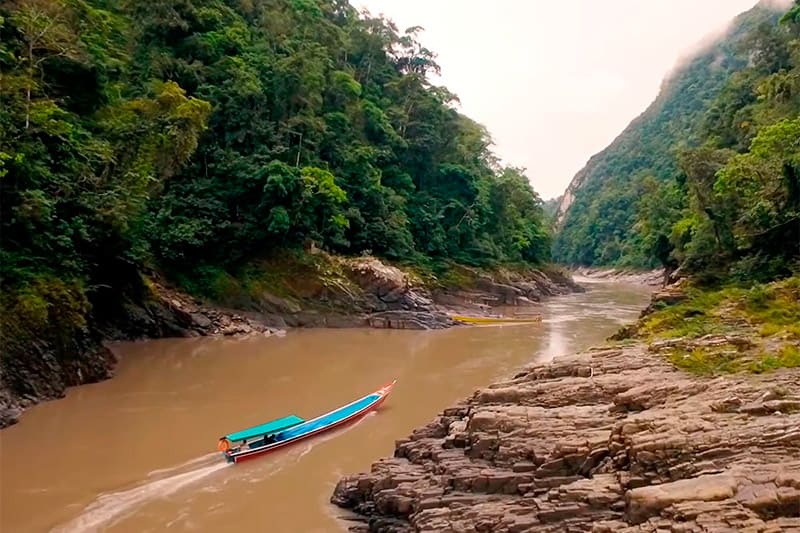
8:30 AM – Boat ride to Pongo de Mainique: We board a boat and head into the mythical Pongo de Mainique, a narrow river canyon considered the most sacred site by Amazonian peoples. It is home to stunning

landscapes, rapids, and unique biodiversity. Our guide will offer detailed explanations of the site’s natural and

spiritual importance.

12:00 PM – Arrival at Yoyato (Turquoise River): We explore the Yoyato area, famous for its turquoise waters. Enjoy a delicious local lunch and take some free time to relax and swim in the river.

3:00 PM – Return to Ivochote and overnight stay: We navigate back to Ivochote, where we’ll spend the night in a local guesthouse. Free time to rest or explore the town.

Day 2: Yoyato River – Native Community – Living Culture – Return to Quillabamba

7:00 AM – Breakfast in Ivochote: Fuel up for a day of cultural connection with a local indigenous community.

8:30 AM – Departure to the Native Community: We head by land and river to reach an Amazonian native community, where we’ll be warmly welcomed by its inhabitants.

9:00 AM – Cultural immersion: Our local guide will explain the customs, traditions, architecture, and sustainable ways of life in the community. You’ll have time to take photos, record videos, and share authentic moments with the locals.

1:00 PM – Traditional lunch in the community or en route: Depending on availability, we’ll enjoy lunch with the locals or at a stop along the way back.

2:00 PM – Return to Quillabamba: We begin our journey back through the jungle route.

5:00 PM – Arrival in Quillabamba: End of the experience. Take home unforgettable memories and a deeper connection with the Amazonian world!

Recommendations for Pongo de Mainique & Yoyato River

This tour is ideal for adventurous travelers, nature photographers, ecotourists, and anyone seeking authentic experiences in off-the-beaten-path destinations.

Please note that the area has limited mobile signal or internet access, making it a perfect place to disconnect from the modern world.

Why visit Pongo de Mainique & Yoyato River?

  • Navigate one of the Amazon’s most sacred places
  • Possible sightings of unique species (birds, monkeys, reptiles)
  • Connect with communities that live according to ancestral worldviews
  • Breathtaking landscapes for adventure and nature photography
  • Support sustainable and conscious tourism
  • Responsible Tourism in the Amazon

This tour is conducted with a deep respect for biodiversity and native cultures. Every visit aims to strengthen the local economy, support community development, and preserve the region’s natural beauty.

  1. Pongo de Mainique Tour
  2. Yoyato Native Community
  3. Turquoise River – Cusco
  4. Ecotourism in Quillabamba
  5. Travel to the Peruvian Amazon
  6. 2-Day Tour in the Peruvian Jungle
  7. Cultural Tourism in the Rainforest

2D/1N Tour to Pongo de Mainique & Native Community | Ecotourism in the Cusco Amazon


Discovering the Amazonia Native Community in the Megantoni Reserve Zone

An Untouched Paradise of Biodiversity and Indigenous Heritage in Peru

Why the Megantoni Reserve Zone Should Be on Every Adventurer’s Radar

Tucked away in the remote eastern slopes of the Andes, the Megantoni Reserved Zone is a lesser-known but

biologically rich area that borders the iconic Manu National Park in southeastern Peru. This breathtaking zone is

home not only to an extraordinary variety of flora and fauna but also to Amazonian native communities that have

lived in harmony with the rainforest for generations.

One of the most biologically fascinating areas lies in Tinkanari, situated between 2,100–2,400 meters above sea level.

This is the heart of the cloud forest—a mystical realm of mossy trees, hidden creeks, and wildlife rarely seen elsewhere.

Biodiversity Hotspot: Rare Wildlife and Pristine Ecosystems

  • The terrain at this elevation is surprisingly flat for the Andes, with numerous waterlogged zones and moss-covered rocks creating a dreamlike landscape. The region hosts two distinct forest types:
  • Tall, Rich Forests: Covering 90% of the area, these dense woodlands are nourished by fertile soils and support a diverse array of life.
  • Stunted Shrub Forests: Occupying a smaller, 0.5 km² section on acidic, rocky ground, this unique ecosystem is visible even from the air and serves as a critical habitat for specialized species.
  • The spectacled bear (Tremarctos ornatus), South America’s only bear species, thrives in these forests. Tracks, dens, fresh scat, and feeding remains were found throughout the site—confirming that this is one of the densest populations ever recorded in Peru.

Other notable wildlife sightings include:

Woolly monkeys – highly active in the canopy

  • Game birds such as the Sickle-winged Guan (Chamaepetes goudotii), Wattled Guan (Aburria aburri), and the Andean Guan (Penelope montagnii)
  • Scimitar-winged Piha, a rare bird whose unique flight display and calls were recorded for what may be the first time ever

Connecting with the Amazonia Native Communities

Beyond its ecological importance, the Megantoni Reserve is home to indigenous Amazonian communities who continue to live sustainably off the land, preserving their cultural traditions and ancestral knowledge. Travelers to this region can gain a rare and respectful glimpse into these ways of life—experiencing the Amazon not just as a wild destination, but as a living, breathing cultural landscape.

Sustainable Travel and Conservation in Megantoni

Travelers seeking authentic, eco-conscious adventure will find Megantoni a rewarding destination. Due to its remote location and ecological sensitivity, travel here should always be conducted with certified guides and in cooperation with local communities to ensure minimal environmental impact.

Responsible tourism can play a pivotal role in supporting indigenous land rights and biodiversity conservation. When you visit, you’re not just witnessing rare species—you’re helping protect them.

Plan Your Expedition to the Megantoni Reserved Zone

Whether you’re a biologist, birdwatcher, or simply an adventurous soul seeking untouched wilderness, the Megantoni Reserved Zone offers an experience unlike any other in South America. From spotting spectacled bears to listening to the mystical calls of the Scimitar-winged Piha, this is Amazonia at its most raw and remarkable.

Inka Jungle Trek Machu Picchu 4 days

Inka Jungle Trek Machu Picchu 4 days

The  Inka Jungle Trek Machu Picchu is a dynamic and adventurous route to Machu Picchu, blending extreme sports with scenic trekking through the diverse landscapes of the Peruvian Andes. Unlike the classic route, this trail adds an extra layer of excitement with optional activities such as mountain biking, white-water rafting, zip-lining, and hiking through lush jungle terrain. Tor a Machupicchu

This alternative trail begins in Cusco and descends into the tropical cloud forests, offering a thrilling combination of outdoor challenges and immersive cultural experiences.

Highlights of the Inka Jungle Trek Machu Picchu 

 Downhill Mountain Biking

Kick off your journey with a thrilling descent from the high mountain passes near Abra Malaga (4,316 meters) to the lower jungle regions. Equipped with professional biking gear, helmets, gloves, and a support vehicle, even beginners can enjoy this exhilarating ride. The route winds through breathtaking Andean scenery, passing waterfalls, mountain cliffs, and misty valleys. Amazon Tour peru 

Tours Cusco Day 1 – Santa Maria – Biking 55 K. M. (Optional Rafting) Inka Jungle Trek Machu Picchu:

After picking up from your hotel between 7:00 a.m. to 8:00 a.m. we drive to Ollantaytambo where we will stop for shopping and then head to our average of 02:30 hours are private to the Málaga (4,350 m) Inka Jungle Trek Machu

Picchu 4 days point start our bike tour of the Inca jungle, after a breffing by our guide will provide the most complete such activities team descent will start cycling for 3 hours (55 km) to the people Huamanmarca where we will have

our first lunch . We then headed to the city of Santa Maria, where we spend our first night in basic accommodation during the journey to experience the beauty of the snow, cold changing rapidly dry and moist heat. Once in Santa

Maria have the option of rafting class III and IV  (optional tour) in the Urubamba river that runs through this part of the rainforest  Inca jungle trek . tambopata tour 

Tours Day 02:

Inka Jungle Trek  Machu Picchu Santa Maria – Santa Teresa – Trekking 23 km (Zip Line Canopy – optional)

After a delicious breakfast at 6:30 am approx. we are ready to make the first day trekking to Santa Teresa. The first two hours of our journey will be on the rise, in the way we have several stops to show a little more of the rich flora

and fauna where one will find in a family where we will relax for about 20 minutes here also we can supply water and delicious tropical fruits in the area inka jungle trek salkantay 

Later we cross a section of the road that once connected to the sacred city of the Incas Machu Picchu with the city of Vilcabamba. Here our guide will explain a bit more about the history of the Incas and the communication system

they had in those days, at this point we will also have some of the most breathtaking views across the canyon Huancarccasa then descend to the village where stop Quellomayo for lunch after a delicious lunch and a rest in

hammocks in our restaurant will continue with the last 02 hours hike to the hot springs where I Cocalmayo a good time to enjoy this special place, after the hot springs headed our final destination the city of Santa Teresa where we will spend our second night in a basic hostel inka jungle trek ..

Tours Day 03:

Inka Jungle Trek Machu Picchu  to Santa Teresa – Aguas Calientes “pueblo Machupicchu”

After our breakfast at 7:00 am approx. We started the Inca jungle trekking to the town of Aguas Calientes, the first walk for 3 hours through the valley of Aobamba to the area called where Intihuatana small control and then continue

enjoying Inca Rakay where our lunch so we will see a waterfall number and also have the opportunity to see the majestic mountains and Machu Picchu and the Intihuatana or sundial Haynapicchu will see the top of the mountain

and other structures of the Inca citadel of Machu Picchu after the last two hours of walking will side of the railway line from the town of Aguas Calientes. rainbow mountain 

Tours Day 04:

Inka Jungle Trek Machu Picchu to Machu Picchu

This is the most important day of the tour the day we arrived at one of the 7 wonders of the world Machu Picchu, the last day of the tour starts very early to see the sunrise on the Inca citadel of Machu Picchu, start the climb to 4: 30 am

will be 01 half walk to Machu Picchu hours and has a tour with our guide for 02 hours at the most important buildings and temples of this citadel, then you have free time to explore Machu Picchu on your own and perhaps rise

Huayna Picchu mountain Machu Picchu (backup over $ 15) and other attractions. Later return to Aguas Calientes to take the train back to Ollantaytambo and then the bus will pick us up to take us to Cusco inka jungle trek .

Kosnipata Valley Manu Park

Kosnipata Valley Manu Park

  Kosnipata Valley Manu Park :  The next morning we visited a productive country road with riverine second growth where we started out with

good views of a Chestnut-bellied Seed-Finch in the scope, a Rusty-fronted Tody-Flycatcher in the undergrowth

and some of us saw Buff-breasted Wren. A juvenile Grey Hawk perched up for us for good views and it soon

became obvious that Purus Jacamar was extremely common here.

A migrant Swainson’s Flycatcher was scoped up just before a Slender-billed Kite magically appeared for stunning close views of it perched over the road. Next Henco spotted a White-throated Jacamar allowing us all to get a good

view of this localized bird that was our primary target of the morning. amazon  tours peru

AMAZON WILDLIFE PERU LEADER: MATT DENTON: BIRDS

The Manu Wildlife Peru is unique in South America in offering birders the most accessible and diverse example of

contiguous Andean east slope together with western Amazonia forest amazon wildlife peru, Kosnipata Valley

Manu Park a protected area harbouring over 1000 species. Our detailed coverage of this incredible altitudinal

transectincludes a visit intothe wilds of actual amazon wildlife peru where our journey up the Manu River provides

the rare experience of a truly wild, lowland rainforest completely unaltered by man. The Manu 2009 reaped

manygreat rewards with a total of 689 species recorded including memorable sightings of many of the south-

eastern Peru  in  amazon wildlife peru specialties: Blue-headed Macaws in lovely morning light, feeding

AmazonianParrotlets, Black-capped Parakeets at rest, lekking Peruvian Piedtails, the localized White-throated

Jacamar, two separate White-cheeked Tody-Tyrants, Unadorned Flycatcher on territory, a nesting Semicollared

Puffbird, a  maleScarlet-hooded Barbet point-blank, the secretive Rufous-fronted Antthrush and a pair of Black-

faced Cotingas to name just a few. Each day brought an enticing selection of new birds providing many other

spectacular highlightsworth mentioning. A pair of Razor-billed Curassows spied in the subcanopy, a Pale-winged

Trumpeter that came charging up to us, a covey of Starred Wood-Quails at our feet and a nesting pair of Solitary Eagle.

We had stunning views of a male Pavonine -Kosnipata Valley Manu Park .

Quetzal, an extremely brazen Amazonian wildlife peru Antpitta, and an Olive Finch that likewise gave us

fineviews. Some of the nightbirds we saw included Andean Potoo, a Silky-tailed Nightjar on the trail at dusk, a

male Swallow- tailed Nightjar just overhead, a gold medal performance by a displaying male Lyre-tailed Nightjar

and for some a Crested Owl. In the cloud forests amazon wildlife peru enjoyed the bizarre displays of Andean

Cock-of-the-Rock attheir lek and colourful tanager flocks included such gems as Golden-collared and Yellow-

throated Tanagers and Scarlet-bellied Mountain- Tanagers. In Manu National Park amazon wildlife peru

Kosnipata Valley Manu Park  weenjoyed a superb sighting of a Lowland Tapir walking in the shallows of the

amazon  wildlife peru  River by day, the family of Giant Otters crowned our catamaran experience on the always-

superb Cocha Salvador KosnipataValley Manu Park , and the many troops of monkeys included the impressive Common Woolly and Peruvian Spider Monkeys.

The mountains and rainforest of amazon willdife peru never ceased to surprise us with something neweach day

along the lodge trails or even in the garden just outside our chalet doors. A trip that leaves behind roads

and cities for comfortable lodges, pleasant boat travel, candlelight meals and pisco sours, white sand beaches,riots

of colourful macaws, and a steady procession of new birds. The tour began with a flight to the historic city of

Cusco, and an easy day of birding at nearby Huacarpay Lake. Here in the arid scrub surrounding the lake our maintarget was the Bearded.

2 Birdquest: The amazon wildlife peru -Kosnipata Valley Manu Park : 

Mountaineer with whom we eventually connected, later finding it a common bird in the garden of our

SacredValley hotel. In addition to the mountaineer we found a nice selection of more widespread birds that

included Andean Lapwing, Giant Hummingbird, Streak-fronted Thornbird, Yellow-billed Tit-Tyrant, Blue-and-

yellow Tanager and the endemic Rusty-fronted Canastero. The lake had a smattering of waterfowl that included

Puna and Sharp- winged Teals and Yellow-billed Pintail and in the surrounding marsh we saw Plumbeous Rail,

Wren-like Rushbird and Rufous-naped Ground-Tyrant. Our first picnic lunch of the tour was done in customary

fine style and an Andean Negrito at the edge of the marsh rounded out the day. the next day we began our journey

to the Manu Biosphere Reserve amazon wildlife peru aboard our well-equipped and comfortable expedition bus.

Our first sighting of the morning was an Andean Tinamou spotted crossing the mountain road and pausing in the field above us Kosnipata Valley Manu Park.

The road then took us through several typical Quechua villages of hardy highland

farmers in whose fields we saw a flock of Spot-winged Pigeons and from which we sorted through flocks of

Peruvian, Mourning and Ash-breasted Sierra- Finches and Black- throated Flowerpiercer for a particularly

handsome mountain-finch. After some initial frustration with a wary first bird, we all had fine views of a second

group of the endemic Chestnut-breasted Mountain-Finches. Continuing the journey we had good luck in finding

Andean (split from Black-faced) Ibis at our usual stake-out, and a Slender- billed Miner was spied blending with

the sun-parched landscape. Eventually we arrived at a series of inter-Andean valleys, a biome rich in restricted-

range taxa throughout the continent, and within no time we were enjoying a pair of noisy Creamy-crested

Spinetails. Soon we reached the 3800 metre pass of Acjanaco Kosnipata Valley Manu Park, our doorway to

another world, for this was the starting point from which we would begin to descend the eastern Andean slope.

Kosnipata Valley Manu Park amazon wildlife  peru the ever-changing weather featured only scattered fog as we

enjoyed a nice selection of birds that included Brown-backed Chat-Tyrant, White-browed Conebill, Moustached

Flowerpiercer, and Plaincoloured Seedeater. Loading onto the bus we drove down into rather thick fog that

eventually cleared after losing some altitude and allowed us to excellent sightings of Grey-breasted Mountain-

Toucan, a Puna Thistletail responding to playback, and a frenzied flock of tanagers and flycatchers that included

the incomparable Grass- green Tanager as well as Chestnut-breasted Mountain-Tanager alongside its plainer

brethren the Drab Hemispingus. That evening we spotlighted a fine male Swallow-tailed Nightjar making display

flights overhead and flying in for incredible close-ups.

That evening we had the relative -Kosnipata Valley Manu Park

comfort of bunk-beds along with hot showers and tasty food at the Wayquecha Lodge, a cloud forest biological

station owned by the Amazonian wildlife peru  Conservation Association. The next morning from the station

grounds we began with a Scaled Metaltail in response to playback, a pair of Andean  Parakeets passed in low flight

overhead and a group of vocalizing Pale-footed Swallows was an added bonus. As we continued our descent,

mixed-flocks contained Scarlet-bellied and Hooded Mountain-Tanagers and a superb pair of Golden-collared

Tanager. In these misty, bamboo-choked, epiphyte-laden temperate forests we tracked down small passerines

such as Black-throated Tody- Tyrant, Fulvous Wren, the endemic Marcapata Spinetail and the exquisite Maroon-

chested Chat- Tyrant (split from Slaty-backed), in addition to other stunning cloud forest birds that included

Goldenheaded Quetzal, Masked Trogon, Barred Fruiteater and White-collared Jay. The avifauna continued to

change as we descended with new birds such as Blue-banded Toucanet, both Andean and Whiteeared Solitaires,

Barred Becard, White-browed Hemispingus, Pale-legged Warbler and Dusky-greenb Oropendola all seen well. Kosnipata Valley Manu Park

Surely one of the major highlights though was when -Kosnipata Valley Manu Park .

Henco made an almost impossible spot of an Andean Potoo on its day roost. The first of our Manu wildlife peru

was the Cock-of-the-Rock Lodge, an aptly named place as just a fiveminute walk took us into a semi-open hide

from which we watched the amazing displays of Andean Cock-of- the-Rocks at their lek. We watched the bright

orange males strut and dip their crested heads with their wings raised in excitement and their voices often

reaching a crescendo at the appearance of a dimly plumaged female. Here in the Kosñipata valley some of the

many highlights included a superb sighting of Crimson-bellied Woodpecker, several pairs of Versicoloured

Barbets, a secretive.

3 Birdquest: The Manu  amazon wildlife peru -Kosnipata Valley Manu Park : 

Slaty Gnateater from the forest understorey, a pair of Crested Quetzals in a fruiting tree and chunky roadside

Highland Motmots. Hummers visiting the lodge feeders and flowering shrubs included Wire-crested Thorntail,

Many-spotted Hummingbird, Violet-fronted Brilliant and Sparkling Violetear. In addition to great birds near the

lodge we also drove up and down the road that transects the cloud forest, stopping for mixed flocks and sampling a

wide array of elevations. Here amidst this breathtaking scenery of unbroken cloud forest, steep mountainsides and

deep valleys we saw Sandy’s much requested Black-and-chestnut (or Isidore’s) Eagle soaring overhead. Just

moments later Jake made a second great feat of raptor spotting of a Solitary Eagle soaring with possibly a snake in

its talons and then perching below the road. After some careful searching it was Keith who spotted the actual nest

where a begging chick was seen with its magnificent parent Solitary Eagle perched nearby. Later that evening we

were thrilled by the truly awesome display of a male Lyre-tailed Nightjar as it made a long series of nearly

continuous flights from a close perch, eliciting cries of wonder from the admiring throng of birders.

In the temperate forest wesometimes struggled – Kosnipata Valley Manu Park .

to find mixed foraging flocks but still managed good views of some of the jewel-like Tangara tanagers including

Golden-naped, Golden-eared, Golden, Beryl-spangled and Blue-and-black Tanagers as well as the somewhat shy

Yellow-throated Tanager. Mid-storey flocks held the endemic Inca Flycatcher, the retiring Striped Treehunter, and

in the dense understorey we had good views of White-crowned Tapaculo and the unobtrusive Unadorned

Flycatcher.More good birds awaited us in the foothill zone below the lodge where an Amazonian Umbrellabird was

seen at the road’s edge, the recently-described Rufous-browed Tyrannulet was spied in a flock, a Peruvian Piedtail

gave us a point-blank scold with its tail spread wide, and a singing Olive Finch in great light on an exposed perch

was unforgettable. A few of us had a good view of a male Whitebacked Fire-eye and then a Lanceolated Monklet

was spotted sunbathing on an exposed perch from the moving bus. We all piled out of the bus to scope this scarce

little puffbird as quickly as possible only to have it fly in even closer for more views.

Our bamboo birding also got off to a great start here in the foothills

with lengthy studies of the smartly plumaged White-cheeked Tody-Tyrant, an obligate bamboo-specialist. Late in the afternoon after seeing Black Antbird and Stripe-chested Antwren, we finally descended upon Atalaya where we

switched modes of transportation for the short ride across the Rio Madre de Dios. In the late afternoon we arrived

in the clearing at Amazonia Lodge to enjoy a refreshing welcome drink of local citrus as we enjoyed a parade of

hummers led by none other than a male Gould’s Jewelfront. Our first morning at Amazonia Lodge began with torrential rain, however the garden birds did not mind the rain and the mahogany veranda was a great place to sit

and study the steady procession of hummers on the flowering porterweed hedge which included male Rufous-crested Coquettes (the lodge mascot), Golden-tailed Sapphire, Blue-tailed and Sapphire-spangled Emeralds, and

Greybreasted Sabrewing. Feeders also brought in plenty of Speckled Chachalacas, Masked Crimson Tanagers, Red- capped Cardinals, Black-billed Thrush and Black-and-white Seedeaters.

Furnarids such as Pale-legged Hornero – Kosnipata Valley Manu Park .

and Plain-crowned Spinetails made the rounds and a White-lored Tyrannulet was called in for close views. A pair of Grey-necked Wood-Rails inspected newly formed puddles for prey, and as soon as the shower had passed there

was Blue-throated Piping-Guan, Blue-headed Parrot, Roadside Hawk , Chestnut-eared Aracari, Purplish Jay and

nesting Chestnut-fronted Macaws and Yellow-rumped Caciques all doing their best to dry out. We all donned our

wellies and to begin our mid-morning walk we had great views through the scope of a male Fine-barred Piculet tapping away. A pair of resting Spix’s Guan feeding on palm fruits promptly followed and a cuddly family group of

Smooth-billed Anis was even scoped up.

The forest was still a bit drippy but we got right into it with the forest birds, – Kosnipata Valley Manu Park .

seeing a pair of Chestnut-tailed Antbirds, followed by great views of Pectoral Sparrow and also Band-tailed Manakin. A Rusty-belted Tapaculo was next, and instead of having to find it walking along the dark forest floor,

this obliging fellow perched four feet off the ground on a horizontal branch and started singing his head off! With

this great result we next tried our luck with yet another understorey denizen, a pair of Thrush-like Antpittas that

was seen well by nearly all of us. The lodge’s small oxbow lake was welcome respite and provided our first views of the amazon wildlife peru

4 Birdquest: The Manu Amazon Wildlife Peru:

The strange Hoatzin, as well as Great Kiskadee and Yellow-tufted Woodpecker. The floodplain forest surrounding the lodge continued to yield new birds during our stay with highlights including the tiny Short-tailed Pygmy-

Tyrant perched so low we could really appreciate its size , a mixed flock with Red-billed Scythebill, Slender-billed

Xenops and Chestnut-vented Conebill and a singing male Lemon-throated Barbet. After initially trying to see an

impossibly hidden individual with only partial success, we tried a second territory for Amazonian Antpitta with Cathryn first spotting what was voted our bird-of-the-trip, perched up right before us on a trapeze like vine five

feet off the ground! This aggressive bird meant business, wanting no one intruding on his territory, and the looks we had were truly special.

We also ventured up into the hill forest behind the lodge -Kosnipata Valley Manu Park

where a Barred Forest-Falcon flew in for good views and a pair of Razor-billed Curassows flushed from the trail allowing us all to see this fabulous bird in the subcanopy. A family group of White-browed Purpletufts and a

beautiful White Hawk were highlights from atop the canopy tower, while down below we saw Round-tailed Manakins at a lek, but activity was slow until the late morning when we started to pick up some mixed flocks with

Tschudi’s Woodcreeper (split from Ocellated), Rufous-tailed Antwren, Olive Tanager, Golden-bellied Warbler, Bluish-Slate Antshrike and then a subcanopy tanager flock led by White-winged Shrike-Tanager and Yellow-

crested Tanager with Yellow-bellied Tanager and Rufoustailed Foliage-gleaner in tow.

Later that evening, a Southern Tawny-bellied Screech-Owl perched at the lip of his tree roosting cavity provided yet

another lasting from Amazonia amazon wildlife peru.

After saying goodbye to our hosts at Amazonia Lodge we loaded onto our comfortable boat for the short ride down the headwaters of the

Alto Madre de Dios, to Kosnipata Valley Manu Park .

where Fasciated Tiger-Herons patiently standing in the rapids were commonplace. Our departure was timed perfectly to coincide with the activity at a parrot clay lick at which we had excellent views of the rare Blue-headed

Macaw bathed in tropical yellow morning light. After seeing the birds both on the clay wall and in flight we continued to our lodge placed at the base of the Pantiacolla Range. Within just moments of arriving a male

Scarlet-hooded Barbet appeared at close-range, a great start to our bamboo birding that was followed quickly by a smart male Ihering’s Antwren on territory and then the chattery notes of Amazonian Parrotlets alerted us to their

presence for yet another excellent sighting. Further along a Rufous-headed Woodpecker suddenly appeared on a low perch overhead, a Black-throated Toucanet (split from Emerald) was seen feeding on fruits, a pair of

Cinnamon-throated Woodcreepers responded well to playback as did Strong-billed Woodcreeper and Striated Antbird. In the afternoon we started off with a pair of Goeldi’s Antbirds, a Flammulated Pygmy-Tyrant showed to

some, a Musician Wren in song gave us all many great views, a Dusky-tailed Flatbill was gradually brought into close view and we finished the day with a responsive Brown-rumped Foliage-gleaner.

The next day we continued our boat journey beyond the forested ridges to the perimeter of the vast Amazon basin and the fabled Manu River.

After signing in at the ranger station we were now for the first time within the actual park boundaries.

Venturing up the Manu River

is for many the once-in-alifetime experience of the planet’s last great refugium, and in the mesmerizing play of water and sun under a spectacular skyscape of puffy cumulus clouds, our minds contemplated the untouched

rainforest, its jaguars and ‘uncontacted’ indigenes within.

This year the water levels of the Manu River were quite  high allowing us to advance past the usual maze of logjams but there were far fewer sandbars than usual.

Although we dipped on the big cat, there were far greater numbers of waterbirds here than on the rocky Madre de

Dios river with several family groups of Orinoco Goose, numerous Large-billed and Yellow-billed Terns, Black

Skimmers on the wing plying the shallows, smart-looking Pied Lapwings and numerous Collared Plovers. We watched sunbathing Horned Screamers with their huge feet taking slow steps on these serene beaches, our passing

seemingly just a curiosity to them. Further spectacle was provided by multitudes of Sand-coloured Nighthawks roosting on the fallen crowns of giant emergent trees naturally brought down during the previous rainy season.

During our stay inside Manu National Park amazon wildlife peru  we birded the floodplain surrounding Cocha Salvador as well as the nearby terra firme forests. The highlight of our visit was our catamaran

birding on Cocha salvador, an oxbow lake famous amongst biologists and film crews for its family of Giant Otters and.

5 Birdquest: The Manu amazon wildlife peru :

Wealth of fauna. In the early morning hours we saw an impressive variety of birds from our catamaran that included of course plenty of water birds such as Anhinga, Rufescent Tiger-Heron, Agami and Capped Herons,

Green Ibis, Sungrebe and a very cooperative little Rufous-sided Crake. As per the norm in Manu amazon wildlife

peru, early mornings were great for all three of the big macaws with Scarlet, Red-and-green and Blue-and-yellow

Macaws seen flying to their foraging sites. The forest edge was alive with Lettered and Ivory-billed Aracaris, Spot-breasted, Scale-breasted and Lineated Woodpeckers, Blackcapped Donacobius, Black-tailed Tityra and Plum-

throated Cotinga and eventually our summons were met with a response from a pair of the highly sought-after Black-faced Cotinga seen perched above the lake. A film crew from National Geographic was filming the otters

from a second catamaran, and we all marvelled at the family of five otters actively fishing on this massive oxbow lake.

We watched these endangered and fierce predators

provide one of the most charismatic amazon wildlife peru  spectacles on the continent as they each devour up to

five kilograms of fish per day in audible, bonecrushing bites. We also saw the endangered Black Caiman here, the

otters’ sworn enemy with whom they often do battle. The forest trails here once again proved to have an

interesting mix of species, foremost among them the Pale-winged Trumpeter who came charging up to us for

superb views. A Bartlett’s Tinamou also gave us a similar performance with what was surely the record in length of

observation of any forest Crypturellus. Other highlights included our first Screaming Pihas, the seesaw routine of a

calling Golden-collared Toucanet, the spritely Dwarf Tyrant-Manakin, the grounddwelling Ringed Antpipit, a

Dull-capped Attila perched at nearly head-height, and finally a Rufouscapped Antthrush striking the most picturesque

pose at close-focus range. A visit up to the Pakitza ranger station was unfortunately rained out, but along the way

Henco brought to our attention a completely obvious and massive Lowland Tapir walking in the shallows of the

amazon wildlife peru Manu River by day. To see one of these normally nocturnal creatures in broad daylight was

truly special. Next we retraced our boat

journey back to Boca Manu and a short distance down the Madre de Dios.

Shortly after lunch we tracked down a Rufous-fronted Antthrush singing in a patch of successional forest and after

a protracted session of playback we all had excellent views of this rare bird. By lateafternoon we arrived at Manu

amazon Wildlife  peru, another fine lodge providing access to a wide variety of Amazonian habitats, where we

ended the day with close views of two avian delights: Semicollared Puffbird and Black-tailed Leaftosser. Our first

morning was spent at the Blanquillo macaw clay lick where we enjoyed one of the great parrot spectacles of the

world. Hundreds and hundreds of birds consisting of shrieking Blue-headed Parrots and smaller numbers of

Orange-cheeked, Yellow-crowned and Mealy Parrots and Duskyheaded, Tui and Cobalt-winged Parakeet made

their deafening presence known, with most of them coming down to the clay wall to dine on their clay biscuits

with the typical noise and fanfare. There were several Little Ground-Tyrants to keep us entertained as we waited

for the macaws to gather their numbers and courage. The short wait for the macaws was well worth it and after some

initial hesitation around 60 Red-and-green Macaws descended to the wall to break off chunks of the hard clay they

so desperately crave. This macaw spectacle lasted for well over an hour and provided some great photographic

opportunities but eventually we had to tear ourselves away from this spectacle birding for our thrills in the bamboo!

We visited a couple of bamboo trails in the area for our remaining quota of bamboo specialists with highlights

including the smartly patterned Bamboo Antshrike, the recently described Manu Antbird, and with great effort

several of us had complete views of Peruvian Recurvebill (including the bill). From the area’s two canopy towers

there were White-bellied Parrots, a trio of Cream-coloured Woodpeckers in territorial dispute, c olourful Orange-

backed Troupial, Yellow-bellied and Blackfaced Dacnises and an inquisitive Grey Antbird, but canopy birding this

year was fairly slow in comparison to previous years with practically no flock activity. We also visited a second

oxbow lake where we found such localized species as Pale-eyed Blackbird and Black-billed Seed-Finch and in the

surrounding forest had excellent close encounters with a covey of Starred Wood-Quail, perched Rose-fronted

Parakeets and a mixed flock with Orange-fronted Plushcrown. We worked the  the amazon wildlife peru.


Manu Lodges – Peru Amazon.

Amazon Lodge Peru: The Best Lodges in Manu for an Unforgettable Amazon Jungle Adventure

Looking for a unique experience in the Peruvian jungle?Manu Lodges – Peru Amazon
Explore the top Amazon lodges in Manu National Park, a biodiverse paradise known for its vibrant birdlife, pristine rainforest, winding rivers, and Indigenous heritage. Whether you prefer eco-comfort or full-on adventure, these lodges offer an authentic and responsible connection with nature.Peruvian jungle?

Manu Lodges – Peru Amazon

Cock-of-the-Rock Lodge (Gallito de las Rocas Lodge)

Location: Manu Cloud Forest, 1,600 m
Ideal for: Birdwatching | Mosquito-free stays | Mountain relaxation

Named after Peru’s national bird, this lodge offers the chance to spot the iconic Cock-of-the-Rock from a private viewing platform. Surrounded by tropical gardens, it features eight comfortable bungalows equipped with private bathrooms and hot water—making it an ideal stop along the Cusco–Manu route for bird lovers.

Paraíso Lodge – Manu Cloud Forest -Manu Lodges – Peru Amazon

Location: 5 minutes from Cock-of-the-Rock Lodge
Ideal for: Peaceful escapes | Romantic getaways | Bird lovers

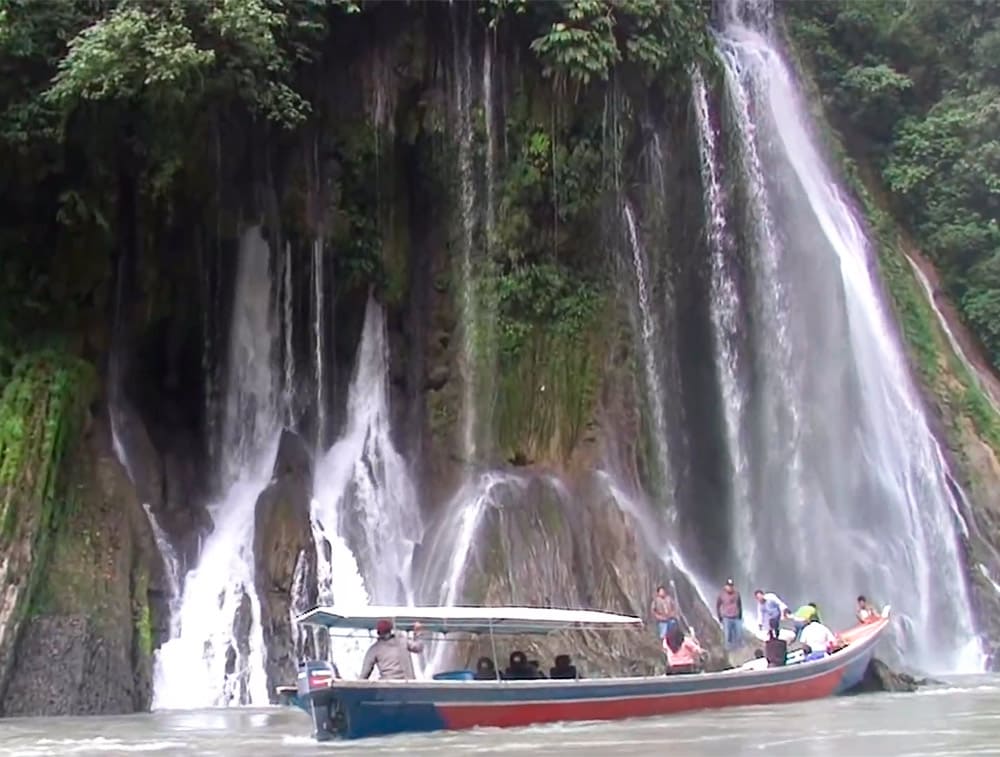
Nestled between the Kosñipata and San Pedro rivers, Paraíso Lodge offers six private rooms immersed in lush greenery. Its dining area overlooks the forest canopy, while gardens filled with hummingbirds create an ideal atmosphere for relaxation.   Sandoval lake  Trips

Cloud Forest Lodge – Nature & Waterfalls -Manu Lodges – Peru Amazon

Location: Near waterfalls and the Andean mountains
Ideal for: Explorers | Ecotourism | Nature photography – Nature photography

This intimate 16-bed lodge sits beside a stunning 400-foot waterfall. Each room includes a private terrace and hot-water bathroom. Guests also enjoy a natural sauna and sweeping views of the Union River.

Manu Lodges – Peru Amazon– A Birdwatchers’ Haven

Location: Atalaya, along the Madre de Dios River
Ideal for: Birdwatching | Tranquility | Family stays

Formerly a tea plantation, Amazonia Lodge has become one of the premier birding sites in South America, with over 600 recorded species. Its lush gardens attract photographers, nature enthusiasts, and ornithologists from around the world.

Manu Lodges – Peru Amazon  Pantiacolla Lodge – Between Mountains & Jungle

Location: Highlands of the Madre de Dios River
Ideal for: Adventurers | Hiking | Deep-jungle exploration

Set in the transition zone between the Andes and the lowland rainforest, Pantiacolla offers 14 double rooms, private trails, wildlife hides, and a remarkable diversity of bird species. Perfect for travelers seeking an immersive wilderness experience.Manu Short Trips

Manu Learning Center (MLC) in Manu Lodges – Peru Amazon

Location: Along the Madre de Dios River
Ideal for: Researchers | Volunteers | Environmental education

A hub for ecological study and community engagement, MLC is well-known for its macaw and raptor clay licks. Visitors may encounter the rare blue-headed macaw and large herds of peccaries while learning about conservation efforts.

Lakeside Escape -Manu Lodges – Peru Amazon

Location: On an oxbow lake along the Manu River
Ideal for: Groups | Wildlife lovers | Long stays

Built with recycled mahogany, this spacious lodge hosts up to 44 guests. Its lakefront rooms offer balconies with prime wildlife-viewing opportunities from dawn to dusk.

Romero Rainforest Lodge – Boutique Adventure

Location: Near Boca Manu and oxbow lakes
Ideal for: Comfortable stays | Birdwatchers | Jungle hikes

A boutique option featuring 10 rooms and private trails, Romero Lodge offers the chance to spot rare species like the black-faced cotinga. It is regarded as one of the finest wildlife-viewing lodges in the region.

Casa Matsiguenka – Cultural Experience -Manu Lodges – Peru Amazon

Location: Manu National Park, Cocha Salvador Lake
Ideal for: Cultural immersion | Authentic adventure | Mindful travelers

Run entirely by the Matsiguenka Indigenous community, this lodge features ten cozy bungalows and provides visitors with meaningful access to local traditions, wildlife-rich lakes, and pristine rainforest.

Manu Wildlife Center – Unlimited Biodiversity -Manu Lodges – Peru Amazon

Location: Lowland rainforest of Manu
Ideal for: Wildlife observation | Clay licks | Photography – Amazon Macaw Clay Lick .

One of the most wildlife-intense lodges in the Amazon, it includes 22 private bungalows, access to macaw clay licks, lakes, a canopy tower, and more than 550 bird species.

Why Choose an Amazon Lodge in Peru?

  • Set in one of the most biodiverse places on Earth
  • Eco-friendly comfort with minimal environmental impact
  • Opportunities to observe rare birds, mammals, and plants
  • Ideal for research, education, and sustainable travel
  • A transformative way to experience the Peruvian Amazon