Special tour for those who love Manu birds Watching, Peru is one of the second countries
with the greatest diversity of bird species, because they have very varied
climates and low, high jungles, cloud forests, tropical, pumas, because new species were registered there.
is recognized as one of the foremost bird watching destinations in the world.
In this lush paradise, bird watchers have the opportunity to spot an
astonishing diversity of species, many of which are endemic and found nowhere else on the planet. From majestic macaws and colorful toucans to
tiny hummingbirds and cotingas, the variety of birds that inhabit Manu is simply dazzling.
The importance of conservation is also highlighted in “Manu Birds Peru”. The article highlights the need to protect the fragile ecosystems of the
Amazon rainforest to guarantee the survival of these species and maintain
the natural wealth of the region.
For bird lovers, “Manu Birds Peru” represents a unique opportunity to
immerse yourself in the beauty of the Amazon jungle and appreciate the
wonderful diversity of birds that make this place an unforgettable and
essential destination for bird watchers from all over the world.
The Birdwatching Manu Cloud Forest 3 day Explore the remarkable bird diversity of Peru’s eastern Andes on a 3-day Manu Cloud Forest Birding Tour from Cusco. Following the scenic Manu Road, this compact birding itinerary travels from the high-Andean wetlands around Huacarpay Lake into the lush upper cloud forests of the Wayqecha area, where dramatic changes in elevation create a rich variety of habitats and birdlife. PERU BIRD
The journey combines roadside stops, forest trails, and canopy-level birding, giving participants opportunities to explore different layers of the montane ecosystem. Along the route, birders can search for high-Andean species, hummingbirds, tanagers, trogons, quetzals, flycatchers, and other cloud-forest birds, with mixed-species flocks providing some of the most productive birding encounters.
A major highlight is the opportunity to visit an Andean Cock-of-the-Rock lek. With favorable conditions, visitors may observe males gathering at a traditional display site and performing their distinctive courtship behavior—a memorable experience for anyone interested in Andean wildlife.
Birding continues through moss-covered cloud forest, forest edges, and canopy habitats. A canopy walkway provides a different perspective on the forest and can be especially useful for locating birds that spend much of their time above the understory. An optional night walk may also be arranged for those interested in searching for owls, nightjars, and other nocturnal species.
Designed for travelers who want to experience the Manu Road and Peru’s cloud forests without committing to a longer Amazon expedition, this itinerary combines intensive birding with spectacular mountain scenery and comfortable lodge-based accommodation. It is suitable for both visitors experiencing the Manu region for the first time and experienced birders looking to explore the productive elevational gradient between Cusco and the upper cloud forest. MANU RESERVED
Depending on weather, season, bird activity, and time spent at different habitats, the itinerary can produce an estimated 120–160 species. The exact bird list will vary from trip to trip, but the combination of highland wetlands, montane forest, and cloud-forest habitats offers excellent potential for a diverse selection of Andean birds. TOUR TAMBOPATA MACAW CLAY LICK
Discover the spectacular Manu Road, the Kosñipata Valley, and the famous Andean Cock-of-the-Rock on a three-day journey from Cusco into one of Peru’s richest cloud forest ecosystems.
Leaving the highlands of Cusco behind, this unforgettable journey follows the dramatic road from the Andes toward the Amazon basin. Along the way, the landscape changes remarkably—from high-altitude wetlands and Andean grasslands to misty cloud forest filled with orchids, bromeliads, giant ferns, hummingbirds, toucans, tanagers, monkeys, and countless other species.
The highlight is a stay at Cock-of-the-Rock Lodge, a nature lodge in the Kosñipata Valley surrounded by the Bosque Nublado conservation area. Located at approximately 1,600 meters (5,250 feet) above sea level and about 165 kilometers (102 miles) from Cusco, the lodge provides an excellent base for exploring the cloud forest and searching for Peru’s spectacular national bird, the Andean Cock-of-the-Rock (Rupicola peruvianus). The journey from Cusco takes approximately eight hours, depending on road conditions, wildlife stops, and sightseeing along the route.
Depart early from Cusco and travel toward Huacarpay Lake, an important high-Andean wetland and a productive location for birdwatching. The lake and surrounding reedbeds provide opportunities to look for waterbirds and other species adapted to the elevations around Cusco.
After birding at Huacarpay, continue toward Paucartambo and ascend to Acjanaco Pass, reaching approximately 3,550 meters (11,650 feet). This spectacular mountain pass marks the transition toward the Manu region and provides an excellent opportunity to observe high-elevation species.
From Acjanaco, begin the descent into the Manu Cloud Forest along the famous Manu Road. The rapid change in altitude brings new habitats and bird species, so we make regular stops along forest edges, roadside vegetation, and other productive birding locations.
Arrive at Wayqecha Biological Station in the afternoon. Depending on conditions and arrival time, enjoy an introductory birding walk along the station’s forest trails, looking especially for mixed-species flocks and active understory birds.
Possible bird sightings: Andean Goose, Plumbeous Rail, Golden-headed Quetzal, Blue-banded Toucanet, mountain tanagers, hummingbirds, flycatchers, and other high-Andean species.
Meals: Breakfast, Lunch, Dinner
Overnight: Wayqecha Biological Station
Begin before breakfast or at first light, when bird activity is typically at its highest. Spend the morning exploring the trails around Wayqecha Biological Station, birding across different elevations and forest habitats.
The cloud forest supports a remarkable variety of birds, and mixed-species flocks can provide some of the most productive encounters of the day. Keep an eye out for colorful tanagers, hummingbirds, fruiteaters, toucanets, flycatchers, and other forest specialists.
Later, explore the canopy walkway, which provides a different perspective of the cloud forest and can bring you closer to birds moving through the upper levels of the vegetation.
One of the highlights of the day is a visit to an Andean Cock-of-the-Rock lek. Here, with patience and the guidance of your birding leader, you may observe displaying males gathering at a traditional courtship site. Their brilliant orange plumage and energetic displays make this one of the most memorable birding experiences in the Manu region.
Continue birding through the afternoon in suitable forest habitats. If conditions and logistics permit, an optional evening or night walk can be arranged to search for nocturnal wildlife and owls.
Possible bird sightings: Andean Cock-of-the-Rock, Scaled Fruiteater, Long-tailed Sylph, Collared Inca, tanagers, flycatchers, cloud forest owls, toucanets, and other Manu cloud forest species.
Meals: Breakfast, Lunch, Dinner
Overnight: Wayqecha Biological Station
Take advantage of the early morning activity with a final birding session around Wayqecha. This is an excellent opportunity to target species missed during the previous days and enjoy the forest before beginning the return journey.
After breakfast, start the drive back toward Cusco along the Manu Road, making strategic birding stops as the route passes through different elevations and habitats. The changing vegetation provides opportunities for additional hummingbirds, tanagers, flycatchers, raptors, and other Andean species.
Continue through the highlands toward Cusco, arriving in the city in the late afternoon.
Possible bird sightings: High-elevation hummingbirds, trogons, tanagers, flycatchers, Andean raptors, and other species associated with the Manu Road’s changing elevations.
Meals: Breakfast, Lunch
End of Tour: Cusco
Expect:
Birding Adventure in the Manu Biosphere Reserve -Jungle Trips Bird Watching -Just three and a half hours northeast of Cusco, a stunning drive through the snow-covered Andes brings travelers to Wayqecha Cloud Forest Biological Station, one of the top places on earth to experience Peru’s cloud forest. Perched at the point where the eastern Andes drop toward the Amazon Basin, this research haven sits in a landscape that catches moisture from drifting clouds. As a result, the forest is frequently wrapped in cool mist. Photography Amazon Sandoval Reserved
This constant humidity fuels extraordinary plant growth—from moss-covered trees to orchids and bromeliads—which creates ideal habitat for wildlife. Because of this rich vegetation, the region hosts an impressive range of birds, amphibians, and mammals. With its dramatic scenery, thriving biodiversity, and proximity to Manu National Park, Wayqecha offers an unmatched window into the cloud forest ecosystem.
Prepare for an exciting start to your birdwatching adventure as we depart early from Cusco. Our journey will take us through picturesque Andean valleys and high mountain passes, offering opportunities to spot rare and endemic bird species. Our first birding stop targets two elusive species: the Creamy-crested Spinetail and the Chestnut-breasted Mountain-Finch. Keep your eyes peeled for other fascinating species such as the Cinereous Conebill, Golden-billed Saltator, and Peruvian Sierra-Finch.
As we ascend to Acjanaco Pass, the gateway to Manu, the landscape dramatically changes.
The journey from the Andean highlands into the cloud forest zone brings a fresh set of bird species. Look out for high-altitude birds like the Mountain Caracara, Shining Sunbeam, and Puna Thistletail. Once we enter the lush cloud forests, we’ll track the majestic White-throated Hawk and the graceful Swallow-tailed Nightjar as evening falls. Tonight, we will stay at the Wayqecha Biological Station, nestled in the heart of the Manu Cloud Forest. (Lunch and Dinner included)
Today, we’ll explore the lush cloud forests near Cock of the Rock Lodge. We’ll target elusive species like the Crimson-mantled Woodpecker and Blue-banded Toucanet, while also enjoying the dazzling hummingbirds, including Gould’s Inca and Violet-throated Starfrontlet. As we hike through the forest, we may encounter vibrant tanagers such as the Golden-collared and Blue-and-black Tanagers.
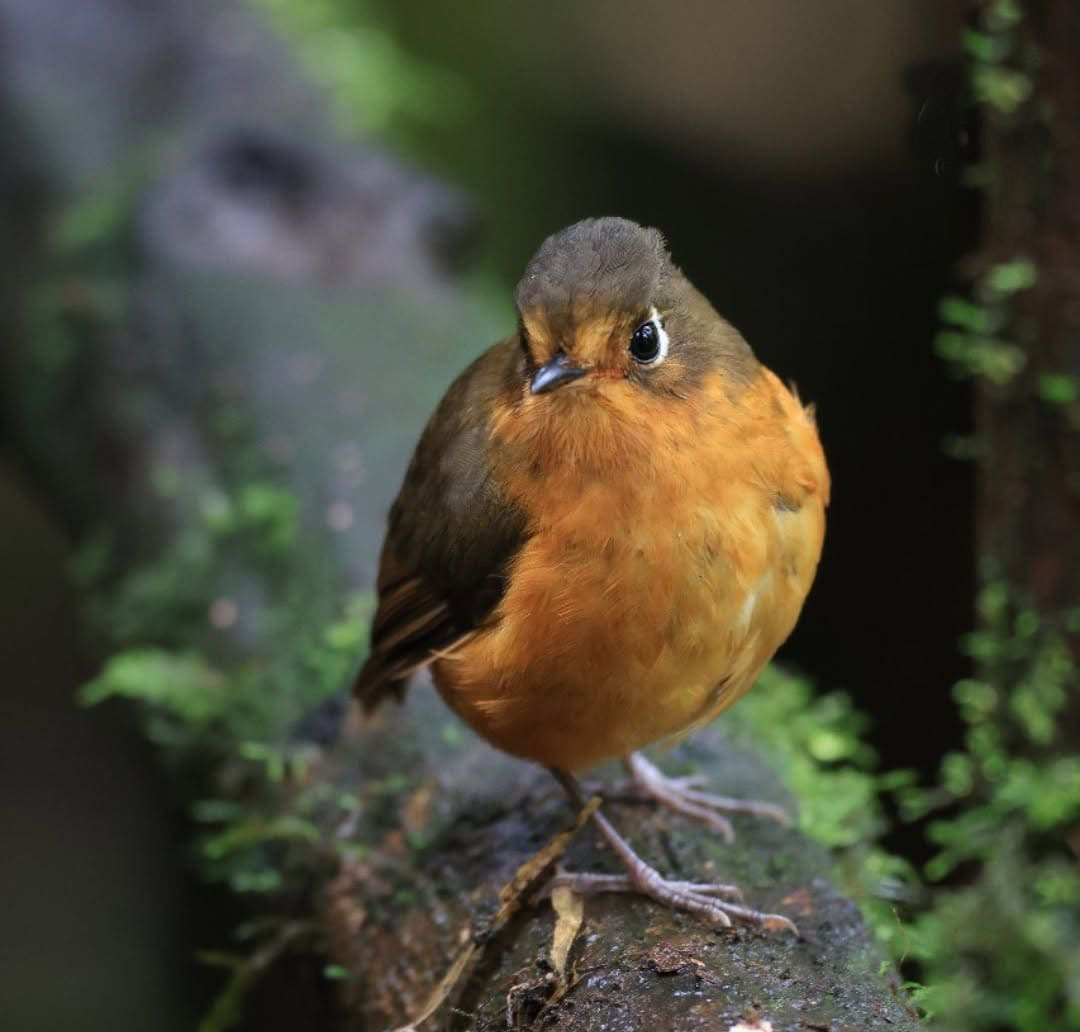
Our birding continues as we search for the endemic Red-and-white Antpitta, the rare Andean Guan, and a variety of flycatchers, wrens, and warblers. Keep your camera ready for opportunities to capture species like the Black-capped Hemispingus, Spectacled Redstart, and Band-tailed Fruiteater. Raptors are also on our radar, with possible sightings of the Andean Pygmy-Owl and the striking Black-and-chestnut Eagle soaring above. We will end the day at the comfortable Cock of the Rock Lodge, where we’ll reflect on the incredible birds we’ve encountered. (Breakfast, Lunch, and Dinner included) Tour macaw Clay Lick
On this exciting morning, we’ll visit a lek of the iconic Andean Cock-of-the-Rock, where we’ll witness their captivating displays and unique behaviors. Afterward, we’ll continue exploring the subtropical and lower temperate zones of the Manu Tour Birding , home to an amazing variety of species.
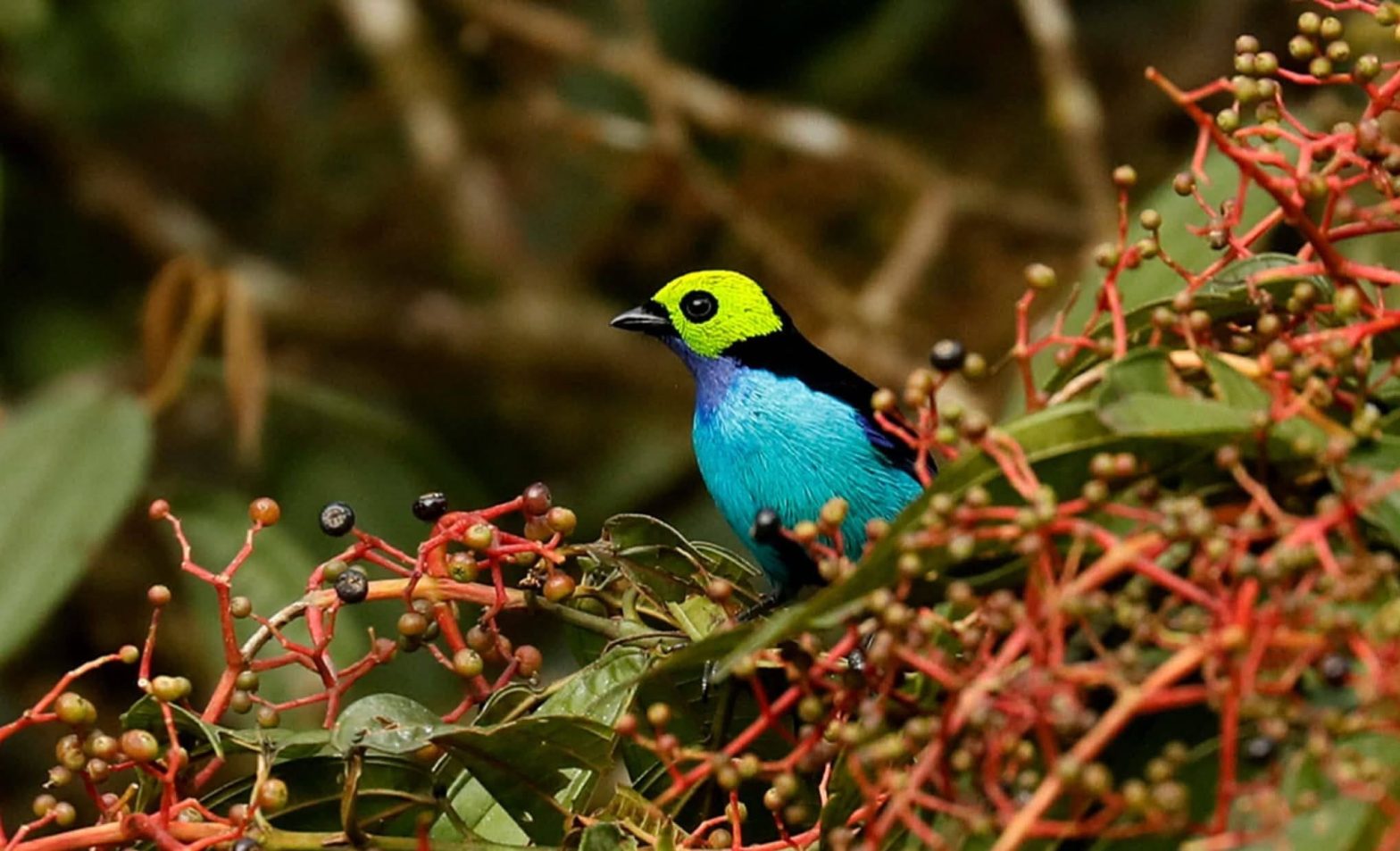
Look out for the dazzling Golden-headed Quetzal, Black-billed Treehunter, and the stunning Saffron-crowned Tanager. Raptors such as the Solitary Eagle may soar above, while you could also spot species like the Masked Trogon and the Amazonian Umbrellabird. Hummingbird enthusiasts will delight in sightings of the Booted Rackettail and Long-tailed Sylph. As evening falls, we’ll embark on nocturnal birding, hoping to spot the Rufescent Screech-Owl and Lyre-tailed Nightjar. We will end the day at the comfortable stay at Paradise Lodge. (Breakfast, Lunch, and Dinner included) Manu Birding Cloud Forest List
On our final day, we’ll maximize our time in the cloud forest, adding any final species to our birding checklist. After our morning birding session, we’ll begin our journey back to Cusco, with more chances to spot birds along the way and reflect on our unforgettable experiences.
We’ll arrive in Cusco in the late afternoon, filled with memories of the incredible biodiversity and stunning bird species we encountered during our adventure. (Breakfast included)
Rare and Endemic Species: Spot bird species found only in the Manu Biosphere Reserve.
Spectacular Scenery: From the high Andes to the lush cloud forests, this region offers some of the most beautiful landscapes for birdwatchers.
Expert Guides: Knowledgeable and passionate birding guides will ensure you don’t miss any of the amazing wildlife.
Comfortable Lodging: Enjoy comfortable accommodations in the heart of the cloud forests, perfect for resting after a day of birding.
Photography Opportunities: Capture unforgettable moments with your camera in one of the most biodiverse places on earth.
Rainforest bird – For nature lovers and birdwatching enthusiasts, there is no better destination than the Birds of Manu in Peru. This 6-day birding tour provides an immersive experience in one of the most biodiverse regions on Earth, allowing you to observe a remarkable range of endemic, non-native, and tropical bird species. Throughout this unforgettable adventure, you will explore various bird habitats, witness these birds in their natural environments, and dive into the fascinating world of ornithology Amazon Birding .
Arrival in Cusco :Upon arrival, you’ll be greeted and transferred to a local restaurant for breakfast. Afterward, the receptionist will introduce you to your birdwatching guide, who will accompany you throughout the trip.
Morning Birdwatching at Laguna Huacarpay :After breakfast, you’ll travel to Laguna Huacarpay, a key birdwatching spot. Here, you’ll observe important species such as the Bearded Mountaineer, Rusty-fronted Canastero, Plumbeous Rail, and Streak-fronted Thornbird, among others.
Visit to Mahuallani :Next, you’ll head toward Mahuallani for a scenic drive through the mountains, with a box lunch en route. At an elevation of 4,200 meters (13,780 feet), you’ll spot birds such as the Cinereous Ground Tyrant, White-fronted Ground Tyrant, White-winged Diuca Finch, Black-chested Buzzard Eagle, and American Crested-tyrant, among others. In the evening, you will check into the Hotel Samana Wasi and enjoy dinner. Your first night will be spent in Mahuallani.
Morning Departure and Birdwatching : After an early breakfast, you’ll begin the day with birdwatching along the route to Quince Mil. Look for species like the Andean Snipe, Puna Snipe, Bare-faced Ground Dove, Black-winged Ground Dove, Andean Condor, Puna Tinamou, Andean Goose, and Streak-throated Canastero, to name a few.
Continued Birding and Lunch :Along the way, enjoy more birdwatching opportunities with a box lunch on route. As you reach Quince Mil, you’ll encounter beautiful species like the Saffron-crowned Tanager, Cream-crested Spinetail, Flame-faced Tanager, Golden Tanager, Scarlet-bellied Mountain Tanager, Hooded Mountain Tanager, and more. The day will end with dinner at a local restaurant and overnight accommodation at the hotel in Quince Mil.
Early Morning Birdwatching : After breakfast, you’ll head back to Marcapata, where you’ll have the chance to spot species you might have missed on previous days, including the Marcapata Spinetail, Rusty-yellow Tanager, Golden-collared Tanager, and White-crowned Tapaculo.
More Birdwatching En Route to Punte Inanbari :After lunch at the hotel, continue birdwatching along the route to Punte Inanbari, where you may see birds such as the Rufous-crested Coquette, Violet-headed Hummingbird, Fork-tailed Woodnymph, Crested Oropendola, Chestnut-backed Antshrike, Streak-chested Antwren, and many others. At the end of the day, return to Quince Mil for dinner and your overnight stay.
Journey to Puerto Maldonado :After breakfast, you’ll travel to Puerto Maldonado, with multiple stops for birdwatching. Look out for species such as the Red-bellied Macaw, Cabanis’s Spinetail, Dwarf-breasted Spinetail, Spot-breasted Woodpecker, Rufous-breasted Piculus, Uniform Crake, Blackish Rail, and Blue-headed Macaw.
Arrival in Puerto Maldonado :En route to Puerto Maldonado, make a stop at Kilometer 14 to view the Point-tailed Palmcreeper, a fascinating species that thrives in the palm forests of the region.
Upon arrival in Puerto Maldonado, you’ll enjoy lunch at . Afterward, you’ll have free time to visit the local sights such as El Obelisk, Plaza de Armas, and the local zoo.
In the late afternoon, head to the Community Native de Infierno (about a 45-minute drive) and check in at the
Peruvian Lodge. Dinner will be served at the lodge. Afterward, venture out for a nighttime birdwatching excursion to
observe nocturnal species such as the Tropical Screech Owl and Great Potoo.
Morning Birdwatching at Peruvian Lodge : After breakfast, enjoy a full morning of birdwatching around the lodge, where you’ll have the chance to see species like the Band-tailed Manakin, Plain-winged Antshrike, Great
Antshrike, Lemon-throated Barbet, Gilded Barbet, Red-billed Pied Tanager, Masked Crimson Tanager, Yellow-
backed Tanager, and White-winged Shrike Tanager, among others.
Lunch and Afternoon Birdwatching :After a typical Peruvian lunch (El Juane), you’ll venture out for more
birdwatching in the afternoon. Look for elusive species like the Manu Antbird, Gray Antbird, Striated Antbird, Dot-
winged Antwren, Bamboo Antshrike, and others. Return to the lodge for dinner and overnight accommodation.
Morning Birdwatching and Departure : After breakfast, you’ll have a final opportunity to observe the
rainforest birds of Manu before heading back to Puerto Maldonado for your flight to Lima. After a brief stop at the
local airport, your birdwatching adventure concludes.
Final Thoughts.
Why Quincemil Rainforest Bird Expedition?
Quincemil stands as an undiscovered gem, offering a unique opportunity to witness a plethora of bird species in a
habitat that remains unspoiled and rich in biodiversity.
Trips Amazon Birdwatching Peru in Manu is a once-in-a-lifetime experience, offering an up-close view of the
incredible avian diversity found in the Peruvian Amazon. Manu National Park, a UNESCO World Heritage site, is
renowned for its rich ecosystem and is a top destination for birdwatchers around the world. This remote area is
home to hundreds of bird species, making every outing a thrilling discovery.
The Manu National Park, located in the heart of southern Peru, is one of the most biodiverse destinations on the planet.
Home to more than 1,000 bird species, this natural sanctuary combines the Andes, cloud forest, and Amazon rainforest in a single journey filled with life, color, and mystery.
The “Peru Bird – Manu Park 14-Day Tour” is designed for travelers passionate about nature and bird
photography. Over two unforgettable weeks, you will explore landscapes ranging from the high Andes of Cusco to
the lush Peruvian Amazon, discovering unique and endemic species found only in this part of the world.
Located in southeastern Peru, Manu National Park is considered one of the world’s premier birdwatching
destinations. Internationally known as “Peru Bird Manu Park,” this natural sanctuary shelters over 1,000 bird
species, including the Andean cock-of-the-rock, Peru’s national bird.
Thanks to its impressive altitudinal gradient—from the Andes (3,600 m / 11,800 ft) down to the lowland Amazon
rainforest (400 m / 1,300 ft)—Manu offers a unique variety of habitats, where it’s possible to admire an
unparalleled richness of birdlife.
Today we depart at 5:30 AM from the hotel heading towards Laguna Huacarpay, a beautiful lake located about 45 minutes from Cusco.
Here, we will spot the Bearded Mountaineer, an endemic hummingbird that is found only in this region of Peru.
Other bird species to look out for include the Plumbeous Rail, Cinnamon Teal, Puna Teal, Yellow-billed Pintail, White-tufted Grebe, Cinereous Harrier, and the Black-chested Buzzard Eagle, among others.
Thereafter a brief breakfast, we’ll continue birdwatching around the lake, then board the bus to Manu. Along the way, we’ll stop at several lakes to search for the Creamy-crested Spinetail, another endemic Amazon species, along
with other fascinating birds like the Black-faced Ibis. PERUBIRD
We will arrive at the Huayquecha Reach Station in the afternoon (approximately 4:30 PM). After settling in, we’ll search for the Swallow-tailed Nightjar before heading to bed.
Subsequently breakfast at 5:40 AM, we’ll head out to observe birds at an elevation of 3,600 meters (11,811 feet).
Species to look for include the Puna Thistletail, Rufous Antpitta, Puna Tapaculo, Great Sapphire-winged Hummingbird, Young’s Pygmy Owl, and the Buff-breasted Mountain Tanager, to name a few.
Next lunch at the lodge, we’ll rest briefly and then continue birdwatching, looking for species like the White-
winged Black Tyrant, Plushcap, Trilling Tapaculo, Crimson-mantled Woodpecker, and the Blue-capped Tanager. As the day draws to a close, we will search for the Swallow-tailed Nightjar before returning to the lodge for dinner.
Today we’ll head to Cock of the Rock Lodge. During our journey, we’ll observe a variety of bird species, including the Golden-collared Tanager, Scaled Metaltail, Mountain Casiqui, and the Barred Parakeet.
After lunch, we’ll have more birdwatching along the way, with opportunities to see the Blue-banded Toucanet,
Hooded Mountain Tanager, and the Golden-headed Quetzal. In the evening, we’ll return to the lodge where we’ll look for the Rufous-bellied Nighthawk before having dinner and resting for the night. SANDOVAL LAKE BIRDING
Today, we leave early to visit the Leck de Gallito, a known site for the Andean Cock-of-the-Rock. After observing these stunning birds, we’ll continue birdwatching in the afternoon, looking for species like the White-crowned Tapaculo, Yungas Manakin, and the Crested Quetzal.
Later, we’ll hike a trail to spot birds such as the Slaty Gnateater, Crimson-bellied Woodpecker, and the Amazonian
Umbrella Bird. We’ll also have the chance to see up to 13 species of hummingbirds, including the Booted Racket-tail, Violet-fronted Brilliant, and the Wire-crested Thorntail.
After a break for lunch, we’ll search for the Lyre-tailed Nightjar and the Rufescent Screech Owl before returning to the lodge for dinner.
Later breakfast, we’ll set out on the Amazon route, spotting birds such as the Ornate Flycatcher, Peruvian Piedtail, Black-backed Tody-Flycatcher, and Blue-headed Macaw. We’ll continue to Pilco Pata and Talaya, where we’ll have lunch and take a 20-minute boat ride.
At Amazonia Lodge, we will search for species such as the Rufous-crested Coquette, Violet-headed Hummingbird, and Golden-tailed Sapphire.
In the afternoon, we’ll hike to look for the Amazonian Antpitta, Great Tinamou, and the Chestnut-capped Puffbird. After dinner, we’ll go on a night hike to spot owls like the Tawny-bellied Screech Owl, Long-tailed Potoo, and Great Potoo.
Following breakfast, we’ll head out by boat for a 3-hour journey to Pantiacolla Lodge, where we’ll search for birds
like the Great Jacamar, Black-faced Antbird, and Blue-crowned Manakin. After lunch and a short rest, we’ll
explore the bamboo forests in search of the Peruvian Recurvebill, White-throated Jacamar, and the Goldi’s Antbird. After dinner, we’ll embark on another owl search.
We’ll start early today, walking the trails to observe birds such as the Royal Flycatcher, Purple-throated Fruitcrow,
and the Amazonian Barred Woodcreeper. After lunch, we’ll take another hike, keeping an eye out for the Pale-
winged Trumpeter, Ornate Hawk Eagle, and Black-and-white Hawk-eagle.
After dinner, we have the option to look for owls again. TOUR MACAW CLAY LICK
And then we will take a boat ride for about 4 hours to reach the Manu Amazon Lodge, where we will spend the next four days.
In the afternoon, we’ll search for birds like the Yellow-billed Nunbird, Chestnut-crowned Foliage Gleaner, and the White-chinned Sapphire. After dinner, we’ll look for owls like the Black-banded Owl and the Crested Owl.
We will have breakfast early before going out on the bamboo trail for about 50 minutes where we will view species
like the Rufous headed Woodpecker, Rufous Breasted Piculet, Red Billed Scythebill, Chestnut throated Spinetail,
Dusky Cheeked Foliage Gleaner, Brown Rumped Foliage Gleaner, Peruvian Recurvebill, White Cheeked Tody Tyrant, Flammulated Pygmy tyrant, Large Headed Flatbill, Dusky Tailed Flatbill, Rufous Capped Nunlet, Chestnut
Throated Spinetail, Bamboo Antshrike, Ihering´s Antwren, Dot Winged Antwren, Black Spoted Bare
Eye, Goeldi´s Antbird, Plumbeous Antbird, White Lined Antbird, Long crested Pygmy Tyrant, Pavonine Cuckoo, Rufous Vented Ground Cuckoo, and many more species Bird.
Red Billed Tanager, Masked Tanager, Plum Throated Cotinga, Spangled Cotinga, Purple Throated Fruitcrow,
pinkThroated Becard, Yellow Backed Tanager, Guira Tanager, Bare Necked Fruitcrow, Sirystes, Rufous Bellied
Euphonia, Dusky Capped Greenlet, Lemon Chested Greenlet, White Necked Puffbird, Pied Puffbird, Paradise
Jacamar, Black and White Hawk Eagle, Macaw , and parrot and more. Then we will head back to the lodge for sustinance and sweet dreams to see many Bird.
On this lovely morning we will leave early after breakfast at 4:30 am to head down the river to Puerto, then a short 15 minute walk to Macaw Clay Lick , Macaw green and Parrot where we wait for the variety of activities the parrots
engage in, parrots such as bird , Mealy Parrot, blue Headed Parrot, Yellow Crowned Parrot, and the Orange
cheeked Parrot is endemic bird,. After breakfast in los Macaw Red we will experience the majesty of the
Red and Green Macaw, Scarlet Macaw, Tui Parakeet, Cobalt Winged Parakeet, among others. We might possibly
have the chance to see the Harpy Eagle, Ornate Hawk Eagle, orange Headed Tanager, Spotted Tody Flycatcher, River Tyranulet, subtropical Doradito, and the Greater Ani. Then we head to Cocha Camungo by boat to a tower45
meters high to observe Bird : Guira Tanager, lemon Throated Barbet, Gilded Barbet, Long Billed Woodcreeper,
Orange Backed Troupial, Purple Throated Cotinga, Purus Jacamar, and Black eared Fairys.
Thenwe go for another boat trip for 20 minutes Cocha Blanco for lunch and to and there is an observation platform where we can view various species of the bird
as least Grebe, pied Billed Grebe, horned Screamer, Green Ibis, Agami Heron, Rufescent Tiger Heron, Limpkin,
Snail kite, Black Collared Hawk, Sungrebe, Muscovy Duck, Rufous sided Crake, Gray necked Wood rail, Wattle
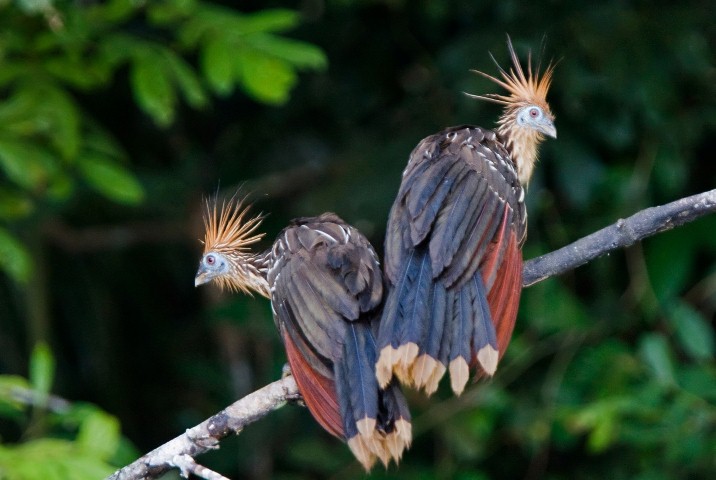
Jacana, Green King Fisher, Green and Rufous Kingfisher, Purus Jacamar, Hoatzin, Pale Eyed Black Bird, Band
Tailed Antbird, and silvered Antbirds. If we are lucky,
we might see Giant Otters or known as Lobos de Rio meaning wolves of the river we can find more bird. Finally,
we will make our way to the comfort of the lodge. Day
Today we will have breakfast at 5:00 am then we head out to the observation tower where we will observe many Bird:
Red Billed tanager, White Necked Puffbird, Chestnut winged Hookbill, yellow Backed Tanager, White
Throated Toucan, ChannelBilled Toucan, Curl Crested Aracari, Golden Collared toucanet, yvoryBilled Aracari,
Gilded Barbet, Paradise Jacamar,Pale Rumped Swift, Black Bellied Cuckoo.
Post we hike down the trail to see collared Puffbird, White Eyed Antwren, Great Jacamar, Collared Trogon, Pavonine Quetzal, cinereous Mourner, Razor Billed Curassow, Blue Crowned Mankin, Long winged Antwren,
Dwarf Tyrant Manakin, long Tailed Woodcreeper , Elegant Woodcreeper , Black Banded Woodcreeper , Round
Tailed Manakin , Band Tailed Manakin , Blue Back Manakin , Black Faced Antbird , Sooty Antbird , Fasciated Antshrike, Plain Winged Antshrike, Black Spotted Bare Eye,
We will return to the lodge to eat and rest until 2:00 pm then go to walking down the trail with the mind set to find bird: Harpy eagle, white Browed Hawk, Red Rumped Cacique, Bronsy Jacamar, Paradise Jacamar, Ruddy
Spinetail, Point Tailed Palmcreeper, Chestnut Capped Puffbird, Black Bellied Cuckoo, Scale Breasted Woodpecker,
Ringed Woodpecker, Red Necked Woodpecker, Great Potoo, Black tinamou, Ringed Antpipit, White Crested
Spadebill, Rufous Tailed Flatbill and others. We then return to the lodge for dinner and have the option to go out seeking owls.
This will be the last day in Manu Amazon lodge and we have the chance to see some birds that we have missed such as slender Billed Xenops, Rufous Tailed Xenops, Semicollared Puffbird ,amazon Curl crested Aracari,
Golden Green Woodpecker, Ringed Woodpecker, Cream colored woodpecker, Strong Billed Woodcreeper, Lineated Woodcreeper, Spot Backed Antbird, Rufous Capped Antthrush, Rusty Belted Tapaculo, White Browed
Purpletuft, point Tailed, great Jacamar, Collared Puffbird, Chestnut Capped Puffbird, Black tailed Leaftosser, cinereous Mourner, Winged Barred Manakin, Blue Manakin, Pavonine Quetzal, Musician Wren, and Red Billed
Tanagers. After lunch we will rest until 2 pm and go to Cocha Piñara to see Pale Eyed Black Birds, Rufous Sided
Crake, Varzea Chiffornis, Buff breasted Wren, Black billed Seed Finch, Chestnut Eared Aracari, Chestnut Fronted
Macaw, Spot Breated Woodpecker, Rusfescent Tiger Heron, Striated Heron, tui parakeet, Gray Necked Wood- Rail, Long Billed Woodcreeper and sometimes Giant Otters. Then we return for dinner and slumber.
We’ll travel by boat for about 2 hours to Colorado, where we’ll switch to a taxi and continue to Puerto Maldonado. We’ll make a few stops to see some final birds before reaching the hotel for rest.
On our final day, we’ll head out to observe Southern Caracaras, Red-breasted Blackbirds, Wattle Jacanas, and
more before visiting the city of Puerto Maldonado to shop for indigenous crafts. Afterward, we’ll take a flight from
Cusco to Lima, marking the end of this incredible birdwatching adventure.