Full 1
MANU TOURS
MANU TOUR ZONE RESERVED 4 DAYS
Full 1
previous arrow
next arrow
Shadow

Manu Petroglyphs Of Pusharo 6 days

Manu Petroglyphs Of Pusharo  Itinerary – 6 Days

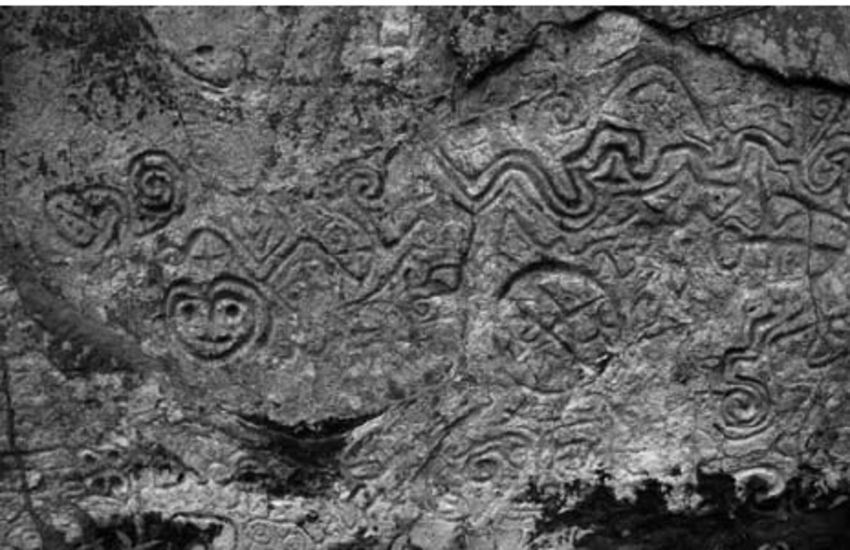
The  Manu Petroglyphs Of Pusharo – A Mysterious Pre-Columbian Rock Art Site in Peru : Located deep in the Peruvian Amazon, the Petroglyphs of Pusharo are among the most significant examples of pre-Columbian rock art in

South America. These enigmatic carvings, etched into massive stone surfaces, are believed to hold spiritual or

astronomical meanings. The site’s remote location and mysterious origin continue to intrigue archaeologists and explorers alike, making it a key attraction for cultural and adventure tourism in the region. Manu Jungle Trips

Day 1 Tour: Cusco to Cloud Forest – Manu Petroglyphs Of Pusharo

We depart from Cusco early in the morning in our comfortable bus, traveling through mountains, scenic valleys, and rural communities. En route, we visit the Ninamarca Chullpas (ancient tombs), a remnant of the pre-Inca Lupaca culture. We then ascend to the final mountain pass, Acjanaco, the gateway to Manu National Park.

From there, we descend into the mysterious cloud forest, home to an astonishing diversity of flora and fauna. You’ll see striking epiphytes, orchids, and bromeliads. In the afternoon, we walk through the forest to observe the national

bird of Peru—the vibrant Andean Cock-of-the-Rock—performing its fascinating mating dance. With luck, we may

also spot toucans, trogons, monkeys, quetzals, and the elusive spectacled bear (Tremarctos ornatus). We spend the night at our cozy forest lodge. Manu Jungle Trips

Day 2 Tour: Manu Petroglyphs Of Pusharo-   Atalaya – Villa Salvación –

We start the day early with the calls of Amazonian birds. There’s an exciting option to raft for 2 hours (Class II or III) along the Kcosñipata River, connecting to the renowned Madre de Dios River. Later, we hike through highland jungle and visit local farms cultivating coca, pineapples, and other tropical crops.

On the way to Atalaya, you’ll have opportunities to spot and photograph colorful birds and playful monkey families. After crossing the river, we continue to the town of Salvación. Manu Jungle Trips

In the afternoon, we explore the Machuwasi Lagoon for about 3 hours. Using our telescope, we’ll observe fascinating

bird species such as the hoatzin—an ancient-looking bird with unusual traits—along with hawks, herons, horned

screamers, capybaras (the world’s largest rodent), and possibly even a massive anaconda. We overnight at our comfortable Rainforest Expedition Lodge. Manu Jungle Trips

Day 3 Tour: Salvación Village – Puerto Santa Cruz –Manu Petroglyphs Of Pusharo .

After an early breakfast, we drive to Puerto Santa Cruz, a scenic two-hour journey. We check in at the Santa Cruz

ranger station to enter Manu National Park and visit the Pusharo region. From here, we continue by small wooden boat to the Palotoa campsite, after coordinating with and paying the entrance fee to the local indigenous community.

This day offers a chance to engage meaningfully with the region’s Indigenous cultures. The Manu rainforest is

home to various Indigenous groups, each with unique languages, agricultural techniques, traditional hunting and

fishing practices, spiritual beliefs, and medicinal knowledge—many of which have been passed down for generations.

The beautiful community of Palotoa Teparo, home to the Matsigenka people, now welcomes visitors as part of a community-based tourism initiative. Manu Jungle Trips

Day 4 Tour: Palotoa Teparo – Rainforest Expedition to the Petroglyphs

We begin our expedition early by boat, navigating a narrow, shallow river where we may need to push or walk

portions of the way. Our destination is Pongo de Meganto, a site rich with ancient rock carvings.

The Pusharo petroglyphs captivate both local and international researchers. This area is steeped in legend and is

believed to be connected to the mythical lost city of Paititi—sometimes referred to as El Dorado or the “Inca’s gold.”

To the people of Palotoa Teparo, Pusharo is part of their ancestral lands. Until recent decades, these rock carvings were visited during traditional hunting rituals in what is now protected as part of Manu National Park.  Manu Jungle Trips

Day 5 Tour: Petroglyph Jungle Expedition – Palotoa Lodge

After a hearty traditional breakfast, we begin our journey back, walking through pristine primary rainforest and

enjoying refreshing swims in natural jungle pools. We stop for lunch along the Palotoa River and take time to relax in this tranquil setting.

In the afternoon, we return to the lodge and enjoy one final opportunity to spot wildlife in their natural environment

—perhaps even caimans at the river’s edge. We spend our last night in the jungle at our comfortable lodge. Manu Jungle Trips

Day 6 Tour: Return from Palotoa Lodge to Cusco

After breakfast, we begin our return trip to Cusco, once again passing through the magical cloud forest. With stops along the way to observe birdlife, we arrive back in Cusco in the late afternoon.

Note: Pusharo National Park Expedition Manu Jungle Trips

The Pusharo Petroglyphs, located in the remote southeastern Amazon of Peru, are the largest known rock art site

within Manu National Park. Still largely unexplored and rarely visited, this area offers a rare combination of cultural

heritage and biodiversity, making it a highlight for adventurous travelers and researchers alike.
Palotoa Amazon Travel 6 days

Palotoa Amazon Travel: 6-Day Tour Itinerary

A Legacy Without Equal in Peru – Palotoa Amazon Travel

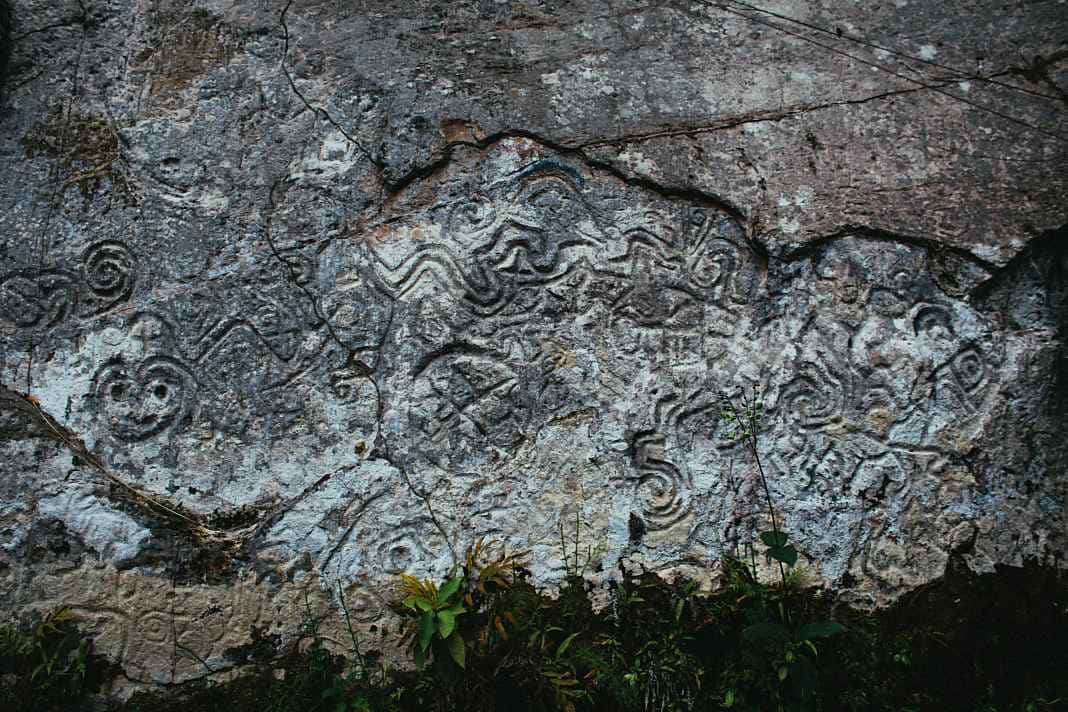
These petroglyphs have no known equivalent in any other region of the country. Their deeply engraved designs tell a story of a past we are yet to decipher. Are they an ancient map

A cosmic narrative carved by ancestral hands? The possibilities are as intriguing as the designs themselves.

Despite their relative anonymity among academic circles, the Pusharo petroglyphs stand out as a unique and essential piece of Peru’s vast cultural puzzle. Their intricate patterns and mysterious shapes invite experts and explorers alike to uncover their secrets.

An Unforgettable Journey into the Unknown
Visiting the Pusharo petroglyphs is more than an archaeological tour; it is a journey through time and jungle. This hidden paradise combines the mystery of ancient history with the majestic beauty of the Amazon. Moreover, its unexplored location provides an authentic experience for the most adventurous travelers

Day 1: Cusco to the Cloud Forest – Journey to Palotoa

Palotoa Amazon Travel -We depart early from Cusco in a comfortable bus, traveling through breathtaking mountain scenery, verdant valleys, and traditional rural communities. Along the way, we visit the Ninamarca Chulpas—ancient tombs of the pre-Inca Lupaca culture. As we ascend to Acjanaco, the gateway to Manu National Park, you’ll be captivated by the view.

Descending into the mystical cloud forest, a haven of biodiversity, we encounter epiphytes, orchids, bromeliads, and vibrant wildlife. A highlight is the iconic “Cock of the Rock,” Peru’s national bird, performing its remarkable mating ritual. With some luck, we may also spot toucans, quetzals, monkeys, or even the elusive spectacled bear. In the evening, rest comfortably in our cozy lodge.

Day 2:Palotoa Amazon Travel  – Atalaya to Palotoa – A Day of Adventure

Kick off the day with an optional rafting adventure (Level II or III) on the Kcosñipata River, heading toward the Madre de Dios River. After breakfast, we immerse ourselves in the Amazon jungle, exploring the vibrant agriculture of the region, such as coca and pineapple.

As we journey toward Atalaya, enjoy sightings of colorful birds and playful monkey families. Visit the tranquil Machuwasi Lake, where, aided by a telescope, you can observe fascinating birds like the hoatzin, herons, and horned screamer. We might even catch a glimpse of capybaras, and on rare occasions, a majestic anaconda. Unwind at night in our lodge.

Day 3: Palotoa Amazon Travel -Indigenous Community Immersion

We travel early to Puerto Santa Cruz and board a wooden boat to reach the Palotoa Teparo native community. This community, part of the Matsiguenka ethnic group, offers a profound cultural experience. Witness their unique traditions, languages, sustainable farming practices, and ancient rituals. Discover how they engage in local tourism and the market economy.

Day 4: Palotoa Amazon Travel – Expedition to Pusharo Petroglyphs

Embark on an exciting expedition to the Pusharo Petroglyphs, a site rich in ancient rock art. Navigate shallow rivers and trek to the Pongo de Meganto, home to captivating carvings of cultural and scientific significance. This site is connected to the legend of Paititi, the “Lost City of Gold.” The Matsiguenka community continues to hold Pusharo as sacred and integrates it into their rituals.

Day 5: Jungle Adventure and Relaxation

Start the day with breakfast before returning to the dense rainforest. Enjoy hikes, refreshing swims in natural pools, and opportunities to observe unique wildlife, including alligators. Savor your final evening in the jungle at our comfortable Palotoa Lodge.

Day 6: Return to Cusco

After breakfast, we embark on our return journey, passing through the cloud forest. The drive offers more chances to marvel at the vibrant birdlife and take in the region’s unparalleled natural beauty. Arrival in Cusco is expected late in the afternoon.

Note:
Pusharo Petroglyphs within Manu National Park are among the Amazon’s most intriguing archaeological sites. These rock carvings remain an enigma and a focal point for scientific exploration and indigenous cultural heritage.

What’s Included in the Expedition:

Transportation from Cusco to Manu and return
Accommodation in jungle lodges
Full meals throughout the expedition
Expert, bilingual guides (Spanish and English)
Activities such as rafting, hiking, wildlife watching, and visiting the petroglyphs
Entrance fees to national parks and native communities

Why Choose This Expedition Palotoa Amazon Travel ?

Unique Adventure: Experience an authentic exploration in the Manu jungle and discover the enigmatic Pusharo petroglyphs, a destination barely known to the general public.
Cultural Immersion: Get to know the life and customs of indigenous communities like the Matshiguenka and delve into their ancestral traditions.
Unmatched Biodiversity: Enjoy the incredible fauna and flora of the Manu National Park, home to unique species like the spectacled bear, the Andean cock-of-the-rock, and anacondas.
Expert Guides: Our guides will provide you with in-depth and detailed knowledge of the history, ecology, and culture of Manu, making your trip even more enriching.

What Are the Pusharo Petroglyphs?

Discover the mysterious Pusharo Petroglyphs in the heart of the Amazon.

The Pusharo Petroglyphs are a fascinating collection of rock carvings that have captured the attention of archaeologists and explorers for their enigmatic symbolism. These petroglyphs, located in the Peruvian jungle, offer a unique window into the ancient cultures of the Amazon region. But what exactly are these petroglyphs, and what secrets do they hold? Here’s everything you need to know.

What Are the Pusharo Petroglyphs  Palotoa Amazon Travel ?

The Pusharo Petroglyphs are a collection of rock carvings spread across three main areas. The first two sectors (A and B) extend along the right bank of the Palotoa River, while the third sector (C) is located on the opposite bank. These carvings, which date back to pre-Inca times, are considered a cultural treasure for humanity due to their complex symbolism, which has yet to be fully deciphered.

Location of the Pusharo Petroglyphs

The Pusharo Petroglyphs are located in Madre de Dios, southern Peru, within the Palotoa River basin and the Manu National Park. This area is known for its biodiversity and natural beauty, making it a place of high ecological and cultural value.

Discovered in 1921 by Dominican priest Vicente de Cenitagoya, the Pusharo Petroglyphs remain one of the most enigmatic archaeological wonders of the region. Access to this site is limited due to its remote location, which further adds to its mystery.

What Are Petroglyphs?

Petroglyphs are engravings or drawings made on rock surfaces, considered the earliest forms of visual communication in prehistoric cultures. These carvings were created using simple tools like chisels and hammers and depict geometric figures, animals, human figures, and spiritual symbols.

Often confused with pictographs (cave paintings), petroglyphs differ in that they are carved directly into the rock, whereas pictographs are painted onto surfaces. The Pusharo Petroglyphs stand out for their complex symbolism, which continues to be a mystery for researchers.

Why Are the Pusharo Petroglyphs Important?

The Pusharo Petroglyphs are not only an important artistic expression of ancient cultures, but they also offer a window into the spiritual and cultural thought of the people who inhabited the region. These carvings may have ceremonial significance, related to religious rituals or communication with the gods.

Current studies suggest that the Pusharo Petroglyphs could reflect ancient worldviews, where the figures and symbols represented concepts like the life cycle, nature, and cosmic forces.

How to Get to the Pusharo Petroglyphs?

While access to the Pusharo Petroglyphs is not easy, the most adventurous travelers can reach this cultural wonder from Puerto Maldonado, the nearest city. From there, travelers must navigate a series of difficult access roads, many of which are only passable in special vehicles and riverboats.

The journey to Pusharo is a unique experience, offering travelers full immersion in Amazonian biodiversity and the opportunity to explore one of the most remote and untouched areas of the Earth.

Conclusion: A Hidden Treasure in the Amazon Jungle

The Pusharo Petroglyphs are more than just rock carvings; they are a living testament to the ancient cultures of the Amazon region and a mystery that continues to captivate archaeologists, historians, and curious travelers. With their remote location and rich symbolism, these petroglyphs remain one of the most intriguing archaeological jewels of Peru and South America.

If you’re a lover of history, archaeology, or simply seeking a unique adventure in the heart of nature, you cannot miss the opportunity to discover the Pusharo Petroglyphs—an awe-inspiring place full of mystery and wonder.

Amazon Explorer – Pusharo Petroglyphs 5 days

5-Day Expedition to the Pusharo Petroglyphs from Cusco

  Amazon Explorer – Pusharo Petroglyphs : Embark on an extraordinary expedition from Cusco into the Peruvian Amazon and discover some of the most remarkable natural and cultural landscapes in southern Peru.

Over five days, we will travel across the Andes, cloud forest, and Amazon rainforest before reaching the Palotoa–Teparo Native Community, the cultural territory of the Matsigenka people. From

there, we will begin our expedition to the Pusharo Petroglyphs, one of the most enigmatic collections of rock art in this region.

The journey combines nature, wildlife observation, Amazonian river navigation, cultural experiences, and archaeological exploration, while always promoting respect for cultural heritage and local

communities.

Day 1: Cusco – Ninamarca – Paucartambo – Cloud Forest – Pilcopata

Our adventure begins at approximately 6:00 a.m. in the city of Cusco, traveling by private transportation toward the Amazonian slopes of the Andes.

Along the way, we will make our first stop to visit the pre-Hispanic funerary structures, or chullpas, of Ninamarca before continuing to the traditional town of Paucartambo.

After crossing this Andean region, we will ascend toward Acjanaco, one of the highest points on our route, at approximately 3,900 meters (12,795 feet) above sea level. From here, we will begin our

descent into the spectacular cloud forest.

This ecosystem is characterized by high humidity, abundant vegetation, and extraordinary floral diversity. During the journey, we may observe orchids, ferns, bromeliads, and other species typical of

this environment.

After lunch, we will continue with birdwatching and wildlife observation. Depending on the conditions and the luck of the day, we may encounter species such as trogons, quetzals, the Andean cock-

of-the-rock, Andean motmots, and different species of monkeys.

With some luck, we may also encounter one of the cloud forest’s emblematic species, the spectacled bear.

In the afternoon, we will arrive at our lodge, where we will have time to rest and enjoy the surrounding natural environment.

Overnight: Lodge in Pilcopata.

Day 2: Pilcopata – Atalaya – Machuhuasi Lake – Palotoa–Teparo

After breakfast, we will continue by road toward Atalaya, where we will leave our land transportation and continue the expedition by river.

During the journey, we will observe the gradual transformation of the landscape as we move from the cloud forest into the lowland Amazon rainforest.

From Atalaya, we will navigate the Alto Madre de Dios River toward our next exploration point. One of the main activities will be a visit to Machuhuasi Lake, where we will take a raft excursion to

observe the surrounding wildlife and vegetation.

This environment is ideal for birdwatching and observing other Amazonian wildlife. Species we may encounter include hoatzins, herons, toucans, caimans, and different species of monkeys.

After lunch, we will continue navigating toward the relevant checkpoint before entering the area of our expedition.

We will then board a local boat and continue along the Teparo River toward the Palotoa–Teparo Native Community, which is culturally connected to the Matsigenka people.

Our arrival at the community will allow us to experience a territory where nature, culture, and traditional activities maintain a close relationship.

At night, we will take a guided nocturnal walk through the rainforest, always accompanied by our guides and following the safety and conservation conditions established for the area.

Overnight: Palotoa–Teparo Native Community.

Day 3: Palotoa–Teparo – Expedition to the Pusharo Petroglyphs

This will be one of the most important days of our expedition.

We will start very early and continue along the Teparo River aboard a small boat. Due to the characteristics and water levels of the river, certain sections may require us to walk, help carry or move

the boat, or travel through shallow stretches.

Our journey will take us toward the area known as Pongo de Megantoni, in the surroundings where the Pusharo Petroglyphs are located.

Upon arrival, we will begin exploring the rock art site. The representations carved into the rock surfaces are among the most striking cultural features of this part of the Amazon.

Pusharo is also surrounded by stories, interpretations, and traditions that connect the site with ancient territories, sacred places, and Amazonian legends. Some popular narratives have associated

the area with Paititi or with the search for lost ancient cities. These references form part of the traditions and cultural imagination associated with the region and should not be confused with

conclusive archaeological evidence. Bird of Peru

For the Palotoa–Teparo Native Community, Pusharo also holds cultural significance connected to the territory of their ancestors and to knowledge passed down through generations.

During our visit, we will learn about the cultural importance of the site and the need to preserve the petroglyphs by avoiding any contact with, alteration of, or damage to the carved surfaces.

At the end of the day, we will set up our camp at an authorized location near the river.

Overnight: Jungle campsite.

Day 4: Pusharo Petroglyphs – Palotoa–Teparo

After breakfast, we will continue exploring the surroundings of Pusharo and its rock art.

Our guides will help us understand the characteristics of the landscape, its biodiversity, and the cultural context of the petroglyphs, distinguishing observable evidence from traditional interpretations and stories associated with the site.

The experience will also allow us to appreciate the primary rainforest and the diversity of species that inhabit this part of the Amazon.

We will then begin our return journey to the Palotoa–Teparo Native Community by boat.

Depending on river conditions and the safety regulations established for the expedition, we may participate in recreational activities such as wildlife observation, traditional fishing, or simply enjoy

selected areas along the river.

The day will end back at the community, where we will have time to rest and share our experiences from the expedition.

Overnight: Palotoa–Teparo Native Community.

Day 5: Palotoa–Teparo – Parrot Clay Lick – Atalaya – Cusco

We will wake up early to visit a parrot clay lick, where we will have the opportunity to observe different species of parrots and parakeets that gather at these sites to consume minerals found in the soil.

The activity will depend on natural conditions and the presence of birds at the time of the visit.

After breakfast, we will begin our return journey to Atalaya, where we will continue by road toward Cusco.

Along the way, we will make necessary stops to rest and, when conditions allow, observe the landscape and wildlife along the route.

We expect to arrive in the city of Cusco at approximately 7:00 p.m., although the schedule may vary depending on road conditions, weather, and the development of the activities.

This marks the end of our five-day expedition through the Andes and the Peruvian Amazon, an experience that combines nature, Matsigenka culture, wildlife observation, and exploration of the

Pusharo Petroglyphs.  MANU  NATIONAL PARK,