¿WHAT WE EXPECT?
The Manu Cultural Zone VS Reserved Zone Whats the Difference
Reserved Zone
Access: Restricted (permits + authorized guide required)
Experience: Deep, untouched rainforest
Activities: Advanced wildlife exploration, remote expeditions
Comfort: Rustic accommodations, minimal infrastructure
Best for: Nature enthusiasts, photographers, researchers
This zone offers a more pristine and immersive experience, with higher chances of spotting rare wildlife.



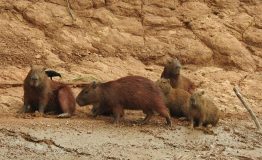
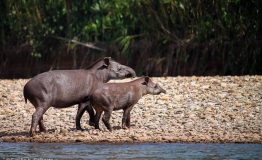
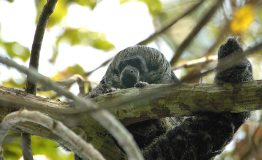
The Manu Cultural Zone VS Reserved Zone Whats the Difference
Key Difference (Simple)
Cultural Zone → Accessible, cultural, easier
Reserved Zone → Remote, protected, more wild
Which should you choose?
- Choose Cultural Zone if you want comfort + accessibility
- Choose Reserved Zone if you want a true expedition into untouched jungle
DETAILED TOUR ITINERARY:
The Manu Cultural Zone VS Reserved Zone Whats the Difference
The Manu Cultural Zone VS Reserved Zone Whats the Difference : is one of the world’s most extraordinary nature destinations. Located between the regions of Cusco and Madre de Dios, it protects more than 1.7 million hectares of tropical rainforest, home to thousands of plant and animal species, many of which are found only in the Peruvian Amazon. Manu Jungle Trips .
Recognized as both a UNESCO World Heritage Site and a Biosphere Reserve, this natural paradise offers unforgettable experiences for travelers, photographers, scientists, birdwatchers, and ecotourism enthusiasts.
Before planning your trip, it’s important to understand the difference between the Manu Cultural Zone and the Manu Reserved Zone, as each offers a completely different travel experience.
What Is the Difference Between the Manu Cultural Zone and the Manu Reserved Zone?
Although both areas are part of Manu National Park, they differ significantly in terms of accessibility, tourism activities, biodiversity, and conservation levels.
The Cultural Zone is designed for sustainable tourism and is accessible to visitors, while the Reserved Zone is the park’s most strictly protected area, where access is highly restricted in order to preserve its virtually untouched ecosystems. PERUVIAN AMAZON
The best choice depends on the type of adventure you’re looking for. Manu Jungle Trips .
Manu Cultural Zone: Nature, Culture, and Adventure
The Manu Cultural Zone serves as the gateway to Manu National Park and is the ideal option for travelers who want to experience the Peruvian Amazon without undertaking an extreme expedition.
Its relatively easy access allows visitors to enjoy cloud forests, tropical rainforest, rivers, wildlife, and local indigenous communities all within the same journey. Manu Jungle Trips .
During your trip, you can:
- Hike through cloud forests filled with orchids.
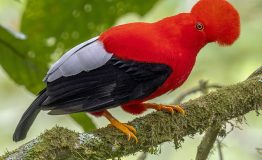
- Observe monkeys, toucans, the Andean cock-of-the-rock, and colorful butterflies.
- Navigate the Alto Madre de Dios River.
- Visit Amazonian communities.
- Learn about ancestral traditions.
- Stay in eco-lodges surrounded by pristine rainforest.
Thanks to this unique combination of nature and culture, the Cultural Zone is the preferred choice for families, couples, photographers, and first-time visitors to the Amazon.
Manu Reserved Zone: An Expedition into One of the World’s Most Pristine Rainforests
The Manu Reserved Zone protects the ecological core of Manu National Park.
Human presence here is minimal, allowing biodiversity to thrive at exceptional levels.
Access is strictly regulated through official permits and is only possible with authorized tour operators and specialized guides.
This conservation policy helps preserve some of the world’s best-protected tropical ecosystems.
Visitors experience:
- Untouched primary rainforest.
- Natural Amazonian oxbow lakes.
- Crystal-clear rivers.
- Rare wildlife rarely seen elsewhere.
- Remote environments with very little tourism.
Every expedition offers the feeling of exploring one of the last truly wild regions of the Amazon.
Extraordinary Biodiversity
One of the main reasons to visit Manu is its remarkable biological diversity.
The park protects approximately:
- More than 1,000 bird species.
- More than 220 mammal species.
- Hundreds of reptiles and amphibians.
- Thousands of plant species.
- An enormous diversity of insects.
Among the most sought-after wildlife are:
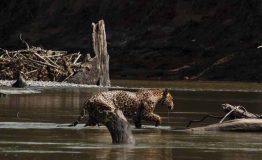
- Jaguar.
- Amazonian tapir.
- Giant river otter.
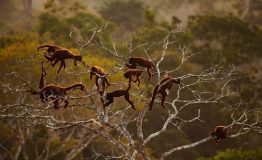
- Spider monkey.
- Woolly monkey.
- Scarlet macaws.
- Harpy eagle.
- Black caiman.
This extraordinary biodiversity makes Manu one of South America’s premier wildlife watching destinations.
Salvador Lake: One of the Highlights of the Reserved Zone
One of the most iconic locations within the park is Salvador Lake.
This vast Amazonian oxbow lake is home to giant river otters, black caimans, monkeys, turtles, and countless bird species.
Boat excursions allow visitors to quietly approach wildlife without disturbing their natural behavior, creating unforgettable experiences for birdwatchers and nature photographers alike. Manu Jungle Trips .
The Famous Macaw Clay Licks
The macaw clay licks are among Manu’s most spectacular natural attractions.
Every morning, dozens of macaws, parrots, and parakeets gather on clay cliffs to consume essential minerals that help neutralize toxins in their diet.
The vibrant colors of these birds against the lush green rainforest create one of the most photographed scenes in the Peruvian Amazon. Reserved Zone
Alto Madre de Dios River: The Gateway to the Rainforest
The Alto Madre de Dios River connects much of the route through Manu National Park.
River navigation offers opportunities to discover sandy beaches, flooded forests, hidden tributaries, and abundant wildlife living along the riverbanks. Manu Jungle Trips .
During the journey, it is common to spot:
- Herons.
- Kingfishers.
- Capybaras.
- Caimans.
- Monkeys.
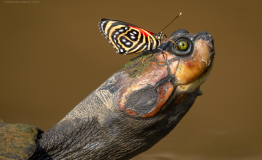
- River turtles.
River travel also provides a completely different perspective of the tropical rainforest.
Conservation: The Heart of Manu National Park
The Reserved Zone plays a vital role in protecting one of the planet’s most valuable ecosystems.
Strict access regulations help preserve:
- Primary rainforest.
- Critical wildlife habitats.
- Biological corridors.
- Endangered species.
- Natural ecological processes.
Thanks to these conservation efforts, Manu remains one of the best-preserved national parks in the Americas.
Responsible Tourism and Ecotourism
Visiting Manu means supporting conservation.
Authorized tour operators follow sustainable tourism practices that minimize environmental impact through small groups, controlled routes, environmental education, and strict wildlife observation guidelines. Manu Jungle Trips .
Visitors contribute directly to both park conservation and the economic development of local communities. TOUR SANDOVAL ALKE
Scientific Research
Manu National Park serves as a natural laboratory for researchers from around the world.
Biologists, botanists, ecologists, and conservationists conduct studies on:
- Climate change.
- Biodiversity.
- Tropical forests.
- Wildlife conservation.
- Ecological restoration.
Their research provides essential knowledge for protecting the Amazon and understanding tropical ecosystems worldwide.
The Ancestral Wisdom of Amazonian Indigenous Peoples
Traditional knowledge is one of Manu’s greatest treasures.
Indigenous communities have lived in harmony with the rainforest for centuries, possessing extensive knowledge of medicinal plants, wildlife behavior, and the natural cycles of the Amazon Manu Jungle Trips .
Their participation strengthens both sustainable tourism and long-term conservation initiatives.
Which Manu Zone Should You Choose?
- Choose the Manu Cultural Zone if you’re looking for:
- Easier access.
- Shorter tours.
- Cultural experiences.
- Greater comfort.
- Excellent wildlife viewing.
- Choose the Manu Reserved Zone if you want:
- Pristine rainforest.
- Greater biodiversity.
- Fewer tourists.
- Multi-day expeditions.
- Exclusive nature experiences.
Both options offer breathtaking scenery and the opportunity to explore one of the world’s most fascinating ecosystems.
Best Time to Visit Manu National Park
The dry season, from May to October, offers the best conditions for hiking, river navigation, and wildlife observation.
During the rainy season, from November to April, the rainforest becomes incredibly lush, rivers reach higher water levels, and the scenery is equally spectacular, although some routes may be more challenging.
Conclusion
Manu National Park is one of Earth’s greatest natural treasures. Both the Manu Cultural Zone and the Manu Reserved Zone offer extraordinary opportunities to experience the incredible biodiversity of the Peruvian Amazon from different perspectives. Manu Jungle Trips .
If you’re looking for a trip that combines nature, culture, accessibility, and comfort, the Manu Cultural Zone is an excellent choice. If you prefer a deeper expedition into one of the world’s last untouched rainforests, the Manu Reserved Zone offers an adventure unlike any other.
Whichever option you choose, visiting Manu means supporting the conservation of one of the planet’s most important ecosystems while enjoying a life-changing journey into the heart of the Peruvian Amazon. Manu Jungle Trips .
WHAT TOUR SERVICES:
WHAT TOUR SERVICES:
Ingrese el contenido de lista de servicios que no incluyen
ABOUT LODGE:
Tour Map:
Frequently asked questions (FAQs):
FAQs: Manu Cultural Zone vs. Reserved Zone – What’s the Difference?
1. What is Manu National Park?
To begin with, Manu National Park is one of the most biodiverse protected areas in the world. Located in the Peruvian Amazon, it covers over 17,000 km² and is divided into the Cultural Zone and the Reserved Zone.
2. What is the difference between the Manu Cultural Zone and the Reserved Zone?
In general, the Cultural Zone is more accessible and allows cultural interaction. In contrast, the Reserved Zone is strictly protected, offering a deeper and more untouched rainforest experience.
3. Which zone is better for first-time visitors?
For beginners, the Cultural Zone is the best option. This is because it offers easier access, shorter itineraries, and a comfortable introduction to the Amazon.
4. Do I need a permit to visit the Reserved Zone? The Manu Cultural Zone VS Reserved Zone Whats the Difference .
Yes, you do. In fact, access to the Reserved Zone requires special permits and authorized guides in order to protect its fragile ecosystems.
5. Can I visit indigenous communities in Manu?
Yes, but mainly in the Cultural Zone. There, travelers can interact with local communities and learn about traditions and daily life in the rainforest.
6. What wildlife can I see in Manu National Park?
You can observe incredible biodiversity. For example, species include jaguars, giant river otters, monkeys, macaws, and hundreds of bird species.
7. What is the best time to visit Manu?
Generally, the dry season (May to October) is best for hiking. However, the rainy season (November to April) is ideal for river navigation and accessing flooded areas.
8. How do I get to Manu National Park? The Manu Cultural Zone VS Reserved Zone Whats the Difference .
Typically, travelers depart from Cusco. From there, the journey combines road travel and river navigation into the rainforest.
9. Is the Reserved Zone worth the extra effort? The Manu Cultural Zone VS Reserved Zone Whats the Difference .
Absolutely. Although it requires more planning, it offers a pristine, quiet, and highly immersive Amazon experience.
10. What is Salvador Oxbow Lake?
It is one of the highlights of the Reserved Zone. Here, you can spot giant otters, black caimans, and a wide variety of birds in a peaceful setting.
11. Are there ecolodges in Manu?
Yes. In the Cultural Zone, ecolodges provide comfort with basic amenities. Meanwhile, in the Reserved Zone, accommodations are more rustic and focused on sustainability.
12. Is Manu safe for travelers? The Manu Cultural Zone VS Reserved Zone Whats the Difference .
Yes, it is safe when traveling with certified operators. Moreover, guides ensure both safety and environmental responsibility.
13. Why is Manu a UNESCO World Heritage Site?
Because of its exceptional biodiversity and ecological importance. In fact, it is also part of the Manu Biosphere Reserve.
14. What are macaw clay licks?
They are natural formations where parrots and macaws gather to eat mineral-rich clay. As a result, visitors can witness a colorful and unique wildlife spectacle.
15. How long should I stay in Manu?
Ideally, 3–5 days for the Cultural Zone. On the other hand, 6–8 days are recommended for a deeper Reserved Zone experience.
16. Can I visit Manu independently?
No. Due to regulations, all visitors must travel with authorized tour operators to ensure conservation and safety.
17. What type of traveler should choose the Reserved Zone?
The Reserved Zone is perfect for nature enthusiasts, photographers, and researchers. In particular, it suits those seeking remote and immersive experiences.
18. Which zone should I ultimately choose?
Ultimately, it depends on your travel style.
Cultural Zone → easier, cultural, and accessible
Reserved Zone → remote, exclusive, and deeply immersive
Therefore, both options offer unforgettable Amazon experiences.
PRICE FROM
S/. /pax
CODE: CUS-01
y
Places to visit:
Tour Group:
Tour Type:
Tour Physical Level:
1/5
PAYMENT ONLINE


Review The Manu Cultural Zone VS Reserved Zone Whats the Difference.