¿WHAT WE EXPECT?
Wildlife of Manu Park
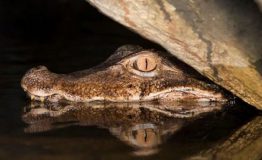
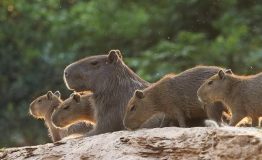
Discover Incredible Amazon Wildlife : One of the main reasons to visit Manu is its extraordinary wildlife diversity. The region’s forests, rivers and oxbow lakes provide habitats for many fascinating species, including colorful macaws, monkeys, giant otters, caimans and tapirs.
With an experienced local guide, you can learn to recognize animal calls, discover tracks along forest trails and observe the intricate relationships between plants and wildlife. Although sightings depend on natural conditions, every excursion offers an opportunity to learn something new about the Amazon ecosystem.
For nature lovers, exploring Manu is about more than spotting animals. It is about understanding the wild environment in which they live.
Experience the Journey from the Andes to the Amazon
Manu stands out because of its extraordinary range of landscapes. Depending on your itinerary, your journey may take you from the Andean highlands through mist-covered cloud forests and into the warm, tropical lowland rainforest.
Each ecosystem offers a different experience. Cloud forests are known for their lush vegetation, moss-covered trees and remarkable birdlife, while the lowland jungle features towering trees, winding rivers and an incredible variety of tropical species.
This transition between ecosystems makes a Manu Amazon expedition especially rewarding for travelers who want to explore more than one type of natural landscape during their trip.




Wildlife of Manu Park
Create Lasting Memories in the Peruvian Amazon : A journey through Manu can be rewarding in many ways. You might hear howler monkeys calling through the forest, watch macaws flying over the canopy, explore a quiet river by boat or discover the intricate details of tropical plants along a jungle trail.
Every experience reveals a different aspect of the rainforest and its remarkable ecological relationships.
At Manu Jungle Trips, your next Amazon adventure can begin with choosing an itinerary that matches your interests, available time and travel preferences. Whether you want to focus on wildlife observation, birdwatching, rainforest exploration or a combination of experiences, careful planning can help you make the most of your visit.
Are you ready to explore the Manu Biosphere Reserve? Discover our Manu jungle tour options and start planning your journey into the extraordinary natural world of the Peruvian Amazon.
Wildlife of Manu Park
Highlights of the Manu Biosphere Reserve
- Exceptional biodiversity: Discover one of the world’s most biologically diverse regions, home to an extraordinary variety of wildlife, plants and ecosystems.
- Spectacular landscapes: Journey from the Andean highlands and misty cloud forests to the lush tropical rainforest of the Peruvian Amazon.
- Incredible wildlife encounters: Look for jaguars, giant otters, monkeys, tapirs, caimans and other fascinating Amazonian species.
- Birdwatching paradise: Observe colorful macaws, toucans, parrots, hummingbirds and the iconic Andean cock-of-the-rock.
- Rich rainforest ecosystems: Explore ancient trees, orchids, bromeliads, rivers, wetlands and picturesque oxbow lakes.
- Authentic jungle adventures: Enjoy guided rainforest walks, boat excursions, wildlife observation and nature photography.
- Indigenous cultures and heritage: Learn about the traditions and ecological knowledge of Indigenous peoples and local communities, while respecting their rights and territories.
- UNESCO recognition: Explore a globally significant conservation landscape designated a UNESCO Biosphere Reserve in 1977, with Manu National Park recognized as a World Heritage Site in 1987.
- Best time to visit: May to October is generally the relatively drier season, although rainfall can occur throughout the year.
- Responsible ecotourism: Experience the Amazon through authorized tours that support conservation, respect wildlife and promote sustainable local livelihoods.
DETAILED TOUR ITINERARY:
Manu Biosphere Reserve: Discover the Wildlife, Rainforest and Culture of the Peruvian Amazon
The Wildlife of Manu Park is one of Peru’s most extraordinary natural destinations, offering an unforgettable journey from the Andes to the Amazon rainforest. Located in southeastern Peru, across the regions of Cusco and Madre de Dios, Manu is renowned for its remarkable biodiversity, spectacular landscapes and rich cultural heritage.
Recognized by UNESCO in 1977, the reserve protects an extraordinary range of environments, from high-altitude grasslands and mist-covered cloud forests to tropical lowland rainforest. These interconnected ecosystems support an exceptional variety of wildlife, including colorful macaws, monkeys, giant otters, caimans, tapirs and the elusive jaguar.
For travelers seeking an authentic Amazon adventure, Manu wildlife tours offer an opportunity to experience nature away from crowded destinations. Guided forest walks, river excursions, birdwatching and wildlife observation introduce visitors to the remarkable complexity of the Peruvian rainforest. Tambopata Research Center
Whether you are a nature enthusiast, photographer, birdwatcher or adventurous traveler, Manu offers an experience that combines discovery, conservation and respect for the natural world.
1. What Is the Manu Biosphere Reserve?
The Manu Biosphere Reserve is a protected natural and cultural landscape in southeastern Peru. It is part of the UNESCO Man and the Biosphere Programme, which promotes the conservation of biodiversity alongside sustainable relationships between people and their environment.
The reserve extends from the Andean highlands into the Amazon basin, creating a remarkable transition between different climates, elevations and habitats. This variation explains why Manu is considered one of the most biologically diverse regions in the world.
The wider biosphere reserve includes protected natural areas, surrounding landscapes and places where local communities live and work. Manu National Park forms its core conservation area and received UNESCO World Heritage recognition in 1987.
The distinction matters when planning a visit. The Manu Biosphere Reserve is the wider region, while Manu National Park is a specific protected area within it. Tourism access is regulated, and visitors must follow the rules that apply to their chosen destination. Amazon jungle of Peru.
For travelers, this means that a trip to Manu is not simply a conventional jungle excursion. It is an opportunity to explore a landscape where conservation, wildlife and human history are closely connected.
2. Wildlife of Manu Park : A Sanctuary of Amazon Wildlife
Manu National Park is the ecological heart of the region. Its protected forests, rivers, oxbow lakes and remote wilderness provide habitat for an extraordinary range of plants and animals.
The park extends across a vast area between Cusco and Madre de Dios. Its geographical diversity allows species adapted to different elevations and environmental conditions to thrive within the same protected landscape.
Visitors exploring authorized tourist sectors may encounter monkeys moving through the canopy, macaws gathering near clay licks, caimans resting along riverbanks and countless insects and birds inhabiting the forest.
Wildlife observation in Manu requires patience. Animals follow natural patterns, and sightings depend on weather, season, habitat and luck. A knowledgeable local guide can help visitors recognize animal calls, identify tracks and understand the ecological relationships that make the rainforest so fascinating.
Because access is controlled, travelers should choose an itinerary that matches their interests, available time and preferred level of comfort.
3. The Incredible Wildlife of Manu Park
One of the main reasons travelers visit the Manu Amazon rainforest is its exceptional variety of wildlife. The reserve contains habitats that support mammals, birds, reptiles, amphibians, fish and countless invertebrates.
Although no wildlife sighting can be guaranteed, exploring Manu with an experienced guide provides opportunities to learn about its best-known species.
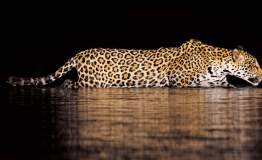
Jaguars: The Elusive King of the Amazon : The jaguar is one of South America’s most iconic predators. This powerful feline inhabits large areas of tropical forest and may travel along riverbanks and other natural corridors while searching for prey.
In Manu, jaguars remain elusive because they are naturally secretive and often avoid people. Travelers may occasionally spot one along a river or discover signs of its presence, but seeing a jaguar should never be considered guaranteed.
The possibility of encountering this remarkable animal adds excitement to wildlife expeditions and highlights the importance of preserving large, connected forest habitats.
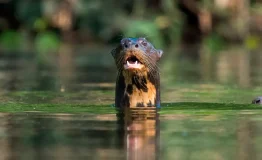
Giant Otters: Life on the Amazonian Lakes : Giant otters are among the most fascinating mammals of the Amazon. These social animals live in family groups and depend on healthy waterways with sufficient fish and suitable places to rest and raise their young.
Manu’s oxbow lakes, locally known as cochas, are important habitats for aquatic wildlife. Depending on the itinerary and current conditions, visitors may have opportunities to observe giant otters swimming, fishing or interacting with other members of their group.
Watching these animals in their natural environment offers a memorable introduction to the biodiversity of the Peruvian Amazon.
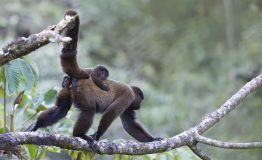
Monkeys: The Acrobats of the Rainforest : Manu’s forests are home to numerous primate species. Depending on the location, visitors may encounter capuchin monkeys, squirrel monkeys, howler monkeys and spider monkeys.
Some species travel through the treetops in active groups, while others spend more time feeding or resting among the branches. Their calls can often be heard before the animals become visible.
A guided jungle walk helps travelers recognize these sounds and understand the different roles monkeys play in the forest, particularly in seed dispersal and the regeneration of vegetation.
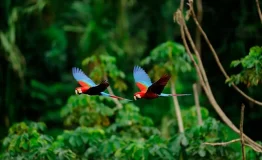
Macaws and Other Colorful Birds : Birdwatching is one of the most rewarding activities in Manu. The reserve is particularly famous for its colorful macaws, which may gather at mineral-rich clay licks.
These natural gathering places attract birds seeking minerals from exposed riverbank soils. Watching macaws arrive, interact and take flight provides excellent opportunities for nature photography.
Other notable birds include toucans, parrots, hummingbirds, kingfishers and the Andean cock-of-the-rock, which is associated with the region’s cloud forests.
With patience and binoculars, visitors can discover many species that might otherwise remain unnoticed in the dense vegetation. Rainforest Expeditions
Tapirs, Caimans and Other Rainforest Animals
The wildlife of Manu extends far beyond its most famous mammals and birds.
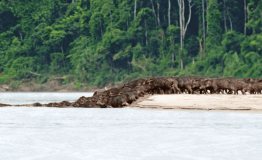
Tapirs forage on forest vegetation and help disperse seeds. Caimans inhabit rivers, lagoons and other aquatic environments. Frogs, lizards, snakes, butterflies and other invertebrates contribute to the intricate ecological balance of the rainforest.
Even a short walk can reveal fascinating details, from leaf-cutter ants transporting vegetation to brightly colored butterflies resting on muddy trails.
Every encounter offers a reminder that the rainforest is a complex living system, not simply a collection of large and easily photographed animals.
4. Manu’s Remarkable Ecosystems: From the Andes to the Wildlife of Manu Park .
The extraordinary biodiversity of the Manu Biosphere Reserve is closely related to its variation in altitude and climate. As the land descends from the Andes toward the Amazon basin, the environment changes dramatically.
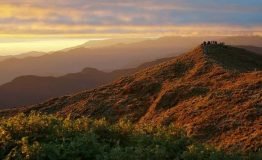
Andean Highlands and Mountain Landscapes : The higher elevations feature cool conditions, open grasslands and dramatic mountain scenery. These landscapes contrast sharply with the humid lowlands and support plants and animals adapted to colder temperatures.
The highlands also offer opportunities to appreciate the geographical scale of Manu and understand how water and climate connect the Andes with the Amazon.
Cloud Forests: A World of Mist and Greenery : Cloud forests occupy the transition between the mountains and tropical lowlands. Moist air, frequent mist and abundant rainfall create ideal conditions for mosses, ferns, bromeliads and orchids.
These forests are also important habitats for birds and mammals, including the Andean cock-of-the-rock and the spectacled bear.
Walking through a cloud forest feels different from exploring the lowland jungle. Trees are often covered with epiphytes, visibility may change quickly with the mist, and the sounds of birds and flowing water create a distinctive atmosphere.
Tropical Lowland Rainforest : The lowland rainforest is characterized by warm temperatures, high humidity, towering trees and dense vegetation. It supports a tremendous variety of wildlife and is one of the principal attractions for visitors interested in Amazon wildlife.
Forest trails, river excursions and observation points offer different ways to experience this environment.
The canopy, understory and forest floor each contain different communities of plants and animals, making the rainforest a fascinating destination for both casual travelers and serious naturalists.
Rivers, Oxbow Lakes and Wetlands : Rivers connect many of Manu’s habitats and provide important routes for wildlife movement and human travel. Oxbow lakes and wetlands support aquatic species, birds and mammals that depend on freshwater ecosystems.
Boat trips can reveal river turtles, waterbirds and caimans, while selected lakes may provide opportunities to observe giant otters.
These environments also demonstrate why clean water and intact riverbanks are essential for long-term conservation.
5. Flora of Wildlife of Manu Park : Ancient Trees and Extraordinary Plants
The plant life of Manu is just as impressive as its wildlife. The reserve contains an immense variety of trees, palms, vines, orchids, ferns and other vegetation, with different species adapted to each habitat.
Towering rainforest trees create a layered canopy that regulates light and temperature beneath it. Their trunks and branches provide shelter for insects, birds and mammals, while their roots help stabilize the soil.
Palm species thrive in suitable wetland and forest environments. Orchids and bromeliads grow in humid habitats, often using trees as support rather than drawing nutrients directly from them. Ferns, mosses and fungi flourish in shaded areas where moisture remains abundant.
Some plants provide fruits and seeds consumed by wildlife, while others contribute to soil fertility, water regulation and forest regeneration.
Learning about these relationships makes a guided jungle walk much more meaningful. Instead of seeing only a wall of green vegetation, visitors begin to understand how individual plants support the wider rainforest ecosystem. peru bird
6. Culture and Indigenous Communities in Wildlife of Manu Park.
The Manu Biosphere Reserve is also a living cultural landscape. Indigenous peoples and local communities have long-standing relationships with the forests, rivers and surrounding territories.
Communities associated with the wider region include Matsigenka, Yine, Harakbut and Quechua peoples. Their histories, languages, knowledge and livelihoods reflect the diversity of southeastern Peru.
Traditional ecological knowledge can offer valuable insights into local plants, seasonal changes, wildlife behavior and the practical use of forest resources. At the same time, each community has its own identity and relationship with its territory.
Travelers should approach cultural experiences with respect. Visits to communities should take place only where they are appropriate and authorized, and visitors should follow local guidance about photography, customs and participation in activities.
It is also important to recognize that some Indigenous peoples in the region live in voluntary isolation or have limited contact with outsiders. Their territories and right to remain undisturbed must be respected.
Responsible tourism should never involve attempting to locate isolated peoples or entering restricted areas. Instead, travelers can support appropriate community-led experiences and locally operated services where these are available.
7. What Can You Do on a Manu Jungle Tour?
A Manu jungle tour can combine wildlife observation, rainforest exploration, river travel and environmental education. Activities depend on the itinerary, the authorized area visited and the time available.
Guided Jungle Walks
Walking through the rainforest with a knowledgeable guide allows visitors to discover plants, insects, birds and animal signs that are easy to overlook.
Guides can explain how different species interact, identify medicinal plants where appropriate and interpret the sounds of the forest. Walking pace is generally adjusted to the conditions and the interests of the group.
Birdwatching and Wildlife Photography : Manu is an outstanding destination for birdwatchers and wildlife photographers. Early mornings are often productive for observing birds, although activity varies with weather and location.
Binoculars, a camera with a suitable zoom lens and patience can improve the experience. Visitors should avoid using playback calls or approaching nests in ways that could disturb wildlife.
Boat Excursions : River journeys provide access to landscapes that are difficult to reach on foot. During an excursion, visitors may observe waterbirds, turtles, caimans and other animals along the riverbanks.
The scenery itself is a major attraction, with forested shores, changing light and the sounds of the Amazon surrounding the boat.
Oxbow Lake Exploration : Selected oxbow lakes are important places for observing aquatic wildlife. Depending on the lake and conditions, visitors may have opportunities to see giant otters and a variety of birds.
Access and activities must follow local conservation regulations and the itinerary arranged by the operator.
Cloud Forest Exploration
Some Manu itineraries pass through the cloud forests along the route from the Andes toward the lowland rainforest. These areas offer a completely different perspective on the region’s biodiversity.
Travelers may look for orchids, hummingbirds and the Andean cock-of-the-rock while enjoying cooler temperatures and mist-covered vegetation.
8. When Is the Best Time to Visit Wildlife of Manu Park?
The best time to visit the Manu Biosphere Reserve depends on your priorities, travel route and tolerance for rain.
The relatively drier months, generally from May to October, are popular with travelers because reduced rainfall can make some outdoor activities and transport arrangements easier. However, conditions vary across the reserve, and rain can occur at any time of year.
Dry Season: May to October : The drier season is often a good choice for travelers planning jungle walks, birdwatching and boat excursions.
Potential advantages include fewer prolonged periods of heavy rainfall and more convenient conditions on some routes. June through August can be particularly popular, so booking early is advisable.
Remember that the dry season does not mean that the entire rainforest becomes dry. Manu remains a humid tropical destination, and weather conditions can change quickly.
Rainy Season: November to April : The wetter months bring frequent rainfall and lush vegetation. Rivers and forest conditions can change, and heavy rain may affect road journeys, boat schedules and some outdoor activities.
Nevertheless, the rainy season can also be appealing to travelers who enjoy a greener landscape and are comfortable with flexible plans.
Before choosing your travel dates, discuss current conditions, route accessibility and suitable clothing with your tour operator.
9. How to Get to the Manu Biosphere Reserve
Planning a trip to Manu requires more preparation than visiting many easily accessible Amazon destinations. Routes vary depending on the area you intend to explore.
Traveling from Cusco : Travelers starting in Cusco can journey through the Andean landscapes of Paucartambo and descend through the cloud forests toward the tropical lowlands.
Depending on the itinerary, the journey may include road transport, overnight stays and river travel. Travel times vary with road conditions, weather and the final destination.
This route is especially attractive to visitors who want to experience the transition from high-altitude scenery to the Amazon rainforest.
Traveling from Puerto Maldonado : Some itineraries approach Manu from the Madre de Dios region, with combinations of road and boat travel depending on the selected sector.
The most suitable route depends on the authorized access points, the lodge or accommodation arrangements and the duration of the trip.
Before booking, confirm transport inclusions, departure times, overnight arrangements and the return schedule.
Choose an Appropriate Itinerary : Manu is a large and ecologically diverse region. A short trip may focus on accessible areas and selected habitats, while a longer expedition can allow more time for lowland rainforest exploration.
Ask your operator which areas are included, what wildlife activities are realistic, how much time is spent traveling and whether permits and park-entry arrangements are covered.
10. Where to Stay During a Wildlife of Manu Park .
Accommodation options depend on the route and the protected area you plan to visit.
Travelers may stay in lodges, designated visitor facilities or accommodation in communities and surrounding areas, depending on the itinerary and applicable regulations.
Some jungle lodges emphasize wildlife observation and guided walks. Others focus on comfort, educational activities or access to particular habitats.
When comparing options, consider:
- Location and travel time to wildlife-viewing areas.
- Included meals, transport and guided excursions.
- Room facilities and access to electricity or charging points.
- Group size and the experience of the guides.
- Conservation practices and relationships with local communities.
- Whether the itinerary complies with the relevant protected-area regulations.
Manu National Park has strict conservation rules, so do not assume that accommodation or unrestricted tourism is available throughout the park. Confirm the exact location and authorized activities before booking.
11. Practical Tips for Planning Your Manu Amazon Adventure
A little preparation can make your experience more comfortable and enjoyable.
Pack suitable clothing. Lightweight, breathable, quick-drying clothes are useful in the humid lowlands. Bring long sleeves and long trousers for forest walks, along with a light rain jacket.
Choose suitable footwear. Comfortable walking shoes or hiking boots with good grip are useful on muddy and uneven trails.
Bring insect repellent and sun protection. A hat, sunscreen and suitable repellent can help you prepare for changing conditions.
Carry binoculars. These are especially valuable for birdwatching and observing animals without approaching them.
Protect your equipment. Waterproof bags or dry bags help protect cameras, phones and other valuables from rain and humidity.
Follow health advice. Consult a qualified healthcare professional or travel clinic well before departure about recommended vaccinations, malaria prevention and other health precautions relevant to your itinerary.
Plan for limited connectivity. Some remote areas have unreliable mobile coverage, so prepare important travel information in advance.
Stay flexible. Wildlife observation depends on natural conditions, and rain or transport changes can affect the schedule.
Choose an authorized operator. Verify that your tour provider meets the requirements for the protected area and route you intend to visit.
12. Responsible Tourism and Conservation in Wildlife of Manu Park .
The beauty of the Manu Biosphere Reserve depends on protecting its forests, rivers, wildlife and cultural heritage.
Responsible travelers can contribute by following park rules, respecting wildlife and supporting appropriate local services.
Stay on authorized trails, keep a safe distance from animals and never feed wildlife. Avoid loud noises, flash photography when inappropriate and any behavior that interferes with natural animal activity.
Carry reusable water bottles where practical, minimize disposable plastics and take all rubbish out of natural areas. Follow your guide’s instructions, especially near rivers, wildlife observation sites and restricted zones.
Respect Indigenous rights and community preferences. Ask permission before taking photographs of people, and never attempt to visit isolated communities or restricted territories.
Whenever possible, choose tourism providers that employ qualified local guides, explain their conservation practices and demonstrate respect for the places they visit.
Every responsible decision helps support the long-term protection of Manu’s natural and cultural heritage.
WHAT TOUR SERVICES:
Ingrese el contenido de lista de servicios que incluyen
WHAT TOUR SERVICES:
Ingrese el contenido de lista de servicios que no incluyen
ABOUT LODGE:
Tour Map:
Frequently asked questions (FAQs):
Frequently Asked Questions About the Manu Biosphere Reserve
What is the Manu Biosphere Reserve famous for?
Manu is famous for its exceptional biodiversity, extensive rainforest, cloud forests, rivers, oxbow lakes and rich cultural heritage. It is one of Peru’s leading destinations for wildlife observation and nature-based travel.
Is Manu National Park the same as the Manu Biosphere Reserve?
No. The biosphere reserve covers a wider landscape that includes Manu National Park and surrounding areas. National park access is regulated, and visitors must follow the rules for the specific sector they intend to visit.
What animals can you see in Manu?
Depending on the location and conditions, wildlife may include jaguars, giant otters, monkeys, tapirs, caimans, macaws, toucans and many other birds, reptiles and insects. Sightings are never guaranteed.
What is the best month to visit Manu?
May through October is generally a popular period because rainfall is often lower. However, weather varies across the region, and the best month depends on your route, interests and current conditions.
How many days do you need for a Manu jungle tour?
The ideal duration depends on the sector visited and the activities included. Shorter trips can explore accessible areas, while longer itineraries allow more time for remote rainforest environments and wildlife observation. Ask your operator for a detailed day-by-day schedule before booking.
Is Manu suitable for first-time Amazon travelers?
Yes, provided you select an itinerary that matches your comfort level, physical abilities and travel expectations. A guided trip helps visitors understand the environment and follow the necessary safety and conservation rules.
Can I visit Manu independently?
Some sectors have different access arrangements, but visits to particular areas of Manu National Park require authorized operators. Confirm the current requirements for your chosen route with the responsible authorities before traveling.
What should I pack for Manu?
Bring lightweight long-sleeved clothing, comfortable walking shoes, a rain jacket, insect repellent, sunscreen, a hat, binoculars and waterproof protection for electronics. Your operator can provide a more specific packing list based on your itinerary.
PRICE FROM
S/. /pax
CODE: CUS-01
y
Places to visit:
Tour Group:
Tour Type:
Tour Physical Level:
1/5
PAYMENT ONLINE


Review Wildlife of Manu Park.