¿WHAT WE EXPECT?
The Amazon Explore Manu Park .
Responsible Tourism in Manu National Park : Responsible tourism is essential in a protected area with exceptional biodiversity and significant cultural values.
Travelers can help minimize their impact by following a few important principles.
Respect wildlife : Never feed, touch, chase, or deliberately disturb wild animals. Maintain appropriate distances and follow your guide’s instructions.
Follow authorized routes
Stay within areas and trails approved for visitors. Do not enter restricted zones or attempt independent access where regulations require an authorized operator.
Protect Indigenous rights : Respect privacy, community protocols, and restrictions designed to protect Indigenous peoples in isolation or initial contact. Never seek unauthorized encounters.
Reduce waste
Avoid leaving litter, minimize disposable plastics where practical, and follow local waste-management procedures.
Choose responsible operators : Ask about authorization, guide qualifications, group sizes, safety procedures, conservation practices, and how the operator works with local communities.
Practice ethical photography : Do not use bait, playback, or other techniques that disturb wildlife unless explicitly permitted under appropriate professional and conservation protocols. Avoid geotagging sensitive wildlife locations when disclosure could create risks.
The goal is to experience Manu while helping preserve its ecological integrity and respecting the people whose lives and rights are connected to the region





The Amazon Explore Manu Park .
Highlights: Manu National Park, Peru
- Exceptional biodiversity: Explore one of Peru’s most remarkable natural treasures, renowned for its extraordinary variety of wildlife, plants, and ecosystems.
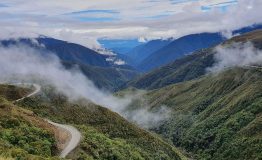
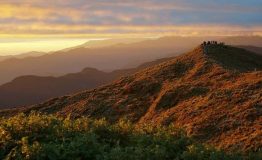
- Andes-to-Amazon landscapes: Discover a spectacular transition from high-Andean grasslands and misty cloud forests to lush lowland Amazon rainforest.
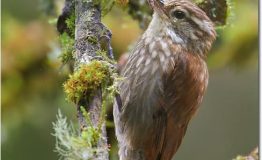
- Outstanding birdwatching: Look for macaws, toucans, hummingbirds, trogons, and hundreds of other bird species.
- Remarkable wildlife: Learn about iconic Amazonian animals, including jaguars, giant otters, monkeys, tapirs, and capybaras, while remembering that sightings are never guaranteed.
- Nature and wildlife photography: Capture rainforest landscapes, colorful birds, fascinating insects, and unique vegetation in their natural habitats.
- Guided rainforest experiences: Join authorized guided walks and wildlife observation activities to discover the forest’s ecology and hidden details.
- International conservation recognition: Visit a region recognized as a UNESCO World Heritage Site since 1987 and a UNESCO Biosphere Reserve since 1977.
- Rich Indigenous heritage: Learn about the cultural diversity and traditional ecological knowledge of Indigenous peoples while respecting their rights, privacy, and protected territories.
- Responsible ecotourism: Support conservation-focused travel by choosing authorized operators, following park regulations, and minimizing disturbance to wildlife.
- Best time to visit: April through November is identified by Peru’s protected-areas authority as a recommended visiting period, although conditions vary across the region.
- A rewarding Amazon adventure: Experience Peru’s natural heritage through birdwatching, wildlife observation, ecological interpretation, and immersive rainforest exploration.
- Plan your Manu adventure: Contact [Your Company Name Manu Jungle Trips ] to inquire about authorized tours, available travel dates, accommodation options, and nature experiences tailored to your interests.
.
DETAILED TOUR ITINERARY:
Manu National Park: Biodiversity, Wildlife, and Amazon Tours in Peru
Discover The Amazon Explore Manu Park, one of Peru’s most remarkable natural treasures and an extraordinary destination for travelers interested in Amazon biodiversity, wildlife observation, birdwatching, nature photography, and responsible tourism.
Located in southeastern Peru, where the Andes meet the Amazon rainforest, Manu protects a spectacular variety of landscapes. From high-Andean grasslands and mist-covered cloud forests to lowland tropical rainforest, its ecosystems support an exceptional diversity of plants, birds, mammals, amphibians, reptiles, and other wildlife.
For domestic and international travelers, a journey to the Manu region offers an opportunity to experience the natural richness of Peru while learning about the importance of conservation and the cultural diversity of the Amazon.
Whether you are a wildlife photographer, a birdwatcher, a nature enthusiast, a researcher, or a traveler seeking a deeper connection with the natural world, Manu deserves a place on your Peru travel itinerary.
Planning a nature adventure in Peru? Contact [Your Company Name] to ask about authorized Manu-area tours, available travel dates, itinerary options, and experiences tailored to your interests.
Where Is Manu National Park Located?
Manu National Park is located in southeastern Peru, across parts of the Cusco and Madre de Dios regions. It protects an extensive area along the eastern slopes of the Andes and into the Amazon basin.
This geographical position is one of the main reasons for Manu’s extraordinary biodiversity. As elevation decreases from the mountains toward the rainforest, temperature, humidity, vegetation, and habitat conditions change dramatically. manu reserved zone
The park’s surroundings include several distinct geographical and ecological zones:
Cusco region: Associated with the Andean highlands, cloud forests, and access routes from the Cusco area.
Madre de Dios region: Associated with extensive Amazonian forests, tropical rivers, and lowland rainforest environments.
Andean-Amazonian transition: A complex ecological corridor where mountain and tropical forest ecosystems connect.
The Manu Biosphere Reserve is larger than the national park itself. It includes the park’s core conservation area and additional territories with different management purposes and human activities.
This distinction matters when planning a trip: not every place marketed as a Manu experience is located inside Manu National Park. Your itinerary should clearly identify which areas you will visit and which access permissions apply.
How Large is The Amazon Explore Manu Park
Manu National Park covers approximately 1,716,295 hectares, equivalent to more than 17,000 square kilometers.
The park was established in 1973, and its boundaries were subsequently expanded. UNESCO records the current World Heritage property at 1,716,295.22 hectares, following a boundary extension in 2009.
Its enormous size helps protect large, interconnected habitats and ecological processes across the Andes-Amazon transition.
Rather than being a single type of rainforest, Manu encompasses a broad range of environments. This variety provides habitats for species with different requirements and contributes to its international importance for conservation and scientific research.
History of The Amazon Explore Manu Park .
The establishment of Manu National Park marked an important milestone in Peru’s efforts to conserve its natural heritage.
1973: Establishment of the national park
Manu National Park was formally established by Supreme Decree No. 0644-73-AG. Its creation aimed to protect a vast area of Andean and Amazonian ecosystems and the extraordinary biodiversity they contain.
1977: Recognition as a Biosphere Reserve
UNESCO recognized the Manu Biosphere Reserve through its Man and the Biosphere Programme. This broader designation emphasizes the relationship between biodiversity conservation, scientific research, and sustainable development.
1987: UNESCO World Heritage Site
Manu National Park was inscribed on the UNESCO World Heritage List in recognition of its outstanding universal value, particularly its ecological processes and exceptional biological diversity.
2009: Extension of the World Heritage property
The World Heritage property was extended to reflect the protected area’s expanded boundaries and its important elevation gradient.
Together, these milestones established Manu as one of the most internationally significant protected natural areas in Peru.
Why Is The Amazon Explore Manu Park Important?
The importance of Manu National Park lies in the combination of its size, ecological diversity, relatively intact habitats, and role in protecting species and natural processes.
An extraordinary elevation gradient
Manu extends from lowland Amazonian rainforest to high elevations exceeding 4,000 meters above sea level.
This variation creates multiple climate zones and habitats within one protected landscape. Species adapted to cool mountain environments coexist, across the wider elevation gradient, with species associated with humid tropical forests.
A major refuge for biodiversity
UNESCO identifies Manu as one of the world’s outstanding areas for terrestrial biodiversity. Its forests and other habitats support hundreds of bird species, more than 200 mammal species, numerous reptiles and amphibians, and an enormous variety of plants and invertebrates.
Scientific inventories continue to improve our understanding of this complex ecosystem.
Connected forests and watersheds
Manu’s ecosystems play important roles in maintaining water cycles, storing carbon, supporting food webs, and preserving ecological connections between the Andes and the Amazon lowlands.
Protecting these natural systems is important not only for wildlife but also for the long-term resilience of the wider region.
A place for science and conservation
The park provides opportunities for ecological research, biodiversity monitoring, and environmental education. Its protected habitats help scientists investigate tropical ecosystems and understand the relationships between species, climate, and landscape.
Biodiversity of The Amazon Explore Manu Park .
Biodiversity is the defining characteristic of Manu National Park. The area’s exceptional range of elevations, climates, and habitats supports an extraordinary variety of life.
For visitors, this diversity means that a journey through the wider Manu region can reveal different forest types, changing vegetation, bird communities, insects, and signs of mammals along the way.
Wildlife sightings, however, depend on location, season, weather, animal behavior, and the length of the visit. Manu is a wild ecosystem, not a wildlife park where animals can be guaranteed to appear on demand.
Birds of Manu National Park
Birdwatching is one of the most rewarding activities associated with Manu.
UNESCO’s World Heritage information reports more than 800 recorded bird species in the park, while its Biosphere Reserve profile lists 860 identified species. These figures refer to different official profiles and may vary as inventories and geographic boundaries are updated.
The area’s varied habitats support an impressive range of birdlife, from highland and cloud-forest species to birds of the tropical lowlands.
Depending on the route and habitat, visitors may have opportunities to observe:
- Macaws and other colorful parrots.
- Toucans and aracaris.
- Trogons and motmots.
- Hummingbirds.
- Raptors and forest birds.
- River-associated birds and species of wetland habitats.
Birdwatching itineraries can be particularly rewarding for travelers who enjoy identifying species, observing behavior, and documenting birds in their natural environments.
Photography tip: Bring binoculars, a camera with a suitable telephoto lens, spare batteries, and protection against humidity. A local naturalist or birding guide can help identify calls, explain behavior, and locate appropriate observation points without disturbing wildlife.
Mammals and Other Wildlife The Amazon Explore Manu Park .
Manu’s forests are home to an exceptional variety of mammals and other animals. Its wider ecological gradient supports species associated with both mountain and lowland environments.
Notable mammals associated with the region include:
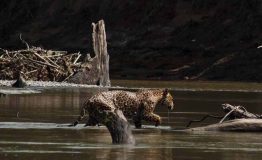
- Jaguar: A powerful and elusive predator of tropical forest ecosystems.
- Giant otter: An aquatic mammal associated with suitable rivers and oxbow lakes.
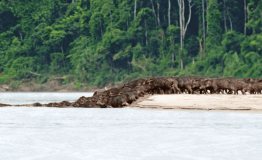
- Capybara: A large semiaquatic rodent found in appropriate lowland habitats.
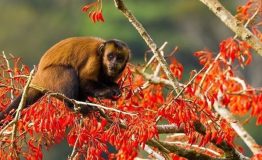
- Monkeys: Several primate species inhabit the forests.
- Tapirs: Important forest mammals that contribute to ecological processes, including seed dispersal.
- Giant armadillo: A rarely encountered mammal associated with extensive natural habitats.
Other wildlife includes reptiles, amphibians, freshwater fish, butterflies, and countless invertebrates.
The best wildlife encounters generally come from patience, quiet observation, and realistic expectations. Some species are difficult to see, even in areas known for high biodiversity.
Flora of The Amazon Explore Manu Park .
Manu’s plant diversity reflects its dramatic changes in elevation, temperature, and moisture.
The park encompasses highland vegetation, montane forests, cloud forests, and tropical lowland rainforest. Each environment supports different plant communities adapted to local conditions.
Among the region’s notable plant groups are:
- Tall tropical trees that form the forest canopy.
- Palms and other characteristic Amazonian plants.
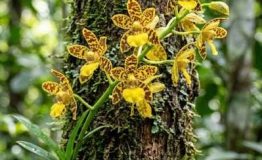
- Epiphytes, including orchids and bromeliads.
- Ferns and mosses in humid forest environments.
- Plants adapted to cooler mountain conditions.
Forest conservation is essential because vegetation provides habitat, stores carbon, protects soils, regulates water movement, and supports food webs throughout the region.
For nature enthusiasts, observing the differences between forest types can be just as rewarding as searching for individual animal species.
The Main Ecosystems of Manu National Park
One of Manu’s most distinctive features is the transition between several major ecosystems within a relatively connected protected landscape.
1. High-Andean grasslands
At higher elevations, mountain grasslands and other highland environments experience cooler temperatures and changing weather conditions.
These landscapes provide a striking contrast to the dense tropical forests farther downslope. They are also important for understanding the ecological transition from the Andes to the Amazon.
2. Cloud forests
Cloud forests occupy humid mountain environments where mist and moisture support lush vegetation.
Visitors may encounter moss-covered branches, ferns, epiphytes, orchids, and a variety of forest birds. The atmosphere can change rapidly, creating dramatic conditions for landscape photography.
Cloud forests are especially appealing to photographers who enjoy natural textures, soft light, layered vegetation, and misty mountain scenery.
3. Montane forests
Montane forests form part of the transition between highland ecosystems and the lowland Amazon.
Their vegetation structure, temperature, and wildlife communities differ from those of the higher grasslands and warmer tropical forests. This makes them valuable for observing how biodiversity changes with elevation.
4. Lowland Amazon rainforest
The lowland rainforest features a complex arrangement of trees, understory vegetation, waterways, and forest clearings.
These habitats support a wide range of birds, mammals, reptiles, amphibians, and invertebrates. Depending on the authorized itinerary, visitors may explore forest trails, observe wildlife from suitable viewpoints, and learn about tropical ecology from experienced guides.
The lowland forest is also important for maintaining carbon storage, water cycles, and the ecological relationships that sustain Amazonian biodiversity.
Indigenous Peoples and Cultural Diversity -The Amazon Explore Manu Park .
Manu’s importance extends beyond its natural ecosystems. The wider region has a long history of human presence and is home to Indigenous peoples with distinct languages, traditions, knowledge systems, and relationships with the forest.
UNESCO identifies Indigenous communities in the Biosphere Reserve, including Matsigenka, Yine, Harakbut, and Quechua peoples.
Some Indigenous peoples in the region live in voluntary isolation or initial contact. Their rights, safety, and ability to determine their own relationships with the outside world must be respected.
Responsible tourism must therefore avoid treating Indigenous communities as attractions. Visitors should never attempt unauthorized encounters, photograph people without appropriate consent, or seek access to restricted territories. TRIPS MAACW CLAY LICK
Where community-based tourism is authorized and welcomed, respectful visits can provide opportunities to learn about local knowledge and support community-led initiatives.
International Recognition of The Amazon Explore Manu Park .
Manu Biosphere Reserve
The Manu Biosphere Reserve was recognized by UNESCO in 1977 through the Man and the Biosphere Programme.
The reserve covers a wider territory than the national park and brings together conservation objectives with research and compatible human activities.
UNESCO World Heritage Site
Manu National Park was inscribed on the UNESCO World Heritage List in 1987.
Its designation recognizes the outstanding ecological processes and biodiversity associated with the meeting of the Tropical Andes and the Amazon Basin.
These distinctions are related but not interchangeable: the national park is a protected area, the Biosphere Reserve encompasses a broader landscape, and World Heritage status recognizes the park’s outstanding universal value.
Conservation Objectives of The Amazon Explore Manu Park .
The park’s conservation objectives reflect the need to protect biodiversity, natural landscapes, ecological processes, and cultural values.
Key objectives include:
- Conserving representative ecosystems of the southeastern Peruvian Andes and Amazon.
- Protecting wildlife habitats and the ecological connections between different elevations.
- Supporting authorized scientific research and environmental education.
- Encouraging tourism compatible with conservation regulations.
- Protecting archaeological heritage where applicable.
- Respecting Indigenous peoples and the protections associated with peoples living in voluntary isolation or initial contact.
- Strengthening conservation management through coordination among relevant authorities and stakeholders.
Tourism can contribute positively when it follows regulations, respects local communities, minimizes environmental impact, and supports responsible operators.
Tourism in Manu National Park: What Can You Experience?
A journey to Manu can be a memorable experience for travelers interested in biodiversity, natural landscapes, and the Amazon rainforest.
However, access is regulated, and not every part of the park is open to general tourism. Visitors should plan their trip around authorized routes and the rules applying to each sector. The official Peruvian protected-areas tourism service advises visitors to use operators authorized by SERNANP for visits to the park.
Wildlife observation : Guided wildlife observation allows visitors to learn about animal behavior, habitats, and the ecological relationships that sustain the forest.
Animals are not guaranteed to appear. A responsible guide will explain how to observe wildlife without pursuing, feeding, touching, or disturbing it.
Birdwatching : Manu is an excellent destination to consider for birdwatching because of its variety of habitats and bird communities.
Depending on the itinerary, visitors may focus on identifying species by sight and sound, photographing birds, and learning about their ecological roles.
Nature and wildlife photography : Manu offers opportunities to photograph landscapes, forest vegetation, birds, insects, river environments, and wildlife encountered along authorized routes.
Photographers should prepare for changing light, humidity, rain, and challenging conditions. Patience is essential, and ethical photography must take priority over obtaining a particular image.
Guided forest walks : Where permitted, guided walks can reveal the complexity of the rainforest, including plant adaptations, animal tracks, insects, and relationships between species.
A knowledgeable guide can help visitors notice details that would otherwise be easy to overlook.
Landscape and ecological interpretation : The journey through the Andes-Amazon transition offers an opportunity to understand how elevation, climate, water, and vegetation shape different ecosystems. SANDOVAL LAKE
The changing landscape is a central part of the Manu experience, even when wildlife sightings are limited.
A Practical Manu Nature Tour Program
The right itinerary depends on your available time, wildlife interests, preferred comfort level, and the areas currently authorized for tourism.
The following framework can help you plan a nature-focused trip. It is an illustrative planning structure, not a confirmed itinerary or a guarantee of access to particular sectors.
Before departure: Prepare for the Amazon : Discuss your travel dates, fitness level, photography equipment, birdwatching interests, and accommodation preferences with your tour operator.
Confirm the authorized route, transport arrangements, entry requirements, accommodation, meals, guide services, and any additional fees before booking.
During the journey: Discover changing ecosystems : A suitable itinerary may combine the Andean-Amazonian transition, cloud-forest landscapes, and authorized rainforest experiences, depending on the route selected. Allow time for interpretation, photography, wildlife observation, and rest rather than trying to maximize the number of stops.
In the forest: Observe and learn : Follow your guide’s instructions, remain on permitted trails, and keep a respectful distance from wildlife.
Record observations in a field notebook or photograph plants and animals without disturbing them. Learning about the forest is an important part of the experience, even when particular species remain hidden.
After the journey: Support conservation : Consider sharing your experience responsibly, respecting restrictions on sensitive location information, and supporting conservation initiatives or community-led tourism where appropriate.
A meaningful nature trip is measured not only by the photographs you bring home but also by the care taken to protect the places and people you encounter.
Best Time to Visit to The Amazon Explore Manu Park:
Manu’s climate varies with elevation, and weather can influence transport, trail conditions, visibility, and wildlife observation.
SERNANP identifies April through November as a recommended visiting period in its official visitor information, while December through March is generally associated with the rainy season.
Conditions can vary considerably between the highlands, cloud forests, and lowland rainforest. There is no single month that guarantees the best wildlife sightings for every visitor.
When choosing travel dates, consider:
Birdwatching: Choose an itinerary based on target species, habitat, and the expertise of your guide.
Wildlife photography: Allow flexibility for changing weather, lighting, and animal behavior.
Landscape photography: Consider how cloud cover, mist, and rainfall may affect the atmosphere and visibility.
Comfort and accessibility: Ask your operator about current road, river, and trail conditions.
Conservation and access: Confirm that the intended route is authorized and operating during your travel dates.
For the most reliable planning, check current conditions with SERNANP and your authorized tour operator before departure.
What to Pack for a Manu Nature Tour
Packing appropriately can make your trip more comfortable and help protect your equipment in humid conditions.
Consider bringing:
- Lightweight, quick-drying clothing suitable for warm and humid environments.
- Long-sleeved shirts and long trousers.
- Comfortable walking shoes appropriate for the planned route.
- A rain jacket or suitable rain protection.
- Insect repellent and sun protection.
- Binoculars for birdwatching and wildlife observation.
- A camera, appropriate lenses, spare batteries, and memory cards.
- Waterproof bags or protective covers for electronics.
- A reusable water bottle, where permitted and suitable for the itinerary.
- Personal medication and any items recommended by your operator.
Your final packing list should reflect the actual route, accommodation, season, and activities included in your tour.
WHAT TOUR SERVICES:
Ingrese el contenido de lista de servicios que incluyen
WHAT TOUR SERVICES:
Ingrese el contenido de lista de servicios que no incluyen
ABOUT LODGE:
Tour Map:
Frequently asked questions (FAQs):
Frequently Asked Questions About Manu National Park
1. Where is Manu National Park located?
Manu National Park is in southeastern Peru, across parts of the Cusco and Madre de Dios regions, where the eastern Andes meet the Amazon basin.
2. How large is Manu National Park?
The park covers approximately 1,716,295 hectares, making it one of Peru’s major terrestrial protected areas.
3. Why is Manu National Park famous for biodiversity?
Its exceptional biodiversity results from its large elevation gradient, variety of habitats, and relatively intact ecosystems. The park supports hundreds of bird species, more than 200 mammal species, and an extraordinary diversity of plants and invertebrates.
4. Is Manu National Park a UNESCO World Heritage Site?
Yes. UNESCO inscribed Manu National Park on the World Heritage List in 1987. The wider Manu Biosphere Reserve received recognition through UNESCO’s Man and the Biosphere Programme in 1977.
5. What animals can you see in Manu National Park?
Depending on the route and conditions, visitors may encounter monkeys, macaws, toucans, capybaras, giant otters, and other wildlife. Jaguars and many other animals are elusive, so sightings cannot be guaranteed.
6. What is the best time to visit Manu National Park?
SERNANP identifies April through November as a recommended visiting period. Conditions vary by elevation and route, so travelers should confirm the latest weather and access information before booking.
7. Is Manu National Park suitable for birdwatching and photography?
Yes. The park and its surrounding ecosystems are particularly attractive to birdwatchers, wildlife photographers, and nature enthusiasts. The most suitable itinerary depends on your target species, preferred habitats, equipment, and available time.
8. Can travelers visit Manu National Park independently?
Tourism access is regulated. SERNANP advises visitors to use authorized tour operators for visits to the park. Travelers should confirm current access requirements and permitted routes before departure.
9. Is Manu National Park the same as the Manu Biosphere Reserve?
No. Manu National Park is the protected core area, while the Biosphere Reserve encompasses a broader landscape with additional territories and different management purposes.
10. How can I book a Manu National Park tour?
Contact [Your Company Name] with your preferred travel dates, group size, trip duration, and main interests. Ask for a proposal that specifies the authorized route, inclusions, accommodation, transport, guiding services, and total price.
Ready to discover the biodiversity of Manu? Contact our team to discuss your trip and request a personalized tour proposal.
PRICE FROM
S/. /pax
CODE: CUS-01
y
Places to visit:
Tour Group:
Tour Type:
Tour Physical Level:
1/5
PAYMENT ONLINE


Review The Amazon Explore Manu Park.