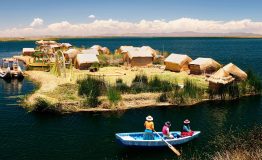
The Peruvian Island Titicaca Lake

¿WHAT WE EXPECT?

The Island of Lake Titicaca, Peru.

Puno is also an important commercial center where you can buy textiles, ceramics, and pieces made by local artisans.

Useful Facts about Puno

  • Altitude: 3,827 m above sea level
  • Area: 15.57 km²
  • Population: 128,637 inhabitants (2017)
    Average temperature: 11 °C
    Wind: 11 km/h (south)
    Humidity: 33%

Why visit Puno?

Visiting Puno is discovering a destination where nature and culture coexist in perfect harmony. From the immensity of Lake Titicaca to the energy of its festivals, this city offers a unique experience in Peru.

Here, every landscape tells a story, every dance has a meaning, and every trip becomes an unforgettable memory.

La Isla Lago Titicaca Peru.
La Isla Lago Titicaca- Peru
La Isla Lago Titicaca Peru-lago-titicaca-cocatambo_
La Isla -Lago Titicaca Peru
La Isla Lago Titicaca Peru-titicaca-isla-cocatambo
La Isla Lago Titicaca Peru -tour

The Peruvian Island Titicaca Lake

Puno: Folkloric Capital of Peru: Puno is known as the folkloric capital of Peru thanks to the richness of its cultural expressions. Throughout the year, festivities full of music, dance, and color are celebrated.

The most important event is the Fiesta de la Virgen de la Candelaria, considered one of the largest celebrations in South America. In addition, Puno’s carnivals stand out for their massive parades and festive atmosphere.

Tourist Attractions in the City of Puno

Within the city, there are several points of interest that complement the experience:

  • Puno Cathedral: a jewel of Andean Baroque architecture
  • Yavarí: a restored historic steamboat
  • Historic Center: streets with local shops and typical handicrafts.

Sailing its waters is an unforgettable experience.

Navigating in traditional totora reed boats, built using ancestral techniques, allows travelers to connect with the living history of the Andean highlands. These boats, used since pre-Incan times, remain an essential part of the daily lives of its inhabitants.

The lake is home to rich biodiversity, with extensive areas of aquatic vegetation that serve as a refuge for Andean birds and unique species. This natural environment, combined with the deep skies of the Altiplano, creates landscapes of a serenity rarely found elsewhere in the world.

Furthermore, Lake Titicaca is dotted with numerous islands, each with its own distinct cultural identity.

Among the most remarkable are the Uros Islands, constructed entirely of totora reeds, where ancestral communities preserve their traditions; and the mystical Island of the Sun, considered the cradle of the Inca civilization.

Each island holds stories, legends, and myths passed down from generation to generation, making the lake a place where culture and spirituality remain alive.

Visiting Lake Titicaca is not just a trip; it is an immersion in the essence of the Andes, where nature, history, and the native people come together to offer an authentic and unforgettable experience.

The Peruvian Island Titicaca Lake

Lake Titicaca, Puno: A Complete Guide to Discover the Folkloric Capital of Peru

 Where is Puno located?

The city of Puno is located in the southern part of the country, on the shores of the majestic Lake Titicaca—one of the largest lakes in South America and globally recognized as the highest navigable lake on Earth.

Situated at an altitude of 3,827 meters above sea level, Puno offers a unique landscape where the sky, water, and Andean highlands merge into a setting of remarkable natural beauty.

 Lake Titicaca: Nature, Culture, and Living Tradition -The Peruvian Island Titicaca Lake .

Lake Titicaca is the main attraction in Puno. Its navigable waters allow visitors to explore its islands and discover communities that preserve ancient traditions.

Among the most visited destinations are:

  •  Uros Islands: famous floating islands made of reeds
  •  Taquile Island: renowned for its ancestral textile culture
  •  Amantaní Island: ideal for immersive, community-based tourism

Sailing in traditional boats and sharing experiences with local communities makes the visit truly authentic and unforgettable.

 Puno: Folkloric Capital of Peru

Puno is known as the folkloric capital of Peru thanks to the richness of its cultural expressions. Throughout the year, festivals filled with music, dance, and vibrant colors take place.

The most important event is the Festival of the Virgen de la Candelaria, considered one of the largest celebrations in South America. Additionally, the Puno carnivals stand out for their massive dance groups and festive atmosphere.

Tourist Attractions in the City of Puno -The Peruvian Island Titicaca Lake .

Within the city, several points of interest enhance the experience:

  •  Puno Cathedral: a jewel of Andean Baroque architecture
  •  Yavarí: a historic restored steamship
  •  Historic Center: streets full of local commerce and traditional crafts

Puno is also an important commercial hub where visitors can purchase textiles, ceramics, and handcrafted items made by local artisans.

 Useful Information about Puno

  •  Altitude: 3,827 m above sea level
  •  Area: 15.57 km²
  •  Population: 128,637 inhabitants (2017)
  • Average temperature: 11 °C
  • Wind: 11 km/h (south)
  •  Humidity: 33%


Tour Map:

Frequently asked questions (FAQs):

Lake Titicaca: Complete Guide to the Sacred Lake of the Andes (History, Myths, and How to Visit)

By Hernán Amat Olazábal (adapted and optimized)

Why is Lake Titicaca unique in the world?

Lake Titicaca is not just a tourist destination—it is an experience that blends extreme nature, ancient history, and Andean spirituality. Located at 3,812 meters (12,507 feet) above sea level, it is the highest navigable lake on the planet, covering more than 8,300 km².

Its dimensions are impressive: about 250 km long, with depths reaching up to 250 meters. It is home to 36 islands, along with peninsulas, bays, and the famous Tiquina Strait.

But beyond the numbers, Titicaca is a place you feel—a landscape that transforms you.

 A landscape surrounded by giants: the Andes at their finest

Viewing Titicaca from the air or from its shores is witnessing a natural spectacle unlike any other. The lake is encircled by the imposing Andes mountain range, with snow-capped peaks such as Illimani and Huayna Potosí rising above 6,000 meters.

At sunrise and sunset, the crystal-clear altiplano sky turns the scenery into a palette of intense colors: golden hues, deep blues, and silvery reflections on the water.

The lake then appears like a massive emerald suspended in the heart of a vast Andean plain.

Geological origin: an ancient sea trapped in the Andes?

Various studies in the field of geology suggest that Titicaca may be the remnant of an ancient sea from the Mesozoic era.

It is believed that massive tectonic transformations uplifted the Andes, trapping bodies of water that later formed lakes such as Titicaca, Poopó, and other high-altitude systems.

This origin explains its rich biodiversity and unique characteristics.

 Cradle of civilizations: living history of the Altiplano

Lake Titicaca was the center of development for important pre-Inca cultures such as the Pucará Culture and the Tiwanaku Culture, as well as Aymara peoples and later the Incas.

A short distance from the lake lies the impressive archaeological site of Tiwanaku, considered one of the oldest ceremonial centers in the Americas.

Its structures—such as the Gate of the Sun, the Kalasasaya temple, and the Akapana pyramid—remain a mystery to archaeologists and travelers alike.

 The Sacred Lake of the Incas: mythology and spirituality

According to Andean cosmology, Titicaca is the birthplace of the Inca world. Here emerges the figure of Wiracocha, the creator god who gave rise to the Sun, the Moon, and humanity.

On the Island of the Sun, considered the main sacred site, it is believed that Manco Cápac and Mama Ocllo were born, sent to found Cusco.

Nearby lies the Island of the Moon, associated with feminine rituals and the symbolism of Andean duality.

Inca splendor at Titicaca

During the reign of Túpac Inca Yupanqui, the lake reached a high level of ceremonial development. Temples, palaces, and sanctuaries dedicated to the Sun were built.

Among them stood the Temple of the Sun, along with complexes such as the Acllahuasi (House of the Chosen Women), where women devoted to religious service lived and worked.

The lake became a pilgrimage center, with routes, lodgings (tambos), and ceremonies that attracted travelers from across the empire.

 Must-see islands and attractions for travelers

Visiting Lake Titicaca today means immersing yourself in an incomparable cultural and natural experience. Some of the most recommended places include:

Uros Floating Islands (Peru): made of totora reeds and inhabited by ancestral communities

  • Island of the Sun (Bolivia): ideal for trekking and spiritual connection
  •  Island of the Moon (Bolivia): rich in history and mysticism
  •  Sillustani: famous funerary towers overlooking Lake Umayo
  • Pucará: one of the oldest cultures of the Altiplano

 Travel tips for visiting Lake Titicaca

  •  Best time: May to October (dry season)
  •  Climate: very cold at night, often below freezing
  •  Altitude: acclimatize for at least 1–2 days to avoid altitude sickness
  •  Access: from Puno or from La Paz

 A destination beyond tourism

Lake Titicaca is not just a place to visit—it is a space where past and present coexist. Its waters reflect not only the Andean sky, but also the memory of civilizations that shaped the identity of South America.

Why visit Puno?

Visiting Puno means discovering a destination where nature and culture coexist in perfect harmony. From the vastness of Lake Titicaca to the vibrant energy of its festivals, this city offers a truly unique experience in Peru.

Here, every landscape tells a story, every dance has meaning, and every journey becomes an unforgettable memory.

Best Tours Relations in Peru

S/. /pax /

Amazon Rainforest lodge . Se  encuentra en la reserva del Manu dentro de una flora y fauna silvestre  y una vegetacion increible .
S/. /pax /

The Manu Cultural Zone VS Reserved Zone Whats the Difference The difference between the two areas of Manu National Park comes down to access, level of protection, and type of experience:  Cultural Zone...
S/. /pax /

beautifull titica caca lake

Discover the Magic of Lake Titicaca in Puno, the highest navigable lake in the world, located in the majestic Peruvian Amazon region. Sailing its waters in our traditional totora reed boats is a...
S/. /pax /

Birdwatching Peru – It’s a perfect place for birdwatching lovers. You have a great diversity of birds, both endemic and migratory. It also covers different climates, such as in the Sierra jungle and...
S/. /pax /

Birds of the Peruvian Amazon showcase the richness of the Alto Mayo, a cloud forest located in the high jungle of northern Peru, home to diverse wildlife and endemic species, contributing significantly to...
S/. /pax /

The Peruvian Guide Trips

The Peruvian Guide Trips. The city of Cusco is the capital of the region, department and district of the same name. The Department of Cusco, made up of thirteen provinces, has an area...
S/. /pax /

amazon expeditions rainforest peru

Expeditions in the Amazon :The Amazon River is one of the most awe-inspiring and formidable river networks in the world, and its significance goes far beyond just its sheer size and power.
S/. /pax /

Wildlife of Manu Park The Manu Biosphere Reserve is a unique blend of diverse ecosystems, cultural traditions and wildlife, making it one of the most important protected areas in the world. Its rich...
S/. /pax /

Travel amazon -Amazin Amazon

Amazon Rainforest Tours – Trip Vacation Packages –Unforgettable Travel Packages Explore the wonders of the Amazon jungle through our meticulously designed vacation packages. Immerse yourself in the unparalleled biodiversity and natural beauty of...
S/. /pax /

amazon concervation ,rainforest manu park

Conservation Manu Park  .Day-by-Day Trip to Manu National Park – Adventure in the Heart of Peru’s Biodiversity Discover Manu National Park day by day. A detailed route through the most biodiverse destination on...
S/. /pax /

amazon manu ant , amazon manu termites

Amazon Manu Ants Termites. Secondary termites are female reproductive supplements that are constantly in mature colonies under favorable temperature conditions.
S/. /pax /

Amazon Manu Park

Amazon Manu Park – How to get to Manu Park. To enter the Manu Park, we first have to get to the city of Cusco and then take a tour with an operating...