Full 1
MANU TOURS
MANU TOUR ZONE RESERVED 4 DAYS
Full 1
previous arrow
next arrow
Shadow

The Wild Amazon Peru

Wild Amazon Peru

The Wild Amazon Peru South America is home to the largest tropical rainforest on Earth: the Peruvian Amazon. This vast forest ecosystem, covering millions of square kilometers across the Amazon Basin, is one of the greatest treasures of life on our planet. Within this immense world of extraordinary shapes, colors, and landscapes lives an unparalleled diversity of plants and

animals, much of which has yet to be fully documented and studied. manu reserve zone 

It is this extraordinary region that has helped make Peru one of the most biologically diverse countries in the world. Here, remarkable biodiversity records have been achieved, thanks in part to the rainforest’s complex vertical structure, where different species occupy different levels of the forest, from the forest floor to the highest canopy.

The Amazon is also a vast natural laboratory and a source of countless biochemical compounds that have contributed to the development of medicines and treatments for many diseases.

Much of the traditional knowledge associated with these plants and their uses has been preserved by the Indigenous peoples who have lived in the rainforest for generations.

Wild Amazon Peru invites travelers to look beyond the conventional and discover a world of extraordinary beauty and biodiversity. Through accessible language and spectacular imagery, the experience offers a glimpse into one of the most fascinating ecosystems on Earth.

The vision is inspired by the work of Heinz Plenge, one of Peru’s talented photographers and a committed conservationist. The goal is to awaken the enthusiasm of travelers seeking a

unique experience in this delicate paradise and to encourage a deeper appreciation and respect for nature.

We hope that those who experience the Amazon firsthand will return home inspired by its beauty and become ambassadors for its conservation.

Manu Paradise to The Wild Amazon Peru

Amazon journeys awaken countless associations: an unexplored world, a refuge for animal and plant species that are still being discovered, the ancestral home of Indigenous peoples, and the largest tropical rainforest on the planet.

The Amazon is also a vast green, humid, and powerful ecosystem inhabited by an extraordinary range of wildlife. Snakes, caimans, piranhas, jaguars, insects, birds, monkeys, and countless

other species have evolved within its complex network of rivers, forests, wetlands, and waterways.

At the same time, the Amazon is a region facing enormous economic and environmental pressures. Agriculture, cattle ranching, energy production, logging, mining, oil and gas extraction, and infrastructure development have transformed parts of the rainforest.

This makes conservation of the Amazon more important than ever.

The Wild Amazon Peru  : A Global Center of Biodiversity

The Amazon is one of the world’s most important centers of biodiversity. It contains an extraordinary concentration of genes, species, habitats, and ecosystems.

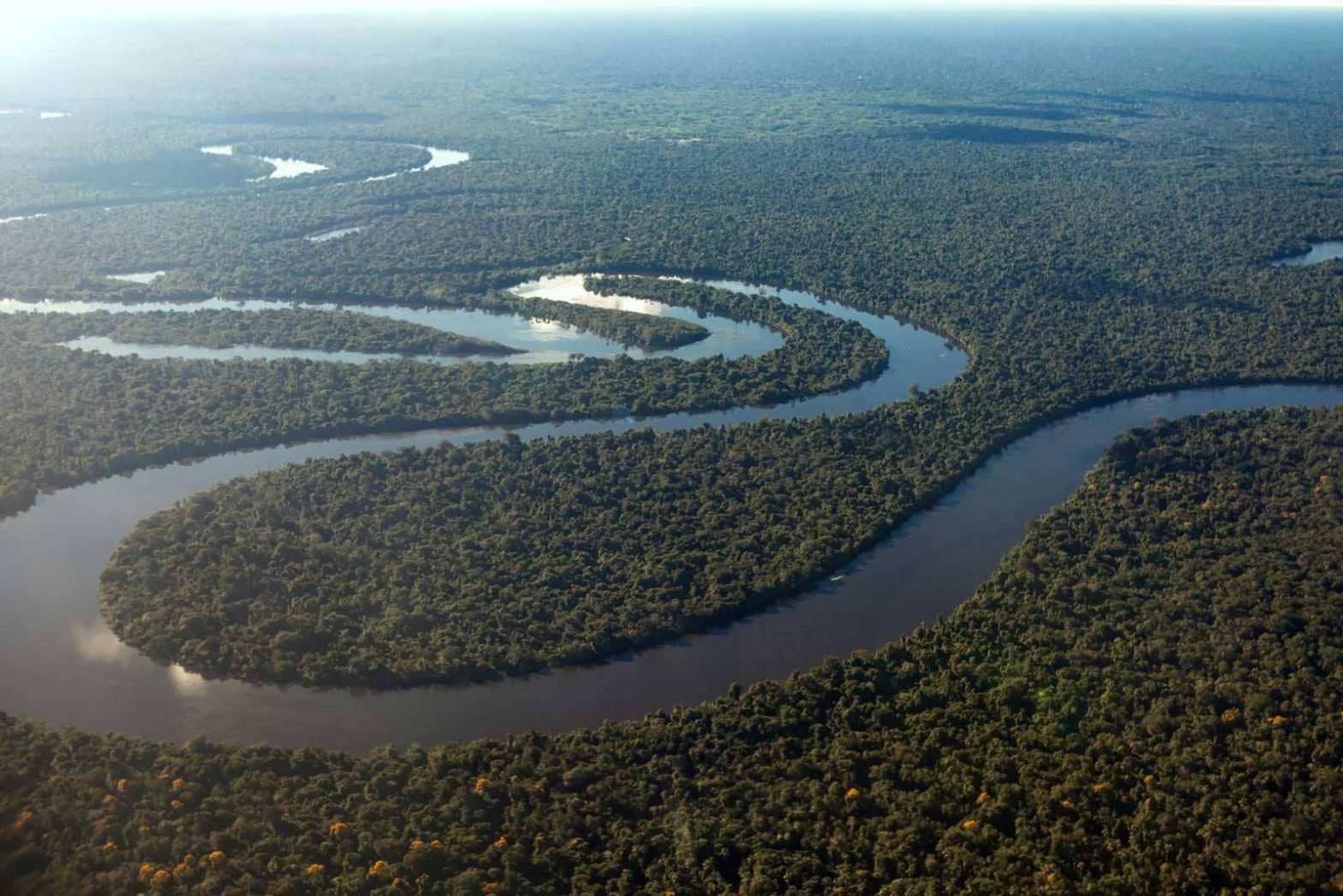
The Amazon River and its enormous network of tributaries form the backbone of this ecosystem. With a length of more than 6,000 kilometers, the Amazon River is one of the world’s largest rivers by length and the largest by volume of water discharged.

Its countless tributaries shape both the aquatic and terrestrial landscapes of the Amazon Basin.

The diversity of fish found in Amazonian waters is remarkable, with thousands of species inhabiting the rivers, streams, lakes, and flooded forests.

The Amazon is often described as a living library of biodiversity. Countless animal and plant species depend on the complex relationships that connect the forest, rivers, wetlands, soil, and climate.

Indigenous Peoples of The Wild Amazon Peru

The Amazon is also home to numerous Indigenous peoples, each with unique cultures, traditions, languages, and relationships with the natural environment.

For generations, Indigenous communities have developed an intimate understanding of the rainforest and its resources. Their knowledge of plants, animals, rivers, seasons, and ecological cycles represents an invaluable cultural heritage.

Some Indigenous peoples live in remote regions of the Amazon with limited contact with the outside world. Their existence highlights the importance of protecting not only the rainforest

itself but also the cultural diversity of the people who have depended on it for generations.

The Amazon is therefore much more than a collection of trees and wildlife. It is a living cultural and ecological landscape.

Threats Facing the Amazon Rainforest

Despite its extraordinary importance, the Amazon faces significant environmental pressures.

Deforestation, agricultural expansion, cattle ranching, road construction, logging, mining, and the extraction of natural resources have altered large areas of rainforest.

Gold mining and other extractive activities can cause serious environmental damage, particularly when toxic substances enter rivers and soils.

Another growing concern is the phenomenon sometimes described as “empty forests.” These are areas where hunting and habitat disturbance have reduced wildlife populations so severely

that many of the larger species no longer play their natural ecological roles.

Because every element of the rainforest ecosystem is interconnected, the disappearance of individual species can have consequences far beyond the species itself.

Protecting the Amazon Through Conservation – The Wild Amazon Peru

One of the most important opportunities for protecting the Amazon lies in the creation and effective management of large protected areas.

For conservation areas to be successful, they need to be large enough to protect complete ecosystems, maintain natural water cycles, support wildlife populations, and allow ecological processes to continue over time.

In the Amazon, protecting individual fragments of forest is often not enough. Rivers, watersheds, forests, wetlands, and surrounding habitats are interconnected.

When large landscapes are protected as a whole, wildlife can move between different habitats and plant populations can adapt to changing environmental conditions.

Protected areas also help maintain the Amazon’s role in regional and global climate systems.

Connecting Protected Areas – The Wild Amazon Peru

Another essential element of conservation is connectivity.

Wildlife needs to move between habitats in search of food, water, shelter, and breeding grounds. Plants also depend on animals and natural processes to disperse their seeds.

Creating ecological corridors between protected areas can therefore help maintain healthy populations and increase the resilience of ecosystems.

From the eastern slopes of the Andes to the lowland rainforest, the Amazon encompasses an extraordinary variety of geographical, geological, and climatic environments.

Protecting these interconnected landscapes is essential for maintaining their biodiversity.

Sustainable Development in The Wild Amazon Peru

Conservation does not mean that people cannot live and work in the Amazon. Instead, long-term solutions require responsible and sustainable ways of using natural resources.

Sustainable agriculture, responsible tourism, carefully managed forestry, scientific research, and community-based conservation can all contribute to protecting the rainforest while supporting local communities.

The challenge is to develop economic opportunities without destroying the ecosystems upon which future generations will depend.

Only through responsible management and long-term conservation can we hope to pass on this extraordinary natural heritage.

Birdwatching in Tambopata

The Amazon is one of the world’s great destinations for birdwatching. Tambopata, in southeastern Peru, offers an exceptional variety of habitats where travelers can observe an impressive

range of tropical birds.  tambopata tour macaw clay lick 

Birdwatching in the Amazon can begin early in the morning, when the forest becomes especially active. Colorful parrots, parakeets, toucans, tanagers, hummingbirds, woodpeckers, and many other species can be observed throughout the rainforest.

The experience becomes completely different after sunset.

Nocturnal Birds of the Manu and  The Wild Amazon Peru

The tropical forests of the Manu region and the wider Amazon are home to numerous nocturnal birds.

Several species of owls inhabit the region. The Tropical Screech-Owl (Megascops choliba), for example, is known for its distinctive calls, which may be heard shortly after sunset or before dawn.

Nightjars are also fascinating nocturnal birds. Members of the Caprimulgidae family are often seen around dusk, flying silently through the air as they capture insects.

Because of their nocturnal habits and flight patterns, nightjars can sometimes be mistaken for bats.

Potoos: Masters of Camouflage – The Wild Amazon Peru

Potoos are another remarkable group of nocturnal birds found in tropical America.

During the day, potoos remain motionless on branches, using their cryptic gray and brown plumage to resemble a broken or dead branch.

Their rigid posture and exceptional camouflage make them surprisingly difficult to find, even when they are relatively close.

Seeing a potoo in the wild is often a memorable experience for birdwatchers visiting the Amazon.

Night Birds Along the Rivers

Some nocturnal birds can be observed near Amazonian rivers and forest edges after dark.

With a flashlight, experienced guides can sometimes locate birds by the reflection of their eyes or by listening for their calls.

The Pauraque (Nyctidromus albicollis) is one of the most widespread nightjars in the region. It is often seen around clearings, villages, roads, and other open areas after sunset.

The Sand-colored Nighthawk (Chordeiles rupestris) can also be encountered around open areas and settlements, particularly during the evening.

The Oilbird

The Oilbird (Steatornis caripensis) is one of the Amazon’s most unusual nocturnal birds.

Although it resembles a nightjar, the Oilbird belongs to its own distinctive family. It is especially famous for its ability to use echolocation to navigate in dark caves, a remarkable adaptation among birds.

Oilbirds are primarily nocturnal and feed mainly on fruit. Observing them in their natural environment provides another fascinating example of the extraordinary adaptations that have evolved within tropical ecosystems.

Discover the Wild Amazon of Peru

The Peruvian Amazon is much more than a destination for wildlife viewing. It is a place where rivers, forests, mountains, wildlife, Indigenous cultures, and climate systems are deeply interconnected.

From the cloud forests of the Andes to the lowland rainforest of Manu and Tambopata, travelers can experience an extraordinary range of landscapes and ecosystems.

A journey into the Wild Amazon of Peru offers the opportunity to observe wildlife, explore remote rivers, discover remarkable birds, and experience the sounds and rhythms of one of the world’s most important natural environments.

Most importantly, visiting the Amazon can help travelers understand why protecting this extraordinary ecosystem matters—not only for Peru, but for the entire planet.
The Tour Manu Reserved Zone 6 days

The Tour Manu Reserved Zone (6 Days / 5 Nights)

6-Day Manu Reserved Zone Tour: The Most Complete Amazon Expedition from Cusco: This the ultimate adventure in the Peruvian Amazon jungle. Explore the extraordinary biodiversity of Manu National Park, hike through cloud forests and jungle rivers, and discover iconic oxbow lakes such as Cocha Otorongo and Cocha Salvador. Observe exclusive wildlife, relax in natural hot springs, experience the Matsigenka culture, and enjoy boat rides and tubing in the heart of the Amazon.

An authentic experience that combines nature, culture, and ecotourism at its finest — including a visit to the famous Manu macaw clay lick and connections with the region. Macaw Clay Lick, Tambopata

Explore the Peruvian Amazon from Cusco .

Discover one of South America’s most extraordinary natural destinations with our 6-Day Manu Reserved Zone Tour, an expedition designed to explore the different ecosystems of the Peruvian Amazon and experience its remarkable biodiversity firsthand.

From the Andean mountains and mysterious cloud forests to the vast tropical lowland rainforests, this journey offers an incredible transition through diverse landscapes, climates, and species of wildlife and vegetation. Macaw Clay Lick, Tambopata

Over six days, we will travel along mountain roads, navigate Amazonian rivers, and explore trails surrounded by lush tropical vegetation. We will visit exceptional locations for birdwatching and wildlife observation, where you may encounter mammals, reptiles, amphibians, and insects, accompanied by knowledgeable guides familiar with the region’s ecosystems.

Some of the highlights include observing the iconic Andean cock-of-the-rock, visiting macaw clay licks, taking catamaran excursions across Amazonian lakes, and searching for the magnificent giant river otter.

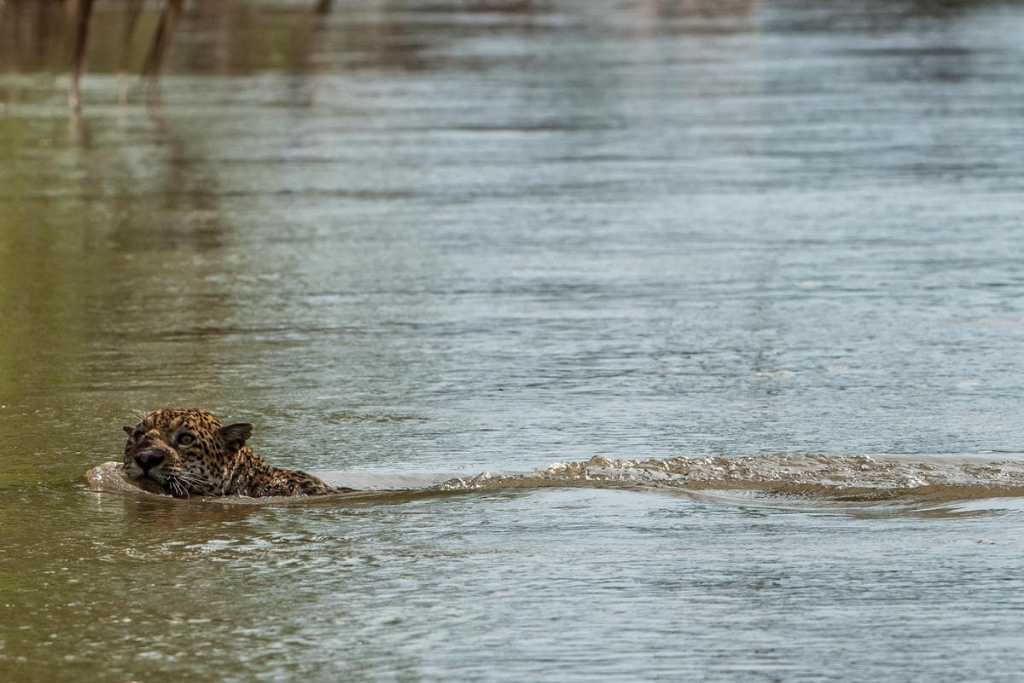
We will also have the opportunity to explore habitats inhabited by the majestic jaguar, one of the most iconic big cats of the Amazon rainforest.

This expedition is designed for travelers who want to go beyond conventional tourism and discover the Amazon through authentic ecotourism experiences, wildlife observation, and tropical rainforest exploration. amazon peru birding

Manu Reserved Zone Tour – 6 Days

Duration: 6 days / 5 nights
Departure and return: Cusco, Peru
Experience: Ecotourism, birdwatching, and wildlife observation
Transportation: Private vehicle and motorized boat
Location: Manu National Park, Madre de Dios Region, Southern Peru
Service type: Private or group tour
Tour starting and ending point: Hotel or Airbnb in Cusco
Transportation route: Tourist bus from Cusco to Atalaya and private motorized boat throughout the river journey.
Tourist bus route: Cusco – Atalaya
Altitude: From 3,900 meters (12,795 ft) above sea level to approximately 200 meters (656 ft) above sea level.
Best time to travel: March to November
Accommodation: 5 nights in private eco-lodges equipped with mosquito nets, showers, and private bathrooms.
Meals: 5 breakfasts, 6 lunches, and 5 dinners.
Guides: Professional bilingual guide. Manu Tours
Group size: 2 to 8 participants.
Accommodation type: Amazon rainforest lodges with private rooms, according to the itinerary, within the Manu Reserved Zone.

Highlights of the Manu Reserved Zone Tour – 6 Days

Manu Jungle Trips: An Expedition into the Heart of Manu National Park
Our adventure begins in the city of Cusco, where we set off on a journey toward one of the most impressive protected natural areas in the world.
With Manu Jungle Trips, we will take you deep into the Peruvian rainforest, where you will discover unique landscapes, traditional cultures, and an incredible variety of ecosystems. Amazon wildlife
Amazonian Wildlife Encounters
The Manu rainforest is home to an extraordinary diversity of wildlife, making it a perfect destination for nature lovers, birdwatchers, and wildlife photographers looking to capture unique images of the Peruvian Amazon.
Hiking in the Amazon Rainforest of Manu: A World of Discovery
The guided hikes inside the reserve will be an unforgettable experience. Walking through pristine rainforest trails allows you to discover the incredible diversity of tropical plants, giant trees, medicinal plants, and fascinating wildlife.
Detailed 6-Day Itinerary

Day 1: Cusco – Paucartambo – Cloud Forest .

Visit the pre-Inca burial towers of Ninamarca.
Explore the traditional colonial town of Paucartambo.
Enjoy spectacular Andean landscapes as we descend toward the cloud forest.
Observe tropical birds, orchids, and lush vegetation.
Visit the Andean cock-of-the-rock’s lek, where this iconic Peruvian bird performs its spectacular courtship display.
Overnight accommodation at a private lodge surrounded by nature.

Day 2: Cloud Forest – Atalaya – Amazon Rainforest .

Visit a natural hummingbird garden and observe tropical bird species.
Visit a traditional coca plantation.
Enjoy panoramic viewpoints overlooking the vast Amazon rainforest.
Navigate along the Alto Madre de Dios River.
Relax and swim in the natural hot springs of Aguas Calientes.
Enjoy a night walk to discover Amazonian frogs, tarantulas, and fascinating insects.

Day 3: Alto Madre de Dios River – Manu Reserve .

Navigate toward the heart of the Manu Reserve.
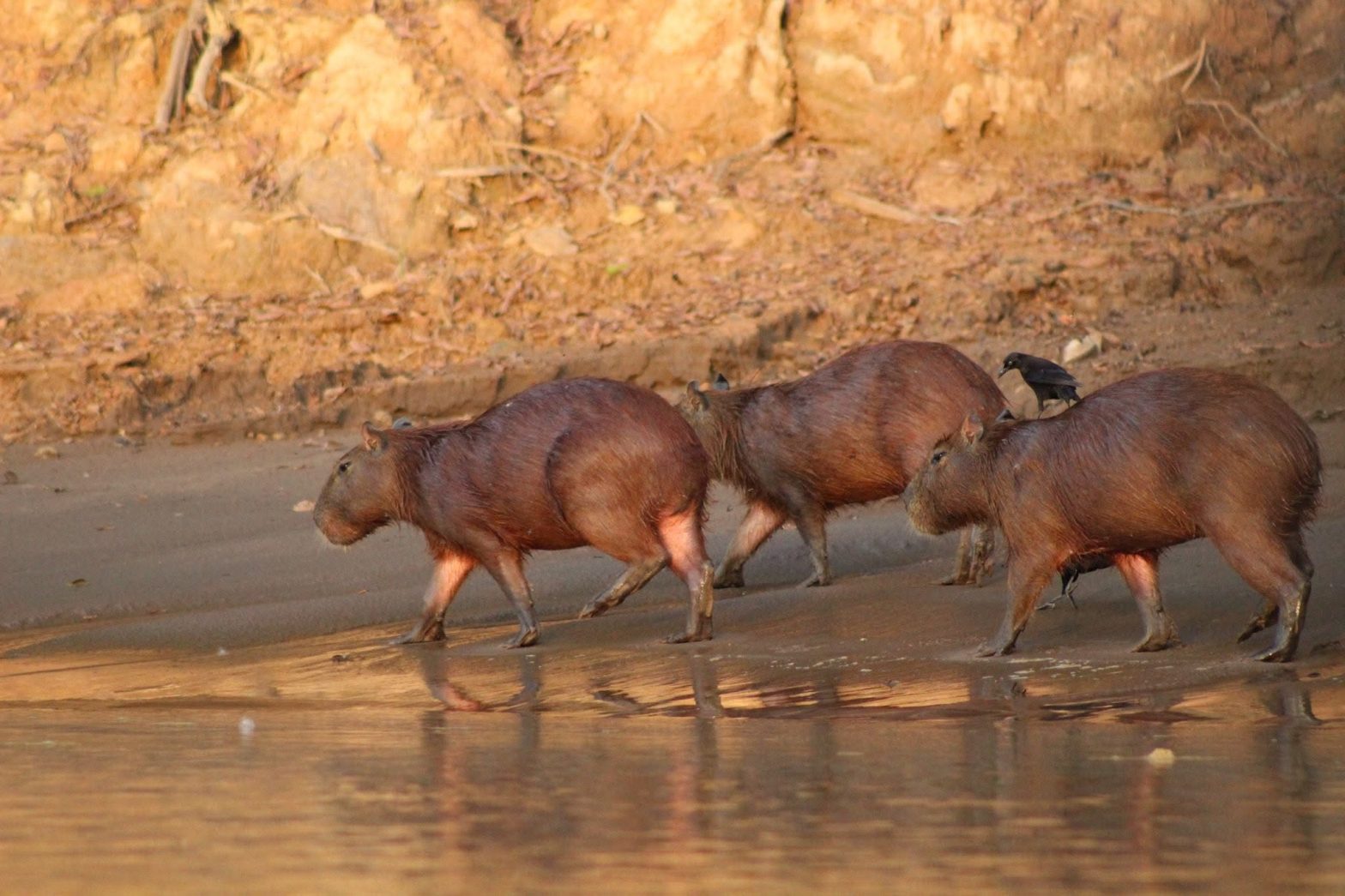
Observe monkeys, capybaras, turtles, and Amazonian bird species.
Look for black caimans and spectacled caimans.
Explore the spectacular landscapes of the deep rainforest.
Possibility of spotting the magnificent Amazonian jaguar.
Enjoy a guided night walk.
Overnight accommodation at Jaguar Eco Lodge.

Day 4: Lake Salvador – Macaw Clay Licks – Primary Rainforest .

Enjoy a peaceful catamaran excursion across the beautiful Lake Salvador.
Look for giant river otters in their natural habitat.
Observe monkeys, hoatzins, and caimans.
Visit spectacular macaw clay licks.
Watch scarlet macaws, red-and-green macaws, and parrots gathering at the clay banks.
Hike through pristine primary rainforest to discover giant trees and medicinal plants.
Explore Amazonian wildlife during a nighttime excursion.

Day 5: Otorongo Lake – Manu River – Rainforest Lodge .

Explore Otorongo Lake aboard a catamaran.
Look for giant river otters, monkeys, caimans, and turtles.
Navigate along the majestic Manu River.
Enjoy another opportunity to spot jaguars along the riverbanks and sandy beaches.
Take an exploratory hike through primary rainforest.
Enjoy a night walk to discover nocturnal monkeys, giant frogs, and tarantulas.

Day 6: Return to Cusco – Atalaya – Paucartambo .

Enjoy the final boat journey along the Alto Madre de Dios River.
Take the last opportunity to observe Amazonian birds and wildlife.
Return from Atalaya by private transportation.
Travel back through the cloud forest and spectacular Andean landscapes.
Pass through the traditional town of Paucartambo.
Arrive in Cusco at approximately 5:00–5:30 PM.
An Unforgettable 6-Day Amazon Adventure
This six-day expedition combines Andean culture, mysterious cloud forests, Amazon river navigation, and extraordinary encounters with the biodiversity of Manu National Park.

Discover one of the most biodiverse regions on Earth while exploring pristine rainforest, observing colorful macaws, searching for giant river otters, and experiencing the possibility of spotting the majestic jaguar in its natural habitat. TRIPSADVISOR 

Join Manu Jungle Trips and experience the magic of the Peruvian Amazon.

Manu Nature 3 days

Amazon Manu Nature – 3 Days

Short Tour to Amazon Manu Nature Manu National Park – 3 Days of Adventure in the Peruvian Amazon : We will begin an exciting adventure with Peru Amazon Tours to the majestic Manu National Park, one of the most extraordinary nature destinations in the world. This short 3-day journey will be filled with surprises, breathtaking landscapes, and unforgettable experiences.

During the trip, we will discover the richness of Inca culture and the ancestral traditions left behind by our ancestors. As we travel through the Peruvian Andes, we will learn about the history, customs, and knowledge that are still alive in this region.

Then, we will cross the impressive Andean mountains and gradually enter the lush Amazon rainforest.

A vast green blanket will unfold before our eyes like a natural carpet, descending from 3,800 meters above sea level to only 200 meters in elevation. This incredible ecosystem is home to thousands of species of plants and animals that have adapted to the different environments of the Amazon jungle.

The Manu National Park, internationally recognized for its extraordinary biodiversity, protects secrets and natural wonders that have remained untouched for centuries. Its primary forests are home to colorful birds, monkeys, insects, amphibians, medicinal plants, and giant trees that create one of the richest ecosystems on Earth.

During this 3-day adventure, you will enjoy a unique experience in direct contact with nature.

Every landscape, every sound of the rainforest, and every wildlife encounter will create unforgettable memories that you will treasure for a lifetime.
Come and discover the magic of Manu National Park, the heart of the Peruvian Amazon.

Manu Nature 3 days

  • Tour Information Manu Nature .
  • Duration: 3 days / 2 nights
  • Service Type: Private or Group
  • Starting Point: Hotel/Airbnb pickup in Cusco
  • Ending Point: Hotel/Airbnb drop-off in Cusco
  • Availability: Daily
  • Location: Manu National Park – Southern Peru
  • Elevation: 400 – 3,600 m.a.s.l.
  • When to Visit: March – December (best wildlife viewing)
  • Participants: Min 2 – Max 10
  • Activities:Cloud forest, wildlife spotting, birdwatching, photography, hikes, boat rides, Lake Machuwasi, parrot clay lick, night walks, optional zipline/rappelling

Manu Nature Tour – 3 Days: Key Activities Day by Day

The Amazon Manu Nature – 3 Days offers an unforgettable journey into the heart of Manu National Park. From cloud forests and river expeditions to wildlife encounters and sunrise clay licks, this adventure immerses you in the beauty and magic of the Peruvian Amazon while supporting sustainable tourism and conservation  Pusharo Petrglifos Manu.

Day 1: Cusco – Paucartambo – Acjanaco Pass – Cloud Forest – Pilcopata Lodge Inn .

Depart from Cusco and travel through spectacular Andean mountain landscapes.
Visit Paucartambo, a traditional colonial town known for its Quechua heritage and cultural traditions.
Enjoy local scenery and taste fresh seasonal fruits. Amazonian wildlife,
Reach Acjanaco Pass (3,550 m), the gateway to the Manu region.
Descend through the spectacular Manu Cloud Forest.
Enjoy wildlife observation, looking for the Andean cock-of-the-rock, hummingbirds, cloud forest birds, and possibly spectacled bears.
Arrive at Pilcopata Lodge Inn and enjoy dinner.
Optional guided night walk to discover frogs, insects, spiders, and other nocturnal wildlife.

Meals: Lunch and dinner.
Overnight: Pilcopata Lodge Inn.

Day 2: Puerto Atalaya – Madre de Dios River – Rainforest Exploration – Machuwasi Lake .

Travel to Puerto Atalaya (approximately 500 m above sea level).
Board a motorized boat for an approximately 40-minute journey along the Madre de Dios River.
Observe turtles, caimans, herons, kingfishers, and other river wildlife. machuwasi lake
Arrive at the rainforest lodge and enjoy the tropical surroundings.
Take a guided interpretive rainforest walk to discover medicinal plants, giant trees, monkeys, peccaries, and other wildlife.
Visit Machuwasi Lake aboard a traditional wooden raft.
Enjoy birdwatching and search for hoatzins, small caimans, herons, and colorful Amazonian birds.
Optional guided nocturnal walk to look for night monkeys, kinkajous, frogs, spiders, and insects.

Meals: Breakfast, lunch, and dinner.
Overnight: Rainforest Lodge.

Day 3: Amazon Parrot and Macaw Clay Lick – Return to Cusco .

Depart early for a boat excursion along the Madre de Dios River.
Visit a natural parrot and macaw clay lick. Tour macaw Clay lick 
Observe colorful parakeets, parrots, and potentially larger macaws gathering to feed on mineral-rich clay.
Enjoy birdwatching and wildlife photography.
Look for monkeys and other tropical birds along the riverbanks.
Return to the lodge for a traditional Amazonian breakfast.
Travel by boat back to Puerto Atalaya.
Continue by private vehicle through the cloud forest and Andean landscapes.
Arrive in Cusco, concluding your three-day Manu Nature Tour.

Meals: Breakfast and lunch.
Overnight: Not included – tour ends in Cusco.

Discover Birdwatching Manu Road from Cusco on a 4-day

Discover Birdwatching Manu Road from Cusco on a 4-day

Discover Birdwatching Manu Road from Cusco on a 4-day:  Experience an extraordinary birdwatching journey from Cusco to Manu, traveling through high-Andean landscapes, puna grasslands, cloud forest, foothill forest, wetlands, bamboo thickets, and tropical rainforest. Peru Bird 

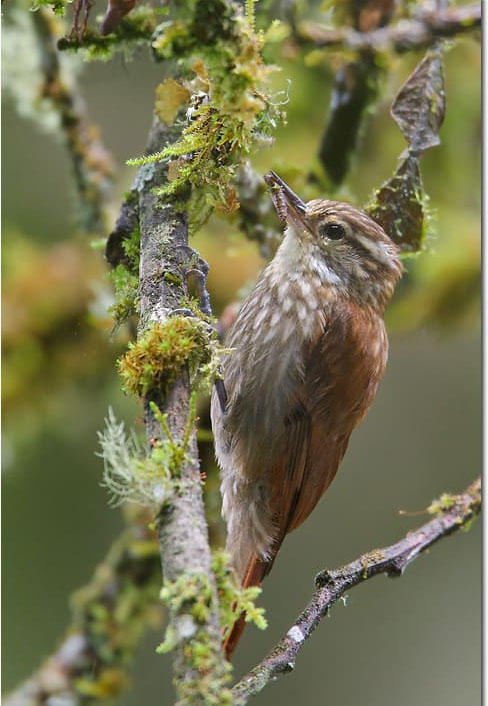
This 4-day Manu birding tour is designed for travelers who want to explore the remarkable transition between the Andes and Amazon. Along the route, we search for high-elevation specialties, colorful tanagers, hummingbirds, antpittas, toucans, woodpeckers, antbirds, macaws, parrots, and the spectacular Andean Cock-of-the-rock, Peru’s national bird.

The Guadalupe area adds another dimension to the experience, with productive forest habitats and excellent opportunities for observing Amazonian and foothill species. Our experienced birding guides help identify birds by sight and sound while adapting the itinerary to current bird activity and local conditions. manu biding 

Discover Birdwatching Manu Road from Cusco on a 4-day

Duration: 4 days / 3 nights
Minimum participants: 2 travelers
Maximum participants: 8 travelers plus guide
Service: Group basis
Birding season: April to October
Starting point: Cusco, Peru

Day 1: Discover Birdwatching Manu Road from Cusco  – Huacarpay Lake – Acjanacu – Paradise Lodge .

We leave Cusco early in the morning and travel toward Huacarpay Lake, an important birding site where we begin searching for high-Andean species and regional specialties. Depending on conditions, possible sightings include Bearded Mountaineer, Chestnut-breasted Mountain Finch, Andean Flicker, Mountain Caracara, Andean Lapwing, Giant Hummingbird, Rufous-webbed Bush-Tyrant, and various ground-tyrants.

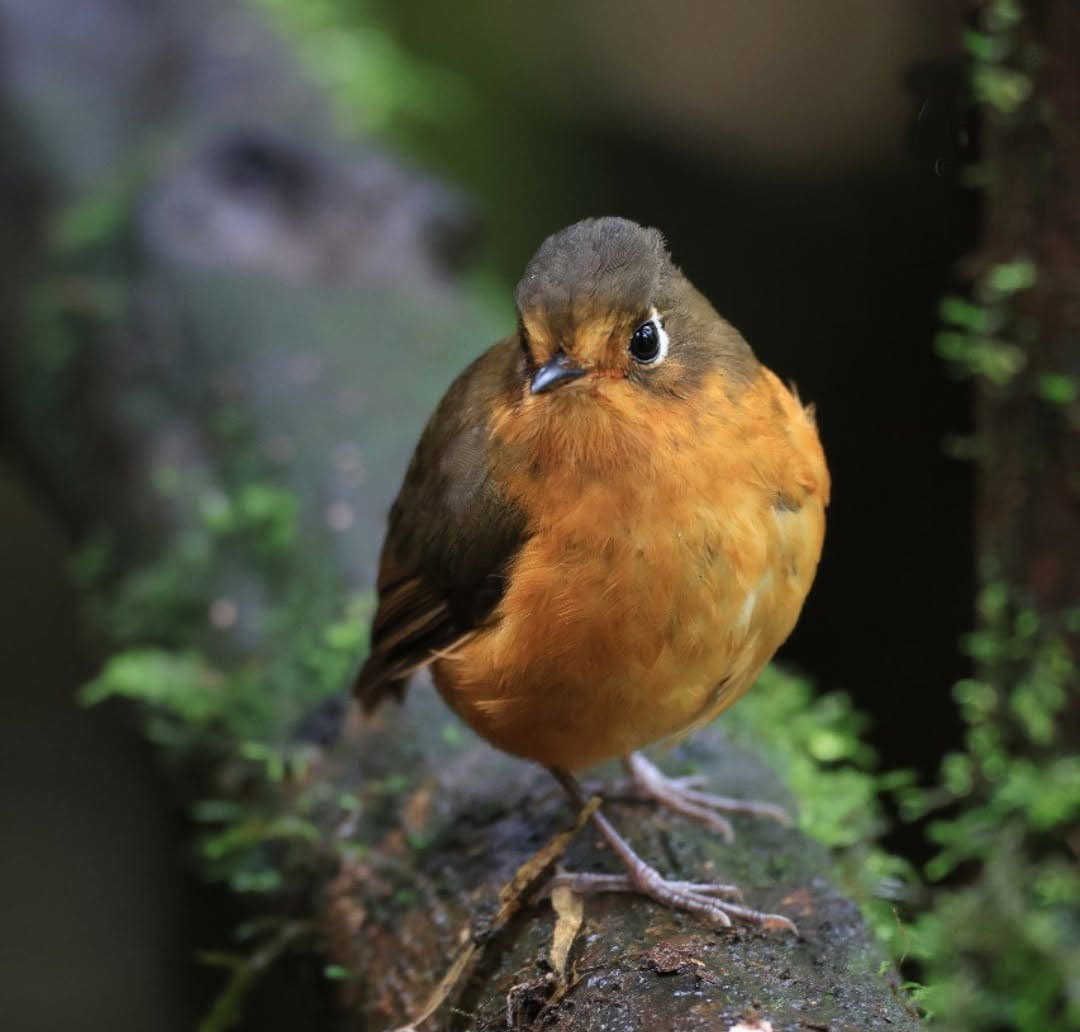
We then continue through the inter-Andean valleys, making strategic stops to search for species such as Undulated Antpitta, Rufous Antpitta, Rusty Flowerpiercer, Yellow Tanager, Red-crested Cotinga, Creamy-crested Spinetail, Sword-billed Hummingbird, Brown-backed Chat-Tyrant, and other flowerpiercers and flycatchers.

As we gain elevation, the landscape changes into the open puna of the high Andes. Here, we search for species adapted to this rugged environment, including Sedge Wren, Line-fronted Canastero, and Junin Canastero, before beginning our descent through the Acjanacu Pass.

The route then enters increasingly humid mountain forest. Mixed-species flocks can be particularly productive, offering opportunities to find Chestnut-bellied, Hooded, and Scarlet-bellied Mountain-Tanagers, along with Crimson-mantled Woodpecker, Plushcap, White-banded and White-throated Tyrannulets, Pearled Treerunner, Puna Thistletail, Black-throated Tody-Tyrant, Sierran Elaenia, Golden-collared Tanager, Grass-green Tanager, Blue-capped Tanager, Band-tailed Fruiteater, Barred Fruiteater, Streaked Tuftedcheek, and Purple-backed Thornbill.

At locations such as Tuneles and Esperanza, we continue birding along the cloud-forest road. Possible targets include Gray-breasted Mountain-Toucan, Chestnut-crested Cotinga, and the endemic Red-and-white Antpitta.

As we descend farther, the vegetation becomes denser and more tropical. We search for Golden-headed Quetzal, Stripe-faced Wood-Quail, Yungas Pygmy-Owl, Blue-banded Toucanet, Collared Jay, Mountain Cacique, and Greater Scythebill.

One of the day’s major highlights is the opportunity to visit a site for the Andean Cock-of-the-rock. If conditions are favorable, we may observe males gathering at a traditional lek to perform their remarkable courtship displays.

Overnight: Paradise Lodge.

Day 2: Paradise Lodge – Wetlands – Pona Lodge .

We begin the morning with another opportunity to observe the Andean Cock-of-the-rock from a designated viewing platform. The vivid males and their energetic courtship behavior make this one of the most memorable experiences of the Manu Road birding route.

Afterward, we visit flowering plants and feeders around the lodge, where hummingbirds can provide excellent close-range viewing. Possible species include Booted Racket-tail, Wire-crested Thorntail, Green Hermit, Many-spotted Hummingbird, Violet-fronted Brilliant, White-bellied Woodstar, Peruvian Racket-tail, Long-tailed Sylph, Wedge-billed Hummingbird, Speckled Hummingbird, and Sparkling Violetear.

During the afternoon, we continue toward the lower elevations and Pona Lodge . Along the route, we explore wetland and roadside habitats that support a different collection of birds.

A swamp along the route can be particularly interesting for observing Hoatzins, distinctive birds whose unusual appearance and behavior have earned them a prehistoric reputation. Other possible sightings include Brazilian Teal, Southern Lapwing, Amazon Kingfisher, Green Kingfisher, Little Woodpecker, Lineated Woodpecker, Spot-breasted Woodpecker, Gray-breasted Crake, Rufous-sided Crake, Capped Heron, Little Cuckoo, Silvered Antbird, and several species of flycatchers.

We arrive at Pona Lodge later in the day. Around dusk, we explore the surrounding road in search of Common Pauraque and other nocturnal or crepuscular species. The fading light can provide an exciting end to the day’s birding.

Overnight: Pona Lodge.

Day 3: Pona Lodge – Bamboo Forest – Foothill Forest .

We start the morning listening to the remarkable chorus of birds around Guadalupe Lodge. The bamboo and forest habitats here support a specialized community, making the early hours especially productive for birdwatching.

Among the species we may encounter or hear are White-bellied? [species should be verified against the operator’s current bird list], Mustached Wren, Scaly-breasted Wren, Golden-bellied Warbler, Buff-rumped Warbler, Warbling Antbird, Dot-winged Antwren, Bluish-fronted Jacamar, Manu Antbird, Striated Antbird, White-lined Antbird, and Stripe-chested Antwren. Blue-and-yellow Macaws may also be heard or seen flying over the forest during the morning.

After breakfast, we venture into the bamboo forest to search for some of the area’s more specialized and challenging species. With patience and the help of our expert guides, we look for birds such as White-cheeked Tody-Flycatcher, Red-billed Scythebill, Bamboo Antshrike, Ornate Antwren, White-eyed Antwren, Dot-winged Antwren, Peruvian Recurvebill, Dusky-cheeked Foliage-gleaner, Ruddy Foliage-gleaner, Buff-throated Foliage-gleaner, Large-headed Flatbill, Manu Antbird, Black Antbird, Rufous-headed Woodpecker, and Yellow-billed Nunbird.

In the afternoon, we explore another important habitat: foothill forest. Mixed flocks here can produce colorful tanagers and other canopy species, including Golden-collared Toucanet, Fasciated Antshrike, Red-billed Pied Tanager, Masked Tanager, Green-and-gold Tanager, Yellow-bellied Tanager, Yellow-crested Tanager, and Yellow-backed Tanager.

We also remain alert for raptors and other larger forest birds. Sightings of birds of prey are never guaranteed, but the Manu foothills offer opportunities to encounter impressive species when conditions are right.

The forest understory is also worth exploring for species such as Rusty-belted Tapaculo, Black-faced Antbird, and Golden-bellied Warbler.

Overnight:Pona Lodge.

Day 4:Discover Birdwatching Manu Road from Cusco on a 4-day-  Pona  Lodge – Palm Forest – Cusco .

We make an early start for the palm forest, focusing on parrots, parakeets, and macaws moving through the canopy. One of the potential highlights is the Blue-headed Macaw, which may be seen flying above the forest when conditions are favorable.

After the morning birding session, we return to the lodge for breakfast. At approximately 9:00 AM, we prepare for our return journey to Cusco.

The drive takes us gradually from the tropical foothills back toward the Andes, allowing us to experience once again the dramatic changes in vegetation and elevation along the Manu Road. We continue through the mountain landscapes and arrive in Cusco before dark, concluding our 4-day cloud forest and foothill birding adventure.

The Birdwatching Manu Cloud Forest 3 day

MANU CLOUD FOREST 3-DAY BIRDING TOUR

  The Birdwatching Manu Cloud Forest 3 day   Explore the remarkable bird diversity of Peru’s eastern Andes on a 3-day Manu Cloud Forest Birding Tour from Cusco. Following the scenic Manu Road, this compact birding itinerary travels from the high-Andean wetlands around Huacarpay Lake into the lush upper cloud forests of the Wayqecha area, where dramatic changes in elevation create a rich variety of habitats and birdlife. PERU BIRD

The journey combines roadside stops, forest trails, and canopy-level birding, giving participants opportunities to explore different layers of the montane ecosystem. Along the route, birders can search for high-Andean species, hummingbirds, tanagers, trogons, quetzals, flycatchers, and other cloud-forest birds, with mixed-species flocks providing some of the most productive birding encounters.

A major highlight is the opportunity to visit an Andean Cock-of-the-Rock lek. With favorable conditions, visitors may observe males gathering at a traditional display site and performing their distinctive courtship behavior—a memorable experience for anyone interested in Andean wildlife.

At Wayqecha Biological Station,

Birding continues through moss-covered cloud forest, forest edges, and canopy habitats. A canopy walkway provides a different perspective on the forest and can be especially useful for locating birds that spend much of their time above the understory. An optional night walk may also be arranged for those interested in searching for owls, nightjars, and other nocturnal species.

Designed for travelers who want to experience the Manu Road and Peru’s cloud forests without committing to a longer Amazon expedition, this itinerary combines intensive birding with spectacular mountain scenery and comfortable lodge-based accommodation. It is suitable for both visitors experiencing the Manu region for the first time and experienced birders looking to explore the productive elevational gradient between Cusco and the upper cloud forest. MANU RESERVED 

Depending on weather, season, bird activity, and time spent at different habitats, the itinerary can produce an estimated 120–160 species. The exact bird list will vary from trip to trip, but the combination of highland wetlands, montane forest, and cloud-forest habitats offers excellent potential for a diverse selection of Andean birds. TOUR TAMBOPATA MACAW CLAY LICK 

Itinerary from Cusco The Birdwatching Manu Cloud Forest 3 day .

Discover the spectacular Manu Road, the Kosñipata Valley, and the famous Andean Cock-of-the-Rock on a three-day journey from Cusco into one of Peru’s richest cloud forest ecosystems.

Leaving the highlands of Cusco behind, this unforgettable journey follows the dramatic road from the Andes toward the Amazon basin. Along the way, the landscape changes remarkably—from high-altitude wetlands and Andean grasslands to misty cloud forest filled with orchids, bromeliads, giant ferns, hummingbirds, toucans, tanagers, monkeys, and countless other species.

The highlight is a stay at Cock-of-the-Rock Lodge, a nature lodge in the Kosñipata Valley surrounded by the Bosque Nublado conservation area. Located at approximately 1,600 meters (5,250 feet) above sea level and about 165 kilometers (102 miles) from Cusco, the lodge provides an excellent base for exploring the cloud forest and searching for Peru’s spectacular national bird, the Andean Cock-of-the-Rock (Rupicola peruvianus). The journey from Cusco takes approximately eight hours, depending on road conditions, wildlife stops, and sightseeing along the route.

Day 1: Cusco – Huacarpay Lake – Acjanaco Pass – Manu Cloud Forest – Wayqecha .

Depart early from Cusco and travel toward Huacarpay Lake, an important high-Andean wetland and a productive location for birdwatching. The lake and surrounding reedbeds provide opportunities to look for waterbirds and other species adapted to the elevations around Cusco.

After birding at Huacarpay, continue toward Paucartambo and ascend to Acjanaco Pass, reaching approximately 3,550 meters (11,650 feet). This spectacular mountain pass marks the transition toward the Manu region and provides an excellent opportunity to observe high-elevation species.

From Acjanaco, begin the descent into the Manu Cloud Forest along the famous Manu Road. The rapid change in altitude brings new habitats and bird species, so we make regular stops along forest edges, roadside vegetation, and other productive birding locations.

Arrive at Wayqecha Biological Station in the afternoon. Depending on conditions and arrival time, enjoy an introductory birding walk along the station’s forest trails, looking especially for mixed-species flocks and active understory birds.

Possible bird sightings: Andean Goose, Plumbeous Rail, Golden-headed Quetzal, Blue-banded Toucanet, mountain tanagers, hummingbirds, flycatchers, and other high-Andean species.

Meals: Breakfast, Lunch, Dinner
Overnight: Wayqecha Biological Station

Day 2: Full-Day Birding at Wayqecha – Canopy Walkway – Cock-of-the-Rock Lek

Begin before breakfast or at first light, when bird activity is typically at its highest. Spend the morning exploring the trails around Wayqecha Biological Station, birding across different elevations and forest habitats.

The cloud forest supports a remarkable variety of birds, and mixed-species flocks can provide some of the most productive encounters of the day. Keep an eye out for colorful tanagers, hummingbirds, fruiteaters, toucanets, flycatchers, and other forest specialists.

Later, explore the canopy walkway, which provides a different perspective of the cloud forest and can bring you closer to birds moving through the upper levels of the vegetation.

One of the highlights of the day is a visit to an Andean Cock-of-the-Rock lek. Here, with patience and the guidance of your birding leader, you may observe displaying males gathering at a traditional courtship site. Their brilliant orange plumage and energetic displays make this one of the most memorable birding experiences in the Manu region.

Continue birding through the afternoon in suitable forest habitats. If conditions and logistics permit, an optional evening or night walk can be arranged to search for nocturnal wildlife and owls.

Possible bird sightings: Andean Cock-of-the-Rock, Scaled Fruiteater, Long-tailed Sylph, Collared Inca, tanagers, flycatchers, cloud forest owls, toucanets, and other Manu cloud forest species.

Meals: Breakfast, Lunch, Dinner
Overnight: Wayqecha Biological Station

Day 3: Morning Birding – Manu Road – Cusco

Take advantage of the early morning activity with a final birding session around Wayqecha. This is an excellent opportunity to target species missed during the previous days and enjoy the forest before beginning the return journey.

After breakfast, start the drive back toward Cusco along the Manu Road, making strategic birding stops as the route passes through different elevations and habitats. The changing vegetation provides opportunities for additional hummingbirds, tanagers, flycatchers, raptors, and other Andean species.

Continue through the highlands toward Cusco, arriving in the city in the late afternoon.

Possible bird sightings: High-elevation hummingbirds, trogons, tanagers, flycatchers, Andean raptors, and other species associated with the Manu Road’s changing elevations.

Meals: Breakfast, Lunch
End of Tour: Cusco

Why Choose This Manu Cloud Forest Birding Tour?

  • Explore the Manu Road, one of Peru’s classic birding routes.
  • Visit Huacarpay Lake, an important high-Andean wetland near Cusco.
  • Bird at different elevations from the Andean highlands to the Manu Cloud Forest.
  • Stay at Wayqecha Biological Station, surrounded by productive cloud forest habitat.
  • Search for the spectacular Andean Cock-of-the-Rock at a traditional lek.
  • Explore forest trails, edges, and canopy habitats with experienced birding guidance.
  • Enjoy excellent opportunities for hummingbirds, tanagers, toucanets, flycatchers, and other Andean species.
  • Experience a compact 3-day birding itinerary from Cusco without sacrificing access to one of the region’s most
  • productive cloud forest environments.

Expect:

  • Cloud forest surroundings
  • Nature trails
  • Birdwatching opportunities
  • Wildlife observation
  • Photography
  • Hot-water bathrooms
  • Simple, comfortable accommodation
  • Communal areas
  • Night-walk opportunities
  • Access to the spectacular Kosñipata landscape
Tarjetas y métodos de pago aceptados - Visa, MasterCard, PayPal