Full 1
MANU TOURS
MANU TOUR ZONE RESERVED 4 DAYS
Full 1
previous arrow
next arrow
Shadow

The Amazon Explore Manu Park

Manu National Park: Biodiversity, Wildlife, and Amazon Tours in Peru

Discover  The Amazon Explore Manu Park, one of Peru’s most remarkable natural treasures and an extraordinary destination for travelers interested in Amazon biodiversity, wildlife observation, birdwatching, nature photography, and responsible tourism.

Located in southeastern Peru, where the Andes meet the Amazon rainforest, Manu protects a spectacular variety of landscapes. From high-Andean grasslands and mist-covered cloud forests to lowland tropical rainforest, its ecosystems support an exceptional diversity of plants, birds, mammals, amphibians, reptiles, and other wildlife.

For domestic and international travelers, a journey to the Manu region offers an opportunity to experience the natural richness of Peru while learning about the importance of conservation and the cultural diversity of the Amazon.

Whether you are a wildlife photographer, a birdwatcher, a nature enthusiast, a researcher, or a traveler seeking a deeper connection with the natural world, Manu deserves a place on your Peru travel itinerary.

Planning a nature adventure in Peru? Contact [Your Company Name] to ask about authorized Manu-area tours, available travel dates, itinerary options, and experiences tailored to your interests.

Where Is Manu National Park Located?

Manu National Park is located in southeastern Peru, across parts of the Cusco and Madre de Dios regions. It protects an extensive area along the eastern slopes of the Andes and into the Amazon basin.

This geographical position is one of the main reasons for Manu’s extraordinary biodiversity. As elevation decreases from the mountains toward the rainforest, temperature, humidity, vegetation, and habitat conditions change dramatically. manu  reserved zone 

The park’s surroundings include several distinct geographical and ecological zones:

Cusco region: Associated with the Andean highlands, cloud forests, and access routes from the Cusco area.
Madre de Dios region: Associated with extensive Amazonian forests, tropical rivers, and lowland rainforest environments.
Andean-Amazonian transition: A complex ecological corridor where mountain and tropical forest ecosystems connect.

The Manu Biosphere Reserve is larger than the national park itself. It includes the park’s core conservation area and additional territories with different management purposes and human activities.

This distinction matters when planning a trip: not every place marketed as a Manu experience is located inside Manu National Park. Your itinerary should clearly identify which areas you will visit and which access permissions apply.

How Large is The Amazon Explore Manu Park

Manu National Park covers approximately 1,716,295 hectares, equivalent to more than 17,000 square kilometers.

The park was established in 1973, and its boundaries were subsequently expanded. UNESCO records the current World Heritage property at 1,716,295.22 hectares, following a boundary extension in 2009.

Its enormous size helps protect large, interconnected habitats and ecological processes across the Andes-Amazon transition.

Rather than being a single type of rainforest, Manu encompasses a broad range of environments. This variety provides habitats for species with different requirements and contributes to its international importance for conservation and scientific research.

History of The Amazon Explore Manu Park .

The establishment of Manu National Park marked an important milestone in Peru’s efforts to conserve its natural heritage.

1973: Establishment of the national park

Manu National Park was formally established by Supreme Decree No. 0644-73-AG. Its creation aimed to protect a vast area of Andean and Amazonian ecosystems and the extraordinary biodiversity they contain.

1977: Recognition as a Biosphere Reserve

UNESCO recognized the Manu Biosphere Reserve through its Man and the Biosphere Programme. This broader designation emphasizes the relationship between biodiversity conservation, scientific research, and sustainable development.

1987: UNESCO World Heritage Site

Manu National Park was inscribed on the UNESCO World Heritage List in recognition of its outstanding universal value, particularly its ecological processes and exceptional biological diversity.

2009: Extension of the World Heritage property

The World Heritage property was extended to reflect the protected area’s expanded boundaries and its important elevation gradient.

Together, these milestones established Manu as one of the most internationally significant protected natural areas in Peru.

Why Is The Amazon Explore Manu Park Important?

The importance of Manu National Park lies in the combination of its size, ecological diversity, relatively intact habitats, and role in protecting species and natural processes.

An extraordinary elevation gradient

Manu extends from lowland Amazonian rainforest to high elevations exceeding 4,000 meters above sea level.

This variation creates multiple climate zones and habitats within one protected landscape. Species adapted to cool mountain environments coexist, across the wider elevation gradient, with species associated with humid tropical forests.

A major refuge for biodiversity

UNESCO identifies Manu as one of the world’s outstanding areas for terrestrial biodiversity. Its forests and other habitats support hundreds of bird species, more than 200 mammal species, numerous reptiles and amphibians, and an enormous variety of plants and invertebrates.

Scientific inventories continue to improve our understanding of this complex ecosystem.

Connected forests and watersheds

Manu’s ecosystems play important roles in maintaining water cycles, storing carbon, supporting food webs, and preserving ecological connections between the Andes and the Amazon lowlands.

Protecting these natural systems is important not only for wildlife but also for the long-term resilience of the wider region.

A place for science and conservation

The park provides opportunities for ecological research, biodiversity monitoring, and environmental education. Its protected habitats help scientists investigate tropical ecosystems and understand the relationships between species, climate, and landscape.

Biodiversity of The Amazon Explore Manu Park .

Biodiversity is the defining characteristic of Manu National Park. The area’s exceptional range of elevations, climates, and habitats supports an extraordinary variety of life.

For visitors, this diversity means that a journey through the wider Manu region can reveal different forest types, changing vegetation, bird communities, insects, and signs of mammals along the way.

Wildlife sightings, however, depend on location, season, weather, animal behavior, and the length of the visit. Manu is a wild ecosystem, not a wildlife park where animals can be guaranteed to appear on demand.

Birds of Manu National Park

Birdwatching is one of the most rewarding activities associated with Manu.

UNESCO’s World Heritage information reports more than 800 recorded bird species in the park, while its Biosphere Reserve profile lists 860 identified species. These figures refer to different official profiles and may vary as inventories and geographic boundaries are updated.

The area’s varied habitats support an impressive range of birdlife, from highland and cloud-forest species to birds of the tropical lowlands.

Depending on the route and habitat, visitors may have opportunities to observe:

  • Macaws and other colorful parrots.
  • Toucans and aracaris.
  • Trogons and motmots.
  • Hummingbirds.
  • Raptors and forest birds.
  • River-associated birds and species of wetland habitats.

Birdwatching itineraries can be particularly rewarding for travelers who enjoy identifying species, observing behavior, and documenting birds in their natural environments.

Photography tip: Bring binoculars, a camera with a suitable telephoto lens, spare batteries, and protection against humidity. A local naturalist or birding guide can help identify calls, explain behavior, and locate appropriate observation points without disturbing wildlife.

Mammals and Other Wildlife The Amazon Explore Manu Park .

Manu’s forests are home to an exceptional variety of mammals and other animals. Its wider ecological gradient supports species associated with both mountain and lowland environments.

Notable mammals associated with the region include:

  • Jaguar: A powerful and elusive predator of tropical forest ecosystems.
  • Giant otter: An aquatic mammal associated with suitable rivers and oxbow lakes.
  • Capybara: A large semiaquatic rodent found in appropriate lowland habitats.
  • Monkeys: Several primate species inhabit the forests.
  • Tapirs: Important forest mammals that contribute to ecological processes, including seed dispersal.
  • Giant armadillo: A rarely encountered mammal associated with extensive natural habitats.

Other wildlife includes reptiles, amphibians, freshwater fish, butterflies, and countless invertebrates.

The best wildlife encounters generally come from patience, quiet observation, and realistic expectations. Some species are difficult to see, even in areas known for high biodiversity.

Flora of The Amazon Explore Manu Park .

Manu’s plant diversity reflects its dramatic changes in elevation, temperature, and moisture.

The park encompasses highland vegetation, montane forests, cloud forests, and tropical lowland rainforest. Each environment supports different plant communities adapted to local conditions.

Among the region’s notable plant groups are:

  • Tall tropical trees that form the forest canopy.
  • Palms and other characteristic Amazonian plants.
  • Epiphytes, including orchids and bromeliads.
  • Ferns and mosses in humid forest environments.
  • Plants adapted to cooler mountain conditions.

Forest conservation is essential because vegetation provides habitat, stores carbon, protects soils, regulates water movement, and supports food webs throughout the region.

For nature enthusiasts, observing the differences between forest types can be just as rewarding as searching for individual animal species.
The Main Ecosystems of Manu National Park

One of Manu’s most distinctive features is the transition between several major ecosystems within a relatively connected protected landscape.

1. High-Andean grasslands

At higher elevations, mountain grasslands and other highland environments experience cooler temperatures and changing weather conditions.

These landscapes provide a striking contrast to the dense tropical forests farther downslope. They are also important for understanding the ecological transition from the Andes to the Amazon.

2. Cloud forests

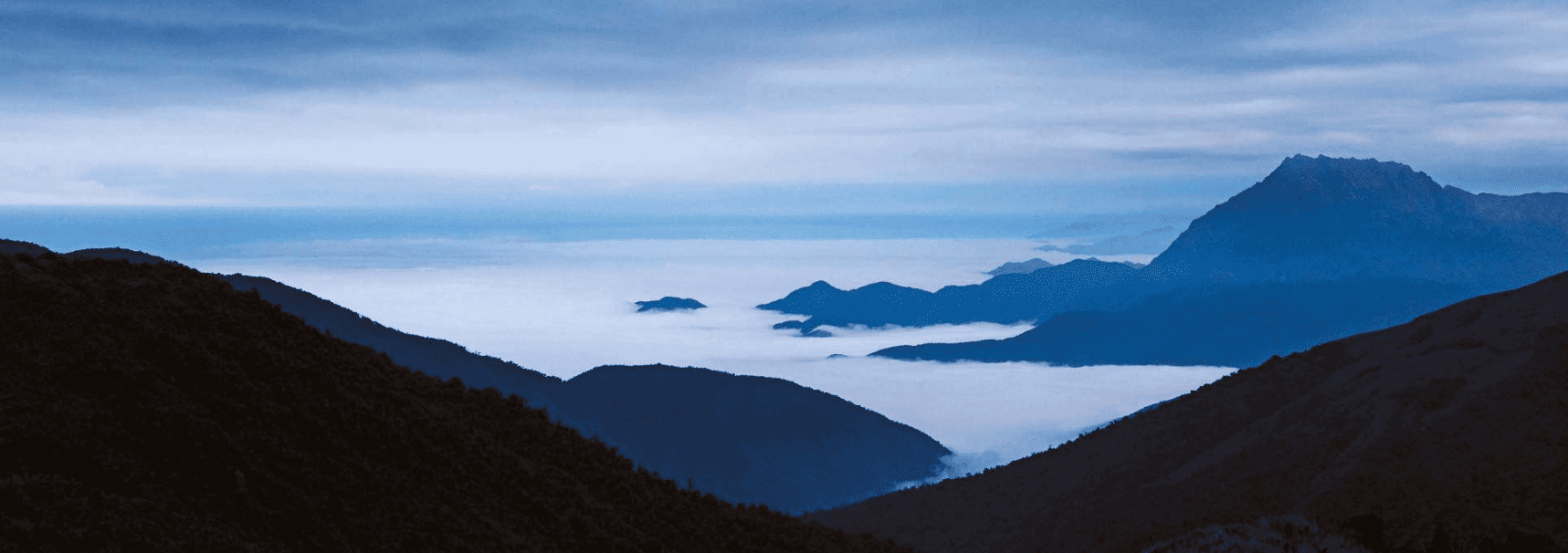
Cloud forests occupy humid mountain environments where mist and moisture support lush vegetation.

Visitors may encounter moss-covered branches, ferns, epiphytes, orchids, and a variety of forest birds. The atmosphere can change rapidly, creating dramatic conditions for landscape photography.

Cloud forests are especially appealing to photographers who enjoy natural textures, soft light, layered vegetation, and misty mountain scenery.

3. Montane forests

Montane forests form part of the transition between highland ecosystems and the lowland Amazon.

Their vegetation structure, temperature, and wildlife communities differ from those of the higher grasslands and warmer tropical forests. This makes them valuable for observing how biodiversity changes with elevation.

4. Lowland Amazon rainforest

The lowland rainforest features a complex arrangement of trees, understory vegetation, waterways, and forest clearings.

These habitats support a wide range of birds, mammals, reptiles, amphibians, and invertebrates. Depending on the authorized itinerary, visitors may explore forest trails, observe wildlife from suitable viewpoints, and learn about tropical ecology from experienced guides.

The lowland forest is also important for maintaining carbon storage, water cycles, and the ecological relationships that sustain Amazonian biodiversity.

Indigenous Peoples and Cultural Diversity -The Amazon Explore Manu Park .

Manu’s importance extends beyond its natural ecosystems. The wider region has a long history of human presence and is home to Indigenous peoples with distinct languages, traditions, knowledge systems, and relationships with the forest.

UNESCO identifies Indigenous communities in the Biosphere Reserve, including Matsigenka, Yine, Harakbut, and Quechua peoples.

Some Indigenous peoples in the region live in voluntary isolation or initial contact. Their rights, safety, and ability to determine their own relationships with the outside world must be respected.

Responsible tourism must therefore avoid treating Indigenous communities as attractions. Visitors should never attempt unauthorized encounters, photograph people without appropriate consent, or seek access to restricted territories.  TRIPS  MAACW CLAY LICK 

Where community-based tourism is authorized and welcomed, respectful visits can provide opportunities to learn about local knowledge and support community-led initiatives.

International Recognition of The Amazon Explore Manu Park .

Manu Biosphere Reserve

The Manu Biosphere Reserve was recognized by UNESCO in 1977 through the Man and the Biosphere Programme.

The reserve covers a wider territory than the national park and brings together conservation objectives with research and compatible human activities.

UNESCO World Heritage Site

Manu National Park was inscribed on the UNESCO World Heritage List in 1987.

Its designation recognizes the outstanding ecological processes and biodiversity associated with the meeting of the Tropical Andes and the Amazon Basin.

These distinctions are related but not interchangeable: the national park is a protected area, the Biosphere Reserve encompasses a broader landscape, and World Heritage status recognizes the park’s outstanding universal value.

Conservation Objectives of The Amazon Explore Manu Park .

The park’s conservation objectives reflect the need to protect biodiversity, natural landscapes, ecological processes, and cultural values.

Key objectives include:

  • Conserving representative ecosystems of the southeastern Peruvian Andes and Amazon.
  • Protecting wildlife habitats and the ecological connections between different elevations.
  • Supporting authorized scientific research and environmental education.
  • Encouraging tourism compatible with conservation regulations.
  • Protecting archaeological heritage where applicable.
  • Respecting Indigenous peoples and the protections associated with peoples living in voluntary isolation or initial contact.
  • Strengthening conservation management through coordination among relevant authorities and stakeholders.

Tourism can contribute positively when it follows regulations, respects local communities, minimizes environmental impact, and supports responsible operators.

Tourism in Manu National Park: What Can You Experience?

A journey to Manu can be a memorable experience for travelers interested in biodiversity, natural landscapes, and the Amazon rainforest.

However, access is regulated, and not every part of the park is open to general tourism. Visitors should plan their trip around authorized routes and the rules applying to each sector.  The official Peruvian protected-areas tourism service advises visitors to use operators authorized by SERNANP for visits to the park.

Wildlife observation : Guided wildlife observation allows visitors to learn about animal behavior, habitats, and the ecological relationships that sustain the forest.

Animals are not guaranteed to appear. A responsible guide will explain how to observe wildlife without pursuing, feeding, touching, or disturbing it.
Birdwatching : Manu is an excellent destination to consider for birdwatching because of its variety of habitats and bird communities.

Depending on the itinerary, visitors may focus on identifying species by sight and sound, photographing birds, and learning about their ecological roles.

Nature and wildlife photography : Manu offers opportunities to photograph landscapes, forest vegetation, birds, insects, river environments, and wildlife encountered along authorized routes.

Photographers should prepare for changing light, humidity, rain, and challenging conditions. Patience is essential, and ethical photography must take priority over obtaining a particular image.

Guided forest walks : Where permitted, guided walks can reveal the complexity of the rainforest, including plant adaptations, animal tracks, insects, and relationships between species.

A knowledgeable guide can help visitors notice details that would otherwise be easy to overlook.
Landscape and ecological interpretation : The journey through the Andes-Amazon transition offers an opportunity to understand how elevation, climate, water, and vegetation shape different ecosystems. SANDOVAL  LAKE 

The changing landscape is a central part of the Manu experience, even when wildlife sightings are limited.

A Practical Manu Nature Tour Program

The right itinerary depends on your available time, wildlife interests, preferred comfort level, and the areas currently authorized for tourism.

The following framework can help you plan a nature-focused trip. It is an illustrative planning structure, not a confirmed itinerary or a guarantee of access to particular sectors.

Before departure: Prepare for the Amazon : Discuss your travel dates, fitness level, photography equipment, birdwatching interests, and accommodation preferences with your tour operator.

Confirm the authorized route, transport arrangements, entry requirements, accommodation, meals, guide services, and any additional fees before booking.
During the journey: Discover changing ecosystems : A suitable itinerary may combine the Andean-Amazonian transition, cloud-forest landscapes, and authorized rainforest experiences, depending on the route selected. Allow time for interpretation, photography, wildlife observation, and rest rather than trying to maximize the number of stops.

In the forest: Observe and learn : Follow your guide’s instructions, remain on permitted trails, and keep a respectful distance from wildlife.

Record observations in a field notebook or photograph plants and animals without disturbing them. Learning about the forest is an important part of the experience, even when particular species remain hidden.

After the journey: Support conservation : Consider sharing your experience responsibly, respecting restrictions on sensitive location information, and supporting conservation initiatives or community-led tourism where appropriate.

A meaningful nature trip is measured not only by the photographs you bring home but also by the care taken to protect the places and people you encounter.

Best Time to Visit  to The Amazon Explore Manu Park:

Manu’s climate varies with elevation, and weather can influence transport, trail conditions, visibility, and wildlife observation.

SERNANP identifies April through November as a recommended visiting period in its official visitor information, while December through March is generally associated with the rainy season.

Conditions can vary considerably between the highlands, cloud forests, and lowland rainforest. There is no single month that guarantees the best wildlife sightings for every visitor.

When choosing travel dates, consider:

Birdwatching: Choose an itinerary based on target species, habitat, and the expertise of your guide.
Wildlife photography: Allow flexibility for changing weather, lighting, and animal behavior.
Landscape photography: Consider how cloud cover, mist, and rainfall may affect the atmosphere and visibility.
Comfort and accessibility: Ask your operator about current road, river, and trail conditions.
Conservation and access: Confirm that the intended route is authorized and operating during your travel dates.

For the most reliable planning, check current conditions with SERNANP and your authorized tour operator before departure.

What to Pack for a Manu Nature Tour

Packing appropriately can make your trip more comfortable and help protect your equipment in humid conditions.

Consider bringing:

  • Lightweight, quick-drying clothing suitable for warm and humid environments.
  • Long-sleeved shirts and long trousers.
  • Comfortable walking shoes appropriate for the planned route.
  • A rain jacket or suitable rain protection.
  • Insect repellent and sun protection.
  • Binoculars for birdwatching and wildlife observation.
  • A camera, appropriate lenses, spare batteries, and memory cards.
  • Waterproof bags or protective covers for electronics.
  • A reusable water bottle, where permitted and suitable for the itinerary.
  • Personal medication and any items recommended by your operator.

Your final packing list should reflect the actual route, accommodation, season, and activities included in your tour.
The Wild Amazon Peru

Wild Amazon Peru

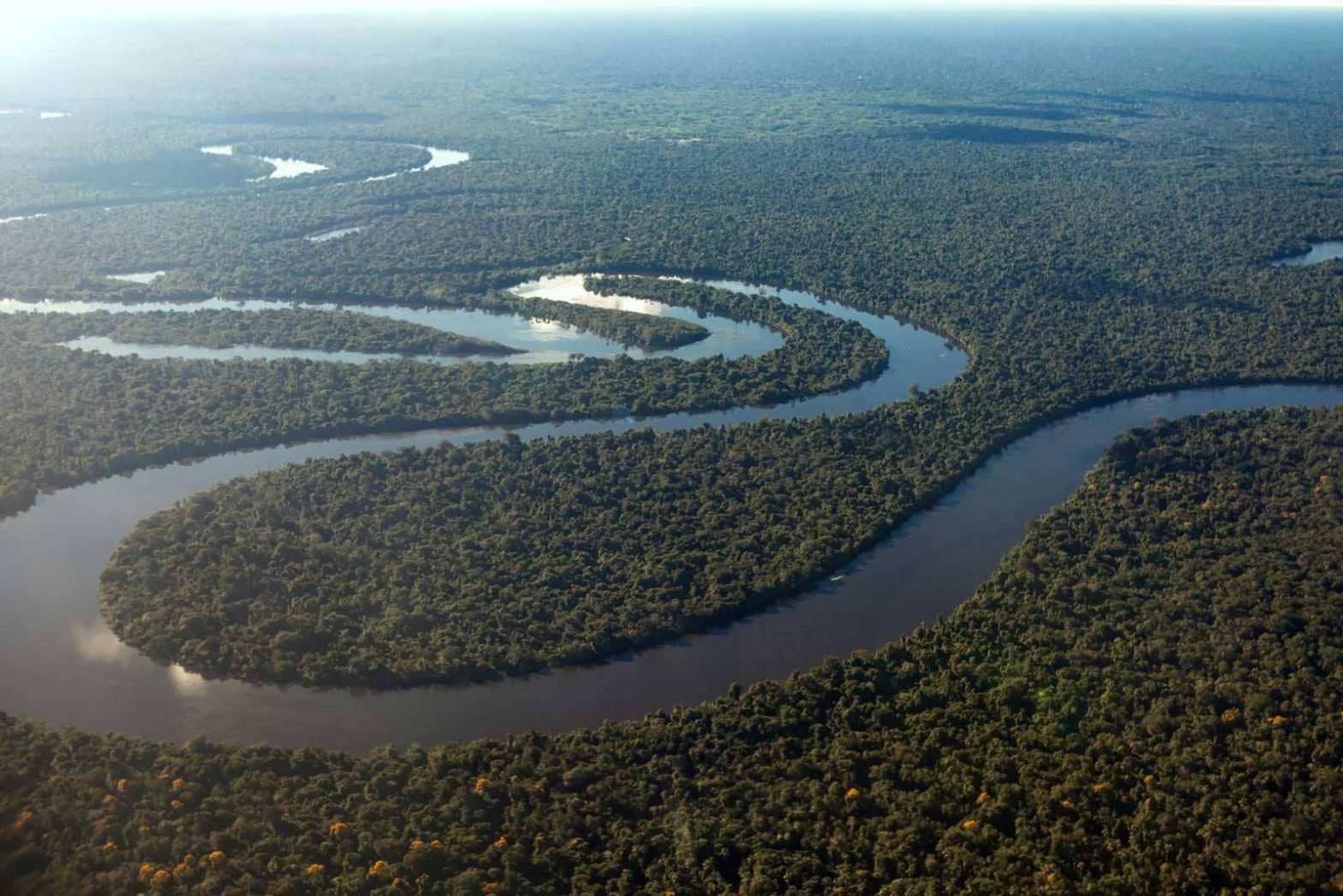
The Wild Amazon Peru South America is home to the largest tropical rainforest on Earth: the Peruvian Amazon. This vast forest ecosystem, covering millions of square kilometers across the Amazon Basin, is one of the greatest treasures of life on our planet. Within this immense world of extraordinary shapes, colors, and landscapes lives an unparalleled diversity of plants and

animals, much of which has yet to be fully documented and studied. manu reserve zone 

It is this extraordinary region that has helped make Peru one of the most biologically diverse countries in the world. Here, remarkable biodiversity records have been achieved, thanks in part to the rainforest’s complex vertical structure, where different species occupy different levels of the forest, from the forest floor to the highest canopy.

The Amazon is also a vast natural laboratory and a source of countless biochemical compounds that have contributed to the development of medicines and treatments for many diseases.

Much of the traditional knowledge associated with these plants and their uses has been preserved by the Indigenous peoples who have lived in the rainforest for generations.

Wild Amazon Peru invites travelers to look beyond the conventional and discover a world of extraordinary beauty and biodiversity. Through accessible language and spectacular imagery, the experience offers a glimpse into one of the most fascinating ecosystems on Earth.

The vision is inspired by the work of Heinz Plenge, one of Peru’s talented photographers and a committed conservationist. The goal is to awaken the enthusiasm of travelers seeking a

unique experience in this delicate paradise and to encourage a deeper appreciation and respect for nature.

We hope that those who experience the Amazon firsthand will return home inspired by its beauty and become ambassadors for its conservation.

Manu Paradise to The Wild Amazon Peru

Amazon journeys awaken countless associations: an unexplored world, a refuge for animal and plant species that are still being discovered, the ancestral home of Indigenous peoples, and the largest tropical rainforest on the planet.

The Amazon is also a vast green, humid, and powerful ecosystem inhabited by an extraordinary range of wildlife. Snakes, caimans, piranhas, jaguars, insects, birds, monkeys, and countless

other species have evolved within its complex network of rivers, forests, wetlands, and waterways.

At the same time, the Amazon is a region facing enormous economic and environmental pressures. Agriculture, cattle ranching, energy production, logging, mining, oil and gas extraction, and infrastructure development have transformed parts of the rainforest.

This makes conservation of the Amazon more important than ever.

The Wild Amazon Peru  : A Global Center of Biodiversity

The Amazon is one of the world’s most important centers of biodiversity. It contains an extraordinary concentration of genes, species, habitats, and ecosystems.

The Amazon River and its enormous network of tributaries form the backbone of this ecosystem. With a length of more than 6,000 kilometers, the Amazon River is one of the world’s largest rivers by length and the largest by volume of water discharged.

Its countless tributaries shape both the aquatic and terrestrial landscapes of the Amazon Basin.

The diversity of fish found in Amazonian waters is remarkable, with thousands of species inhabiting the rivers, streams, lakes, and flooded forests.

The Amazon is often described as a living library of biodiversity. Countless animal and plant species depend on the complex relationships that connect the forest, rivers, wetlands, soil, and climate.

Indigenous Peoples of The Wild Amazon Peru

The Amazon is also home to numerous Indigenous peoples, each with unique cultures, traditions, languages, and relationships with the natural environment.

For generations, Indigenous communities have developed an intimate understanding of the rainforest and its resources. Their knowledge of plants, animals, rivers, seasons, and ecological cycles represents an invaluable cultural heritage.

Some Indigenous peoples live in remote regions of the Amazon with limited contact with the outside world. Their existence highlights the importance of protecting not only the rainforest

itself but also the cultural diversity of the people who have depended on it for generations.

The Amazon is therefore much more than a collection of trees and wildlife. It is a living cultural and ecological landscape.

Threats Facing the Amazon Rainforest

Despite its extraordinary importance, the Amazon faces significant environmental pressures.

Deforestation, agricultural expansion, cattle ranching, road construction, logging, mining, and the extraction of natural resources have altered large areas of rainforest.

Gold mining and other extractive activities can cause serious environmental damage, particularly when toxic substances enter rivers and soils.

Another growing concern is the phenomenon sometimes described as “empty forests.” These are areas where hunting and habitat disturbance have reduced wildlife populations so severely

that many of the larger species no longer play their natural ecological roles.

Because every element of the rainforest ecosystem is interconnected, the disappearance of individual species can have consequences far beyond the species itself.

Protecting the Amazon Through Conservation – The Wild Amazon Peru

One of the most important opportunities for protecting the Amazon lies in the creation and effective management of large protected areas.

For conservation areas to be successful, they need to be large enough to protect complete ecosystems, maintain natural water cycles, support wildlife populations, and allow ecological processes to continue over time.

In the Amazon, protecting individual fragments of forest is often not enough. Rivers, watersheds, forests, wetlands, and surrounding habitats are interconnected.

When large landscapes are protected as a whole, wildlife can move between different habitats and plant populations can adapt to changing environmental conditions.

Protected areas also help maintain the Amazon’s role in regional and global climate systems.

Connecting Protected Areas – The Wild Amazon Peru

Another essential element of conservation is connectivity.

Wildlife needs to move between habitats in search of food, water, shelter, and breeding grounds. Plants also depend on animals and natural processes to disperse their seeds.

Creating ecological corridors between protected areas can therefore help maintain healthy populations and increase the resilience of ecosystems.

From the eastern slopes of the Andes to the lowland rainforest, the Amazon encompasses an extraordinary variety of geographical, geological, and climatic environments.

Protecting these interconnected landscapes is essential for maintaining their biodiversity.

Sustainable Development in The Wild Amazon Peru

Conservation does not mean that people cannot live and work in the Amazon. Instead, long-term solutions require responsible and sustainable ways of using natural resources.

Sustainable agriculture, responsible tourism, carefully managed forestry, scientific research, and community-based conservation can all contribute to protecting the rainforest while supporting local communities.

The challenge is to develop economic opportunities without destroying the ecosystems upon which future generations will depend.

Only through responsible management and long-term conservation can we hope to pass on this extraordinary natural heritage.

Birdwatching in Tambopata

The Amazon is one of the world’s great destinations for birdwatching. Tambopata, in southeastern Peru, offers an exceptional variety of habitats where travelers can observe an impressive

range of tropical birds.  tambopata tour macaw clay lick 

Birdwatching in the Amazon can begin early in the morning, when the forest becomes especially active. Colorful parrots, parakeets, toucans, tanagers, hummingbirds, woodpeckers, and many other species can be observed throughout the rainforest.

The experience becomes completely different after sunset.

Nocturnal Birds of the Manu and  The Wild Amazon Peru

The tropical forests of the Manu region and the wider Amazon are home to numerous nocturnal birds.

Several species of owls inhabit the region. The Tropical Screech-Owl (Megascops choliba), for example, is known for its distinctive calls, which may be heard shortly after sunset or before dawn.

Nightjars are also fascinating nocturnal birds. Members of the Caprimulgidae family are often seen around dusk, flying silently through the air as they capture insects.

Because of their nocturnal habits and flight patterns, nightjars can sometimes be mistaken for bats.

Potoos: Masters of Camouflage – The Wild Amazon Peru

Potoos are another remarkable group of nocturnal birds found in tropical America.

During the day, potoos remain motionless on branches, using their cryptic gray and brown plumage to resemble a broken or dead branch.

Their rigid posture and exceptional camouflage make them surprisingly difficult to find, even when they are relatively close.

Seeing a potoo in the wild is often a memorable experience for birdwatchers visiting the Amazon.

Night Birds Along the Rivers

Some nocturnal birds can be observed near Amazonian rivers and forest edges after dark.

With a flashlight, experienced guides can sometimes locate birds by the reflection of their eyes or by listening for their calls.

The Pauraque (Nyctidromus albicollis) is one of the most widespread nightjars in the region. It is often seen around clearings, villages, roads, and other open areas after sunset.

The Sand-colored Nighthawk (Chordeiles rupestris) can also be encountered around open areas and settlements, particularly during the evening.

The Oilbird

The Oilbird (Steatornis caripensis) is one of the Amazon’s most unusual nocturnal birds.

Although it resembles a nightjar, the Oilbird belongs to its own distinctive family. It is especially famous for its ability to use echolocation to navigate in dark caves, a remarkable adaptation among birds.

Oilbirds are primarily nocturnal and feed mainly on fruit. Observing them in their natural environment provides another fascinating example of the extraordinary adaptations that have evolved within tropical ecosystems.

Discover the Wild Amazon of Peru

The Peruvian Amazon is much more than a destination for wildlife viewing. It is a place where rivers, forests, mountains, wildlife, Indigenous cultures, and climate systems are deeply interconnected.

From the cloud forests of the Andes to the lowland rainforest of Manu and Tambopata, travelers can experience an extraordinary range of landscapes and ecosystems.

A journey into the Wild Amazon of Peru offers the opportunity to observe wildlife, explore remote rivers, discover remarkable birds, and experience the sounds and rhythms of one of the world’s most important natural environments.

Most importantly, visiting the Amazon can help travelers understand why protecting this extraordinary ecosystem matters—not only for Peru, but for the entire planet.

The Amazon Rainforest Lodge

Amazon Rainforest Lodge Peru

  The Amazon Rainforest Lodge: A journey deep into the Peruvian Amazon Rainforest is an unforgettable experience. The adventure itself—traveling along winding rivers and exploring the pristine rainforest—is more than enough to leave a lasting impression. However, wildlife enthusiasts are rewarded with extraordinary biodiversity. During our expeditions, we have recorded an impressive variety of birdlife, including 37 species of hummingbirds, 45 species of antbirds, and 18 species of parrots, including 7 species of macaws, among many others. These remarkable sightings can be enjoyed in destinations such as Manu National Park, Tambopata Reserve Lodge, and Sandoval Lake Reserve Lodge.

Manu Biosphere Lodge

Website: www.manujungletrips.com

Manu Biosphere Reserve – Amazon Rainforest Lodge Peru

The Manu Biosphere Reserve is located in southeastern Peru and covers approximately 1.9 million hectares of protected rainforest. Around 6,500 Quechua people and 2,000 Indigenous Amazonian inhabitants live within the reserve.

The reserve encompasses three major biogeographical regions: the Puna, the Yungas, and the Amazon Rainforest, ranging in elevation from 200 to 4,020 meters (656 to 13,190 feet) above sea level. Combined with its diverse topography, soils, and climatic conditions, these ecosystems create one of the highest levels of biodiversity on Earth. Recognized as a UNESCO World Heritage Site, the Manu Biosphere Reserve is home to countless species of plants and animals, including many that are considered endangered.

The reserve is divided into three main zones:

Core Area: Manu National Park, dedicated to strict conservation.
Buffer Zone: Includes Indigenous territories and private ecological reserves.
Transition Zone: Contains experimental areas, traditional land-use areas, and regions for sustainable development.

The Cocha Cashu Biological Station serves as an internationally recognized research center where scientists study biological species and ecosystems. Since 1987, extensive biodiversity inventories have been conducted throughout the Manu Reserve.

Research and monitoring programs are also carried out in both the core and buffer zones. Applied research focuses on the sustainable management of valuable natural resources, including Cedrela odorata (Spanish cedar) and Podocnemis unifilis (yellow-spotted river turtle).

Since 1991, agroforestry projects have been implemented to improve soil fertility and fallow agriculture. These initiatives have been complemented by studies on livestock production systems, forage resources for ruminants, and sustainable fisheries management.

The Peruvian government officially recognizes Indigenous land ownership within the traditional use areas of the reserve. Colonization around Manu National Park began during the 1940s, driven primarily by logging and agricultural activities. Today, local communities continue to access natural resources through small-scale mining, subsistence agriculture, cattle ranching, and sustainable forest use in the Amazon Rainforest.

The Manu Cultural Zone VS Reserved Zone Whats the Difference

The Manu Cultural Zone VS Reserved Zone Whats the Difference

The Manu Cultural Zone VS Reserved Zone Whats the Difference  : is one of the world’s most extraordinary nature destinations. Located between the regions of Cusco and Madre de Dios, it protects more than 1.7 million hectares of tropical rainforest, home to thousands of plant and animal species, many of which are found only in the Peruvian Amazon. Manu Jungle Trips .
Recognized as both a UNESCO World Heritage Site and a Biosphere Reserve, this natural paradise offers unforgettable experiences for travelers, photographers, scientists, birdwatchers, and ecotourism enthusiasts.
Before planning your trip, it’s important to understand the difference between the Manu Cultural Zone and the Manu Reserved Zone, as each offers a completely different travel experience.

What Is the Difference Between the Manu Cultural Zone and the Manu Reserved Zone?

Although both areas are part of Manu National Park, they differ significantly in terms of accessibility, tourism activities, biodiversity, and conservation levels.
The Cultural Zone is designed for sustainable tourism and is accessible to visitors, while the Reserved Zone is the park’s most strictly protected area, where access is highly restricted in order to preserve its virtually untouched ecosystems. PERUVIAN AMAZON 
The best choice depends on the type of adventure you’re looking for. Manu Jungle Trips .

Manu Cultural Zone: Nature, Culture, and Adventure

The Manu Cultural Zone serves as the gateway to Manu National Park and is the ideal option for travelers who want to experience the Peruvian Amazon without undertaking an extreme expedition.
Its relatively easy access allows visitors to enjoy cloud forests, tropical rainforest, rivers, wildlife, and local indigenous communities all within the same journey. Manu Jungle Trips .

During your trip, you can:

  • Hike through cloud forests filled with orchids.
  • Observe monkeys, toucans, the Andean cock-of-the-rock, and colorful butterflies.
  • Navigate the Alto Madre de Dios River.
  • Visit Amazonian communities.
  • Learn about ancestral traditions.
  • Stay in eco-lodges surrounded by pristine rainforest.

Thanks to this unique combination of nature and culture, the Cultural Zone is the preferred choice for families, couples, photographers, and first-time visitors to the Amazon.

Manu Reserved Zone: An Expedition into One of the World’s Most Pristine Rainforests

The Manu Reserved Zone protects the ecological core of Manu National Park.

Human presence here is minimal, allowing biodiversity to thrive at exceptional levels.
Access is strictly regulated through official permits and is only possible with authorized tour operators and specialized guides.
This conservation policy helps preserve some of the world’s best-protected tropical ecosystems.

Visitors experience:

  • Untouched primary rainforest.
  • Natural Amazonian oxbow lakes.
  • Crystal-clear rivers.
  • Rare wildlife rarely seen elsewhere.
  • Remote environments with very little tourism.

Every expedition offers the feeling of exploring one of the last truly wild regions of the Amazon.

Extraordinary Biodiversity

One of the main reasons to visit Manu is its remarkable biological diversity.

The park protects approximately:

  • More than 1,000 bird species.
  • More than 220 mammal species.
  • Hundreds of reptiles and amphibians.
  • Thousands of plant species.
  • An enormous diversity of insects.

Among the most sought-after wildlife are:

  • Jaguar.
  • Amazonian tapir.
  • Giant river otter.
  • Spider monkey.
  • Woolly monkey.
  • Scarlet macaws.
  • Harpy eagle.
  • Black caiman.

This extraordinary biodiversity makes Manu one of South America’s premier wildlife watching destinations.

Salvador Lake: One of the Highlights of the Reserved Zone

One of the most iconic locations within the park is Salvador Lake.

This vast Amazonian oxbow lake is home to giant river otters, black caimans, monkeys, turtles, and countless bird species.
Boat excursions allow visitors to quietly approach wildlife without disturbing their natural behavior, creating unforgettable experiences for birdwatchers and nature photographers alike. Manu Jungle Trips .

The Famous Macaw Clay Licks

The macaw clay licks are among Manu’s most spectacular natural attractions.

Every morning, dozens of macaws, parrots, and parakeets gather on clay cliffs to consume essential minerals that help neutralize toxins in their diet.
The vibrant colors of these birds against the lush green rainforest create one of the most photographed scenes in the Peruvian Amazon. Reserved Zone

Alto Madre de Dios River: The Gateway to the Rainforest

The Alto Madre de Dios River connects much of the route through Manu National Park.
River navigation offers opportunities to discover sandy beaches, flooded forests, hidden tributaries, and abundant wildlife living along the riverbanks. Manu Jungle Trips .

During the journey, it is common to spot:

  • Herons.
  • Kingfishers.
  • Capybaras.
  • Caimans.
  • Monkeys.
  • River turtles.

River travel also provides a completely different perspective of the tropical rainforest.

Conservation: The Heart of Manu National Park

The Reserved Zone plays a vital role in protecting one of the planet’s most valuable ecosystems.

Strict access regulations help preserve:

  • Primary rainforest.
  • Critical wildlife habitats.
  • Biological corridors.
  • Endangered species.
  • Natural ecological processes.

Thanks to these conservation efforts, Manu remains one of the best-preserved national parks in the Americas.

Responsible Tourism and Ecotourism

Visiting Manu means supporting conservation.

Authorized tour operators follow sustainable tourism practices that minimize environmental impact through small groups, controlled routes, environmental education, and strict wildlife observation guidelines. Manu Jungle Trips .
Visitors contribute directly to both park conservation and the economic development of local communities. TOUR SANDOVAL ALKE 

Scientific Research

Manu National Park serves as a natural laboratory for researchers from around the world.

Biologists, botanists, ecologists, and conservationists conduct studies on:

  • Climate change.
  • Biodiversity.
  • Tropical forests.
  • Wildlife conservation.
  • Ecological restoration.

Their research provides essential knowledge for protecting the Amazon and understanding tropical ecosystems worldwide.

The Ancestral Wisdom of Amazonian Indigenous Peoples

Traditional knowledge is one of Manu’s greatest treasures.

Indigenous communities have lived in harmony with the rainforest for centuries, possessing extensive knowledge of medicinal plants, wildlife behavior, and the natural cycles of the Amazon Manu Jungle Trips .
Their participation strengthens both sustainable tourism and long-term conservation initiatives.

Which Manu Zone Should You Choose?

  • Choose the Manu Cultural Zone if you’re looking for:
  • Easier access.
  • Shorter tours.
  • Cultural experiences.
  • Greater comfort.
  • Excellent wildlife viewing.
  • Choose the Manu Reserved Zone if you want:
  • Pristine rainforest.
  • Greater biodiversity.
  • Fewer tourists.
  • Multi-day expeditions.
  • Exclusive nature experiences.

Both options offer breathtaking scenery and the opportunity to explore one of the world’s most fascinating ecosystems.

Best Time to Visit Manu National Park

The dry season, from May to October, offers the best conditions for hiking, river navigation, and wildlife observation.
During the rainy season, from November to April, the rainforest becomes incredibly lush, rivers reach higher water levels, and the scenery is equally spectacular, although some routes may be more challenging.

Conclusion

Manu National Park is one of Earth’s greatest natural treasures. Both the Manu Cultural Zone and the Manu Reserved Zone offer extraordinary opportunities to experience the incredible biodiversity of the Peruvian Amazon from different perspectives. Manu Jungle Trips .
If you’re looking for a trip that combines nature, culture, accessibility, and comfort, the Manu Cultural Zone is an excellent choice. If you prefer a deeper expedition into one of the world’s last untouched rainforests, the Manu Reserved Zone offers an adventure unlike any other.
Whichever option you choose, visiting Manu means supporting the conservation of one of the planet’s most important ecosystems while enjoying a life-changing journey into the heart of the Peruvian Amazon. Manu Jungle Trips .

The Lake Titicaca Puno

Lake Titicaca in Puno: An Andean Gem That Fascinates Travelers

Lake Titicaca Puno, located in the city of Puno, is more than just a lake—it is a world of its own. This region combines millenary history, stunning landscapes, and a vibrant culture that makes every visitor feel part of its vast universe. With its endless skies and horizons that seem to merge with the water, Puno and Lake Titicaca are destinations that capture the essence of the Peruvian Andes.

History and Culture of Puno

The city of Puno was founded in the 17th century around a silver mine, and its history is marked by a blend of indigenous and colonial cultures. The region has been inhabited by Aymara and Quechua peoples, with roots tracing back even to pre-Inca civilizations, such as the Tiwanaku culture.

During the colonial period, Puno became an important port on Lake Titicaca and a key point on the silver route from Potosí. Today, despite economic and climatic challenges, it retains a cultural heritage and historical richness that make it unique. amazon peruvian 

The Wonders of Lake Titicaca

Lake Titicaca, the highest navigable lake in the world, stretches majestically between Peru and Bolivia. Its landscape combines snow-capped peaks, crystal-clear waters, and remarkable islands—some floating, others permanent—inhabited by indigenous communities that keep their traditions alive.

  • Among the most visited islands are Amantaní and Taquile, where travelers can experience authentic Andean life, from traditional clothing to community festivals.
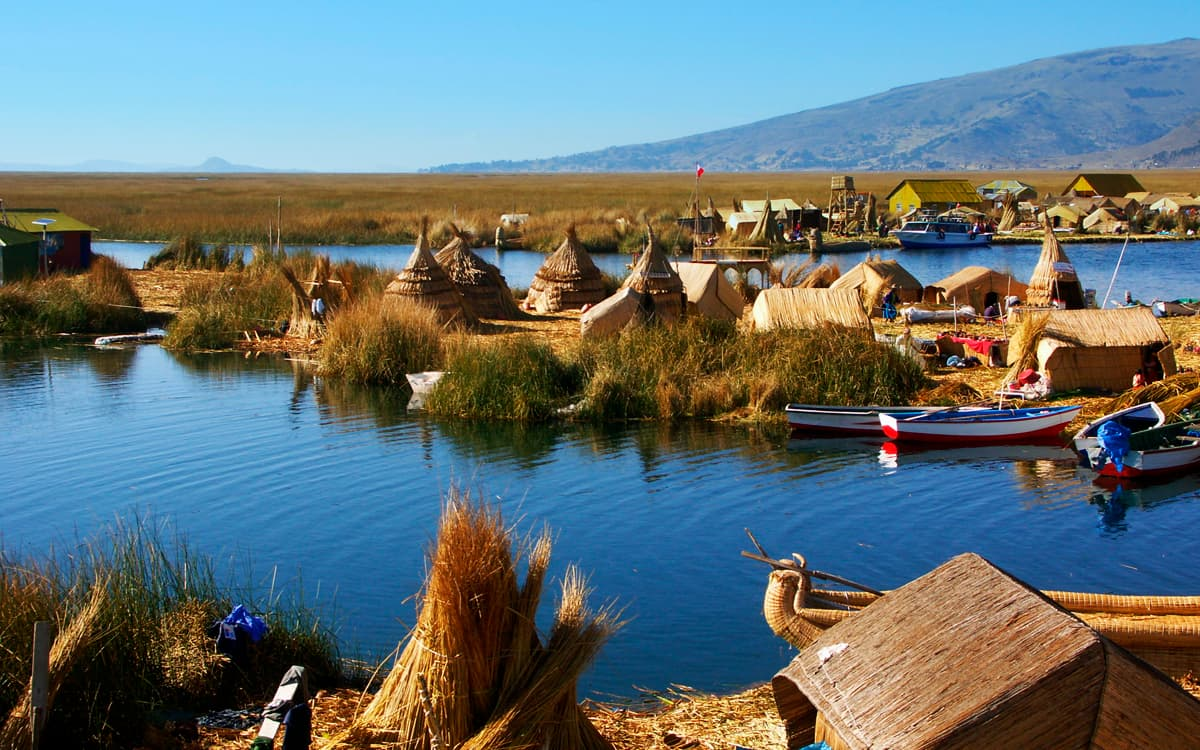
  • The floating islands of the Uros, built from totora reeds, offer a unique experience, showing how these communities have adapted to the natural environment since ancient times.
  • Another historical highlight is the chullpas, ancient cylindrical tombs preserving the remains of pre-Inca civilizations—silent witnesses of the highlands’ rich history.

Climate and Altitude

Puno sits at 3,870 meters (12,700 feet) above sea level, resulting in a cold, dry climate. Winter nights can drop below zero, while midday sun can be surprisingly strong. Visitors should allow a couple of days to acclimate, especially if arriving from lower altitudes.

Festivals and Traditions

Puno is known as the folklore capital of Peru. Its festival calendar is full of celebrations combining religion, dance, and traditional music:

  • Fiesta de la Candelaria (February): One of the largest dance festivals in South America, featuring colorful costumes and dances representing Andean and Spanish legends.
  • Festival de Tinajani (June): Celebrated in the highlands, surrounded by wind-swept and eroded landscapes, creating a magical experience.
  • Semana Jubilar (November): Combines the Spanish foundation of Puno with Inca traditions and festivities on Esteves Island.
  • Even outside festivals, Puno vibrates with music and dance every night, offering visitors a lively experience while strolling through the historic center.

Traveler Tips

  • Accommodation: During Candelaria, hotel rates can double, so early booking is essential.
  • Safety: Puno is relatively safe, but watch for pickpockets, especially at bus and train terminals.
  • Transportation: Puno is a strategic base to explore the northern part of Lake Titicaca and its islands, with boats being the best way to travel.

Must-See Attractions and Experiences

Uros Floating Islands
The Uros islands are a unique spectacle, made entirely of totora reeds. The Uros have maintained their traditional way of life for centuries, focusing on fishing, hunting, and crafts.
Recommended experience: Ride in traditional totora reed boats, interact with the community, and learn about their ancestral customs—a perfect opportunity for unique photos and authentic cultural memories.

Taquile Island

Recognized for its textile art, declared Intangible Cultural Heritage by UNESCO, Taquile Island combines tradition, nature, and local cuisine.
What to do:

  • Enjoy panoramic views of the lake and the Andes.
  • Buy handmade crafts from local weavers.
  • Taste local dishes, especially fresh trout from the lake.

Amantaní Island

For an immersive tourism experience, Amantaní Island is ideal. Visitors can stay with local families and share daily life, learning their traditions, dances, and customs. The island also has pre-Inca ruins and natural viewpoints offering unforgettable sunrise and sunset views over the lake.

City of Puno

Known as the gateway to Lake Titicaca, Puno is the perfect base for exploring the region. Here you will find:

  • Travel agencies offering tours to the islands.
  • Hotels, restaurants, and cafes.

Cultural attractions such as the Plaza de Armas, Jirón de Lima, and the Yavarí Museum Ship, a historic vessel that tells the story of navigation on the lake.

Practical Information for Your Visit

Tours: Most tours depart from Puno’s port. Options include half-day tours (only Uros) or full-day tours (Uros + Taquile/Amantaní).

Climate: The high-altitude subtropical climate brings cold nights and mornings in winter and moderate rainfall in summer. Dress in layers, bring warm clothing, a hat, sunglasses, and sunscreen.

Getting there: Puno is connected by road, train, or bus to cities like Cusco and Arequipa. The famous Ruta del Sol offers a scenic journey worth taking.

Altitude sickness: The high altitude can affect visitors; acclimate, stay hydrated, and avoid strenuous activity in the first days. –amazon  macaw clay lick