Full 1
MANU TOURS
MANU TOUR ZONE RESERVED 4 DAYS
Full 1
previous arrow
next arrow
Shadow

The Lake Titicaca Puno

Lake Titicaca in Puno: An Andean Gem That Fascinates Travelers

Lake Titicaca Puno, located in the city of Puno, is more than just a lake—it is a world of its own. This region combines millenary history, stunning landscapes, and a vibrant culture that makes every visitor feel part of its vast universe. With its endless skies and horizons that seem to merge with the water, Puno and Lake Titicaca are destinations that capture the essence of the Peruvian Andes.

History and Culture of Puno

The city of Puno was founded in the 17th century around a silver mine, and its history is marked by a blend of indigenous and colonial cultures. The region has been inhabited by Aymara and Quechua peoples, with roots tracing back even to pre-Inca civilizations, such as the Tiwanaku culture.

During the colonial period, Puno became an important port on Lake Titicaca and a key point on the silver route from Potosí. Today, despite economic and climatic challenges, it retains a cultural heritage and historical richness that make it unique. amazon peruvian 

The Wonders of Lake Titicaca

Lake Titicaca, the highest navigable lake in the world, stretches majestically between Peru and Bolivia. Its landscape combines snow-capped peaks, crystal-clear waters, and remarkable islands—some floating, others permanent—inhabited by indigenous communities that keep their traditions alive.

  • Among the most visited islands are Amantaní and Taquile, where travelers can experience authentic Andean life, from traditional clothing to community festivals.
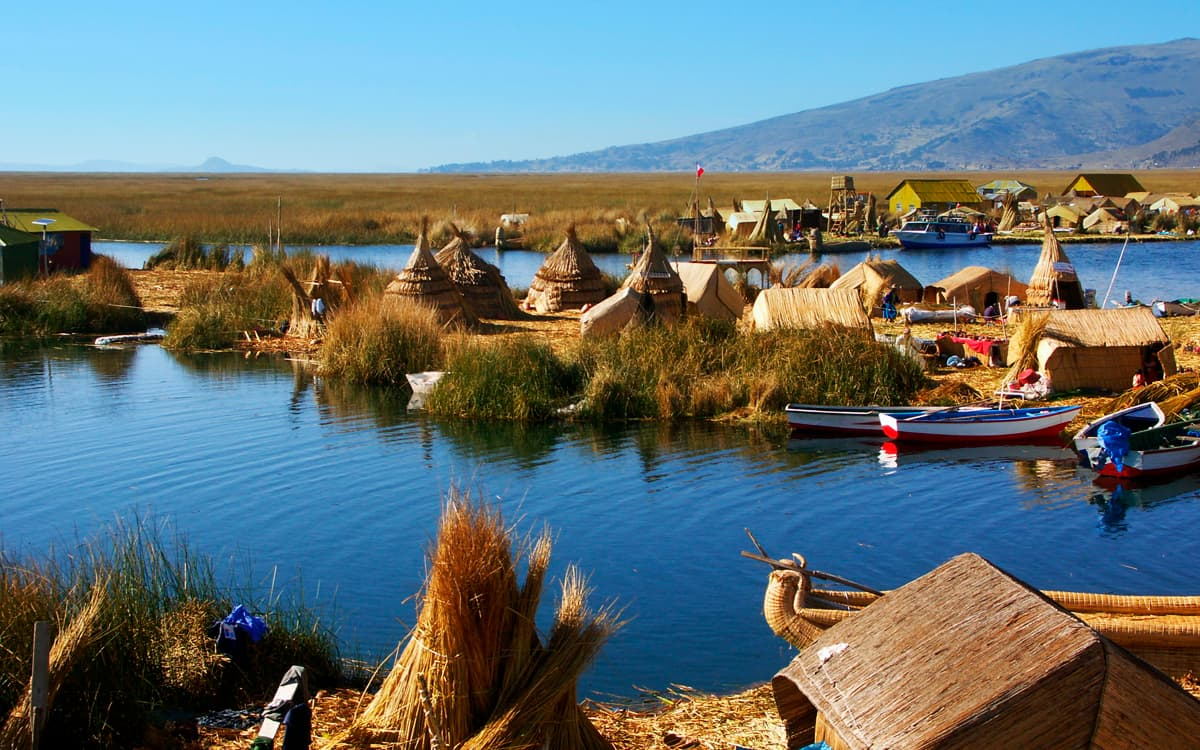
  • The floating islands of the Uros, built from totora reeds, offer a unique experience, showing how these communities have adapted to the natural environment since ancient times.
  • Another historical highlight is the chullpas, ancient cylindrical tombs preserving the remains of pre-Inca civilizations—silent witnesses of the highlands’ rich history.

Climate and Altitude

Puno sits at 3,870 meters (12,700 feet) above sea level, resulting in a cold, dry climate. Winter nights can drop below zero, while midday sun can be surprisingly strong. Visitors should allow a couple of days to acclimate, especially if arriving from lower altitudes.

Festivals and Traditions

Puno is known as the folklore capital of Peru. Its festival calendar is full of celebrations combining religion, dance, and traditional music:

  • Fiesta de la Candelaria (February): One of the largest dance festivals in South America, featuring colorful costumes and dances representing Andean and Spanish legends.
  • Festival de Tinajani (June): Celebrated in the highlands, surrounded by wind-swept and eroded landscapes, creating a magical experience.
  • Semana Jubilar (November): Combines the Spanish foundation of Puno with Inca traditions and festivities on Esteves Island.
  • Even outside festivals, Puno vibrates with music and dance every night, offering visitors a lively experience while strolling through the historic center.

Traveler Tips

  • Accommodation: During Candelaria, hotel rates can double, so early booking is essential.
  • Safety: Puno is relatively safe, but watch for pickpockets, especially at bus and train terminals.
  • Transportation: Puno is a strategic base to explore the northern part of Lake Titicaca and its islands, with boats being the best way to travel.

Must-See Attractions and Experiences

Uros Floating Islands
The Uros islands are a unique spectacle, made entirely of totora reeds. The Uros have maintained their traditional way of life for centuries, focusing on fishing, hunting, and crafts.
Recommended experience: Ride in traditional totora reed boats, interact with the community, and learn about their ancestral customs—a perfect opportunity for unique photos and authentic cultural memories.

Taquile Island

Recognized for its textile art, declared Intangible Cultural Heritage by UNESCO, Taquile Island combines tradition, nature, and local cuisine.
What to do:

  • Enjoy panoramic views of the lake and the Andes.
  • Buy handmade crafts from local weavers.
  • Taste local dishes, especially fresh trout from the lake.

Amantaní Island

For an immersive tourism experience, Amantaní Island is ideal. Visitors can stay with local families and share daily life, learning their traditions, dances, and customs. The island also has pre-Inca ruins and natural viewpoints offering unforgettable sunrise and sunset views over the lake.

City of Puno

Known as the gateway to Lake Titicaca, Puno is the perfect base for exploring the region. Here you will find:

  • Travel agencies offering tours to the islands.
  • Hotels, restaurants, and cafes.

Cultural attractions such as the Plaza de Armas, Jirón de Lima, and the Yavarí Museum Ship, a historic vessel that tells the story of navigation on the lake.

Practical Information for Your Visit

Tours: Most tours depart from Puno’s port. Options include half-day tours (only Uros) or full-day tours (Uros + Taquile/Amantaní).

Climate: The high-altitude subtropical climate brings cold nights and mornings in winter and moderate rainfall in summer. Dress in layers, bring warm clothing, a hat, sunglasses, and sunscreen.

Getting there: Puno is connected by road, train, or bus to cities like Cusco and Arequipa. The famous Ruta del Sol offers a scenic journey worth taking.

Altitude sickness: The high altitude can affect visitors; acclimate, stay hydrated, and avoid strenuous activity in the first days. –amazon  macaw clay lick  
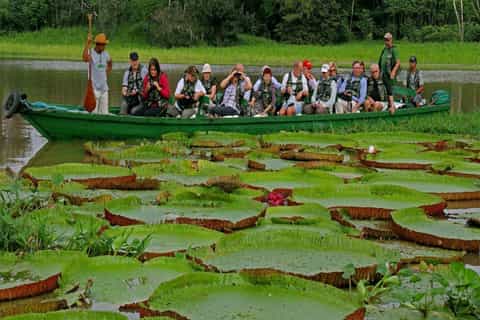
 

The Pacaya Samiria National Reserve

The Pacaya Samiria National Reserve

The Pacaya Samiria National Reserve: The Wild Heart of the Peruvian Amazon

Are you looking for an authentic experience in the Amazon rainforest? The Pacaya Samiria National Reserve, located in the Loreto region of Peru, is one of the most biodiverse and awe-inspiring destinations on the planet. With over 2 million hectares of seasonally flooded tropical forest, this reserve is a true paradise for nature lovers, amazon adventure seekers, and ecotourism enthusiasts.

 Where is the Pacaya Samiria National Reserve?

Located between the Ucayali and Marañón Rivers in northeastern Peru, this vast reserve spans the provinces of Loreto, Requena, Ucayali, and Alto Amazonas. Its strategic location makes it a vital biological corridor for the conservation of endangered species. tour manu 4 dias 

  • Protected since: February 25, 1972
  • Total area: 2,080,000 hectares
  • Category: RAMSAR Site since 1992 (wetland of international importance)

 Conservation Objective

The main goal of the reserve is to protect representative ecosystems of the lowland Amazon rainforest, preserving its incredible genetic diversity and iconic species such as the paiche, giant river otter, and black caiman, which have disappeared from many other ecosystems.

 Flora and Fauna: An Ark of Life

Pacaya Samiria harbors extraordinary biological richness:

Mammals and Wildlife

  • Pink river dolphin (Inia geoffrensis)
  • Amazonian manatee (Trichechus inunguis)
  • Jaguar (Panthera onca)
  • Giant river otter (Pteronura brasiliensis)
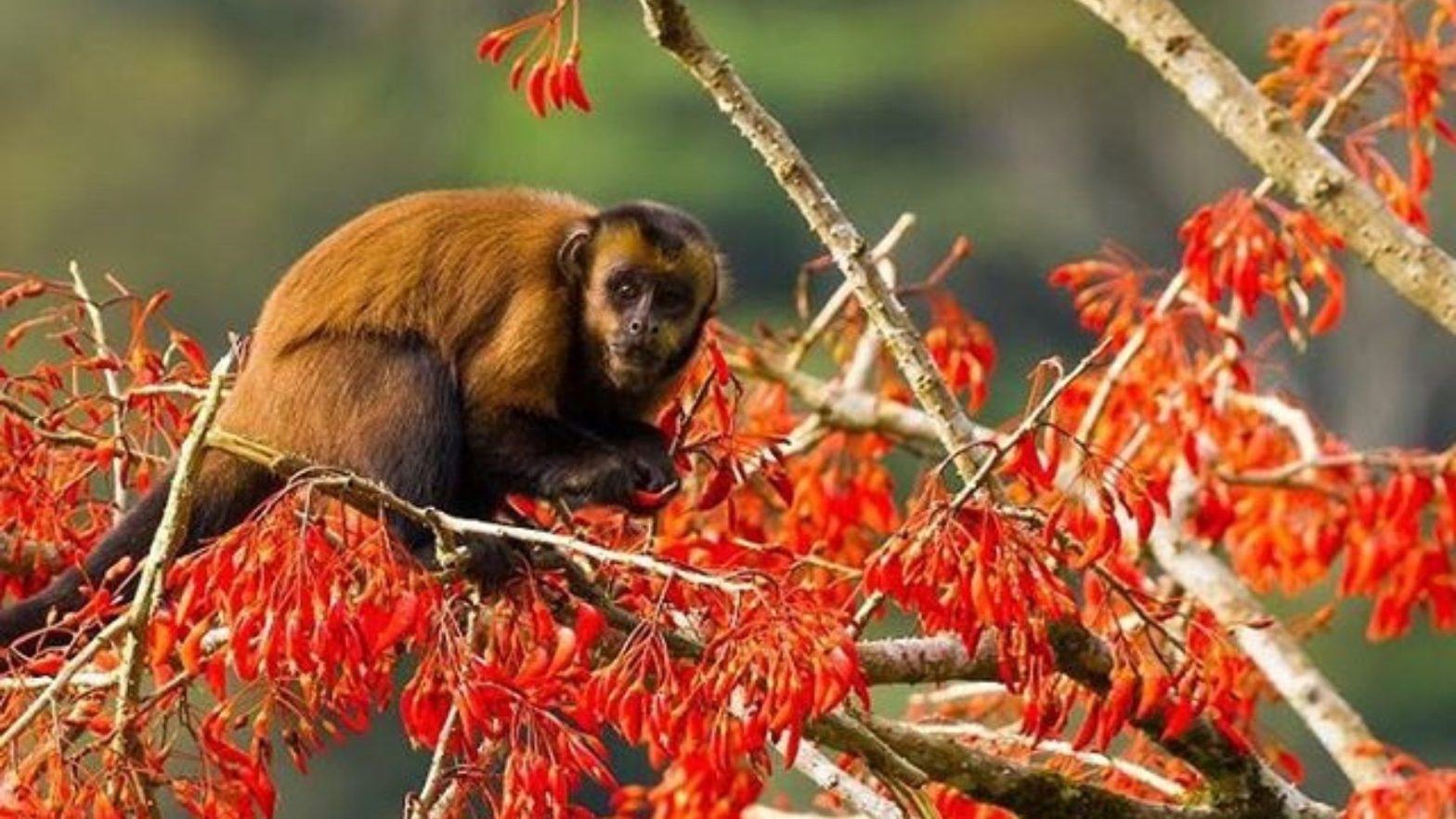
  • Various monkey species: woolly monkey, spider monkey, howler monkey

  The Pacaya Samiria National Reserve  Birds

With more than 449 bird species, highlights include:

  • Great egret
  • Cocoi heron
  • Boat-billed heron
  • Neotropic cormorant (Phalacrocorax brasilianus)

 Reptiles and Aquatic Life

  • Taricaya turtle (Podocnemis unifilis)
  • Black caiman (Melanosuchus niger)
  • Paiche (Arapaima gigas) – one of the world’s largest freshwater fish

  The Pacaya Samiria National Reserve Vegetation

  • 965 species of wild plants
  • 59 cultivated plant species

Vast aguaje palm swamps (Mauritia flexuosa), essential for wildlife and local communities

 Climate and Best Time to Visit

  • Average annual temperature: Between 20°C and 33°C
  • Dry season (vaciante): July to September (ideal for trekking and land observation)
  • Best travel season: May to January – when river levels allow for optimal exploration by boat or canoe

 Sustainable Tourism: Routes and Activities

Pacaya Samiria is a top example of experiential tourism and community-based conservation. Here, you don’t just visit the jungle—you become a part of it. tour adventure puerto maldonado

Authorized Tourism Areas:

Yanayacu-Pucate & El Dorado Lake (most visited)

  • Lower and middle Samiria
  • Lower Pacaya
  • Tibilo-Pastococha
  • Punga lakes, among others
  • Main Tourist Circuits:

 1. Yanayacu-Pucate Basin

  • Access via the Veinte de Enero community
  • Explore lakes, campsites, and shelters
  • Boat trips, artisanal fishing, bird and wildlife watching

 2. Samiria Basin

  • Lakes: Yarina, Fortuna, and Ungurahui
  • Cultural exchange with Kukama Kukamilla communities
  • Canoe routes and interpretive hikes

 3. Lower Pacaya Basin

  • Permanently flooded forests
  • Observation of pink dolphins and water birds

 Community Tourism and Conservation

One of the reserve’s most remarkable aspects is its participatory management model. Local communities—many of them Indigenous—don’t just live in the area; they lead conservation and tourism initiatives, offering:

  • Rustic accommodations
  • Certified local guides
  • Traditional meals
  • Unique, immersive cultural experiences

Every responsible visit directly supports biodiversity protection and improves the quality of life for Amazonian communities. amazon expeditions  peru

 How to Get There

Most tours depart from Iquitos, accessible via direct flights from Lima. From Iquitos, travel continues by boat or road to Nauta or Requena, depending on the chosen circuit. Always book with authorized tour operators or coordinate with SERNANP.

Traveler Tips

  • Bring lightweight, waterproof, quick-dry clothing
  • Use insect repellent, sunscreen, and bring personal medication
  • Book authorized tours to reduce environmental impact
  • Respect conservation rules and leave no trace

 Pacaya Samiria: More Than a Destination, a Transformative Experience

Visiting Pacaya Samiria National Reserve is more than just a trip—it’s a journey into the wildest corners of nature, a chance to live alongside ancestral cultures, and a powerful example of real, sustainable conservation in action.

Wild Peru Travel 2 days

Wild Peru Travel: 2-Day Manu National Park Tour from Cusco

Amazon Wild Peru Travel Manu Tour – Short Trip to this Reserved Area .
Although many travelers associate Manu National Park with long expeditions, this compact itinerary is specially designed for those who want an authentic Amazon experience in a short amount of time. Perfect for adventurers on a tight schedule, it offers the essence of Manu in just 2 days. 5 days Reserve Zone  Manu

Introduction: Why Visit the Amazon with a 2-Day Wild Peru Travel .

While Manu National Park is often explored through long expeditions, this program is ideal for travelers seeking a rich, immersive Amazon experience in limited time.

The 2-day Manu Tour provides a balance of jungle adventure, wildlife observation, river exploration, and cultural insight—all organized responsibly and sustainably.

Managed by Manu Jungle Trips, this itinerary combines nature, culture, and comfort without compromising the raw beauty of the Amazon.

Reasons Not to Miss This Program

  • Quick and comfortable transport from Cusco
  • Expert bilingual naturalist guides
  • Jungle hikes, birdwatching, and sightings of rare wildlife
  • Boat trips along Amazonian rivers in an outboard motorboat
  • Accommodation in an eco-lodge surrounded by pristine nature
  • Opportunities to learn about flora, fauna, medicinal plants, and local culture
  • Ideal for travelers with only 48 hours

Day 1 – Wild Peru Travel  from from Cusco to Manu National Park: Cloud Forest and Wildlife Exploration .

Departure from Cusco – Adventure Begins .
Your journey starts at 5:30 a.m. with hotel pickup in Cusco. Travel in an air-conditioned minivan through the stunning Andes to Manu National Park, a UNESCO Biosphere Reserve and one of the most biodiverse places on Earth. tambopata macaw clay lick 

Stop 1: Pre-Inca Complex of Ninamarca .
After 1.5 hours, arrive at Ninamarca, a site of pre-Inca chullpas. Your guide explains their historical and spiritual significance in the Andean world.

Stop 2: Colonial Town of Paucartambo .
Thirty minutes later, reach Paucartambo, a charming colonial town with cobblestone streets, traditional houses, and lively festivals like Virgen del Carmen. Enjoy an Andean breakfast and a guided walk through its historic center.

Ajanaco Pass – Gateway to Manu .
Ascend to Paso Ajanaco (3,600 m), the official entry to Manu National Park. Take a short hike to a viewpoint with spectacular views of the Tres Cruces mountain range and the cloud forest—a perfect spot for photography and landscape observation.

Cloud Forest Hike and Wildlife Observation .
Descend into the cloud forest, rich with flora and fauna. Possible sightings include:

  • Blue-banded toucanets
  • Golden-headed quetzals
  • Woolly monkeys
  • Orchids, bromeliads, and epiphytic plants
  • Andean bears (rare)
  • Cock-of-the-rock courtship rituals peru birdwatching 

After lunch near San Pedro, visit a lek to observe the Cock-of-the-Rock, Peru’s national bird. By late afternoon (around 5:00 p.m.), arrive at the lodge in Pilcopata to rest, with an optional night hike.Manu Rainforest tour

Day 2 –Wild Peru Travel  and Hummingbird Garden, Rescue Center, Atalaya, and Return to Cusco

Early breakfast and departure

Hummingbird Garden: Observe diverse species of hummingbirds—great for photography

Dos Loritos Rescue Center: Learn about the rehabilitation of Manu’s wildlife (parrots, caimans, birds, and small mammals) in coordination with SERFOR
Continue to Puerto Atalaya, where the standard 2-day/1-night program ends. Return to Cusco in private transport.

Optional Extension (4:00–5:00 p.m., additional USD 65).Wild Peru Travel .

  • Navigation on the Madre de Dios River: Spot herons, kingfishers, turtles, caimans, capybaras, peccaries, deer, and more
  • Lodge and Jungle Walk: Learn about medicinal plants and observe monkeys, parrots, toucans, and macaws
  • Cocha Machuwasi: Paddle in a raft to see hoatzins, herons, cormorants, kingfishers, eagles, and other birds
  • Return to Atalaya and drive back to Cusco

Why Choose This 2-Day Manu National Park Tour?

  • Perfect for short itineraries – Explore the Amazon in just 48 hours
  • Wildlife-focused – Excellent chances to see rare birds, monkeys, and jungle creatures
  • Cultural immersion – Visit ancient ruins and charming colonial towns
  • Comfortable lodging – Stay in an eco-friendly jungle lodge
  • Professional guides – Certified, bilingual naturalist guides
  • Tour  Sandoval lake Tambopata

Optional tours include Sandoval Lake and Tambopata excursions for travelers who wish to extend their adventure.

Full Itinerary Salkantay Trek 4 days

Full Itinerary – Salkantay Trek 4 Days / 3 Nights

Full Itinerary Salkantay Trek  Cusco ➝ Machu Picchu | An Epic Journey Through the Andes : Experience the Magic of the Inca Trail: Plan Your Adventure with Us

Are you ready for an unforgettable experience to Machu Picchu? The classic 4-day Inca Trail is not just a hike; it’s a total immersion in the history, culture, and nature of the Peruvian Andes. With us, you’re not just preparing for the journey; you’re becoming part of a legendary journey.

  Full Itinerary Salkantay Trek  -What is the Inca Trail?

The Inca Trail to Machu Picchu is one of the most famous hiking trails in the world. It covers 43 km (26 miles) of ancient cobblestone paths, built by the Incas themselves centuries ago. Over four days, you’ll traverse majestic mountain landscapes, lush cloud forests, and hidden valleys that still preserve the essence of this ancient civilization.

This trail is part of the Machu Picchu National Archaeological Park, and the number of people hiking it each day is limited. Therefore, it is essential to plan your experience in advance and with a reliable operator.

Day 1:Full Itinerary Salkantay Trek From Cusco – Mollepata – Challacancha – Soraypampa – Humantay Lake

  • Starting altitude: 3,800 m / 12,467 ft
  • Maximum altitude: 4,220 m / 13,845 ft
  • Distance: approx. 12 km / 7.5 miles
  • Hiking time: 5 – 6 hours

We’ll pick you up between 4:30 a.m. and 5:00 a.m. from your hotel in Cusco to begin this incredible adventure. After a scenic two-hour drive, we’ll arrive in the town of Mollepata, where you’ll enjoy a traditional Andean breakfast with breathtaking mountain views.

Then we’ll head to Challacancha (3,800 m), the official starting point of the trek. From here, we hike for about 3 hours along ancient Inca water channels and scenic trails until we reach our base camp in Soraypampa (3,900 m), where a revitalizing lunch awaits.

In the afternoon, we ascend to the stunning Humantay Lake (4,220 m), a turquoise gem nestled between towering glaciers. Here you can relax, take photos, and connect with the energy of the Andean landscape.

Upon returning to Soraypampa, we’ll welcome you with hot coca tea and a homemade dinner prepared by our local chefs. You’ll spend the night in cozy domes or tents under a sky full of stars.

Day 2:Full Itinerary Salkantay Trek  to Soraypampa – Salkantay Pass – Wacracmachay – Collpapampa

  • Maximum altitude: 4,650 m / 15,255 ft (Salkantay Pass)
  • Distance: 22 km / 13.5 miles
  • Hiking time: 8 – 9 hours

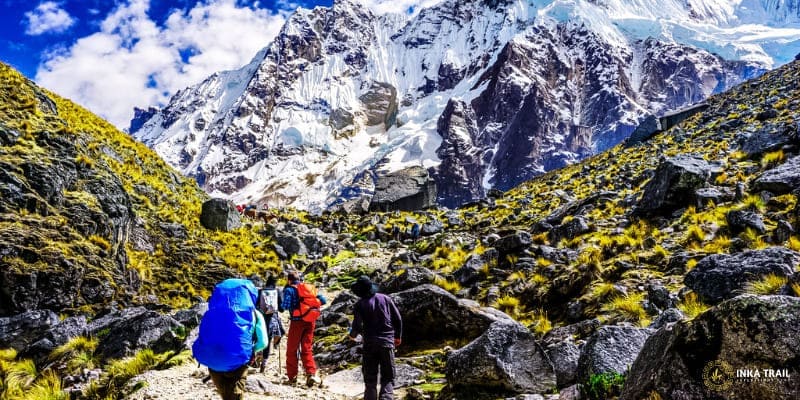
This is the most challenging — and most rewarding — day of the trek. After an early breakfast, we’ll begin a 3-hour ascent to the Salkantay Pass (4,650 m / 15,255 ft), the highest point on the route. From here, enjoy breathtaking views of the snow-covered peaks of Salkantay, Humantay, and Tucarhuay.

We then begin a gradual descent, passing by Soyrococha and a hidden alpine lake tucked in the Andes, until we reach Wacracmachay, where we’ll stop for lunch.

In the afternoon, we continue descending into the cloud forest ecosystem until we arrive at Collpapampa (2,950 m), where your tent or dome, a hot drink, and a warm dinner will be waiting.

Perfect for: Mountain trekking lovers & landscape photographers

Day 3: Full Itinerary Salkantay Trek  to Collpapampa – Lucmabamba – Hydroelectric – Aguas Calientes

  • Lowest altitude: 2,000 m / 6,561 ft
  • Total distance: approx. 27 km (16 km by car + 11 km walking)
  • Total hiking time: 8 – 9 hours

After breakfast, we continue descending through lush subtropical cloud forest, surrounded by coffee, banana, avocado, and orchid plantations. Along the way, you’ll learn about medicinal plants and traditional rural life in the Andes.

We pass through Lucmabamba, where time permitting, you can enjoy a traditional coffee experience. Afterward, we take a private vehicle to the Hydroelectric Station and hike the final 3 hours along the train tracks to Aguas Calientes.

Upon arrival, we’ll check into a comfortable hotel where you can shower, rest, and relax before the big day. In the evening, we’ll share dinner at a local restaurant and go over the plan for your visit to Machu Picchu.

Don’t want to walk from the Hydroelectric Station? You can take the train for an additional cost.

 Day 4: Machu Picchu – Cusco

  • Machu Picchu altitude: 2,430 m / 7,972 ft
  • Estimated time at the site: 2.5-hour guided tour + free time

The big day has arrived! Early in the morning, we’ll head to the entrance of Machu Picchu, hiking up the Inca stairs or taking the bus (optional – $12 USD). Once inside, enjoy a 2.5-hour guided tour of the Inca Citadel, exploring its plazas, temples, terraces, and ancient observatories.

After the tour, you’ll have free time to explore on your own or, if you booked in advance, hike up to Huayna Picchu or Machu Picchu Mountain (tickets not included).

In the afternoon, take the train back to Ollantaytambo and a private vehicle to Cusco. You’ll arrive around 7:00 – 8:00 p.m., with a heart full of unforgettable memories.

 What’s Included?

  •  Round-trip transportation from Cusco
  •  3 nights of accommodation (domes/tents + hotel in Aguas Calientes)
  •  All meals during the trek
  •  Certified professional guide
  •  Entrance ticket to Machu Picchu
  •  Option to hike or take train from Hydroelectric Station

 Helpful Tips

  •  Stay hydrated — it’s key to acclimatizing to the altitude
  •  Book in advance, especially for Huayna Picchu or Machu Picchu Mountain
  •  Bring only a small backpack to Machu Picchu (max. 25L)
  •  Bring extra batteries — the landscapes are nonstop photo ops!

Tour al Pongo Mainique 3 days

Tour al Pongo de Mainique – 3-Day Jungle Adventure from Cusco

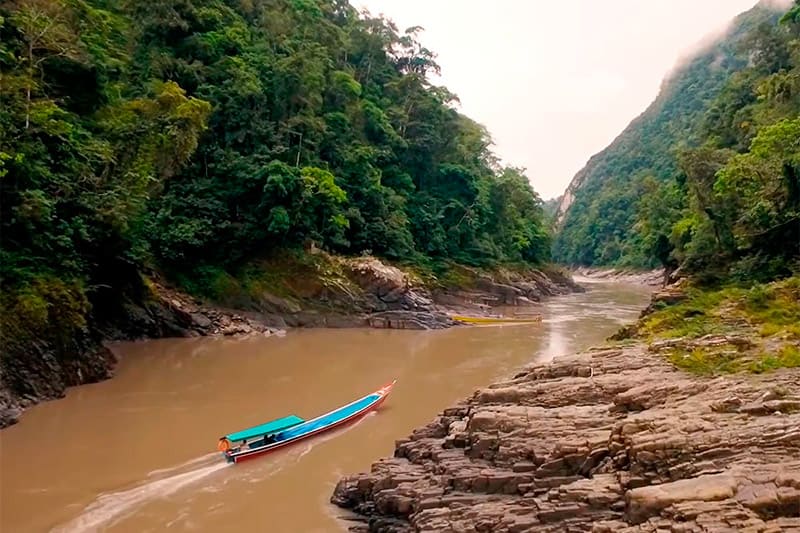
Tour al Pongo Mainique  is a narrow, dramatic river gorge where the powerful Urubamba River cuts through the Vilcabamba mountain range. This site is often regarded as one of the most breathtaking and challenging river passages in Peru. It marks the geographic and ecological transition between the towering Andes and the lush Peruvian Amazon.

A Sacred and Biodiverse Destination Tour al Pongo Mainique

To the Indigenous Machiguenga communities, the Pongo de Mainique is more than just a natural wonder—it is a sacred space. Known as the “gateway of the spirits,” it is believed to be where the earth, water, and sky converge.

Located within Megantoni National Park, one of Peru’s most biodiverse protected areas, this region is home to a rich variety of wildlife, including endemic species, colorful tropical birds, jaguars, pink river dolphins, and dense rainforest vegetation.

 Itinerary – 3 Days from Cusco to Pongo de Mainique

Perfect for travelers seeking ecotourism, cultural connection, and real adventure.

Day 1: Tour al Pongo Mainique from Cusco – Quillabamba – Sambaray Pool –

Early departure from Cusco for Quillabamba (approx. 4 hours by road).

Scenic journey across Abra Málaga (4,300+ meters), where the high Andes give way to cloud forest.

Arrival in Quillabamba, the “City of Eternal Summer,” known for its warm climate and friendly locals.

Relax at the Sambaray Pool – a natural spring surrounded by tropical beauty.

Overnight: Hotel in Quillabamba

Included: Transportation, guide, and entrance to Sambaray

Day 2: Tour al Pongo Mainique  -Quillabamba – Kiteni – Saniriato – Yoyato River

2:45 a.m.: Depart Quillabamba for Echarati, passing untouched jungle landscapes.

7:00 a.m.: Arrive in Kiteni for a local breakfast.

8:00 a.m.: Continue to Saniriato, a key river port in La Convención Province.

12:00 p.m.: Lunch and boat prep in Saniriato.

2:00 p.m.: Begin the river journey to Yoyato, famous for its turquoise waters.

Afternoon: Free time to swim and relax in this stunning natural pool.

5:00 p.m.: Set up camp.

Night: Campfire dinner with traditional jungle stories.

Overnight: Camping in Yoyato (gear included)

Included: Transportation, meals, guide, camping equipment

Day 3: Yoyato – Pongo de Mainique – Saniriato – Quillabamba

7:00 a.m.: Breakfast with locally sourced jungle ingredients.

8:00 a.m.: Boat trip to the majestic Pongo de Mainique.

9:00 a.m.: Explore the gorge with your expert guide—learn about its ecology, geography, and spiritual significance. Enjoy time for photos and quiet reflection.

11:00 a.m.: Return by boat to Saniriato for lunch.

1:00 p.m.: Begin the road trip back to Quillabamba.

Approx. 7:00 p.m.: Arrival and end of the tour.

  • Included: Breakfast, lunch, guide, boat and land transport

 How to Get There – Accessing the Pongo de Mainique Tour

Your journey begins in Quillabamba, known for its consistent tropical climate and lush surroundings. From here, the route leads through vibrant coffee and cacao plantations, tropical fruit farms, and diverse jungle landscapes.

Route to Saniriato:

Along the way, you’ll stop at local communities, scenic viewpoints, and ecological reserves, finally reaching Saniriato, a central river port. Here, travelers can purchase essentials, enjoy local cuisine, and support community artisans and herbalists.

From Saniriato, the tour continues by motorized boat or river slider to the heart of the Pongo de Mainique.

 What to Do on the Pongo de Mainique Tour

This tour offers more than just sightseeing—it’s a deep immersion into one of Peru’s most spiritual and biodiverse regions.

Highlights include:

  •  Boat rides through the canyon – Pass between towering cliffs draped in rainforest and hear the thunder of the river.
  •  Wildlife observation – Spot pink dolphins, monkeys, tropical birds, and even jaguars.
  •  Jungle hikes – Guided treks along ecological trails filled with medicinal plants and endemic species.
  •  Community interactions – Learn about native customs, traditional medicine, and sustainable living practices.
  •  Swimming in crystal-clear rivers – Unwind in paradise-like settings such as the Yoyato and Urubamba tributaries.

 Travel Tips

  • Climate: Hot and humid year-round. Bring lightweight, breathable, and waterproof clothing.
  • Footwear: Non-slip, comfortable hiking shoes or water shoes are essential.
  • Protection: Insect repellent, sunscreen, and a small personal first-aid kit are recommended.
  • Electronics: Bring a camera or a fully charged phone with extra battery for photos—this trip is visually unforgettable.
  • Respect: Always show respect to local communities and the environment. Leave no trace and support local businesses when possible.