Full 1
MANU TOURS
MANU TOUR ZONE RESERVED 4 DAYS
Full 1
previous arrow
next arrow
Shadow

The Birdwatching Peru Amazon

The Birdwatching Peru Amazon

PERU AMAZON BIRDS: The Birdwatching Peru Amazon

We have discovered 16 new bird species in Birdwatching Peru over the past 10 years. These new additions to the region’s avifauna span a wide range of bird families and include the discovery of a raptor in the southern Peruvian Amazon.

In 2002, the cryptic forest falcon (Micrastur mintoni) was discovered in the Amazon. This Brazilian species has bright orange skin around its eyes.

The total population of this bird is assumed to be large due to its wide distribution, but overall, little is known about this new Amazon species.The Birdwatching Peru Amazon

In 2007, a new bird species was described in the Peruvian Amazon—Cnipodectes superrufus, the Rufous Twistwing. It exhibits a wide variation in reddish-brown plumage.

Despite extensive ornithological research in the southeastern Madre de Dios region, this species had not been detected, largely due to the inaccessibility of its natural habitat.

The species is restricted to spiny bamboo thickets (Guadua weberbaueri) that reach five meters in height—an understudied Amazonian habitat.

Initially, this bird had been observed only in a few sites in Madre de Dios and a nearby region.

Its known range, dominated by bamboo forests, spans about 3,400–89,000 km² across Madre de Dios (Peru),

Sandoval Lake, Pando (Bolivia), and Acre (Brazil)—Birdwatching Peru.

The known range was later extended to include Manu National Park.The Birdwatching Peru Amazon

According to scientists, the Rufous Twistwing is likely the least abundant of all bamboo specialist birds in the Amazon.

Its short-term extinction risk is low, but recent development projects, such as the paving of the Interoceanic

Highway, are increasing human settlement and habitat destruction in the region. Additionally, the socioeconomic

value of bamboo and the growing trend of harvesting it suggest the species’ suitable habitat may shrink in the future.

Another Amazonian bird, the Iquitos Gnatcatcher (Polioptila clementsi), discovered in 2005, is now considered

critically endangered. Also found in the Peruvian Amazon, this bird was discovered in the Allpahuayo Mishana

National Reserve, just west of Iquitos in the Loreto region—The Birdwatching Peru Amazon

Sightings are rare in the white-sand forests it inhabits. Surveys within the reserve have located only about fifteen

breeding pairs. Since its discovery, it has become increasingly difficult to locate the species each year.

It is at serious risk of extinction due to its extremely restricted distribution, very small population, and ongoing deforestation in the area.

Logging for agriculture—encouraged by government incentives promoting land colonization around Iquitos,

including forest clearing inside the national reserve for construction, firewood, and charcoal—continues to threaten available habitat.

The ancient, slow-growing varillales forests—prime habitat for Polioptila clementsi—grow on quartz-rich,

nutrient-poor soils and may never regenerate if destroyed.

Amazonian forests growing on white sands and other nutrient-poor soils hold many surprises. In 2001, another

new species, the Mishana Tyrannulet (Zimmerius villarejoi), was described from a white-sand beach near Iquitos

in Peru’s Loreto region.

Among the many Amazonian birds, parrots are often the most spectacular for their vivid colors. The Bald Parrot

(Pyrilia aurantiocephala, originally Pionopsitta aurantiocephala), a member of the true parrot family, made waves

when reported in 2002—Birdwatching Peru.

Mainly because it’s hard to believe that such a large, colorful bird could have gone unnoticed.

As its name suggests, the species has a striking bald, featherless head, but is otherwise brightly colored.

It displays an extraordinary palette: a vivid orange head, yellowish-green nape, green parrot-like body, wings

tinged with ultramarine blue, cyan, orange, emerald green, and scarlet, and orange-yellow legs.

This parrot has been observed in only a few locations along the lower Madeira and Tapajós Rivers in the Brazilian Amazon.

It is currently known from only two types of habitats and in a relatively small area.

Although the area where Pyrilia aurantiocephala specimens were collected is primarily dedicated to ecotourism,

nearby regions, especially around the headwaters of the Tapajós River and the southern Amazon belt, are under

constant threat from destructive logging operations in the Peruvian jungle.

The species is listed as “near threatened” due to its small and moderately declining population from habitat loss in

the Amazon birds region around Puerto Maldonado—Birdwatching Peru.

In 2005, a new parakeet species, Aratinga pintoi, was found in the Amazon basin.

Commonly known as the Sulphur-breasted Parakeet, it was found only in open areas with sandy soils in Monte Alegre, on the north bank of the lower Amazon River, in Pará State, Brazil.

Its plumage is splendid: a green crown, orange forehead, yellow back speckled with green dots, sulphur-colored

chest, and deep blue wingtips.

It was initially thought to be a juvenile form of another species or a hybrid, but surprisingly, scientists had been

collecting, examining, and misidentifying it since the early 20th century.

Currently, Aratinga pintoi is fairly common in Monte Alegre, easily spotted along main roads in groups of up to

ten individuals flying over the town.

However, as often happens with new parrot species, scientists now fear that farmers may soon begin capturing and trading these birds through illegal markets.The Birdwatching Peru Amazon

Some scientists are not only concerned about the preservation of recently described, endangered, and threatened Amazonian birds, but also about the so-called “forgotten taxa.”

Many species are desperately waiting for a dedicated ornithologist or a museum worker—often underfunded in South America—to formally describe them.

There is also a huge demand for ecological studies to better understand and define the threat status of many

species for which there is insufficient data.

In a race against time, ornithological research aimed at properly documenting the planet’s rich and complex avifauna is falling behind the pace of regional development, and many Amazonian bird species are already facing extinction.

PERUVIAN AMAZON:The Birdwatching Peru Amazon

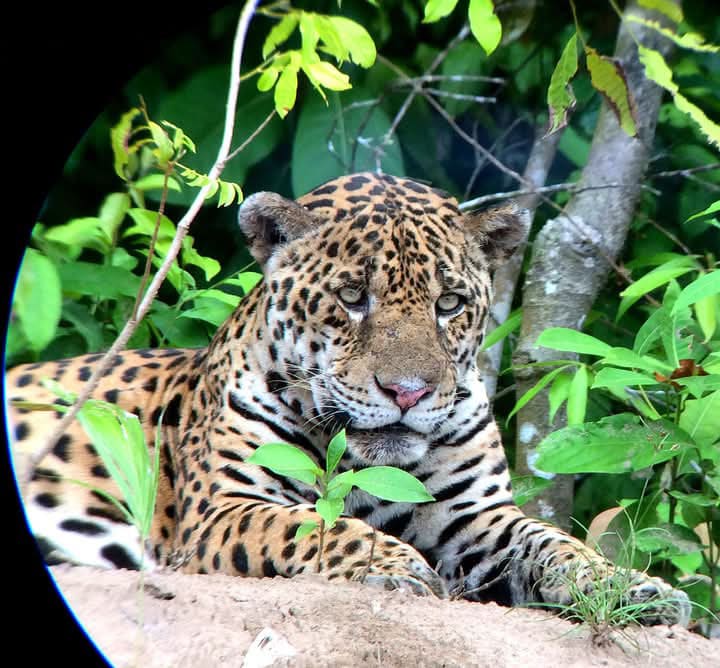
The Peruvian Amazon is the largest rainforest on Earth. It is known for its unique biodiversity, with wildlife including jaguars, river dolphins, manatees, giant otters, capybaras, harpy eagles, anacondas, and piranhas.

The vast range of habitats unique to this region harbors many globally significant species, and scientists are discovering them at an incredible rate.

Between 1999 and 2009, at least 1,200 new species of plants and vertebrates were discovered in the Amazon biome.

These include 637 plants, 257 fish, 216 amphibians, 55 reptiles, 16 birds, and 39 mammals. Many new invertebrate species have also been found, though they are not covered in detail due to their overwhelming number.

The conservation of the Peruvian Amazon is essential for the future of humanity.

Multiple threats are increasing pressure on the natural resources and environmental services that millions of people depend on.

These threats are ultimately linked to international market forces and everyday practices that rely on the Amazon for goods and services.

The Peruvian Amazon affects weather patterns worldwide and helps stabilize the climate. Therefore, conserving the Amazon forest is critical to addressing global climate change.

All development in the Amazon must be managed in an integrated and sustainable way to maintain its key attributes and ecological functions.

Historically, each country in the region has only considered the portion of the Amazon within its national borders, focusing on benefits to its own citizens.

This has led to fragmented policymaking and uncontrolled exploitation of the Amazon’s goods and services, often ignoring the viability of the region as a whole.

Growth in key sectors such as agriculture, livestock, and energy has exacerbated the negative impacts of this approach. These economic sectors are expanding in response to global demand and rely on infrastructure development projects such as those under IIRSA.

These are the forces currently shaping the “integration” of the Amazon into national and global economies—Birdwatching Peru.

They are generating short-term income and improving national economic indicators. However, the environmental and social costs of such development must be central to planning.

Worldwide, marginalized or minority groups—such as Indigenous peoples and rural communities—suffer the most from the environmental and social impacts of unsustainable development.

The Amazon is no exception. Conservation of the Amazon is crucial, first and foremost, for the survival of the 2.7 million people from more than 320 Indigenous groups who have depended on its richness for centuries.

In this context, the fate of the Amazon ultimately depends on a significant shift in how the development of Amazonian countries is understood.

It is vital to sustainably manage the Amazon as one functional whole. The desire to protect the region’s ecological functionality for the common good must become the central task of Amazonian nations.

Responsible management of the Amazon—Machu Picchu Birdwatching.

Birds of the Peruvian Amazon

Birds of the Peruvian Amazon

The Birds of the Peruvian Amazon is home to one of the most captivating nature experiences on Earth. Our journey begins in the highlands and follows an overland route through a remarkable variety of ecosystems found uniquely close together in Manu National Park. From high-altitude agricultural valleys and windswept puna grasslands to dwarf forests and lush, shifting cloud forests, we descend into tropical lowland valleys where farmers cultivate coca and an array of unusual fruits. These diverse habitats support countless bird species—including those that gather at the famous macaw clay licks.

We then travel by river into the heart of the lowland rainforest, passing remote jungle communities on our way to the Manu Wildlife Center. Located deep within Manu, the largest national park in the Upper Amazon Basin, this center offers unparalleled wildlife viewing opportunities. At an isolated oxbow lake, we explore waters home to giant river otters, caimans, monkeys, and a dazzling variety of birds.

At the Manu Wildlife Center, guests enjoy the region’s premier site for tapir observation, particularly at night, when these shy animals visit a clay-rich mud wallow near the lodge. Mornings begin with visits to a nearby macaw clay lick, where fruit trees attract colorful flocks of macaws. A network of forest trails, a canopy observation tower, and two pristine lakes offer a complete Amazonian rainforest experience. After a short canoe ride, we return to Cusco. peru  amazon birding

Macaws and the Clay Licks of Blanquillo -Birds of the Peruvian Amazon

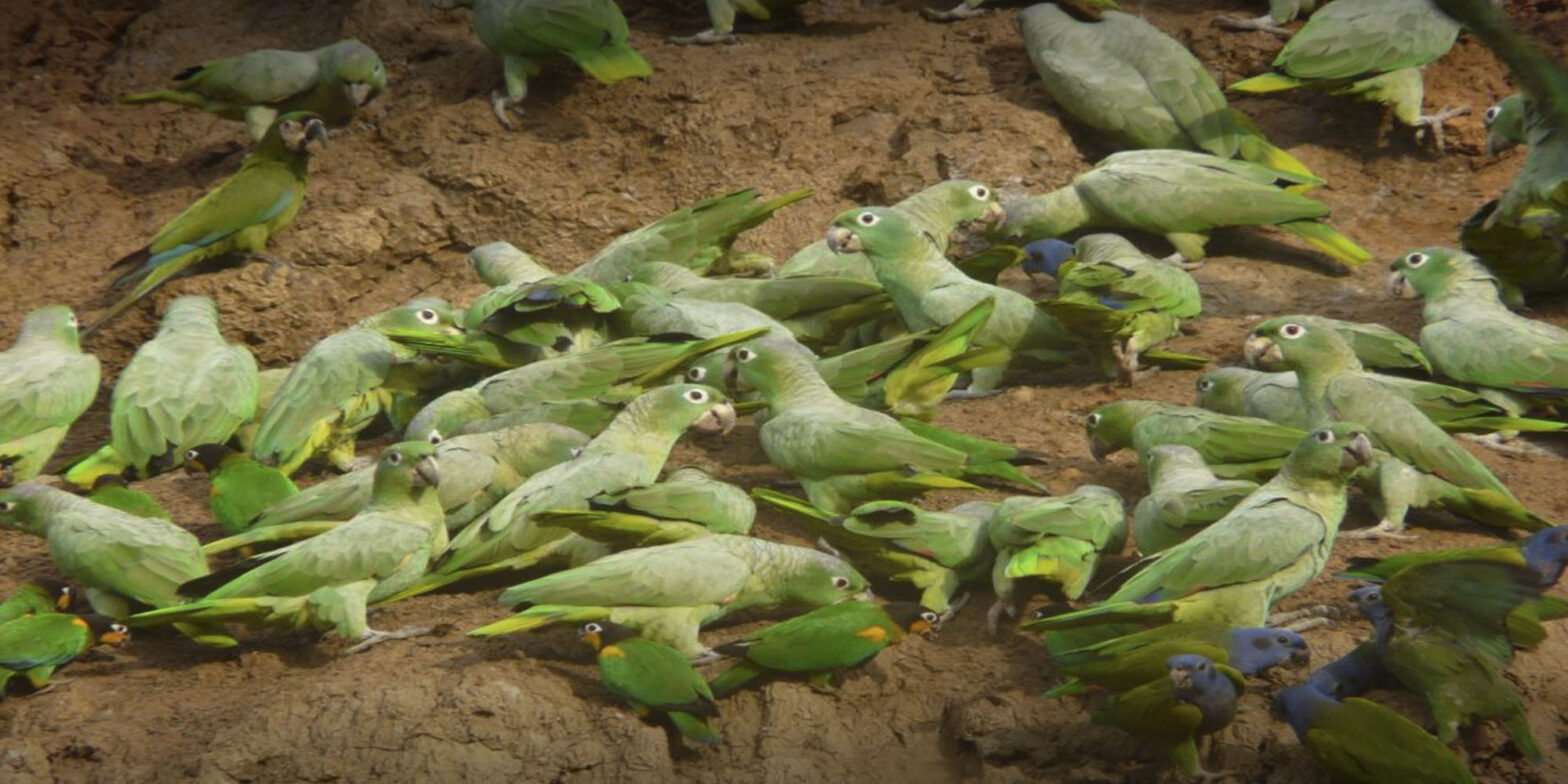
In the local Indigenous language, “macaw” translates to “the one who cries by the river.” These intelligent and social birds can live up to 50 or 60 years. Of the 16 macaw species known in the region, six are extinct and eight are currently endangered in the Peruvian Amazon. Fortunately, macaws that frequent the clay licks have shown high breeding success.

Parrots, a group that includes macaws and parakeets, are anatomically similar. They are more common in tropical

regions and parts of temperate Australia. Known for being vocal and social, they have strong, curved beaks and

zygodactyl feet (two toes forward, two backward), making them excellent climbers. Their diet is largely fruit-based,

and in the forest, they are often seen foraging in large, gregarious flocks.

Typical macaw clay licks in Manu are found in palm groves, especially among Scheelea butyracea palms, known

locally as “Shebonal.” These areas have nutrient-poor soils with high aluminum content and poor drainage,

especially during the rainy season when the clay becomes heavily saturated.

Birds of the Peruvian Amazon-   Bird Behavior at the Blanquillo Clay Lick

Despite documentation of clay consumption (a behavior known as geophagy), little has been known about the social

and behavioral patterns of these birds at the clay licks. Observations at the Machiguenga Clay Lick, located along the

Manu River, revealed a clear structure to bird activity across the day:

  • Early Morning: Parrots and small macaws
  • Mid-Morning: Large macaws
  • Early Afternoon: Parakeets

The earliest visitors include the yellow-crowned parrot (Amazona ochrocephala) and the dusky-headed parakeet

(Aratinga weddellii), followed by the blue-headed parrot (Pionus sordidus), mealy parrot (Amazona farinosa),

orange-cheeked parrot (Pionopsitta barrabandi), and the chestnut-fronted macaw (Ara severa).

Blue-headed parrots tend to feed in large groups of over 50 individuals, while others gather in smaller flocks of fewer

than 20. Scarlet macaws (Ara macao) often join flocks of red-and-green macaws (Ara chloroptera), which can startle

smaller birds. In total, about 100 macaws and parrots gather at the lick in the early morning hours.

Feeding groups average around 40 macaws and over 70 parakeets.

Yellow-crowned parrots typically spend about 28 minutes at the clay lick, while tui parakeets may remain up to 47 minutes.

Among the early visitors, blue-headed parrots are the most aggressive, whereas orange-cheeked parrots are the least. Red-and-green macaws show more aggression than scarlet macaws, and parakeets are equally assertive.

Interestingly, all species are more aggressive toward members of their own species than toward others.

In Amazon Photography Peru 6 days

In Amazon Photography Peru  – 6 Days

Day 1: Cusco – Cloud Forest – Paraiso Inn Lodge – In Amazon Photography Peru.

We depart from Cusco early in the morning to begin our Amazon Macaw Clay Lick Photography Tour. Our private transport takes us first to Ninamarca, where we visit the ancient chullpas (burial tombs) of the pre-Inca Lupaca culture.

We then continue to Paucartambo, a charming colonial town with narrow streets and a beautiful church where traditional customs are still preserved. From there, we ascend to the Tres Cruces Viewpoint (3,900 m / 12,795 ft),

famous for offering one of the world’s most breathtaking sunrises.

Next, we descend into Manu National Park, a region rich in biodiversity and home to wildlife such as the Andean

cock-of-the-rock (Peru’s national bird), hummingbirds, quetzals, trogons, spotted flycatchers, and woolly monkeys. The flora includes a diverse range of orchids, mosses, and ferns.

By evening, we arrive in Pilcopata (700 m), where we enjoy dinner and spend the night at our jungle lodge.

Day 2: Atalaya Port – Rainforest Lodge – In Amazon Photography Peru 6 days

After breakfast, we continue by private car for about 1.5 hours to Atalaya Port (500 m). There, we board a motorized canoe and travel approximately 30 minutes on the Alto Madre de Dios River.

Along the riverbanks, we have great opportunities to photograph wildlife such as herons, vultures, cormorants, and possibly some of the 13 monkey species found in Manu.

In the afternoon, we arrive at the Rainforest Lodge. After settling in, we explore nearby trails where we can spot

tarantulas, ants, butterflies, monkeys, towering trees, unique plants, and various palm species.

Optional: Take a guided night walk in the jungle to observe nocturnal wildlife.

Day 3: Rainforest Lodge – In Amazon Photography Peru 6 days

Today we set off on a long boat journey—approximately 8 hours—on the Alto Madre de Dios River. Along the way, we may spot herons, vultures, kingfishers, turtles, and monkeys.

By afternoon, we enter the Manu Reserved Zone, passing through Boca Manu where the Alto Madre de Dios meets the larger Madre de Dios River.

We continue to Maquisapayoq Lodge, located just an hour from here. This area is known for sightings of the red-faced spider monkey. After dinner and a refreshing shower, we take a short night walk to a nearby tapir clay lick,

where we observe these elusive mammals from a hidden platform just 3 meters away.

Day 4: Maquisapayoq – Visit to Cocha Blanco Lagoon

After breakfast, we explore nearby forest trails, then board our boat to head downriver for about 30 minutes to Blanquillo Lodge—an area renowned for its high concentration of macaws.

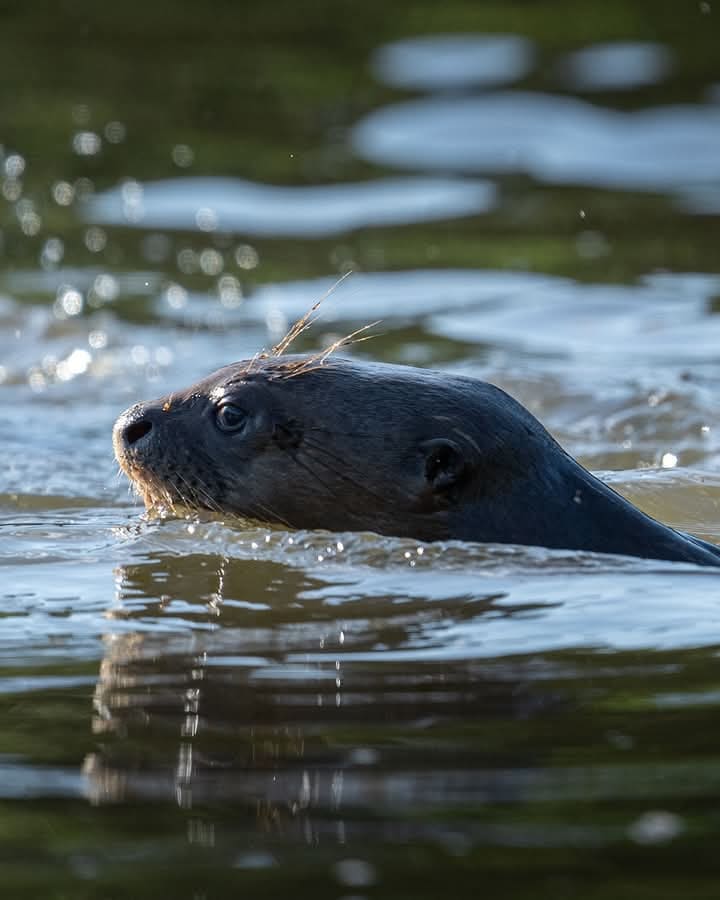
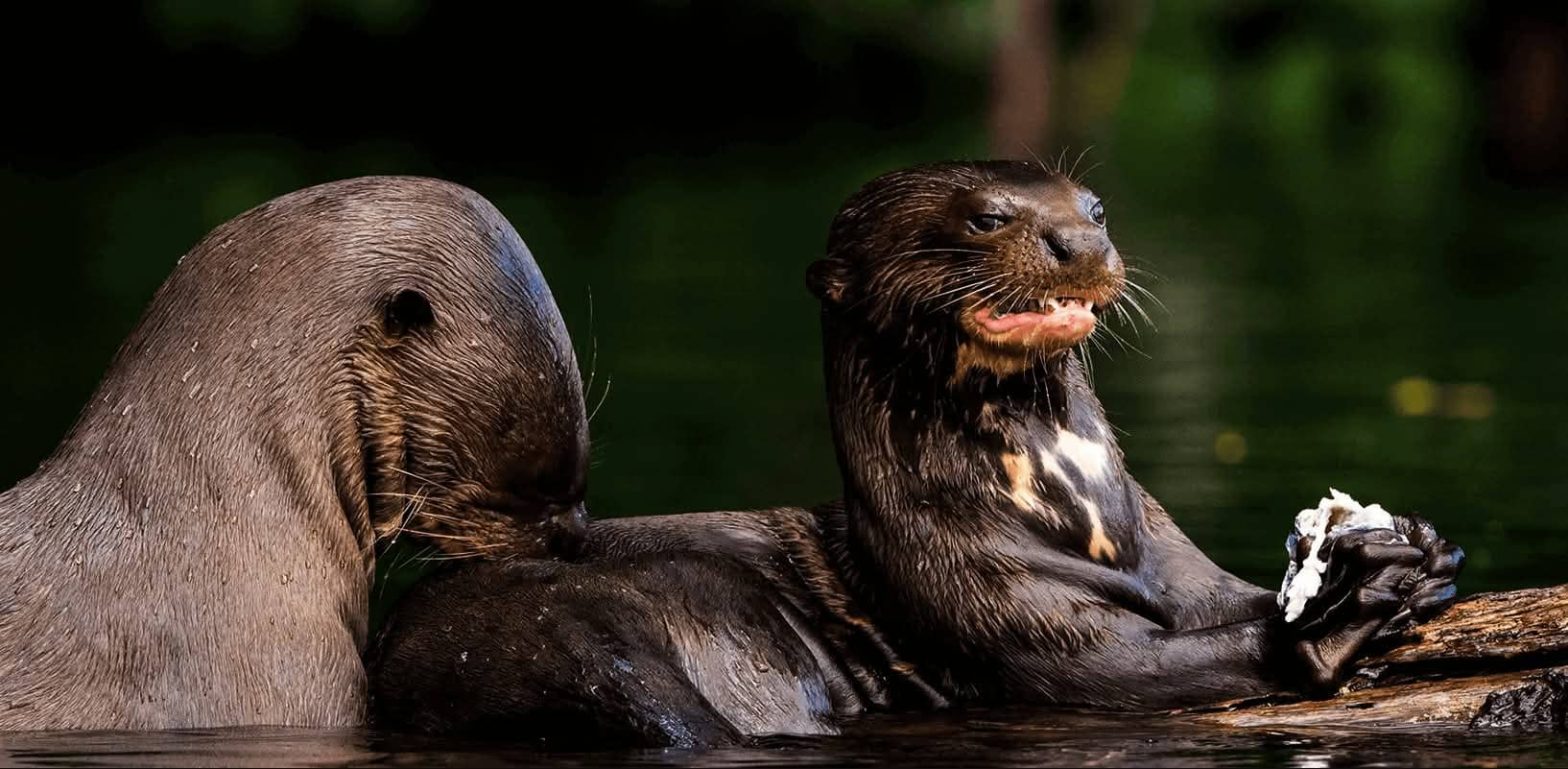
Following lunch and some rest, we visit Cocha Blanco (White Lake), where we observe a family of giant river otters fishing in their natural habitat. With luck, we may also encounter colorful bird species, including the prehistoric-looking hoatzin.

In the evening, we return to the lodge for dinner, followed by a nighttime excursion to search for caimans, often active after dark.

Day 5: Amazon Macaw Clay Lick Photography – Rainforest Lodge

We rise early, before breakfast, to visit the famous Macaw Clay Lick at Blanquillo. Here, hundreds of macaws (Ara

chloroptera), parrots, and parakeets gather to consume mineral-rich clay, which helps them digest toxic substances found in their diet.

After this unforgettable natural event, we return to the lodge for breakfast. Then, we travel several hours upriver by

boat, with a stop at Aguas Calientes near Shintuya for a relaxing dip in the natural hot springs.

By late afternoon, we return to the Rainforest Lodge for dinner and an evening walk to experience the sounds and sights of the rainforest at night.

Day 6: Return – Rainforest Lodge – Atalaya Port – Cusco

On our final day, we begin with one last opportunity to observe parrots. Before breakfast, we take a short boat ride

(10 minutes) to visit another clay lick.

Afterward, we return to the lodge for breakfast and then begin our return journey. We board the boat back to Atalaya

Port, where our private vehicle awaits to take us to Cusco.

We expect to arrive in Cusco between 7:00 and 7:30 p.m.

Manu Wildlife Center 5 Days

Explore the Wonders of Manu Wildlife Center in 5 Days

  Manu Wildlife Center in 5 Days – An Unforgettable Adventure in the Amazon of Manu National Park
Discover the magic of a unique experience that will take you to explore one of the most biodiverse and fascinating places on the planet: Manu National Park, a UNESCO World Heritage Site.

Your adventure begins in the Peruvian Andes, traversing breathtaking landscapes from 3,800 meters above sea level to 600 meters above sea level. During the trip, you will learn about the richness of the Inca culture, their ancestral traditions, and the living history of the communities that inhabit this extraordinary region.

Upon entering Manu National Park,

A true gateway to a world full of mystery, nature, and excitement will open before you. You will explore ancient tropical rainforests that are home to an incredible diversity of wildlife. From tiny insects, colorful frogs and toads, to majestic birds, monkeys, primates, and large mammals that find refuge in this pristine jungle.

During our expeditions, you’ll discover medicinal plants used by generations of Amazonian people, who wisely preserve the knowledge inherited from their ancestors. You’ll also admire an extraordinary variety of orchids, ferns, lichens, and gigantic, centuries-old trees, some over 500 years old—true guardians of the rainforest.

Each hike through these tropical forests will allow you to breathe pure air, infused with the natural aromas of wildflowers and lush vegetation.

The songs of birds will accompany your walks during the day, while at night the rainforest comes alive with a unique natural spectacle .

A concert of sounds emitted by frogs, toads, insects, and numerous other species that inhabit this Amazonian paradise. Manu National Park is much more than a tourist destination; it’s a transformative experience that

connects visitors with nature in its purest form. Here you’ll find peace, adventure, discovery, and memories that will stay with you forever. Live an authentic experience in the Peruvian Amazon and discover the best-kept secrets of Manu National Park with Manu Wildlife Travels Peru.

Decriptiont  About :Explore the Wonders of Manu Wildlife Center .

Explore the Wonders of Manu Wildlife Center in 5 Days : Embark on an unforgettable adventure at the Manu Wildlife Center, where each day brings new experiences in one of the world’s most biodiverse regions.

From the high Andes to lush rainforests, this tour offers an in-depth exploration of Peru’s natural wonders and vibrant indigenous cultures.

Discover the Magic of Manu National Reserve :The Manu National Reserve is a UNESCO World Heritage Site, famous for its ecological richness and unique ecosystems. Spanning over 1.5 million hectares, it’s home to an astonishing variety of plants and animals, making it a paradise for nature lovers and adventure seekers. The reserve is divided into three zones: the  Manu Reserved Zone,  the Manu Cultural Zone, and the Buffer Zone. Each offers distinct experiences for travelers looking to connect with the heart of the Amazon.

Day 1: Cusco to Ninamarca – Manu Wildlife Center

Your journey begins early with a 5:30 AM pick-up from your hotel in Cusco. Along the way, we’ll make several scenic stops, including:

Ninamarca: Explore ancient chullpas (pre-Inca burial sites) that highlight the region’s fascinating history.

Paucartambo: Stroll through this charming colonial town, famous for its preserved traditions and the Quechua language.
As we ascend to the Acjanaco Pass (3,550 m), the gateway to the Manu National Reserve, keep your eyes open for the Andean cock-of-the-rock and other unique bird species. This is where we transition from highland terrain into the misty cloud forest.

Trip Details – Day 1 at a Glance

Route: Cusco – Ninamarca – Paucartambo – San Pedro – Cloud Forest –  Pilcopata – Manu National Park
Ninamarca (Chullpas): ~3,000 m / 9,840 ft
Paucartambo: ~2,906 m / 9,534 ft
Acjanaco (Manu High Pass Discover the Magic of Acjanaco A Jewel )  ): ~3,800–4,000 m / 12,467 ft
San Pedro (cloud forest): 1,400–1,600 m / 4,600–5,250 ft
Cloud Forest (general): 1,500–2,500 m / 4,900–8,200 ft
Pilcopata: 527–550 m / 1,729–1,804 ft.
Difficulty Level: Moderate
Highlights: Andean landscapes, cloud forest, wildlife observation, cultural towns ( photography, bird watching)

Why This Day Is So Special
Covers multiple ecosystems in a single day
Ideal for wildlife and photography lovers
Perfect balance of driving, short walks, and viewpoints
Gradual descent helps with altitude adaptation

Meals Included: Lunch, Dinner
Accommodation: Pilcopata Lodge Inn

Day 2: Manu Wildlife Center-  Into the Heart of the Rainforest .

After breakfast, we travel to Atalaya, where we’ll board a motorized boat to navigate the Upper Madre de Dios River. Along the way, you may spot sunbathing turtles, colorful birds, and other  amazon wildlife peru..
Upon arriving at our rainforest lodge, we’ll embark on a guided trek through the primary rainforest.

Here, you’ll encounter fascinating wildlife, including monkeys and vibrant plant life. Later in the evening, a night

walk reveals the hidden, nocturnal side of the rainforest an immersive experience that showcases the area’s extraordinary biodiversity.

Day Highlights & Travel Details

Route: Pilcopata Lodge Inn– coca plantation – animal rescues  – Pico de Hoz viewpoint for observing hummingbirds– Atalaya – Madre de Dios River –  Rainforest Lodge –
Pilcopata (lodge): 550 m / 1,804 ft
Atalay Port: 3,200 m / 10,500 ft (approximate highland pass)
Machuwasi Lake: 3,400 m / 11,155 ft
Maximum Altitude: 550 m / 1,804 ft
Minimum Altitude: 150 m / 492 ft
Difficulty Level: Easy to Moderate
Main Activities :Hiking in the primary rainforest, bird watching, photography, nighttime activities

Why This Day Stands Out

Excellent chances to see river and lake wildlife
Quiet canoe exploration for close animal encounters
Minimal physical effort, suitable for all fitness levels
Low altitude and warm climate

Meals Included: Breakfast, Lunch, Dinner
Accommodation: Rainforest Lodge

Night Activities : Night walks in the jungle where you can see different species such as: toads, frogs, night monkeys, tarantulas, nocturnal birds and some nocturnal animals.

Day 3:  The Spectacle of the Parrot Clay Lick -Manu Wildlife Center.

Live an unforgettable adventure in the heart of the Amazon rainforest : Early in the morning, we visit the famous  Parrot Clay Lick,  where flocks of macaws and parrots gather to feed on nutrient-rich clay a dazzling natural event you won’t forget.
Afterwards, we enjoy a delicious traditional regional breakfast to recharge our energy.
Next, we venture into the primary, secondary, and untouched rainforest, exploring one of the richest ecosystems on the planet.

Along the way, you’ll have the opportunity to observe an astonishing diversity of wildlife from tiny insects and colorful frogs to tarantulas, vibrant tropical birds, and various species of monkeys. With a bit of luck, we may also spot larger animals such as wild boars, deer, sloths, armadillos, and even the majestic tapir.

Our expert local guide will share valuable ancestral knowledge about medicinal plants used by native communities for natural healing, including matapalo, sana sana leaves, dragon’s blood, cat’s claw, and the sacred ayahuasca plant, among many others.

You will also marvel at impressive , giant trees true guardians of the forest over 500 to 600 years old and rising more than 60 meters high in the .Amazon Rainforest.
An authentic experience filled with nature, ancestral wisdom, and adventure perfect for those seeking more than just a simple trip.

Day Highlights & Travel Details

Route:  Jungle Hikes – hikes in the deep jungle, observing the flora and fauna.– Explorer  to  Parrot and Macaw Clay Lick-  Centenary Trees -Night Hike in the Amazon – Night  Activity .
Distance Traveled: Approximately 30 km
Difficulty Level: Easy to Moderate
Main Activities: Birdwatching, river travel, guided jungle walk, nature interpretation.
Activities:  wildlife observation, lake exploration

Why This Day Is Unforgettable

Close encounters with colorful macaws and parrots
One of the best wildlife photography moments in Manu
Walk among ancient, towering rainforest trees
Low altitude and relaxed pace

Meals Included: Breakfast, Lunch, Dinner
Accommodation: Rainforest Lodge

Night Activities : We will have another opportunity to hike through the primary forests in search of large animals.

Day 4: Manu Wildlife Center- Lake Machuwasi and More Jungle Adventures .

Today is dedicated to deeper exploration. We’ll hike through varied tropical forests, increasing your chances of spotting larger mammals such as capybaras and tapirs.
After lunch, we’ll paddle traditional rafts on Machuwasi Lake, , a serene setting where you might spot the prehistoric hoatzin bird and other elusive creatures. That evening, gather around a bonfire as your guide shares local legends and stories, offering a meaningful glimpse into the traditions of Amazonian cultures.

Day Highlights & Travel Details
Route:   Jungle Hikes – Free time  Fishing  – Explorer  to Machuwasi Lake –  Centenary Trees -Night Hike in the Amazon .
Difficulty Level: Easy to Moderate
Main Activities: Birdwatching, river travel, guided jungle walk, nature interpretation.
 Activities: , wildlife observation, lake exploration

Why This Day Is Unforgettable

Close encounters with colorful macaws and parrots
One of the best wildlife photography moments in Manu
Walk among ancient, towering rainforest trees
Low altitude and relaxed pace

Meals Included: Breakfast, Lunch, Dinner
Accommodation: Rainforest Lodge

Night Activity: Tonight we’ll have a night activity

Day 5:  –  Return to Cusco – Manu Wildlife Center .

Experience the Madre de Dios River and Wildlife Adventure : After this unforgettable wildlife encounter, return to the lodge for a traditional Amazon breakfast. Then, begin the scenic return journey upstream to Atalaya, where a private vehicle will take you back to Cusco. Along the way, soak in the stunning landscapes and reflect on the unique wildlife and cultural experiences of your Amazon adventure.

Travel Details at a Glance
Route: Rainforest Lodge – Trip by outboard Motorboat to Atalaya port – Return to Cusco in our private transport .
Distance Traveled: Approximately 200 km
Maximum Altitude: 3,399 m / 11,152 ft
Minimum Altitude: 150 m / 492 ft
Difficulty Level: Easy
Main Activities: Scenic river travel, overland journey, landscape transitions

Why This Day Works Perfectly

Easy, relaxed travel with no hiking required
Spectacular scenery from Amazon to Andes
Gradual altitude gain for comfort
Ideal conclusion to a multi-day Amazon adventure

Meals Included:  Breakfast ,Lunch.

The Importance of Eco-Tourism at Manu Wildlife Center

Eco-tourism plays a vital role in the sustainability of the Manu Wildlife Center. By promoting responsible travel practices, each visit contributes to conservation efforts aimed at protecting the region’s unique ecosystems. Local guides lead these tours, ensuring that your adventure is not only enriching but also respectful of the natural environment.

Amazon Life 4 days

Amazon Life 4 days 4 Days of Nature and Excitement in Tambopata .

Immerse yourself in one of the planet’s last untouched rainforests  Amazon Life . Spend four unforgettable days in the heart of the Tambopata National Reserve, exploring pristine jungle landscapes and encountering wildlife

found nowhere else on Earth. This expedition is perfect for eco-tourists, wildlife enthusiasts, photographers, and adventure seekers looking for an authentic Amazon experience.

Day 1: Welcome to the Jungle & Monkey Encounter Amazon Life .

Highlights: Amazon rainforest, wildlife spotting, Monkey Island, Madre de Dios jungle lodge
Your adventure begins upon arrival at Puerto Maldonado. Our team will welcome you and transport you to our main office for a brief orientation.

Then, board a boat along the majestic Madre de Dios River and travel deep into the jungle to your eco-friendly lodge. Enjoy a refreshing local fruit drink as you settle into your room surrounded by nature.
In the afternoon, take your first guided rainforest walk. Spot playful monkeys, vibrant birds, butterflies, and

harmless snakes while your expert guide introduces you to the jungle’s rich biodiversity.
After lunch, cross the river to the famous Monkey Island, home to squirrel monkeys, white-faced capuchins, and saddleback tamarins in their natural habitat.

As night falls, embark on a boat excursion along the riverbanks in search of caimans and, if lucky, capybaras. Return to the lodge for dinner, accompanied by the soothing sounds of the rainforest at night.

Day 2: Sandoval Lake & Pure  Amazon Life .

Highlights: Sandoval Lake, giant otters, black caimans, Amazon birds and primates
After breakfast, journey to Sandoval Lake, a hidden gem inside the protected Tambopata Reserve. A short hike

through the forest brings you to the lake, where paddle canoeing allows for quiet and intimate wildlife observation.

Watch for hoatzins, herons, osprey, capuchin monkeys, howler monkeys, and rare tamarins. With luck, you may spot endangered giant river otters or massive black caimans measuring over 4 meters.

Return to the lodge for lunch, then explore the jungle on a night walk, discovering glowing insects, colorful frogs, tarantulas, and other nocturnal wonders.

Day 3: Canopy, Ziplining & River Adventure Amazon Life .

Highlights: Canopy walkways, zipline adventure, kayaking, Amazonian fishing
Wake early for a magical experience on the Canopy Walk-Way, a network of hanging bridges 30 meters above the forest floor.

Witness sunrise over the treetops and spot vibrant birds, including toucans, macaws, and oropendolas.
After breakfast, feel the thrill of the Amazon zipline, soaring above the jungle under expert supervision.

Following a restful lunch, kayak along peaceful jungle rivers, observing wildlife along the banks. Conclude the day with a traditional Amazonian fishing experience as the sun sets over the forest.

Day 4: Farewell to the Amazon – Return to Puerto Maldonado

Highlights: Jungle departure, last wildlife sightings, transfer to Puerto Maldonado
After breakfast, say goodbye to the Tambopata National Reserve and your lodge.

Our team will transport you back to Puerto Maldonado, leaving you with lasting memories of one of the most biodiverse and untouched ecosystems on Earth.