Full 1
MANU TOURS
MANU TOUR ZONE RESERVED 4 DAYS
Full 1
previous arrow
next arrow
Shadow

Amazon Travellers Trip 5 days/ 4 night

Itinerary Amazon Travellers Trip 5 days/4 night

Amazon Travellers Trip – Explore the Heart of the Rainforest :A Journey Into the Untouched Amazon

Embark on an unforgettable adventure deep in the Amazon rainforest, where untouched primary forests shelter

some of the world’s most unique and rare species. This immersive Amazon tour takes you through lush rainforests,

offering unparalleled opportunities to encounter remarkable wildlife, vibrant bird species, fascinating insects, and

elusive primates. Manu Jungle trips .

Day 01: Cusco – Cloud Forest – Jungle Hikes – Lodge Inn .

Your unforgettable Amazon Travellers Trip begins at 6:00 AM with a scenic drive from Cusco in a private minivan,

heading toward the biodiverse Manu National Park. Along the way, we’ll stop to explore the fascinating

Ninamarca Archaeological Site, home to ancient pre-Inca burial towers. Continuing through the charming village of

Paucartambo, you’ll get a glimpse of local culture, colorful traditional attire, and Andean customs.

Crossing the highest point at 3,900m (12,790 ft), and then the group  descend into the mystical Cloud Forest,

where the landscape transforms into a lush paradise filled with orchids, heliconias, and giant ferns. This ecosystem is

home to spectacular wildlife, including the vibrant Andean cock-of-the-rock (Peru’s national bird), quetzals,

Amazonian umbrella birds, trogons, and woolly monkeys. With a bit of luck, you may even spot the elusive spectacled

bear, the only bear species in South America. Continue  an exciting day of nature exploration, we arrive at Pilcopata

Village to settle into our comfortable lodgein the Manu Jungle trips .

Day 02: Amazon Travellers Trip Boat Ride to Machuhuasi Oxbow Lake

Wake up to the symphony of Amazonian birds and enjoy a hearty breakfast before heading toward Atalaya Port.

Along the way, we visit coca plantations and take in breathtaking views of the lowland rainforest. Boarding our boat,

we cruise down the crystalline Madre de Dios River, watching for wildlife along the riverbanks.

Our next adventure takes us to Machuhuasi Oxbow Lake, where we’ll explore its waters on a traditional balsa raft.

This is a prime spot to observe the prehistoric hoatzin bird, various monkey species, peccaries, and even capybaras—

the world’s largest rodent.  It will be an expedition through the primary  rainforest, your guide will share insights into

medicinal plants, reptiles, and Amazonian mammals. Keep your camera ready for alligators, herons, oropendolas, toucans, and more as we explore until sunset.  At night thrilling night walk to spot nocturnal creatures in rainforest Manu Jungle trips .

Day 03: Amazon Travellers Trip to  Parrot Clay Lick and Jungle Trek .

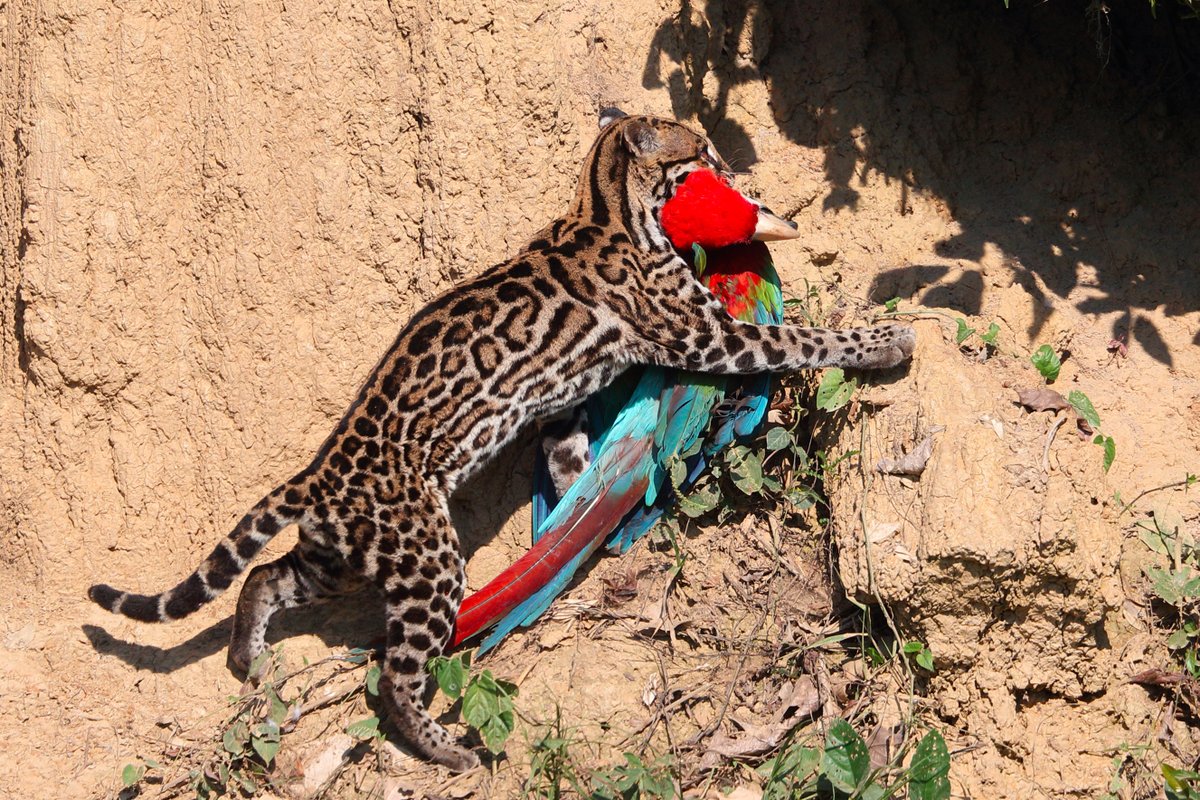
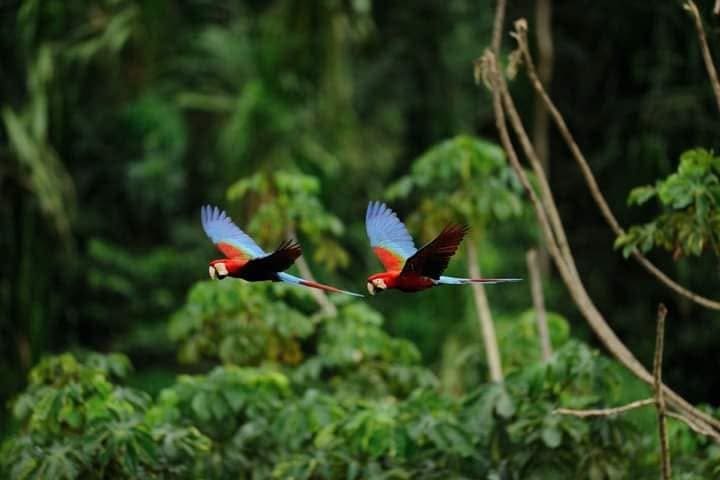
  Today will be a great day to start our activities. Where go to visit to the Parrot Clay Lick, where hundreds of parakeets and small macaws gather to consume mineral-rich clay—an unforgettable wildlife spectacle in the tours Manu Jungle trips ..

Of a spectacular activity we will enjoy a typical breakfast. Where we will have another opportunity to explore them a

three-hour jungle hike through pristine rainforest, where towering ceiba trees (the mother of the jungle) provide

shade for an incredible variety of wildlife trips peru. This is a prime location to spot macaws, toucans, snakes, and

perhaps even a jaguar (Panthera onca) resting on a fallen log.

In the afternoon, enjoy a unique clay therapy session—a traditional Amazonian healing experience—before

swimming in the pristine waters of the Manu National Park River. Birdwatchers will delight in spotting rare

species, including the red howler monkey, one of the Amazon’s most iconic primates. amazonia Manu Jungle trips .

Day 04: Amazon Travellers Trip Enjoy  Hot Springs – Waterfalls – Shintuya Community

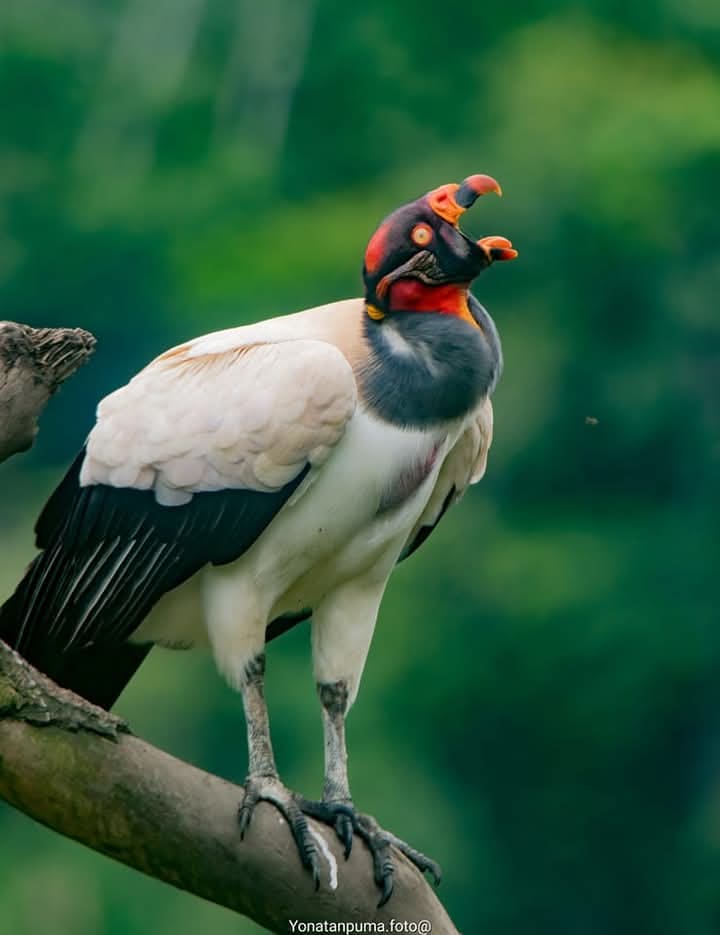
Today we journey by boat down the Alto Madre de Dios River, scanning the shores for capybaras, red howler monkeys, squirrel monkeys, blue kingfishers, and the striking king vulture. Upon reaching the Shintuya Hot Springs,

we take a short jungle hike to discover hidden waterfalls and natural pools—perfect for a refreshing swim. Then,

immerse yourself in a natural medicine hot spring soak, a rejuvenating experience used by local communities for centuries.

Following a delicious lunch, we visit the Shintuya Indigenous Community, where you’ll gain insight into their daily traditions and way of life. In the afternoon, we return to our lodge, taking in the rich scenery of the Manu Biosphere

along the way .  Manu Jungle trips .

Day 05: Manu Rainforest Lodge – Atalaya Port – Cloud Forest – Cusco

On our final morning, we take a guided jungle walk to search for macaws and other remarkable birds before enjoying a delicious breakfast.

Then, we bid farewell to the rainforest and board our boat back to Atalaya Port. From there, a

private van will take us on a scenic drive back to Cusco, with an estimated arrival around 5:00 PM.

What to Expect on a Peruvian Amazon Tour

1. Pure Adventure
Amazon jungle tours are designed to deeply connect travelers with the natural world. Choose from 3-day, 5-day, or longer expeditions, which typically include:

  • Guided rainforest hikes led by local experts who share deep knowledge of flora, fauna, and natural history.
  • Boat excursions at dawn or dusk—ideal times to observe wildlife in their natural habitats.
  • Piranha fishing, a fun and surprising experience for first-time visitors.
  • Wildlife spotting, including pink river dolphins, howler monkeys, macaws, sloths, and over 500 bird species.

2. Authentic Cultural Immersion

A major highlight of the Peruvian Amazon is learning from the people who call it home. In communities like Infierno, travelers can:

  • Participate in handicraft workshops using local, sustainable materials.
  • Discover traditional medicine and the uses of healing plants through guided demonstrations.
  • Listen to oral histories and local myths that bring the forest’s spiritual significance to life.
  • Specialized Experiences: Beyond Conventional Tourism
    For travelers with specific interests, the Amazon offers unique opportunities such as:
  • Nature photography tours: Capture rare animals, lush landscapes, and river reflections in natural light.
  • Scientific or conservation expeditions: Ideal for students, researchers, or volunteers passionate about ecology and sustainability.

Best Time to Visit the Peruvian Amazon

The region is accessible year-round, but each season offers a distinct experience:

  • Dry Season (May to October): Ideal for hiking, wildlife viewing, and fewer mosquitoes.
  • Rainy Season (November to April): Rivers swell, allowing for exploration of flooded forests by boat—an entirely different and breathtaking perspective.
  • Practical Tips for Your Amazon Adventure
    Vaccinate for yellow fever well in advance of your trip.
  • Pack smart: Lightweight, long-sleeved, waterproof clothing in neutral tones helps protect against insects and sun.
  • Use eco-friendly products like biodegradable insect repellent and sunscreen.
  • Follow local guides’ instructions and respect wildlife and cultural practices at all times.

Why Visit the Peruvian Amazon?

Because it’s more than a destination—it’s a living, breathing world that invites you to reconnect with nature, culture, and yourself. Every sound, scent, and encounter reminds you that you are part of something much larger. The Peruvian Amazon isn’t just visited—it’s lived.


The Peruvian Guide Trips

The Peruvian Guide Trips

The Peruvian Guide Trips: Cusco is located in the central and southeastern region of Peru. It occupies

much of the Vilcanota mountain range, which plays a key role in its unique geography. The region’s diversity and

sudden changes in landscapes and ecosystems are primarily linked to the Andes mountain range. Without these

mountains, Cusco and Peru in general would be tropical regions.

Area

72,104 km²

Topography in  The Peruvian Guide Trips –

Cusco’s terrain is marked by the Eastern and Central Andes Mountain Ranges, which originate in the Vilcanota

knot.

The Central Andes are further divided into three sub-ranges: Vilcanota, Vilcabamba, and Paucartambo. The

Andean region features high-altitude landscapes such as plateaus, mesetas, and expansive pampas. These are

bordered by deep ravines and valleys carved by rivers like the Paucartambo, Urubamba, and Apurímac.

The High Jungle region offers a descent into diverse, lush vegetation with a warm, continental climate.

Climate  in The Peruvian Guide Trips .

Cusco experiences a varied climate due to its many different ecological zones.

In the lower altitudes (around 2,000 meters), the climate is generally warm.

In the Inter-Andean region, the climate is temperate.

Higher altitudes (above 3,700 meters) feature cooler temperatures.

Elevation

City of Cusco: 3,399 meters above sea level.

Lowest point: 532 meters above sea level (Pilcopata).

Highest point: 4,801 meters above sea level (Suyckutambo).

Boundaries in The Peruvian Guide Trips

North: Adjacent to the jungles of Junín and Ucayali.

West: Bordered by the jungles of Ayacucho and the Apurímac mountain range.

South: Connected to the highland regions of Arequipa and Puno.

East: Borders the vast Amazon plain of Madre de Dios.

Distances & Access  The Peruvian Guide Trips

From Lima to Cusco: 1,153 km.

By road:

Lima-Arequipa-Cusco: 1,650 km (26 hours by car).

Lima-Nasca-Puquio-Abancay-Cusco: 1,131 km (20 hours by car).

Puno-Cusco: 389 km (7 hours by car).

By air: Regular flights from Lima (1 hour), Arequipa (30 minutes), and Puerto Maldonado (30 minutes) to Cusco.

By train: Regular service from Puno to Cusco: 384 km (10 hours).

CUSCO: MAIN TOURIST ATTRACTIONS – The Peruvian Guide Trips

Andahuaylillas

A picturesque village renowned for the Church of San Pedro de Andahuaylillas, built in the early 17th century.

Inside, you’ll find gilded altars, paintings, and murals from the Cusco School of Art, along with silver jewelry. The

village square is beautifully enhanced by Pisonay trees. A few kilometers further, you’ll reach Huaro, a village

historically inhabited by the shamans during the Inca period.

San Blas Neighborhood

Famous for being home to some of the most important artists in the region. Visitors can enjoy an amazing folk fair,

artisan stores, charming plazas, and stroll through narrow streets showcasing colonial architecture, including the

Church of San Blas, the oldest in the city. Here, you’ll also have the chance to experience local customs and savor regional food.

  Tours  The Peruvian Guide Trips to the visit  Maras

  Tours  Guides Peru Travel :  This town boasts a magnificent church and grand houses adorned with the shields of

noble indigenous families, a reflection of its prosperous colonial era.

A must-see is the salt mines, which have been in operation since the Inca Empire.

Visitors can even participate in salt extraction, using techniques from ancient times. Additionally, the agricultural

terraces at Moray, an Inca agricultural laboratory, offer a blend of historical significance and stunning scenery.

From here, you can also visit the salt pans, a beautiful sight to behold.

The Peruvian Guide Trips to  Ollantaytambo

Known as the “living Inca village,” Ollantaytambo retains much of its ancient mystique. Its intact Inca dwellings

and ecological diversity across multiple altitudinal zones take visitors back in time.

The Inca Bridge leading to Pachar and the grandiose stone terraces of the Ollantaytambo Fortress are impressive,

designed to protect the empire from a different angle.

Other nearby monuments, such as Mañaraucay, Incahuatana, and the Princess’s Baths, further enhance the area’s

historical charm.

The highlight of the town is its living tradition: the local people, dressed in traditional attire, share Inca myths,

legends, and customs, allowing visitors to connect with the ancient civilization. sacred valley  tour 

Tours  Guides Peru Travels  to  Paucartambo

Located along the alternative route to Pisac, between Huancarani and Huambutío, Paucartambo is a beautiful

example of colonial Peru with deep Andean roots.

Its narrow, cobblestone streets are lined with charming blue balconies, adding to the town’s colonial allure.

CUSCO: MAIN TOURIST ATTRACTIONS

6. Paucartambo

Every July, Paucartambo celebrates one of the most spectacular festivals in the region: the Fiesta de la Virgen del

Carmen.

This event offers a vibrant celebration where you can dance with mask-wearers to the rhythm of comparsas and

processions in honor of the town’s patroness. Afterward, enjoy a refreshing bath and head to the Mirador de las

Tres Cruces for one of the most unforgettable sunrises in the world. sandoval lake and macaw clay lick 

7. Piquillacta

Known as the “City of the Fleas,” Piquillacta was one of the most important centers of the Wari culture. The site

consists of various constructions designed to defend the territory and store agricultural products. Nearby, you’ll

find Laguna Lucre or Huacarpay, a peaceful spot rich with wildlife, where you can enjoy the landscape and regional

cuisine at local restaurants.

8.  The Peruvian Guide Trips visit  Pisac

Pisac, the gateway to the Sacred Valley of the Urubamba, is a charming town with colonial and mestizo features.

Immerse yourself in local customs and explore the traditional market filled with regional crafts. The colonial

church in Pisac hosts Mass in Quechua, with the presence of the Varayocs (local authorities). Prepare for a

challenging hike to the Pisac Archaeological Site, an important Inca fortress that once protected the empire’s

capital. The site features spectacular agricultural terraces, such as Qanturaquay, Amaru, Punku, Intihuanta (the

Inca sun dial), and Tanqanamanka, the largest pre-Columbian cemetery in South America.

9. Plaza de Armas -The Peruvian Guide Trips

Also known as Aucaypata (meaning “Plaza of the Warrior” in Quechua), the Plaza de Armas was one of the key

locations for Inca festivals like the Inti Raymi (Festival of the Sun). The square’s beauty is accentuated by its stone

arches, a result of Spanish colonial architecture.

10. Puca Pucara

Puca Pucara, which means “Red Fort” in Quechua, is named for the red hue the rocks take on during twilight. This

site, which once served as an administrative center, invites visitors to explore its terraces, staircases, and passages

—areas once traveled by mythic figures of the Inca Empire.

11. Qenqo

The most striking feature of Qenqo is the large carved stone block, believed to have been used to store chicha (corn

beer), a drink consumed during Inca rituals. As you enter the network of tunnels and underground galleries

adorned with Inca deities, you’ll reach a circular patio with a prominent stone (or Wanka) that may represent a

deity.

12. Sacsayhuaman

Located just 2 kilometers from Cusco, Sacsayhuaman is a military fortress constructed from perfectly cut granite

stones.

This fortress, which took over seven decades and the labor of 20,000 workers to build, is renowned for the

incredible precision of its construction. Its layout represents the head of a puma, the animal that symbolized

Cusco.

Notable features include the Rodadero (a natural rock formation) and the Inca Throne.

13. The Peruvian Guide Trips – Urubamba –

Situated in the heart of the Urubamba Valley, this town is surrounded by beautiful landscapes that define Peru’s

highlands. Urubamba was once a pre-Hispanic agricultural center.

Visitors can enjoy typical regional dishes at the town’s famous picanterías (traditional eateries) and explore its

countryside, with views of the imposing Nevado Chicón.

14. Yucay

Nestled within lush green valleys, Yucay offers visitors stunning views and a glimpse into the past with its colonial

church and the Palace of Inca Sayri Tupac, a rebellious leader of Vilcabamba. The town also features a temple

made of stone and adobe with intricate decorations in high and low relief.

15. Tipón

Located 25 kilometers from Cusco, Tipón is said to be one of the royal gardens built by the Inca emperor

Wiracocha.

The site features twelve terraces, finely polished stone walls, large agricultural terraces, canals, and waterfalls that

create an awe-inspiring landscape.

16. Limatambo

As mentioned in Pedro Cieza de León’s chronicles, Limatambo is famous for being the site of the fierce battle

between Diego de Almagro and the indigenous peoples before the Spanish entered Cusco. Today, Limatambo is

home to the Tarawasi Archaeological Complex, a remnant of the flourishing Inca period. Limatambo was also one

of the Tampu (resting places) on the four main routes leading to the Inca capital, Cusco.

17. Machu Picchu

Hidden by the passage of time, entangled between the charm of the jungle and the mountain, Machu Picchu holds

the mystery of a legendary empire within its walls and the labyrinth of its passageways.

This archaeological wonder of Peru and the world is considered a UNESCO World  -The Peruvian Guide Trips

Heritage Site and was recently chosen as one of the New Seven Wonders of the World. Machu Picchu invites

visitors to explore its intricate and spectacular architecture, which remains one of the greatest mysteries of the

world.

Located on the left bank of the Vilcanota River, in the Kusichaca Valley, this spectacular structure sits atop Machu

Picchu Mountain, which means “Old Mountain” in Quechua. Facing it is the towering Huayna Picchu (Young

Mountain). Both mountains are surrounded by the rushing waters of the Urubamba River. The most remarkable

feature of this site is how harmoniously it blends with the surrounding natural environment, a rare effect seen in

few human-made works.

18. Choquequirao

Located in the Cusco Region, Choquequirao consists of nine distinct sectors, with notable features such as:

The religious center, with its system of fountains and aqueducts.

A group of covered structures.

The religious nature of this site is evident throughout the complex, which is arranged around a large open space or main plaza.

It is complemented by a well-preserved system of agricultural terraces (andenes).

The archaeological remains are scattered across the descending slopes of Choquequirao Mountain, grouped in

small districts separated by a considerable distance. The layout suggests a focus on social hierarchy and the fusion

of different cultural groups. sandoval lake trips peru

The residential sector is located on the lower slopes,

while the agricultural terraces are found along the mountain’s sides. Some of these terraces had irrigation channels

and were used year-round, while others appear to have been used seasonally.

The ceremonial sector is located in the main plaza area, while the upper sections of the site feature a series of

sophisticated buildings. tour amazon macaw clay lick 

Discover the Peruvian Amazon: Unique Tours in the Heart of the Rainforest

Embark on a unique experience: Unforgettable Adventures in the Peruvian Amazon Are you ready to explore the

largest rainforest in the world? Tours through the Peruvian Amazon offer you the opportunity to experience a

unique connection with nature, while learning about biodiversity, local cultures, and the importance of conserving

this invaluable ecosystem.

Experience the Ese Eja Culture in Infierno: An Authentic Encounter with the Native Community Immerse yourself

in the traditions and customs of the Ese Eja community in Infierno. Discover their stories, rituals, and the deep

respect for the rainforest that defines their way of life. A unique cultural experience that will allow you to connect

with the ancestral richness of the Amazon.

Become a Citizen Scientist: Participate in Live Research Projects Join the cause of rainforest conservation as a true scientist.

Participate in biodiversity research, where you can collaborate on real projects that directly impact the

preservation of the Amazon ecosystem. Make history while learning and contributing to the future of the Amazon!

Capture the Magic of Nature: Photography Expeditions in the Amazon The Peruvian Amazon is a paradise for

photography lovers. Join our guided expeditions and enjoy walks through the rainforest, where you can capture

spectacular images of the flora and fauna that inhabit this unique ecosystem. Bring home visual memories that

will stay with you for a lifetime!

Adventures Without Limits: Cycling and Exploration in the Rainforest If you’re an adventurer at heart, don’t miss

our exciting cycling and jungle exploration activities. Enjoy the challenge of cycling through the rainforest while

facing a natural environment full of surprises. Awaken your explorer spirit!

Tropical Biology Studies and Workshops: The Peruvian Guide Trips

Discover the Secrets of the Amazon Join our study trips and interactive workshops. Learn from expert biologists

about the rich biodiversity of the Amazon and gain a deep understanding of the vital role this rainforest plays in

global ecological balance.

Family Adventure in the Jungle: Connecting Youngsters with Nature If you’re looking for a family experience, our

tours are designed for all ages. Foster a love for nature in the youngest members while exploring the secrets of the

Birding Peruvian Amazon together. An educational and fun adventure for everyone


Amazon Jungle Tours Photography 6 days

Amazon Jungle Tours  Photography  6 day .

Amazon Jungle Tours Photography: Capture the Untamed Beauty of Manu National Park : Embark on an extraordinary 6-day, 5-night adventure into the heart of Manu National Park, a true paradise for nature lovers and photography enthusiasts. This immersive experience takes you deep into one of the world’s most biodiverse regions, where every turn reveals breathtaking landscapes, rare wildlife, and the vibrant cultures of the Amazon. Manu Jungle Trips

A Photographer’s Dream in the Amazon

From the moment you set foot in this lush rainforest, you’ll be surrounded by an explosion of life. Towering trees, hidden lagoons, and meandering rivers create the perfect backdrop for capturing stunning shots of nature in its purest form. With expert naturalist guides leading the way, you’ll have the chance to spot and photograph a dazzling array of wildlife, including jaguars, giant river otters, tapirs, and countless bird species. in the amazon Manu Jungle Trips

Day 1: Cusco City to Ninamarca  – Paradise Lodge Inn  .

We leave Cusco early in the morning to start our adventurous trip! First . we are taken by private transport to start the tour Amazon Fields Bird . where we made the first stop called Ninamarca to observe pre-Incan

“chullpas” (tombs) of the Lupaca’s culture.  Then, we continue to Paucartambo, a colonial town with narrow

streets and beautiful church, where people still keep their old customs. Then, we ascend to the viewpoint Tres Cruces (3,900 masl) to observe one of the best sunrises of the world. From there, we start descending to the Manu National Park, a place of presence of cock of the rock (a Peruvian national bird), hummingbirds, strikingly coloured quetzals, trogons, spotted flycatcher and woolly monkey. From flora, we can view a variety of

orchids, mosses, ferns, etc.  Finally, we get to Pilcopata (700 masl) where we overnight in in our  Lodge after enjoying dinner then rest . Optional: A night walk Free in the rainforest  to Manu Jungle Trips

Day 2 :Amazon Jungle Photography Peru From Atalaya Port to Rainforest Lodge  .

After breakfast, we continue our journey by private car (one and half an hour) towards the port at Atalaya (500 m.a.s.l).  There, we board a motorized boat to continue for about half an hour navigating on the Alto Madre de Dios River. Along the rocky riversides, we have a great opportunity to observe the river wildlife like herons,

vultures, cormorants and some of 13 monkey species living in Manu. In the afternoon, we reach our next lodge – Rainforest  Lodge Manu Reserved . Then we go to explore nearby paths where we can see a big diversity of species, for example,

tarantulas, ants, butterflies, some monkey species, huge trees, erotic plants, palms, etc. After that, we return to our lodge Optional: A night walk in  .Manu Jungle Trips

Days  3:   Rainforest Lodge to Maquisapayoq and Amazon Jungle Tours Photography .

Today, a long journey expects us navigating for 8 hours the Alto Madre de Dios River. On the way, we have an opportunity to observe diverse species such as herons, vultures, kingfishers, turtles or monkeys. Later on, we

reach the Reserved Zone. In the afternoon, we pass through the area of Boca Manu where the Alto Madre de Dios

River flows into the Madre de Dios River. Our next lodge – Maquisapayoq is situated only an hour far away from there. This place is a habitat of a red-faced spider monkey. We have a shower and dinner there and before we get

to sleep, we experience an evening walk to a nearby tapir clay-lick observing tapirs from an opposite hidden platform placed just 3 metres far away from the clay-lick in  Blanquillo to Manu Jungle Trips.

Day 4 :Amazon Jungle Tours Photography and  Maquisapayoq to Cocha Blanco Lake  .

After breakfast, we explore nearby paths. Afterwards, we board our boat to navigate down the river for half an hour until we reach Blanquillo Lodge, a place of a big concentration of macaws! We accommodate ourselves and

have lunch there. Later, we visit the Cocha Blanco (Blanco Lake) where we observe a giant river otter family

fishing. If we are lucky, we can spot a big variety of birds playing, for example, a prehistoric bird called hoatzin.  In the afternoon, we return to the lodge where our Cook serves us dinner. After that, we are given an opportunity

to go in search of caimans which are usually active at night waiting for their victims. Then we get back to the lodge to overnight in the Fields Rainforest Manu Jungle Trips  .

Day 5 : Blanquillo  Macaw Clay lick to Rainforest Lodge  Amazon .

Very early before breakfast, we go to the famous and splendid parrot’s clay-lick of Blanquillo to watch big flocks of macaws (Ara Chloroptera), parrots and parakeets .They come there to eat clay that helps them to digest and

clean body from toxins! Then we return to the lodge to have breakfast to later board our motorboat and navigate

up the Alto Madre de Dios River for several hours. On the way, we shortly stop in Aguas Calientes (close to Shintuya) to enjoy a refreshing bath in nearby thermal baths! Then we continue navigating until we get to our

already know – Rainforest Lodge. There we can have shower and after dinner we go night walk in the rainforest . Optional: A night walk to Manu Jungle Trips .

 Day 6 : Rainforest Lodge  to Atalaya Port  Cusco City .

Another parrot observation expects us today, so we board our boat before breakfast to go to see a 10 minute far away parrot clay-lick!  After that, we get back to the lodge where we are served breakfast adding us energy for our

last travel so that we board the motorized boat and start navigating towards the Atalaya Port. Our private vehicle awaits us there to take us back to Cusco. We arrive there approximately between 5 and 6:00 pm. IMPORTANT . You

need to be vaccinated against Yellow Fever as well as to bring some anti-malaria tablets with you Macaw Clay Lick – Peruvian Amazonia .

It is the perfect place to observe hundreds of macaws, which come every morning to eat and others to lick these large walls of salty clay, located on the edge of the Madre de Dios River.

Amazon Jungle Tours Photography 

Parrots are an anatomically homogeneous group of birds. They are most abundant in tropical and temperate regions in Australia. They are noisy, social, and they have heavy hook bills and yoke-tipped feet. Their reputation precedes

them; Which need little presentation. The parrots are gregarious frugivores. In the forest, herds look out for fruits,

flowers, flowers, and occasionally roots and tubers. They methodically climb around branches of trees. As they attack their desired fruits they often hang in awkward acrobatic everyday positions came to eat the amazon clay lick

bird fields. Their bodies are in harmony with their needs for survival; Its sharply hooked, top jaw hinges are very useful. It is used when climbing around the trees, as well as for scraping and pulling large fruits.

Expeditions in the Amazon

Expeditions in the Amazon

Expeditions in the Amazon:   This article provides a fascinating look at the rich biodiversity and ecological importance of the Peruvian rainforest, especially its freshwater fish and plant species, making it highly interesting

for travelers, nature enthusiasts, and those interested in sustainable tourism. Let’s break down the key points and explore why this region is particularly fascinating for travelers:

1. Biodiversity of Freshwater Fish in South America

One of the World’s Richest Faunas: South America’s freshwater fish fauna is exceptionally diverse, with more than 6,000 species.

This represents 46% of the world’s known freshwater fish species. This biodiversity is centered in the Amazon basin, which holds the largest interconnected freshwater system in the world.

For travelers interested in wildlife, especially fishing and aquatic ecosystems, this is an exciting fact.

Species Variety: The Amazon and its tributaries, including the Yuruá River (a key part of the Peruvian Amazon), are home to a massive variety of species, many of which are not found anywhere else in the world.

The diversity in the region is particularly notable for those interested in the biodiversity of rivers and floodplains.

Unique Fish Habitats: The Yuruá River is a mix of meandering channels, floodplains, and oxbow lakes, creating a variety of aquatic environments.

Oxbow lakes and stream pools are key for biodiversity in the region, offering travelers opportunities to explore different ecosystems within a short distance.

Fish Studies: Expedition-based studies on the Yuruá River have revealed remarkable diversity, with up to 185 species identified in the Peruvian section alone.

The region’s fish species make it a paradise for eco-tourists looking to understand the delicate balance of river ecosystems.

2. Expeditions in the Amazon – Rainforest Flora and Adaptations .

Floodplain and Upland Flora: The Amazon rainforests floodplains and upland regions (terra firme) contribute immensely to its plant diversity.

Floodplain species, which have evolved unique adaptations to survive prolonged flooding, showcase the resilience and beauty of this environment.

This makes it a compelling destination for nature lovers interested in plant life.
Floodplain Plant Diversity: The Manu River floodplain alone boasts over 1,400 plant species, while the larger Amazon basin may contain up to 5,000 species.

This number underscores the incredible variety of plants that thrive in different environmental conditions, such as the nutrient-rich “whitewater” rivers versus the poorer, more acidic “blackwater” rivers.

These differences in flora make the region highly dynamic, and for travelers, this offers an unparalleled opportunity to witness plant life in diverse settings.

Adaptations to Water: Plants have adapted to the changing water levels and different types of water (black, white, and clear waters).

These adaptations help travelers understand the survival strategies of plants in fluctuating environments. Buoyancy is one such adaptation seen in aquatic plants, and some can even detach themselves to survive the rising water levels—a unique sight for visitors.

3. Expeditions in the Amazon Importance of Rivers and Floodplains in the Ecosystem

Floodplains as Evolutionary Hotspots: The article emphasizes how floodplains serve as both refuges and evolution centers for various species, particularly insects.

This natural phenomenon can be witnessed firsthand in the field.

For eco-tourists, this adds a layer of intrigue as they observe insect migrations and other animal behaviors tied to the seasonal changes of water levels.

Predator-Prey Interactions: The floodplains concentrate insect populations, which attract predators such as spiders, monkeys, and birds.

This provides travelers with unique wildlife-watching opportunities, where they can observe interactions among different species that depend on each other for survival. tambopata macaw clay lick 

It’s a fascinating part of the natural cycle that is rarely seen in other ecosystems.

4. Incredible River Ecosystems and Wildlife Watching

Amazon as a Wildlife Paradise: The Amazon, often referred to as the longest river system on the planet, stretches over 7,000 km.

The Amazon basin is home to an exceptional variety of species found nowhere else on Earth. This includes monkeys, birds, reptiles, and insects. For travelers, the opportunity to witness such biodiversity in its natural habitat is a once-in-a-lifetime experience.

Incredible Adaptations: The article mentions how wildlife, including monkeys and birds, has adapted to the seasonal changes in the Amazon.

The ability of some species to climb to higher ground during flood periods or the way certain animals gather to take advantage of insect swarms makes for dynamic wildlife viewing.

Cultural and Ecological Insights: Many of these ecosystems have been studied for decades, yet biologists only understand a fraction of the species living in them. For travelers, this presents an intriguing mystery:

what secrets of the forest are still left to discover?

Exploring these regions offers the chance to witness ecosystems that are in constant flux, where discoveries are still being made. tour sandoval lake  amazon peru 

5. Unique Travel Experience in the Expeditions in the Amazon.

Unspoiled and Untouched Nature: The region is described as a “natural area” that hides “fabulous secrets.” Many areas of the Peruvian rainforest, particularly along rivers like the Yuruá, remain largely untouched by human influence.

This makes for an authentic wilderness experience, where travelers can explore vast tracts of unspoiled rainforest and see species in their natural habitat.

Local Knowledge and Cultural Heritage: The local people have deep knowledge of the different types of forests, including the flooded forests, and they use various terms to describe them.

Travelers can learn from these communities about the ecology, biodiversity, and sustainable practices that have allowed them to thrive alongside such an extraordinary ecosystem.

Conclusion: Why Travelers Should Explore Peruvian Wildlife

For travelers interested in adventure, wildlife, and sustainable tourism, this region offers unparalleled biodiversity and an authentic natural experience.

Whether you’re interested in freshwater ecosystems, Amazonian flora and fauna, or simply immersing yourself in one of the most biodiverse places on Earth, the Peruvian Amazon delivers.

Its vast river systems, floodplains, and forest types—combined with the chance to witness rare wildlife—make it a must-see destination for those seeking to understand and appreciate nature’s wonders at their most pristine.

If you’re an avid eco-tourist, wildlife photographer, or scientific traveler, the Amazon in Peru provides unlimited exploration opportunities.

Whether exploring the mighty Yuruá River or hiking through the diverse flora of the rainforest, it’s a destination where discovery never ends .

1. Unmatched Size and Extent -Expeditions in the Amazon

Length and Discharge: The Amazon River itself spans approximately 4,345 miles (7,000 km), making it one of the longest rivers in the world.

It discharges more freshwater into the Atlantic Ocean than any other river, with an estimated 209,000 cubic meters per second.

That’s about one-fifth of all the freshwater flowing into oceans globally. The volume of water it carries is unmatched, earning it the title of the world’s largest river by discharge.

Feeding a Vast Basin: The river network is fed by more than 1,000 tributaries, including some of the world’s longest rivers such as the Madeira, Purus, Tapajós, and Xingu.

Together, they drain a basin of about 7 million square kilometers (2.7 million square miles), making the Amazon Basin the largest watershed in the world.

This vast network spans across nine countries in South America: Brazil, Peru, Colombia, Venezuela, Ecuador, Bolivia, Guyana, Suriname, and French Guiana.

The Amazon River and its tributaries are fundamental to the hydrology, climate, and biodiversity of the region.

2. A River System of Extraordinary Diversity -Expeditions in the Amazon

Incredible Biodiversity: The Amazon River and its tributaries are home to an unparalleled diversity of species,

both aquatic and terrestrial. This diversity extends not only to fish and other freshwater organisms but also to the

surrounding rainforest, which is rich in plant and animal life. For example, the Amazon River alone supports more

than 2,200 species of fish, and many of these species exist nowhere else on Earth. The river’s ecosystem is a vital

source of food, medicine, and shelter for hundreds of species of mammals, birds, reptiles, and amphibians.

Aquatic Wildlife: The Amazon is home to iconic species such as the Amazon river dolphin (Boto), the black

caiman, piranhas, and the manatee. It also contains some of the world’s most incredible freshwater fish, like the

Arapaima (one of the largest freshwater fish), the piraíba catfish, and the electric eel. Additionally, the river’s rich

biodiversity includes invertebrates like giant river otters, butterflies, and floodplain insects, which provide vital roles in the ecosystem.

Floodplain Ecosystems: The floodplains of the Amazon are particularly diverse, creating unique environments such as oxbow lakes, wetlands, and seasonal swamps. These flooded areas are key to the survival of many species,

providing temporary refuges during dry spells, and they become essential feeding grounds during the rainy season.

Floodplains are hotspots of biodiversity, with an abundance of aquatic plants, trees, and vegetation that evolve to survive underwater.

3. The Amazon Rainforest and its Role in the Global Ecosystem

The Lungs of the Earth: The Amazon rainforest is often referred to as the “lungs of the Earth” because it plays a

critical role in global oxygen production. The trees and plants in the Amazon produce oxygen and absorb carbon

dioxide, helping to mitigate climate change. This makes the Amazon River not just a local wonder but a global one,

influencing weather patterns, carbon cycles, and even rainfall in distant parts of the world.

Unique Plant Species: The Amazon is home to over 400 billion trees of more than 16,000 species. These trees,

along with countless other plants and fungi, form a crucial part of the ecosystem. Some of the most famous trees

are the kapok trees, rubber trees, and Brazil nuts, which thrive in the humid, tropical environment. The

rainforest’s plant life is the basis for countless medicines, and the river itself supports aquatic plants like water lilies and aquatic grasses.

4. The Amazon River’s Cultural Significance -Expeditions in the Amazon .

Indigenous Populations: The Amazon Basin has been home to thousands of indigenous communities for millennia.

These groups have developed a deep understanding of the river and its ecosystems. Many rely on the

river for food, transportation, and sacred practices. For travelers, exploring the Amazon offers a unique

opportunity to connect with indigenous cultures and learn about their ways of life, which are often intricately linked to the natural world.

Tourism and Sustainable Travel: The Amazon is a hotspot for eco-tourism and adventure travel, attracting those interested in wildlife watching, birdwatching, and experiencing the forest’s natural beauty firsthand. Visitors

can embark on boat tours to explore remote river systems, hike through the dense rainforest, or take part in

cultural exchanges with indigenous communities. The Amazon is increasingly recognized as a destination for

sustainable tourism, where travelers can support conservation efforts and raise awareness of environmental issues

affecting the region, such as deforestation and climate change.

5. Environmental Challenges and Conservation Efforts

Deforestation and Threats to Biodiversity: Despite its vastness, the Amazon is under increasing threat from

human activities such as illegal logging, mining, and agriculture. Large parts of the rainforest have been cleared for

cattle ranching and soy plantations, leading to habitat loss for many species. Deforestation not only disrupts local

ecosystems but also contributes to climate change by releasing vast amounts of carbon stored in the trees and soil.

Conservation Initiatives: There are numerous efforts to protect the Amazon, including protected areas, indigenous-led conservation projects, and international collaborations. Local communities and environmental

organizations are working together to advocate for better land-use policies, conservation laws, and the

preservation of indigenous territories. Efforts like these are essential to maintaining the Amazon as a global ecological treasure.

6. Why the Amazon River Attracts Travelers -Expeditions in the Amazon

A Natural Wonder: The Amazon is not only a striking feature of the South American landscape but also a place

that offers endless opportunities for exploration and discovery. Its vastness, complexity, and richness make it a destination like no other.

Eco-tourism: For travelers who love adventure, the Amazon provides opportunities to explore remote jungles, navigate winding rivers, spot wildlife, and experience the Amazonian lifestyle. From jungle lodges to river cruises,

eco-tourism operators are offering more sustainable ways to engage with the rainforest without causing harm to its delicate ecosystems.

Scientific Interest: The Amazon River basin is a living laboratory for researchers, with new species and

ecological relationships being discovered every year. Travelers with an interest in natural science, botany, or

wildlife conservation will find the Amazon a fascinating destination where nature is still relatively uncharted and full of surprises.

Iquitos, the Magic Gateway to the Peruvian Amazon: Nature, Culture, and Limitless Adventure – Expeditions in the Amazon

Located in the heart of the rainforest, Iquitos is a fascinating city that truly defies convention. Indeed, it is considered the world’s largest city without road access. As a result, this unique destination is surrounded by the majestic Amazon, Nanay, and Itaya rivers, making it the main entry point to the Peruvian Amazon.

Moreover, visiting Iquitos is not just a trip; it is a complete immersion in one of the most biodiverse ecosystems on the planet. Here, nature, history, and culture intertwine at every turn, creating an unforgettable experience for travelers.

Why Visit Iquitos? Expeditions in the Amazon

To begin with, Iquitos offers an experience unlike any other destination in Peru. Instead of highways and roads, you will find endless rivers, dense rainforest, and extraordinary wildlife.

In addition, from this vibrant city you can explore the famous Pacaya Samiria National Reserve, one of the largest protected areas in the country. Notably, it is known as the “jungle of mirrors” due to the stunning reflections of its landscapes on the water.

Furthermore, Iquitos is ideal for a wide range of unique experiences, such as:

Wildlife observation, including pink river dolphins, monkeys, and birds
Navigating the Amazon’s vast river systems
Cultural encounters with local communities
Staying in ecolodges deep within the jungle

Therefore, whether you are an adventure seeker or a nature lover, Iquitos offers something truly special.

How to Get to Iquitos? Expeditions in the Amazon

One of Iquitos’ most striking features is its geographic isolation. For this reason, reaching the city becomes part of the adventure itself.

On the one hand, the fastest and most common way is by air, flying to Coronel FAP Francisco Secada Vignetta International Airport (IQT) from Lima.
On the other hand, it is also possible to arrive by river, traveling by boat from cities such as Yurimaguas or even from neighboring countries like Brazil and Colombia.

Consequently, this unusual access adds a sense of exclusivity and excitement to your journey.

Iquitos Weather: When to Travel?

Iquitos enjoys a warm and humid tropical climate throughout the year, with temperatures ranging from 21°C to 30°C. Generally, the weather remains consistent, but there are two main seasons to consider.

First, the High Water season (November to May) is ideal for exploring the rainforest by boat. During this time, flooded areas become accessible, allowing closer encounters with aquatic wildlife.

Meanwhile, the Low Water season (June to October) is perfect for jungle hikes and land-based excursions. In this period, trails are more accessible, offering deeper exploration of the forest.

Ultimately, each season provides a different perspective of the Amazon. Therefore, any time of year is a good time to visit, depending on the type of adventure you are looking for.


Amazon Rainforest Ayahuasca Experience 3 days

Amazon Rainforest Ayahuasca Experience (3 Days)

Amazon Rainforest Ayahuasca Experience: Traditional Amazonian Medicine
Traditional Amazonian medicine represents more than a health system; it is an ancestral knowledge passed down through generations. Rooted deeply in the worldviews, wisdom, and practices of the indigenous communities of the Amazon, this holistic approach offers profound insights and connections.

A Deep Tradition of Healing : At its heart, this practice draws on a deep understanding of the therapeutic properties of medicinal plants. For centuries, indigenous peoples have studied and utilized the Amazon’s rich biodiversity to address a variety of health concerns effectively.

Integrative Worldviews and Practices

In the Amazonian perspective, healing integrates body, mind, and spirit. Traditional medicine does not merely target physical ailments; it restores spiritual and emotional balance. This is achieved through sacred rituals, ceremonies, and the use of special plants in a deeply holistic manner. maju jungle trips

Benefits of Traditional Medicine
Connection with nature: Encourages respect for the environment and its gifts.
Personalized care: Treatments are tailored to individual needs.
Sustainability: Advocates responsible use of biodiversity.
Preserving Ancient Knowledge : As the modern world evolves, it is crucial to safeguard this ancestral wisdom. Traditional Amazonian medicine embodies a cultural legacy and serves as a valuable resource for addressing contemporary health challenges.

Itinerary

Day 1: Journey to the Cloud Forest – Albergue Paraíso

Your adventure begins with an early departure from Cusco in private transport. The journey takes you to Ninamarca, where the pre-Incan chullpas (tombs) of the Lupaca culture stand as timeless monuments.

The route continues to Paucartambo, a charming colonial town preserving its traditions. From there, ascend to Acjanaco Pass (3550 masl) to witness one of the world’s most breathtaking sunrises from the Tres Cruces de Oro viewpoint (3700 masl).

Descend into the lush edges of Manu National Park, passing mystical cloud forests alive with cock-of-the-rocks, hummingbirds, quetzals, trogons, and woolly monkeys. The journey offers vibrant flora, including orchids, mosses, and ferns. birding manu park


End your day with relaxation, a hot shower, and a delightful dinner at our lodge in our lodge Amazonico manu jungle trips (700 masl).

Day 2: Immersion in the Rainforest

After breakfast, continue by transport to Puerto Atalaya (500 masl) and board a motorized canoe to navigate the Madre de Dios River. Along the way, watch wildlife such as sunbathing lizards, birds, and turtles.

Arriving at your lodge, settle into the comfortable accommodations before exploring the Amazon rainforest. Encounter diverse species, including tarantulas, butterflies, monkeys, and vibrant plants.

After lunch, explore Lake Machuwasi on a traditional catamaran. Delight in the sights of birds, reptiles, and dwarf caimans. Return for dinner at the lodge, where the serene ambiance enhances your evening.

Ayahuasca Ceremony Preparation
End the day preparing for the sacred Ayahuasca ceremony, guided by an experienced shaman. Preparation includes days of a cleansing diet, fasting, and meditation to ensure an open, focused state of mind.

Under the guidance of sacred chants and rituals, embark on a visionary journey to achieve emotional healing and spiritual clarity. Following the experience, the shaman provides personalized guidance and a reflective space for closure. manu jungle

Day 3: Parrot Clay Lick and Return to Cusco

Begin the day with an early breakfast, followed by a visit to a vibrant parrot clay lick, where parrots, macaws, and parakeets gather—a true spectacle of nature.

Afterward, enjoy a final breakfast at the lodge before returning to Puerto Atalaya via canoe. A private vehicle awaits to take you back to Cusco, where you will arrive by early evening. manu jungle trips

Experience the Journey of a Lifetime

Discover the beauty of the Amazon, reconnect with nature, and immerse yourself in the cultural and spiritual richness of Peru. Don’t miss this unparalleled journey of discovery and renewal.