





Most Common Mammals Manu Park
How to Explore Manu National Park :Manu National Park offers unique access to pristine wilderness through guided eco-tours that balance responsible travel with environmental preservation. Explore the Salvador, Otorongo, and Juárez cochas, some of the most biodiverse spots in the park. Visitors can hike winding trails that pass through cloud forests, rivers, and ancient rainforest, with the chance to observe wildlife at every turn.
THE MOST COMMON MAMMALS OF MANU PARK
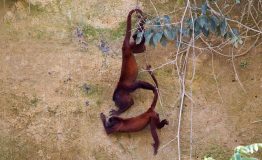
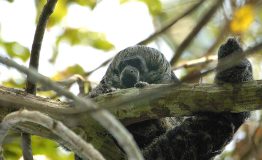
Amazon Peru-Manu National Park the most common animals that we can find tenemso. The otorongo (Panthera onca), the black tiger (Felis yagouaroundi),
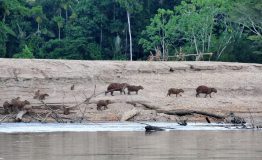
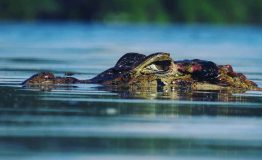
the sachavaca (Tapirus terrestris), the white-lipped peccary (Tayassu pecari), the peccary (Tayassu tajacu), the deer (Mazama americana), the Montagu’s deer (Odocoileus virginianus) , The otter (Pteronura brasiliensis), The capybara Manu Park.
The most common birds that we find in the common park reserve are . White-rumped Hawk, Trilling Tapaculo, Andean Guan, a wide variety of Hummingbirds,
including Collared Inca, Chestnut Coronet, Violet-throated Startfrontlet and Amethyst-throated Sunangel, Purple-backed Thorn, La Garza, Toucan, Perdis, macaws, parrots, parakeets, trumpeter, quetzal, la pava.
and many hummingbirds. These birds, like the mammals, adapted to the microclimate and the different floors that this natural area of the Amazon rainforest has, as well as the primary and virgin forests that developed many years ago and are now preserved.
PRICE FROM
S/. /pax
CODE: CUS-01
y
Places to visit:
Tour Group:
Tour Type:
Tour Physical Level:
1/5
PAYMENT ONLINE


Review Most Common Mammals Manu Park.