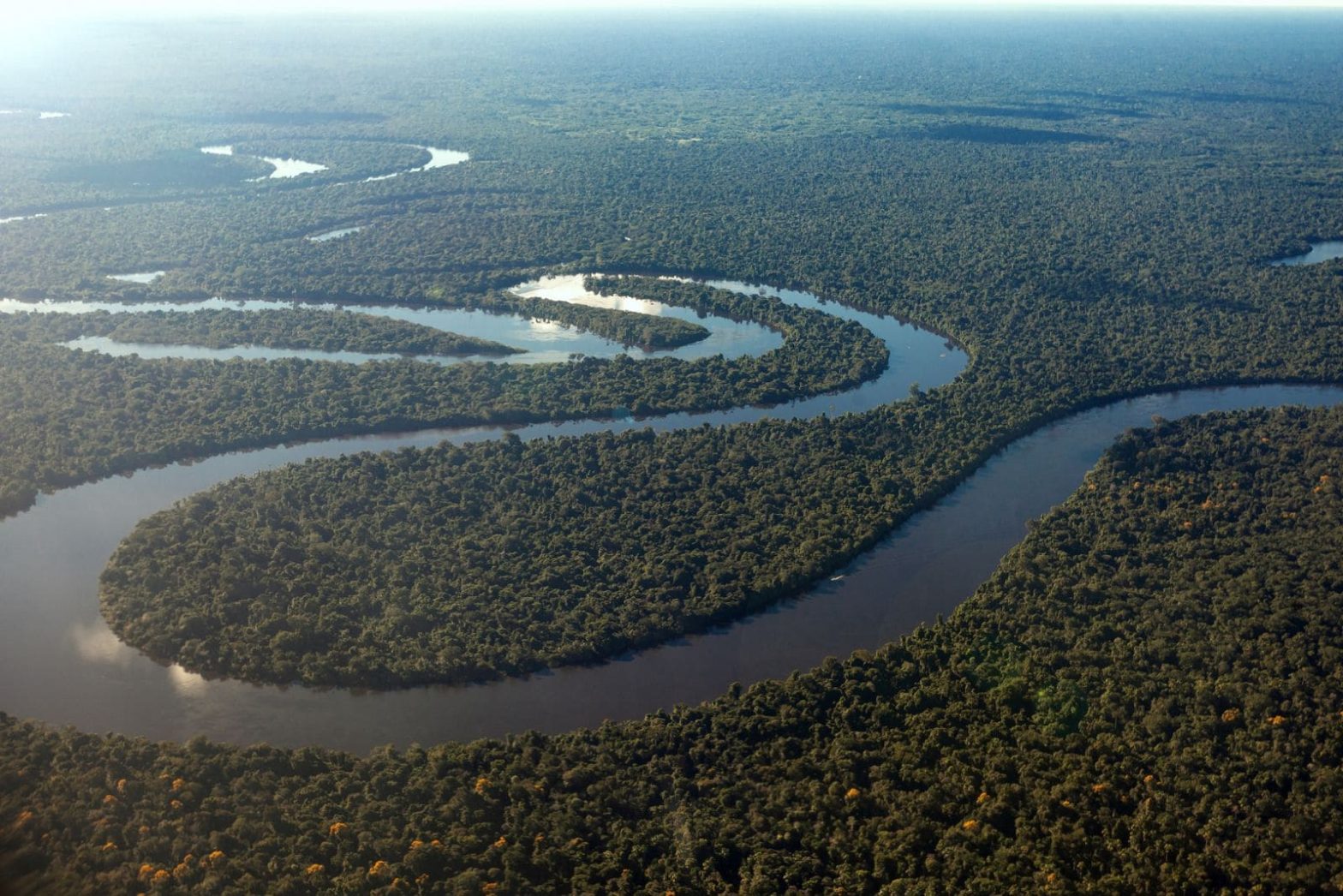
National Park Amazon – Peru
Manu National Park :Established: May 29, 1973
Size: 1,716,295.22 Hectares
Location: Cusco and Madre de Dios Regions, Peru
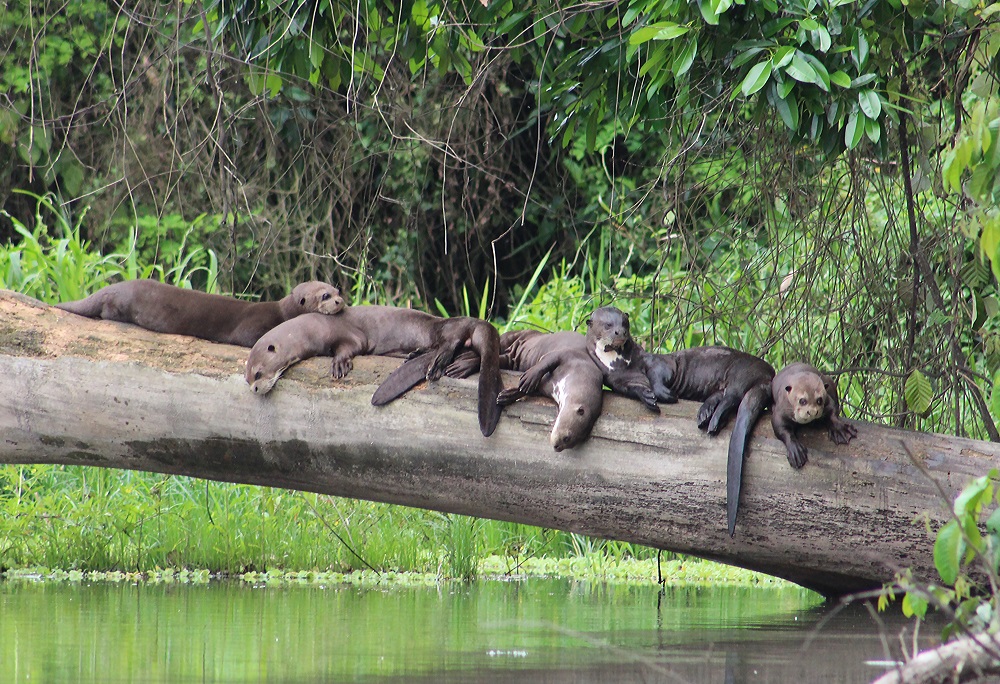
The National Park Amazon in Peru, established on May 29, 1973, is one of the most biodiverse and ecologically significant protected areas in the world. Spanning over 1.7 million hectares across the Cusco and Madre de Dios regions, this vast tropical rainforest sanctuary is home to a rich variety of flora and fauna, including rare species like jaguars, macaws, and giant river otters. The park plays a crucial role in preserving the unique ecosystems of the Amazon Basin, offering unparalleled opportunities for eco-tourism, scientific research, and conservation efforts.
This UNESCO World Heritage site is a must-visit destination for nature enthusiasts, wildlife photographers, and adventure travelers seeking to explore one of Earth’s last great wildernesses.
Core area of the Biosphere Reserve
Records Manu Jungle Trips.
1025 : species of Birds of the amazon nature
221 : Species of Mammals of the rainforest nature.
1307 : Butterfly Species in jungle nature
8 : Species of Wild Felines fields nature
15 : Primate Species in wild nature
27 : Species of Psittacines
155 :Reptile Species nature wildlife
300 : Species of Ants in tropical nature forest
650 :Species of Beetles
1,025 Bird Species
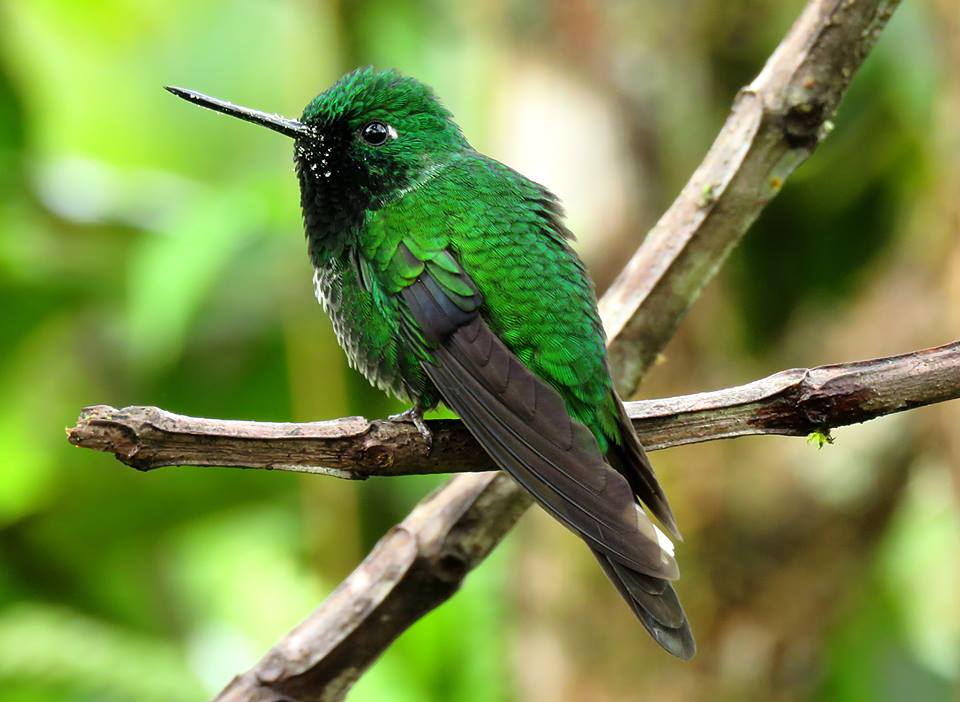
The Manu Biosphere Reserve is a birdwatcher’s paradise, with over 1,025 bird species recorded, including rare and endangered species like the Andean cock-of-the-rock and the harpy eagle. This vast array makes it one of the most important bird conservation areas in the world, attracting researchers and eco-tourists alike.
221 Mammal Species
The park is also a haven for 221 mammal species, ranging from the elusive jaguar and puma to the endangered Brazilian tapir and river otters. The diverse habitats within the reserve support both small nocturnal creatures and large terrestrial mammals.
1,307 Butterfly Species
Manu is a hotspot for lepidopteran life, with an astonishing 1,307 butterfly species. These vibrant insects, including the blue morpho and various species of swallowtail butterflies, play a crucial role in pollination and serve as indicators of the park’s health.
8 Species of Amphibians
With its diverse ecosystems, Manu National Park is home to 8 species of amphibians, including rare and endangered frogs like the poison dart frog and the titicaca water frog, both vital to the region’s ecological balance.
15 Primate Species
Manu is a primate haven, with 15 species of monkeys and apes, such as the spider monkey, howler monkey, and the endangered peruvian spider monkey. These primates are key players in maintaining the health of the forest, aiding in seed dispersal.
27 Species of Psittacines
The park is home to an impressive 27 species of psittacines (parrots), including the macaws and parakeets that are famous for their colorful plumage. These birds are not only a visual delight but also play a significant role in forest regeneration by dispersing seeds.
155 Reptile Species
Manu’s varied habitats support a remarkable diversity of reptiles, with 155 species documented. From the anaconda lurking in the wetlands to the brightly colored Amazon tree boa, these reptiles contribute to the park’s rich food web.
300 Species of Ants
Ants are essential to the ecosystem of Manu, and the reserve is home to over 300 species of ants, including unique leaf-cutting ants and army ants. These tiny creatures are vital for soil aeration and act as food for many other species in the food chain.
650 Species of Beetles
The Manu Biosphere Reserve also boasts an impressive diversity of 650 beetle species, which are crucial for nutrient cycling and maintaining the health of the forest. From glowing fireflies to giant ground beetles, they showcase the incredible variety of life within the park Jungle trips.
Conclusion:
A Biodiversity Hotspot of Global Significance
The Manu Biosphere Reserve is one of the most biologically diverse places on Earth, offering researchers and
conservationists an invaluable natural laboratory. Its vast array of species – from birds and mammals to insects
and amphibians – demonstrates the unmatched ecological value of this Peruvian treasure. Whether you are a
wildlife enthusiast, an eco-tourist, or a scientist, Manu’s core area offers a unique window into the wonders of the Amazon rainforest.
Manu National Park and Manu National Reserve – A Premier Ecotourism Destination in Peru.
Manu National Park, located in the Peruvian Amazon Macaw Clay Lick , is one of the most biodiverse protected areas in the world, offering unique ecotourism experiences for adventure seekers and nature enthusiasts. Recognized by
UNESCO as a Natural Heritage of Humanity in 1987, this expansive park is a vital part of the National System of
Protected Natural Areas (SINANPE) in Peru. The park spans the departments of Madre de Dios and Cusco,
and its Manu National Reserve offers unparalleled access to the jungle’s remarkable wildlife, lush rainforests, and pristine landscapes.
Ecotourism and Sustainable Travel in Manu National Park
Tourism within the Manu National Park is strictly regulated to preserve its extraordinary ecosystems and cultural heritage.
As part of its core objectives, the park encourages sustainable tourism that aligns with the park’s
commitment to environmental conservation. Through Manu Jungle Trips, visitors can enjoy immersive,
responsible travel experiences that highlight the region’s natural and cultural beauty.in manu jungle trips.
This tourism model supports outdoor recreation, leisure, and cultural exploration in a healthy and sustainable way.
Managed by the National Institute of Natural Resources (INRENA), the park ensures that all tourism activities follow stringent guidelines. The Ministry of Foreign Trade and Tourism (MINCETUR) of Peru works in
collaboration with regional and local governments, tourism operators, and private sectors to maintain the park’s
status as a top-tier ecotourism destination. The park’s management evaluates the safety and logistical standards of certified tourism operators, ensuring only authorized Manu Jungle Tours are conducted. These tours focus on
the lower Manu River basin, Andean routes, and other approved circuits within the park, providing an unforgettable ecotourism experience.
Tourism Regulation and Infrastructure Development
Since 1996, tourism activities in Manu National Park have been governed by specific regulations aimed at
balancing human enjoyment with environmental preservation. The Manu National Park Departmental Directive of
1998 formalized the system of activities in key areas such as the Manu Reserved Zone and Acjanaco sector, both known for their stunning landscapes and abundant wildlife. Since 2001, following the Regulation of the Law of
Protected Natural Areas, efforts have intensified to adapt tourism operations to the park’s evolving ecological requirements.
This includes regulating infrastructure, ensuring that tourism facilities like lodges meet environmental standards, and overseeing the operation of authorized river transport services.
A Global Ecotourism Hub in the Vilcabamba Amboró Conservation Corridor
Manu National Park is part of the Vilcabamba-Amboró Conservation Corridor, a critical ecological zone connecting the Andes to the Amazon manu jungle . The departments of Madre de Dios and Cusco are internationally
recognized for their megadiversity, making them top ecotourism destinations in the world. The Cusco-Manu jungle
ecotourism corridor offers an exciting and accessible route for tourists seeking to experience Peru’s exceptional
biodiversity. Despite the park’s remote location and challenging accessibility, this pristine wilderness remains one
of the most sought-after ecotourism destinations, attracting travelers eager to experience Manu Jungle Trips firsthand.
Manu National Park: A UNESCO World Heritage Site and Ecotourism Gem
The UNESCO designation of Manu National Park underscores its global significance as a sanctuary for both
biodiversity and cultural heritage. With its vast array of flora and fauna, including rare species like the jaguar, giant river otter, and Andean cock-of-the-rock, the park is a paradise for wildlife enthusiasts, photographers, and
nature lovers. Whether you’re exploring the remote Amazonian lowlands or trekking the Andean foothills,
Manu National Park provides the ultimate destination for those seeking an authentic connection with nature wildlife.
By choosing Manu Jungle Trips, visitors are not only immersing themselves in a biodiversity hotspot but also
contributing to the conservation of this ecologically vital region. The park’s carefully regulated tourism industry
ensures that visitors enjoy a responsible, sustainable experience while preserving one of the most pristine natural areas on Earth.
Why Visit Manu National Park?
Biodiversity: Home to over 1,000 bird species, 200 mammal species, and countless other unique creatures.
UNESCO Recognition: A World Heritage Site since 1987, Manu is a global ecotourism destination.
Sustainable Travel: Eco-friendly tours with a focus on conservation and cultural appreciation.
Remote Adventure: Explore one of the most biodiverse and least disturbed regions of the Amazon.
Unique Experiences: Manu Jungle Trips offer unparalleled wildlife sightings and
cultural immersion.
Manu Jungle Tours: A Hidden Gem in Peru’s Ecotourism
Visitantes en la Selva del Manu – Manu National Park, located in the heart of the Amazon rainforest, remains
one of the most biodiverse and ecologically significant destinations in Peru . Although it doesn’t attract as many
visitors as Iquitos or Tambopata, Manu tours continue to offer an authentic and unforgettable experience in one of the world’s most pristine natural environments.
Manu National Park’s Tourism Landscape: A Growing Ecotourism Destination
While Iquitos and Tambopata lead the pack in terms of jungle tourism in Peru, Manu National Park is steadily gaining recognition for its unparalleled natural beauty. Iquitos, often seen as a saturated and well-established destination, offers a range of river tours on modern boats that navigate through the Reserva Nacional pacaya Samiria. In contrast, Tambopata has seen impressive growth thanks to its proximity to Puerto Maldonado and
regular air services. However, Manu National Park offers something different—an untouched, unspoiled
ecotourism experience that is perfect for those seeking to immerse themselves in nature, with specialized Manu Jungle Trips catering to travelers from all over the world.
Manu’s tourism takes place in two state-conceded lodges, namely Conchas Salvador and Otorongo, which
serve as the primary bases for exploration. These lodges offer guided tours that highlight the incredible
biodiversity of the Manu Biosphere Reserve, including the famous Lago Sandoval, a major attraction for tourists
visiting the park. The lower Manu River and the Andean routes provide stunning landscapes, wildlife encounters, and cultural immersion, making it a must-visit for nature lovers.
Tourism Growth and Trends in Manu
Between 1995 and 2000, the growth rate of international visitors to Manu National Park averaged 14.2%,
significantly contributing to the rise of Manu Jungle Trips as an ecotourism option in Peru. Despite its relative
lower profile compared to Iquitos and Tambopata, Manu’s remote and untouched environment continues to draw
eco-conscious travelers. Interestingly, Manu Jungle Tours have experienced increasing popularity, especially
among those seeking a more authentic and sustainable travel experience.
A major portion of Manu tours focuses on activities around Lago Sandoval and nearby forests, which are
known for incredible wildlife sightings, such as macaws, jaguars, and giant river otters. The most common way to
book these tours is through agencies based in Cusco, with many visitors opting for guided trips into the wilds of Manu National Park.
The History of Tourism in Manu National Park
The rise of tourism in Peru during the 1980s saw the Manu National Park gradually gaining attention. Early in the
decade, a surge in interest towards nature-based tourism began, with destinations like Iquitos, Huaraz, and the
Inca Trail to Machu Picchu capturing the spotlight. This period marked the beginning of a growing market for
adventure tourism and eco-tourism, which paved the way for more specialized tours in regions like Manu.
In 1984, Manu National Park officially entered the national tourism scene, attracting scientific researchers,
adventurers, and eco-tourists with the promise of pristine Amazonian forests and the chance to experience one of
the world’s richest ecosystems. Over the years, scientific tourism and adventure travel in Manu have blossomed,
with prominent international researchers conducting studies that have led to the discovery of new species in the region.
Today, Manu Jungle Trips are widely regarded as some of the best ways to experience the Amazon’s unique
biodiversity and untouched beauty. As the park continues to gain recognition for its ecological value, it is fast becoming one of Peru’s premier ecotourism destinations. Manu Jungle Trips
Ecotourism Activities in Manu National Park
Visitors to Manu National Park are treated to a wide array of exciting and immersive activities.
Popular pursuits include:
Wildlife Observation: Spotting rare and endangered species in their natural habitat, such as monkeys, birds, and reptiles.
River Expeditions: Exploring the Manu River by boat, offering a chance to see the region’s unique flora and
fauna from the water.
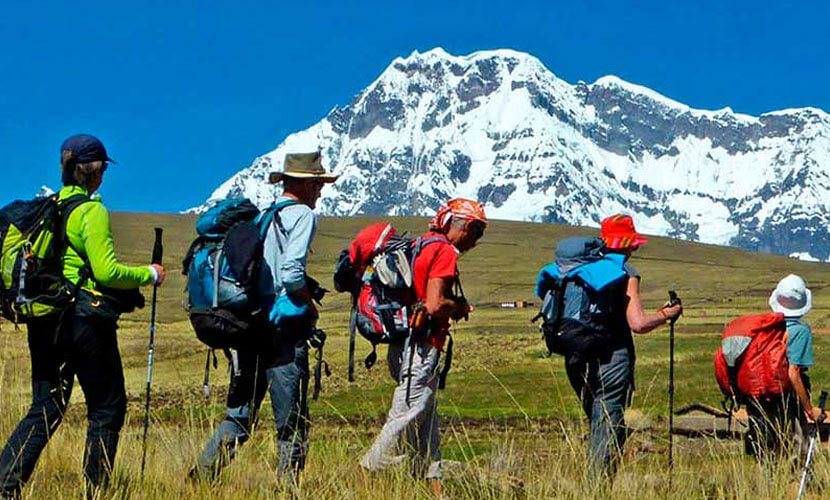
Hiking and Trekking: Navigating through cloud forests and lowland jungles, often with expert guides providing insights into the region’s ecology.
Kayaking and Canoeing: Exploring tranquil waterways and getting up close to wildlife in a sustainable way.
Additionally, the Andean route leading into Manu offers a unique mountain-to-jungle experience with hiking, llama cart rides, and cultural experiences in nearby communities like Patria and Pilcopata.
Cocha Otorongo: A Natural Refuge in the Heart of Manu
Located in the district and province of Manu, in the Madre de Dios department, Cocha Otorongo is a hidden gem within the Manu National Park, one of the most biodiverse areas on the planet. This impressive natural formation, located on the right bank of the Manu River, is an ancient meander that became isolated after the river changed its course, creating a unique ecosystem that attracts nature lovers and adventurers seeking to experience the true essence of the Amazon rainforest Manu Jungle.
Cocha Otorongo extends for 3 kilometers in length and between 150 and 200 meters in width, with a depth of 1.50 meters. The water, with a constant temperature of 29.6°C, is home to a rich diversity of species. Majestic river
wolves can be observed in its waters and surroundings, while iconic species such as herons, pavas de monte,
eagles, parrots, and vibrant macaws stand out on the shores and in the nearby skies. The trees surrounding the
cocha harbor a variety of mammals, including the enigmatic howler monkeys, spider monkeys, and tapirs, while the majestic jaguars stealthily prowl through the vegetation.
With a warm tropical climate In Manu Jungle Trips.
temperatures reach up to 35°C during the day and cool to 20°C at night, Cocha Otorongo is an ideal destination for tourists wishing to enjoy nature in its purest form. The tourist trails offer unforgettable walking routes, while a
modern observation tower and piers allow visitors to admire local wildlife and flora from a unique perspective.
This spectacular ecosystem is perfect for travelers looking for an ecotourism experience, where the focus is on direct contact with nature and wildlife viewing in its natural habitat.
creating a unique environment that is now home to a rich diversity of fauna and flora. Stretching for 5.5 kilometers
in length and varying in width between 160 and 220 meters, this tranquil water mirror offers stunning natural
beauty. Its water temperature of 32.1°C, along with the warm climate, which fluctuates between 35°C during the day and 20°C at night, provides the perfect environment for exploration.
Cocha Salvador is a sanctuary for a wide variety of species.
In its waters and surroundings, you can observe colorful macaws, parrots, toucanes, and elegant herons. In the
surrounding jungle, animals like tapirs, huanganas, jaguars, and primates thrive amidst the lush vegetation. This
biodiversity haven is a true paradise for wildlife watchers.
Tourists can enjoy two main trails that border the cocha: one 15 km long connecting nearby camps, and another 8
km trail leading to the famous Cocha Otorongo, offering travelers the opportunity to delve deeper into the rich natural surroundings.
Cocha Salvador is not just an ideal place for ecotourism,
but also a hidden gem in the Amazon region Cocha Salvador , where birdwatching, mammal sightings, and encounters with other
animals are unique experiences. With its incredible biodiversity and unparalleled landscapes, it is a must-visit destination for travelers seeking to immerse themselves in the magic of the Manu Reserve Zone
Why Choose Manu Jungle Trips?
Manu National Park offers a truly untouched and immersive experience compared to more well-traveled Peruvian
destinations. By choosing Manu Jungle Tours, travelers gain access to an extraordinary world of biodiversity, with
guided trips that are both educational and enriching. As an ecotourism hotspot, Manu National Park provides an
exclusive and sustainable way to explore the Amazon, ensuring that its incredible wildlife and ecosystems are preserved for future generations.
Manu National Park: Biodiversity, Living Culture, and World Heritage
Manu National Park (MNP) is one of the most important protected natural areas in Peru and the world. Its main function is to conserve a representative sample of the extraordinary biological diversity and unique landscapes that make up the lowland rainforest, the cloud forest, and the Andean region of southeastern Peru. At the same time, the MNP plays an essential role in protecting cultural diversity and defending the right to self-determination of the Indigenous peoples who inhabit it.
A Territory of Exceptional Megadiversity
Manu is globally renowned for its species megadiversity, hosting ecosystems that range from the cold puna grasslands above 4,000 meters above sea level to rugged forested mountains, high-elevation cloud forests, and the Amazon lowlands.
This impressive variety of landscapes includes a vast hydrographic system that favors the presence of minimally disturbed and highly conserved ecosystems.
The tropical forests of Manu have allowed ecological and evolutionary processes to develop almost without human intervention. This natural balance makes the park a unique place on Earth. Additionally, the area possesses enormous cultural richness represented by Indigenous populations at different levels of contact with the outside world, as well as an important—and largely unexplored—archaeological heritage.
International Recognition
In 1977, UNESCO granted MNP the title of Biosphere Reserve due to its extraordinary ecological and cultural importance.
Years later, in 1987, it was declared a Natural World Heritage Site, strengthening its position as one of the most valuable places for global conservation.
Within and around its boundaries lie other protected areas such as the Kugapakori and Nahua Territorial Reserve, the Megantoni National Sanctuary, and the Amarakaeri Communal Reserve, forming a fundamental biological corridor for the country.
Ancestral Territory of Indigenous Peoples
A large part of MNP’s territory has been ancestrally inhabited by various Amazonian Indigenous peoples, including the Yora, Mashko-Piro, Matsiguenka, Harakmbut, Wachipaeri, and Yine.
Two native communities located in the upper Manu River—Tayakome and Yomibato—have official recognition within the protected area.
WILDLIFE OF MANU
Flora and Fauna of Manu National Park: A Sanctuary of Unique Life on Earth
Manu National Park (MNP) is considered one of the territories with the greatest biological diversity on the planet. Within its area, thousands of animal and plant species coexist, many of them endemic or vulnerable, turning Manu into a natural laboratory of wildlife.
Fauna of Manu National Park
MNP hosts one of the highest concentrations of wildlife in the entire Amazon.
Approximately:
- 160 species of mammals
- More than 1,000 species of birds, mostly resident
- 140 species of amphibians
- 50 species of snakes
- 40 species of lizards
- 6 species of turtles
- 3 species of caimans
- 210 species of fish
Notable Mammals of Manu
Among the most emblematic mammals are large predators and unique Amazon species:
- Jaguar (Panthera onca)
- Jaguarundi (Felis yagouaroundi)
- Amazonian tapir (Tapirus terrestris)
- White-lipped peccary (Tayassu pecari) and collared peccary (Tayassu tajacu)
- Red brocket deer (Mazama americana) and white-tailed deer (Odocoileus virginianus)
- Giant river otter (Pteronura brasiliensis)
- Capybara (Hydrochoerus hydrochaeris), the largest rodent in the world
Monkeys such as the red howler (Alouatta seniculus),
the black spider monkey (Ateles paniscus),
the woolly monkey (Lagothrix lagotricha),
the white-fronted capuchin (Cebus albifrons), and the brown capuchin (Cebus apella)
Diversity of Insects
The insect diversity in Manu is astonishing. It is estimated that there are around 30 million species, with notable records such as:
- More than 1,300 species of butterflies
- 136 species of dragonflies
- At least 300 species of ants (over 40 found on a single tree!)
- More than 650 species of beetles
- Flora of Manu National Park
The flora of MNP is equally impressive. Botanical research has identified:
- 162 plant families
- 1,191 genera
- 4,385 recorded species
In a single hectare, up to 250 different tree species have been counted, demonstrating the area’s ecological complexity.
Representative Ecosystems and Plant Species
One of Manu’s most characteristic ecosystems is the aguajales, formed in permanently flooded areas, especially on the right bank of the Manu River. Dominant species include:
- Aguaje (Mauritia flexuosa)
- Huasaí (Euterpe precatoria)
- Among the region’s representative trees are:
- Cedar (Cedrela sp.)
- Cecropia (Cecropia sp.)
- Tornillo (Cedrelinga catenaeformis)
- Brazil nut (Bertholletia excelsa)
- Lupuna (Chorisia sp.)
- Rubber tree (Hevea brasiliensis)
Climate and Tourist Routes of Manu National Park
Climate of Manu National Park
The climate of Manu National Park varies greatly due to the steep altitudinal gradients across the protected area. Generally, the climate is warm and extremely humid, although rainfall and temperatures change notably with altitude.
- Rainfall by Zone
- Southern zone (high mountains): 1,500–2,000 mm annually
- Middle zone: rainfall increases to 3,000–3,500 mm per year
- Northwestern sector: the rainiest region, with more than 8,000 mm annually, one of the highest in the world
Dry Season and Temperatures
The dry season runs from May to September, when rainfall decreases and temperatures tend to drop.
- Temperature patterns vary by region:
- Amazon zone: warm and humid, with an average annual temperature of 25.6°C
- Andean zone: cold climate, with an average temperature of 8°C
This climatic variability allows very different ecosystems to coexist within the same territory, from Andean puna to flooded rainforests.
Tourist Routes in Manu National Park
The lower basin of the Manu River offers visitors a deep experience within the Amazonian lowlands. The park has five official visitor zones, recognized for their spectacular diversity of flora and fauna:
- Salvador (oxbow lake)
- Otorongo (oxbow lake)
- Juárez (oxbow lake)
- Pakitza
- Limonal
- Experiences in the Visitor Zones
Each area offers trails and circuits that allow visitors to experience the essence of the tropical rainforest. The horseshoe-shaped lakes, or cochas, are one of the main attractions, where species difficult to spot elsewhere—like the giant river otter or the black caiman—can be observed.
The riparian forests along the Manu River are also ideal for wildlife viewing. Mammals, birds, reptiles, and lush Amazonian vegetation are commonly found there.
Clay Licks and Aguajales: Unforgettable Natural Spectacles
A major attraction is the clay licks, areas where many species gather to consume minerals from the soil. This phenomenon offers excellent opportunities to observe macaws, parrots, peccaries, and other emblematic animals.
Likewise, the aguajales, dominated by aguaje palms, are vital areas for specialized species and highly attractive to nature enthusiasts.
Tres Cruces Viewpoint: A Unique Experience
In the southernmost part of MNP lies the Tres Cruces Viewpoint, famous for its spectacular sunrises at more than 3,600 meters above sea level.
Between May and August, when the sky is clear, a unique optical phenomenon can be seen: the sensation of the sun rising twice in a single dawn.
- From this point, two contrasting panoramic views can be enjoyed:
- The Andean mountain range to the south
- The Amazonian cloud forest to the north
The area also features a marked walking trail of 7 km (approx. 3 hours) connecting the Acjanaco ranger station with the Pillahuata farm.
Tourist and Research Infrastructure
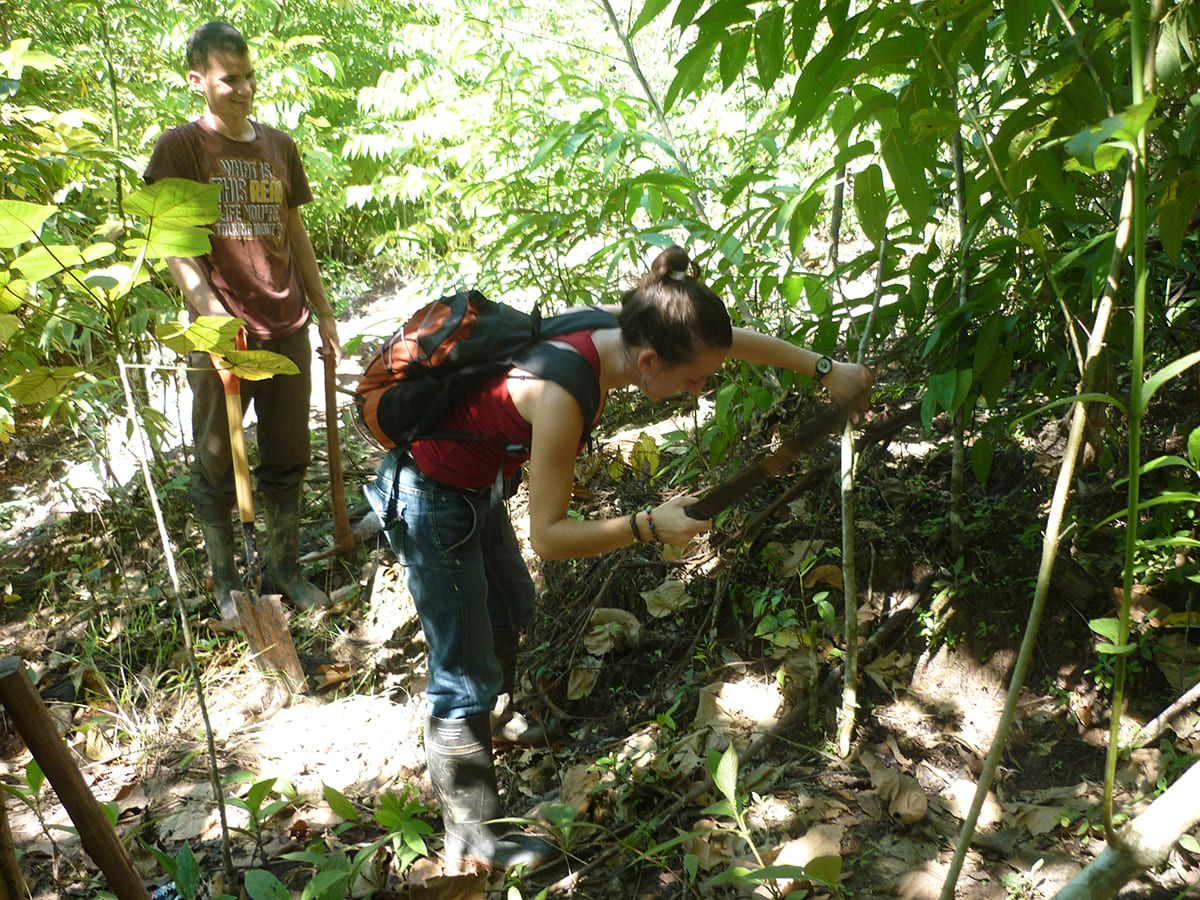
Manu National Park hosts one of the world’s leading tropical research centers: the Cocha Cashu Biological Station.
In the lower Manu River basin, visitors have access to:
- Five camp zones
- Three viewpoints
- Three lodges under concession
- An 18-meter metal tower at Cocha Otorongo
An elevated walkway with a platform in the Limonal sector
Additionally, the Limonal Interpretation Center provides detailed information about the park’s fauna, flora, and cultural values.