Full 1
MANU TOURS
MANU TOUR ZONE RESERVED 4 DAYS
Full 1
previous arrow
next arrow
Shadow

Wild Trip – Manu Blanquillo 7 days

Itinenaty  Wild Trip – Manu Blanquillo .

Wild Trip Manu Blanquillo is ideally located near one of the world’s most fascinating natural phenomena: the

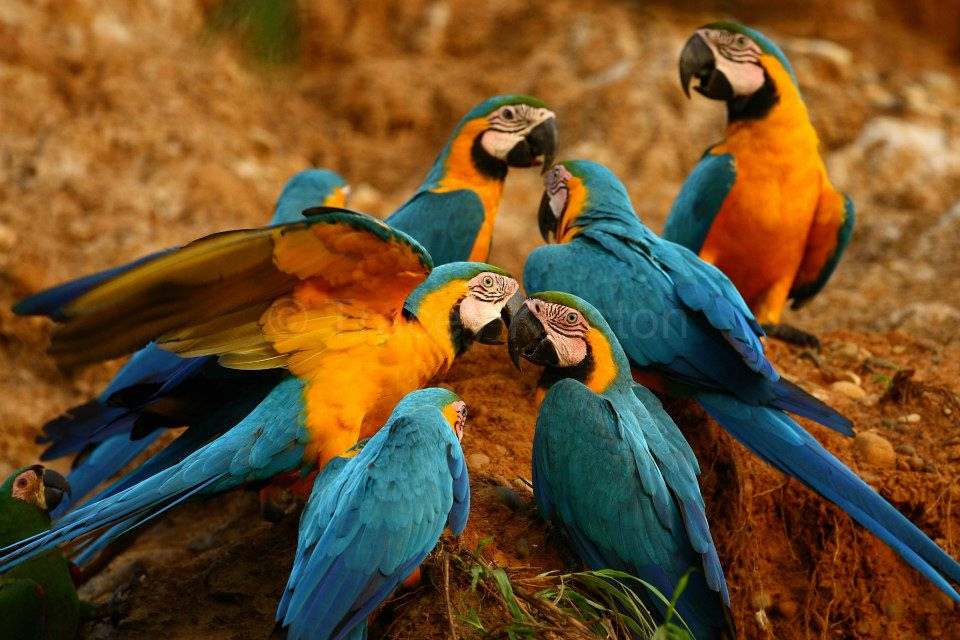
Macaw Clay Lick. A Collpa is a clay lick, a crucial spot where many birds and mammals come to neutralize toxins

from their digestive systems. At the Blanquillo Collpa, you’ll witness an awe-inspiring display as red and green

macaws, along with other colorful parrots and medium-sized macaws, gather daily to feast on the nutrient-rich clay.

Macaw Clay Lick: Nature’s Spectacle Wild Trip – Manu Blanquillo

The nearby shebonal forest creates the perfect environment for these incredible Collpas. Rich in clay, the soil

provides vital minerals that help neutralize the toxins found in the unripe fruits consumed by the macaws and

other rainforest species. These clay licks are a vital part of the local ecosystem, and the Blanquillo Collpa is among the most spectacular to observe.

At Tambo Blanquillo Lodge,  you’ll have exclusive access to a 10-meter-high observation blind, strategically placed for the best view of the clay lick. This vantage point ensures that you can capture stunning close-up shots of

the vibrant macaws without disturbing their natural behavior. The blind is equipped with 40 comfortable seats,

each with a personal counter to rest your binoculars and cameras, offering you the stability needed for excellent

photographs. As you enjoy the activity, breakfast will be served in the blind, with convenient facilities available to make your experience as comfortable as possible. manu jungle trips

Day 1 : Wild Trip – Manu Blanquillo  From  Cusco Ninamarca Cloud forest to Pilcopata .

We leave Cusco early in the morning to start our adventur Wild Trip Manu Blanquillo  our trip. First, we are taken by private transport to the place called Ninamarca to observe pre-Incan “chullpas” (tombs) of the Lupaca’s culture.

Then, we continue to Paucartambo, a colonial town with narrow streets and beautiful church, where people still keep their old customs. Then, we ascend to the viewpoint Tres Cruces (3,900 masl) to observe one of the best

 From there, we start descending to the  National Park, a place of presence of cock of the rock (a Peruvian national bird), hummingbirds, strikingly coloured quetzals, trogons, spotted flycatcher and woolly

monkey. From flora, we can view a variety of orchids, mosses, ferns, etc. Finally, we get to Pilcopata (700 masl) where we overnight in Lodge after enjoying dinner and shower. exploring manu jungle trips . Clay Lick Wild .

Day 2 :  Atalaya Port to Rainforest Lodge  to Wild Trip – Manu Blanquillo  .

After breakfast, we continue our journey by private car (one and half an hour) towards the port at Atalaya (500 m.a.s.l). There, we board a motorized boat to continue for about half an hour navigating on the Alto Madre de Dios River. Along the rocky riversides, we have a great opportunity to observe the river wildlife like herons, vultures,

cormorants and some of 13 monkey species living in Manu! In the afternoon, we reach our next lodge – Rainforest Lodge. Then we go to explore nearby paths where we can see a big diversity of species, for example, tarantulas, ants,

butterflies, some monkey species, huge trees, erotic plants, palms, etc. After that we return to our lodge to overnight. Optional: A night walk in the amazon Clay Lick Wild manu trips .

 Day 3:Rainforest Lodge -Maquisapayoq Lodge to Wild Trip – Manu Blanquillo .

Today, a long journey expects us navigating for 8 hours the Alto Madre de Dios River. On the way, we have an opportunity to observe diverse species such as herons, vultures, kingfishers, turtles or monkeys. Later on, we reach

the Manu Reserved Zone. In the afternoon, we pass through the area of Maquisapajoq  where the Alto Madre de

Dios River flows into the Madre de Dios River. Our next lodge jungle trips  – Maquisapayoq is situated only an hour far away from there. This place is a habitat of a red-faced spider monkey. We have a shower and dinner there and

before we get to sleep, we experience an evening walk to a nearby tapir clay-lick observing tapirs from an opposite hidden platform placed just 3 metres far away from the clay-lick! wild peru manu jungle

Day 4 Macaw Caly Lick Maquisapayoq Lodge -Cocha Blanco Lake  . Wild Trip – Manu Blanquillo

After breakfast, we explore nearby paths. Afterwards, we board our boat to navigate down the river for half an hour until we reach Blanquillo Lodge, a place of a big concentration of macaws We accommodate ourselves and have

lunch there. Later, we visit the Cocha Blanco (Blanco Lake) where we observe a giant river otter family fishing. If we

are lucky, we can spot a big variety of birds playing, for example, a prehistoric bird called hoatzin. In the afternoon, we return to the lodge where our Cook serves us dinner. After that, we are given an opportunity to go in search of

caimans which are usually active at night waiting for their victims. Then we get back to the lodge to overnight Night walk in the Clay Lick Wild . trips  manu phography 

Day 5 :  Wild Trip – Manu Blanquillo  Macaw Caly Lick   to Camungo Lake .

We wake up very early to go to the famous and splendid parrot’s clay-lick of Blanquillo to watch big flocks of macaws (Ara Chloroptera), parrots and parakeets!! They come there to eat clay that helps them to digest and clean

body from toxins! After this activity, we continue towards the Camungo Lake where a 42 meter high observation

tower is situated.

We climb it to be able to enjoy a view of Amazonian landscapes. Later on, we explore paths around Blanquillo on

our way back to the lodge.Optional: A night walk. am,azing jungle  trips manu

Day 6 : Wild Trip – Manu Blanquillo to  Boca Manu – Aguas Caliente – Albergue Rainforest .

We are served breakfast very early to be able to continue today´s very large travel so that we board our motorboat and navigate up the Alto Madre de Dios River. On the way, we shortly stop in Aguas Calientes (close to Shintuya) to

enjoy a refreshing bath in nearby thermal baths -Then we continue navigating until we get to our already know –

Rainforest Lodge. There we can have shower and after dinner we go to sleep.

 Day  7 : Wild Trip – Manu Blanquillo From Rainforest to Atalaya Port  Back  to Cusco City .

Before breakfast, we board our boat to go to see a 10 minute far away parrot clay-lick! After that, we get back to the lodge where we are served breakfast adding us energy for our last travel so that we board the motorized boat and

start navigating towards the Atalaya Port. Our private vehicle awaits us there to take us back to Cusco. We arrive there approximately between 5 and 6:00 pm.

What to Expect on This Trips Amazon Wild Trip – Manu Blanquillo

This journey is not only about exploring Manu National Park, it’s about connecting with nature in its purest form. Along the way, you’ll enjoy:

  • Giant river otter sightings as you travel the serene oxbow lakes by boat.
  • Wildlife encounters, including capuchin monkeys, jungle birds, and other Amazonian creatures.
  • A visit to the Macaw Clay Lick, one of the most impressive natural spectacles in the Amazon, where you can observe red and green macaws up close, as well as other vibrant species.
  • Comfortable accommodations with local lodges designed to blend seamlessly with the environment, offering you both comfort and immersion in the Amazon’s beauty.

Why Choose This Tours?

Unique Experience: This tour offers an authentic experience that blends adventure with the biodiversity of Manu, providing you with the chance to explore one of the world’s most diverse ecosystems.

Expert Guides: Our experienced local guides ensure that every moment of your adventure is filled with

fascinating insights about the rainforest’s flora and fauna.

Perfect for Families & Adults: With a minimum age of 6 and suitable for adults up to 75 years, this tour is

designed to accommodate a wide range of ages and fitness levels, making it ideal for families or small groups of friends.

Accessible Adventure: Enjoy an easy-to-moderate level of difficulty, making this tour perfect for those seeking

adventure without the extreme physical demands.

Book Your Adventure Today

Don’t miss the chance to explore the Manu Macaws Clay Lick on this 7-day expedition through the breathtaking

Manu National Park. Whether you’re an avid wildlife lover, a photographer looking for rare shots, or simply someone

seeking an unforgettable adventure, this tour offers something for everyone..

Cusco Machupicchu Trek

Itineray  Cusco Machupicchu Trek

Cusco Machupicchu Trekking – Peru


•Location: Cusco is located in the central area and south oriental Of Peru Cusco Machupicchu Trek . It occupies much of the orographic knot of Vilcanota. Its diversity and the abrupt changes in Landscape and ecosystems are mainly associateds a the Andes Mountains. If this does not exist, and Cusco And Peru in general, would be tropical places.

• Surface: 72,104 Km2
• Topography: Its relief presents the Eastern Cordillera and Central of the Andes Originate in the Knot of Vilcanota. The Ori Cordillera Cental is subdivided into three Branches: Vilcanota, Vilcabamba, Paucartambo.

The Andean zone presents / displays aspects of high mountain As high plateaus and Plateaus, extensive pampas lined with deep Broken by The rivers flow, forming valleys and cañones, being the most Important ones developed by the Paucartambo rivers, Urubamba and Apurímac.

In the High Forest -Cusco Machupicchu Trek peruvian

the descent from the To the lowest of the Cusco’s territory offers us great diversity Of exuberant
Vegetation, where continental warm weather reigns

Weather: Varied due to the great diversity of floors Dinales.?

  • In the lower parts (2 000 meters down),
  • The most are given Varied types of warm climates. ?
  • On Interandinos floors the climate is temperate. ?
  • In the intermediate floors the climate is temperate. ?
  • In the higher parts (3 700 m or more) predominate
  • the Cold temperatures.

• Altitude: 3 399 masl. City of Cusco
Minimum 532 masl. (Pilcopata).
Maximum 4 801 masl. (Suyckutambo).


• Limit : To the North With the jungles of Junín and Ucayali
To the West With the jungle of Ayacucho and the mountains
From Apurimac
By the South With the high zones of Arequipa and Puno
By the East With the great Amazonian plain of Madre And God.


• Distances and access roads:

  • From the City of Lima: 1 153 km to the City Of the Cusco.
  • Access to Cusco is as follows: ?
  • Land: Lima-Arequipa-Cusco: 1 650 Km. (26 hours by car).
  • Lima-Nasca-Puquio-Abancay-Cusco: 1 131 Km. (20 hours in car).
  • Puno-Cusco: 389 Km. (07 hours by car) ?
  • Air: Regular flights from Lima (1 hour) and from Arequipa (30 minutes), Puerto Maldonado (30 minutes) to
  • the city of Cusco.?
  • Iron : Regular service: Puno-Cusco: 384 Km. (10 hours)


CUSCO: MAIN AT TOURIST RACTIVES


1. Andahuaylillas :A village where the church of San Pedro de Andahuaylillas stands out, built Beginning of the 17th century. They adorn their interior golden altars, paintings and murals of the School of Cusco and silver jewelry. Beautiful is also its plaza enhanced by Pisonay trees. A few more kilometers There we arrive at the town of Huaro, where the witch-doctors of the Inca times lived.

2.San Blas neighborhood :This city is famous because we can find the most important artists of the region. We could visit an amazing folk fair, warehouses of artisans, Beautiful squares and walk along the narrow streets where you can appreciate The colonial architecture as the church of San Blas, the oldest in the whole city. We can also share with the community their customs and enjoy the food region of.

3. Maras :It shows a large church and beautiful mansions with Indian noble shields, reflecting a Time of prosperity during the colony.
Site of obligatory stop in the mines of salt, exploited from the times of the Empire until today, where we can participate in the extraction of this mineral, Using the technique of those times.

4. Moray :Agricultural platforms that served as Inca agricultural laboratory to experiment with Their crops. Moray contains history and scenic beauty. From here also We can reach the salineras and enjoy the spectacle of salt pits.


5. Ollantaytambo :

Considered the “Inca people” living”; This village Receives with the mystery that Encloses their ancestors Incas, intact dwellings, in Which does not appear to have After the time, Various ecological floors,
Andean reservoirs and reservoirs Of food, and the Inca bridge Way to Pachar. However, In addition, the monoliths of Pink granite assemblies With impressive perfection and The Fortress of Ollantaytambo,

2 Built by terraces of carved stone whose purpose, as the Of other fortresses of the same nature, was to protect the empire from another angle. In this area we will also appreciate other monuments such as Mañaraucay, Incahuatana and the Baths of the Princess.

But the main attraction of this region is its tradition and people. As suspended in The time and dressed in the traditional way, we will go back to the ancestors Incas, sharing with local guides and communities myths, legends and Customs that will paint the panorama of a powerful and mystical empire.

6. Paucartambo :Following the alternate route to Pisac, between Huancarani and Huambutío, we reach Paucartambo, beautiful example of colonial Peru with Andean roots. Streets Cobbled and narrow, flanked by its charming blue balconies

Which contrast with the sky in the sky.Cusco Machupicchu Trek


In the month of July we can participate in one of the most spectacular festivities Of the area, the Fiesta de la Virgen del Carmen and enjoy an endless Celebration where we will dance with the masked to the sound of the comparsas and The processions in honor to the Patron of Paucartambo.

Take a good swim and head for the Mirador de las Tres Cruces, and Witness of one of the most unforgettable and beautiful sunrises in the world.

7. Piquillacta  :Called “City of Fleas” was one of the most important centers for culture Wari. It is a set of constructions whose objective was to defend its territory and Store agricultural products.

A few steps further we will encounter the lagoon Lucre or Huacarpay, Various animal species. We will enjoy the landscape and the regional meals in the Restaurants that are located in the area 3491/5000

8. Pisac :

Gateway to the Urubamba Valley, Pisac is a picturesque village of Mestizo and colonial characteristics. Be part of the local customs With their communities and enjoying the crafts in the traditional market where You can find various objects and fabrics of the area.

Another attraction of Pisac is its church of colonial origin where they are celebrated Masses in Quechua with the presence of the Varayocs, the local authorities.

Prepare to climb uphill from the hill where the Archaeological Site is located Of Pisac, another of the important fortresses that also guarded the capital of the empire. As we ascend we will witness the most spectacular Andenerías Pisac is conformed by diverse districts in which it is distinguished the one of

Qanturaquay, Amaru, Punku, Intihuanta or Solar clock and Tanqanamanka, considered the The largest pre-Columbian cemetery in South America.

9.Parade ground :Known by the people of the time as Plaza Aucaypata, that in Quechua Means “Warrior’s Square”, was one of the most important scenarios for the Incas who performed dazzling festivities such as the Inti Raymi.

Its beauty stands out thanks to the beautiful framework given by its stone arches Of two plants, work developed with the arrival of the Spaniards to Peru.

10. Puca Pucara :Cusco Machupicchu Trek

Puca Pucara receives its name in Quechua from “Red Fort”, due to the red color Which acquire the rocks during the twilight. Puca Pucara is another example of Architecture that also functioned as an administrative center, and invites us to To cross its platforms, terraces superposed, stairs and passages where They transited mythical characters of the Inca empire.

11. Qenco : What impresses us the most when arriving at Qenc Or is the huge block of carved stone Which is believed to be used to store chicha, corn drink consumed during .

The cults. Entering this complex of tunnels and underground galleries, Adorned with Inca deities, we will arrive at a circular patio in whose center it emphasizes A stone or Wanka that could represent an image.

12. Sacsayhuaman  – Cusco Machupicchu Trip-Cusco Machupicchu Trek

If what we want is To exercise on foot Until this impressive Military fortress Incas, it will take us 25 Minutes and 10 minutes in car. Located two kilometers Of Cusco, Sacsayhuaman Is a complex of Granite platforms Communicate with each other
Staircases and doors. From the top of a Hill, this fortress Jealously guarded the Capital of the empire.

In addition, its fame lies in the astonishing precision with which the Stone that make it up. They also state that in their construction, the Work of 20 000 men and it took more than seven decades to raise it. We pay attention to the ingenious detail in its architecture, since this imposing Fortress represented the head of a puma, animal that symbolized the Cusco During the empire. Also worthy of mention are the Rodadero, natural rock outcrop, and the
Throne of the Inca.

4 13. Urubamba : Located in the center of the Urubamba Valley and surrounded by beautiful landscapes Characterize the Peruvian sierra, this village was pre-Hispanic agricultural center.

Enjoy the delicious typical dishes in its famous picanterías and restaurants and Be energized to explore its countryside and other landscapes adorned by the Imposing Nevado Chicón.

14. Yucay :  Enter Yucay, a town framed by beautiful landscapes of green valleys of Weather, and visit the Palace of the Inca Sayri Tupac, known rebel of Vilcabamba, temple of stone and adobe with decorated in high and low relief. Let’s get to know the Colonial Church and the site museum.

15. Tipón :

The Tipón Archaeological Complex is located 25 kilometers from Cusco. According to Legends, Tipón is one of the royal gardens that ordered to build Wiracocha. This Formed by twelve terraces flanked by perfectly polished stone walls and Huge platforms, canals and waterfalls, which with the flora of the place, has a Awesome landscape

16. Limatambo : In the Chronicle of Peru, Pedro Cieza de Leon recognizes Limatambo as a party Of the scenario in which the bloody battle of Diego de Almagro took place “with the Indians before they entered Cusco. ”

The truth is that the history of this place – in which The archaeological complex of Tarawasi – imposing Ancient; Perhaps from the flourishing years of the Inca expansion (1400 AD).

From According to the opinion of the researchers, Limatambo was one of the four tampus Or couscous from Tahuantinsuyo. Places of supply and rest that Were used both when leaving and arriving at the capital of the Incas. The others were Paucartambo, Pacaraitambo and Ollantaytambo.

These rooms were located in Each of the four cardinal axes, 70 or 80 kilometers from the Imperial City.

17. Machu Picchu : Cusco Machupicchu Trek

Hidden from the passing of the centuries, entangled between the enchantment of the jungle and the mountain, Machu Picchu keeps within its walls the enigma of a legendary empire and in the Labyrinth of its passages.

Archaeological wonder of Peru and the world, considered by UNESCO “Heritage Cultural Heritage of Humanity “, and recently chosen as” New Wonder of the World “, Machu Picchu invites us to explore its intricate and spectacular architecture and One of the greatest mysteries in the history of Peru: the empire of the Incas.

Referring to Fig. Located in the margin Left of river Vilcanota, in the gorge From Kusichaca, this spectacular
Construction is Nailed to the top Of the mountain Machu Picchu, that in Quechua means ” Montana
Old woman “Faced with this, Imposes the summit of Huayna Picchu Or Young mountain Both,

Bathed by the torrents Urubamba river. The highlight of this complex is that it complements itself harmoniously with the Natural environment that surrounds it, an effect rarely seen in other Works created by man.

18. Choquequirao :

It is located in the Cusco Region, and It consists of nine Sectors, including Highlight are: the center Religious
System of sources and Channels with aqueducts, and The group of covers.

It is necessary to emphasize the Religious character of this complex. The architecture Is distributed Around one
Esplanade or plaza Main, and Complemented by a very Well preserved agricultural andeneria system.

The archaeological remains Distributed in the descending part of Choquequirao hill and are grouped as Small districts, somewhat separated from each other, following a probable criterion of fusion And social rank.

The residential sector and the andenerías The residential area is in the descending part, while the flanks of The mountains contain the cultivated fields. Some of them had channels Irrigation and were used permanently, while others were, upon perishing, Temporary

6 The ceremonial sector : The ceremonial zone is located in the part called Plaza Principal, while That in the high part highlights a series of sophisticated buildings.

The Medicinal Plants Amazonia Rainforest Peru

The Medicinal Plants Amazonia Rainforest Peru

The Medicinal Plants Amazonia Rainforest Peru That is responsible for the thousands of different  chemicals  found in tropical forest medicinal plants  some 25% of

all drugs found in a modern pharmacy in fact are derived or copied from those found in the rainforest. The reason

for this is quite simple.

Unlike animals, plants are unable to run away from predators Instead, over millions of years they have evolved a

bewildering variety of what are called “secondary compounds chemicals that have nothing to do with the plant’s

physiology but rather have evolved solely for the purpose of defense.

The alkaloid from which cocaine is derived is one of them. Curare (a common blow-dart poison), quinine, rotenone

and a host of hallucino­genic drugs are among the thousands of others.

Although masked in what appears to be a uniform green, the jungle is actually a staging ground for an intense

chemical battle that daily rages between animals and plants. Because a single hectare (2.5 acres) of rainforest can

have up to nearly 300 different species of trees (a typical temperate forest may have 20),

in reality the jungle represents the largest, most highly-sophisticated repository of biologically active chemicals in

the world. amazonia plant  medicinal 

EXPEDITIONS  AMAZON  The Medicinal Plants Amazonia Rainforest Peru

Despite the potential utility such a reservoir holds for drugs, medicines and other uses ironically less than 1 % of the

Amazon’s plants have thus far been chemically analyzed.

Most scientists agree that it would be prohibitive­ly expensive and would take hundreds of years to randomly search

for useful compounds in the rest. Scientists called ethno botanists, however a cross between an anthropologist and

a botanist are currently trying to take advan­tage of the fact that there are already people who know just where

many  of those compounds are.

Having lived in intimate contact with rainforest plants for thousands of years, the Amazon’s Indians, and especially

their medicine men, or shamans, have a vast, unwritten botanical knowledge that is passed on orally from

generation to generation.

As one ethno botanist working in Peru phrased it: The Medicinal Plants Amazonia Rainforest Peru“

Looking for a useful plant on your own is like entering a huge, multi-million-volume library and trying to find a

certain paragraph at random. The Indian shaman is the librarian of the jungle amazon :

he can show you a hundred different medicines at the drop of a hat.”Since native cultures are disappearing even

faster than the intact rain­forests which surround them, however, ethno botanists are currently hurrying to record the

Indians’ legacy of millennia, before it, too, disappears.


Complete Guide to Medicinal Herbs: Benefits, Precautions, and Tips for Safe Use of The Medicinal Plants Amazonia Rainforest Peru

Medicinal herbs are plants that have been used for centuries to treat various diseases and conditions. While many

people turn to them for their natural benefits, it’s essential to understand how to choose and use them safely. In

this guide, we’ll explain everything you need to know to make the most of medicinal herbs and avoid potential

health risks. Tour manu Reserved Zone 

What Are Medicinal Herbs? The Medicinal Plants Amazonia Rainforest Peru

Medicinal herbs are plants used for therapeutic purposes to prevent, alleviate, or treat diseases. They can help

improve overall well-being, boost energy, promote relaxation, reduce stress, or even aid in natural weight loss.

Despite their widespread use, medicinal herbs are not considered medications in the traditional sense. They are

not regulated or tested in the same way as conventional drugs, meaning they can vary significantly in quality and

effectiveness. tour macaw clay lick 

Why Is It Important to Use Medicinal Herbs with Caution?

Although many herbs have proven medicinal properties, not all are safe or effective for everyone. Here are some

key points to keep in mind:

Lack of Regulation: Unlike pharmaceutical drugs, medicinal herbs do not require extensive testing before being

sold. This can lead to products that may not contain the correct amount of active ingredients or even contain

substances not listed on the label.

Risks of Interaction with Medications: Some herbs can interfere with prescribed medications, altering their

effectiveness or causing severe side effects. For example, St. John’s Wort can reduce the effectiveness of certain

antidepressants and contraceptives.

“Natural” Doesn’t Mean Safe: A common misconception is that if something is natural, it’s completely safe.

Herbs can cause unwanted side effects, especially if used in incorrect doses or over extended periods of time.

Examples of Medicinal Herbs and Their Risks

Some medicinal herbs have proven effects, but they can also be dangerous if not used properly. Here are a few

examples:

Kava: Used to treat anxiety, kava can be effective, but it can also cause severe liver damage if not taken correctly.

The FDA has issued warnings about its use due to its side effects.

St. John’s Wort: While it may help treat mild depression, this herb can interfere with other medications and cause

side effects like stomach discomfort or anxiety.

Yohimbe: Used to treat erectile dysfunction, this bark can cause high blood pressure, anxiety, and other problems

if consumed in excess.

How to Choose and Use Medicinal Herbs Safely

If you decide to use medicinal herbs, it’s crucial to be an informed and cautious consumer. Here are some tips for

choosing and using herbs safely:

Beware of Exaggerated Claims: Avoid products that promise miraculous results, such as pills that quickly

eliminate fat or secret solutions that supposedly health professionals don’t want you to know about. If it sounds too

good to be true, it probably is.

Don’t Be Swayed by Personal Testimonials: Success stories from others are not scientific evidence. Make

sure to base your decision on reliable data and scientific studies about the effectiveness of the herb in question.

Consult Your Healthcare Provider: Before trying any medicinal herb, consult your doctor or pharmacist. Ask

if the product is safe for you, if it interacts with any medications you’re taking, or if it could affect your treatment.

Buy from Certified Brands: Purchase medicinal herbs from reputable companies that have quality

certifications, such as USP Verified or ConsumerLab.com Approved Quality. These certifications ensure that the

products have been tested for purity and quality.

Be Cautious If You Are Older, Pregnant, or Have Specific Health Conditions: If you are over 65,

pregnant, breastfeeding, or have a chronic illness, talk to your doctor before using medicinal herbs.

Conclusion: Medicinal Herbs Can Be a Natural Option, But with Caution

Medicinal herbs can offer significant health benefits, but it’s essential to use them responsibly and with caution. Be

sure to research, consult with your healthcare provider, and choose quality products to avoid potential risks.

Remember that “natural” doesn’t always mean “safe.” With the right knowledge, you can incorporate medicinal

herbs into your routine effectively without jeopardizing your well-being.


The Birding of Machu Picchu 5 days

The Birding of Machu Picchu 5 days

Discover The Birding of Machu Picchu  of the Andes: A 5-Day Birdwatching Adventure Around Cusco and Machu Picchu

Embark on a remarkable 5-day birding tour in the breathtaking region surrounding Machu Picchu, with Cusco as your central base. Perfectly tailored for avid birdwatchers and nature lovers, this immersive experience blends world-class birding with the cultural richness of Peru’s Sacred Valley.

Explore the lush cloud forests, high-altitude grasslands, and Andean slopes, where the diversity of birdlife is nothing short of extraordinary. From colorful tanagers and dazzling hummingbirds to elusive endemics like the Inca Wren, Bearded Mountaineer, and the Chestnut-breasted Mountain-Finch, each day brings new opportunities to spot rare and iconic species in their natural habitat.

The itinerary typically includes key birding hotspots such as Abra Malaga, Huacarpay Lake, and Mandor Valley near Aguas Calientes, offering a variety of ecosystems and microclimates that support over 400 bird species. Whether you’re scanning tree canopies for mixed flocks or pausing to admire the iridescent flash of a Sword-billed Hummingbird, the region offers some of the best high-Andean and cloud forest birding in South America.

But this journey isn’t just about birds.

It’s also an enriching cultural exploration. Between early morning birdwatching walks and high-elevation treks, you’ll have the chance to visit ancient Inca ruins, vibrant local markets, and of course, the legendary citadel of Machu Picchu itself — all while surrounded by some of the most spectacular scenery the Andes has to offer.

This combination of natural biodiversity and cultural heritage makes the Machu Picchu region an ideal destination for birders who want more than just a checklist. With expert local guides, comfortable accommodations, and well-planned routes, this birding tour is designed to maximize sightings while giving you a deep appreciation for Peru’s ecological and historical treasures.

Day 1: Cusco  Machupicchu  to Huacarpay / Ollantaytambo  / Peñas .

We pick up our passengers early from the hotel to begin our activities of the Machupicchu Birdwatching  of bird observation in Laguna Huacarpay which is 30 minutes from Cusco at 3400 m.a.s.l. where the guide will give his

knowledge and show the more important birds, for example: Rusty fronted canastero, Bearded mountaineer, Plumbeous Rail, AndeanBlack, Rufous naped Ground tyrante, streak fronted thornbird, cinnamon teal, puna teal,

yellow billed pintail, greenish yellow finch, Black chested Buzzard eagle and many more. Later we continue to Urubamba where we have lunch and then travel to Ollanta y Peñas where we can view birds such as: White tufted

sunbeam, chestnut breasted mountain finch, Great sapphiwing, golden billed saltator, Peruvian pygmy Owl, cream

crested Spinetail, green and white hummingbirds, among others. After, we return to the hotel in Ollantaytambo.

Activity Machupicchu Trek and Amazon Birding Manu

Day 2 : The Birding of Machu Picchu to Ollantaytambo/ Canchayo /Carrizales / san Luis  /  Machupicchu Birdwatching .

We will be leaving Ollanta at 4:30 am in our bus for 1.5 hrs to Canchayoc where we begin to view birds such as:

White Browed conebill, Marcapata Spinetail, Puna thistletail, parodis Hemispin, Sapphire vented puffleg, tit like

dacnis, sword Billed Hummingbird, purple Backed thornbill, Rufous Antpitta, Inca wren, cusco brush finch, Gray breasted mountain Toucan, Scarlet bellied mountain tanager, Golden collared Tanager, and others. In the

afternoon we return to the hotel in Ollantaytambo.

Night walking Machupicchu.

Day 3 :  The Birding of Machu Picchu -Cusco to  Ollantaytambo –

We leave Ollanta at 5:30 after breakfast to go to Abra Malaga, the high part of Polylepis at 4230 m.a.s.l. which is 45 minutes from Ollanta. We climb the hill where we will be for 4 hrs to observe: Andean condor, royal Cinclodes,

puna tapaculo, ash breasted tit tyrant, junin canastero, White browed tit spinetail, tawny tit spinetail, Giant

conebill, Stripe headed Antpitta, puna Ground tyrant, rufous naped Ground tyrant, White winged Diuca finch, olivaceopus thornbill, Andean Hillstard and many more bird communities. Later we go down the trail to have

lunch. Then we continue to observe more birds and at 4 PM return to Ollanta to take the train to Aguas Calientes where we will have dinner and stay in the hotel.

jungle trek Birdwatching to  sandoval lake  amazon peru 

Day 4:  Aguas Calientes  to Mandor / Machupicchu Birdwatching.

We leave the hotel after breakfast at 6 :00 Am to begin viewing birds such as: White capped dipper, torrent Duck, green and White hummingbird, Highland Motmot, Ocellated piculet, Variable Antshrike, Andean Cock Of The

Rock, Masked fruiteater, Inca Flycatcher, Sclater•s Tyranulet, Inca Flycatcher, silver Backed tanager, slaty

tanager, collared Inca, black streak puffbird, Pale legged Warbler, White eared Solitare, and others. Then we

return to Aguas Calientes for lunch and a rest. In the afternoon we continue observing birds in the high part then we return to the hotel for dinner. macaw clay lick tambopata tours 

Day 5 :Return   Machu Picchu  to  Cusco / Machupicchu Birdwatching.

Today after breakfast we climb in the bus to go to the archaeological zone to appreciate the incredible Incan

construction where we can see temples, agricultural parts, astrological zones, and many more things. After that

visit, we return to Aguas Calientes for lunch before our departure to Cusco where sadly but surely the tour comes to an end.

NOTE .

 Some tried the cuy, others the alpaca. The train ride to Aguas Calientes had us all smiling and yelling out “Another Torrent Duck!” or in Jose’s case, “Motmot!” Lucretia walked us through the phenomenal site of Machu Picchu; the impressively laid stones and the 360-degree view of jagged Andean peaks, well, it was almost too much to take in .Our
experiences in Aguas Calientes didn’t end there, as Mandor Valley offered a different perspective on the Incan site, as well as some awesome birding:

what about that mega flock?

And the grounds of Inkaterra (coffee in hand) — do we really have to leave?
Back to Ollantaytambo, and birding the pass of Abra Malaga birdwatching  with the high peak known as Veronica in her white dress. She’s always lovely, but especially so in the early morning sun. We birded both slopes: the drier west side, and the more humid east. A visit machupicchu to Maxima’s house, enjoying her warm potatoes, and we marvelled at her strong, yet lonely existence. Plus, y’all climbed the ridge above the pass (14,500′ or so), breaking trail through snow, to stand on hallowed ground. So quiet, peaceful, just the wind, the valley below… and soaring condors. It was a pleasure guiding this group. I hope to see you again soon. Until then, safe travels and always good birwatching.

jungle machupicchu


Manu Biosphere Lodge

The Manu Biosphere Reserve is one of the most biologically diverse and ecologically rich areas in the world,

Manu Biosphere Lodge:  located in southeastern Peru. Covering 1.9 million hectares, it spans from the Puna (high

Andes) through the Yungas (cloud forests) to the Amazon lowlands, and contains a staggering range of ecosystems.

The Reserve is home to diverse wildlife, some species of which are endangered, and over 6,500 Quechua and

2,000 Amazonian indigenous peoples live within its boundaries.

The Reserve is divided into three main areas:Manu Biosphere Lodge

Core Area: The heart of the Manu National Park, which is strictly protected for conservation.

Buffer Area: Includes indigenous territories and private ecological reserves.

Transition Area: Encompasses biogeographical boundaries and areas for experimental use, such as sustainable

management and research.

The Manu Biosphere Lodge, situated within this reserve, offers an immersive experience in the jungle. Guests can

explore the diverse landscapes by river and forest, often encountering rich birdlife, such as 37 species of

hummingbirds, 45 species of antbirds, and 18 species of parrots, including 7 types of macaws.

The Cocha Cachu Biological Station plays a vital role in research

on biodiversity and ecosystems.

Since 1987, extensive inventories of flora and fauna have been undertaken, and the Reserve has also initiated

agroforestry projects, such as soil fertility studies and sustainable agricultural practices.

The region was historically impacted by logging and farming during the mid-20th century, but today, many of the

indigenous populations maintain traditional land use practices. Their ownership is legally recognized by the state,

and they manage their natural resources with a focus on sustainability, balancing subsistence farming, mining, and

cattle raising.

The Manu Biosphere Reserve is not only a critical area for conservation but also a rich cultural and ecological hub,

offering a truly unique and unforgettable experience for visitors. casa machuguenga

Discover the Manu National Park: A Natural Paradise in the Heart of the Peruvian Amazon

Manu National Park, located in the southwest of Peru, spans a vast area of 1,909,800 hectares across the regions of

Madre de Dios and Cusco. This exceptional ecosystem is divided into three key zones: the National Park

(1,532,806

ha), the Reserved Zone (257,000 ha), and the Transition Zone (120,000 ha). Its altitude varies from 300 meters

above sea level at the confluence of the Manu and Alto Madre de Dios rivers to 3,800 meters at the summit of the

majestic Apu Kañahuay. Among its mysteries, some researchers believe the legendary Inca city of Paititi still lies

hidden within this reserve.

A Rich and Diverse History

From the era of the Inca Empire, when figures like Pachacútec and Túpac Inca Yupanqui incorporated this

territory

into their vast domain, to the arrival of Spanish colonizers, the region has witnessed countless historical events. It

was during this time that settlements like Paucartambo emerged as key trading hubs for colonial Cusco, later

followed by Puerto Maldonado, named in honor of Faustino Maldonado, whose name endures today.

In the 20th century, extractive activities such as rubber tapping and logging marked the region’s modern history.

However, Manu National Park was established in 1973 to protect its incomparable biodiversity and cultural wealth.

Over the years, Manu has resisted attempts of exploitation, thanks to its status as a UNESCO-designated

Biosphere Reserve.

A Unique Ecosystem -Manu Biosphere Lodge.

Manu’s Geography: A Journey Through Diverse Landscapes

From the cold and desolate puna of the Andes, at over 3,500 meters above sea level, to the lush Amazon lowland

jungle at 300 meters, Manu National Park offers a stunning variety of ecosystems. Each zone is home to unique

flora

and fauna, such as the rainforests and humid tropical jungle, where species like the towering shihuahuaco and the

imposing lupuna rise as giants amidst the mist.

The park is also home to nearly 450 plant species in its tropical forest zone, with orchids, ferns, and araceae

adorning

the landscapes as rivers meander through the vegetation.

Climate: A Diversity of Conditions -Manu Biosphere Lodge.

The climate varies significantly across the park. In the lower areas, temperatures can reach 35°C during the day

and  drop to 25°C at night. In the higher altitudes, the climate becomes cooler, with temperatures dipping to -9°C

in  winter.

The rainy season from January to March floods the region, providing the moisture that sustains this ecosystem.

A Sanctuary for Native Cultures

Manu is not only a sanctuary for biodiversity but also for Amazonian cultures. Indigenous communities such as the

Matsiguenka, Yine, and Nahua inhabit its vast territory, preserving their ancestral traditions and way of life in

harmony with nature. Additionally, around 30 campesino communities, mostly Quechua, maintain their languages

and customs in this remote corner of the world.

Flora and Fauna: A Treasure of Biodiversity -Manu Biosphere Lodge

Manu National Park is one of the most biodiverse places on the planet. Here, you can find over 15,000 plant

species,

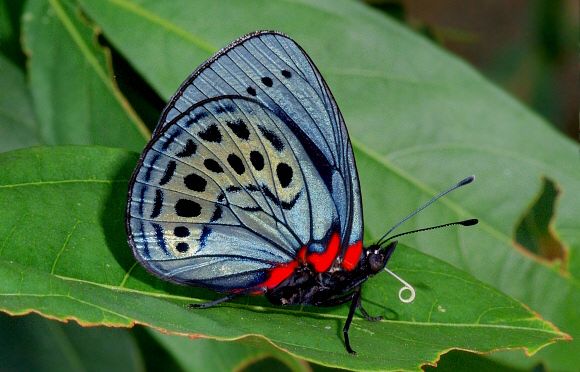
1,000 bird species, 1,200 butterfly species, and 200 mammal species, including jaguars and river wolves. Not to

mention the monkeys, such as the tiny lion tamarin, the smallest monkey in the world, and the impressive

maquisapa, or spider monkey.

In total, more than 20,000 plant species have been recorded, along with thousands of insects and reptiles. This

park

is home to such a rich biodiversity that it has become the protected park with the highest biological diversity in the

world.

Come and experience being in a place where biodiversity meets history, culture, and the magic of the Amazon Manu Trips.