Full 1
MANU TOURS
MANU TOUR ZONE RESERVED 4 DAYS
Full 1
previous arrow
next arrow
Shadow

Rainforest Manu Park

Rainforest Manu Park

Amazon Rainforest Manu Park

Globally, tropical cloud forests are at least as threatened as lowland rainforest Manu Park , and, in some places,

probably more so. This threat comes from the same sources that attack lowland forests: commercial logging, the

expansion of subsistence agriculture, the exploitation of forest products, and cropland clearing for coca plants.

Added to this is a rise in the number of human-caused fires due to the increased human activity. In addition, this

higher degree of human activity has presented threats from introduced plants and animals. The ecological

importance of cloud forests comes from their function as watersheds and for their unique biodiversity. This means

their value should be considered equally alongside that of lowland rainforest. Cloud forests too are in need of the

development of comprehensive conservation and management plans for sustainable use

RIVER BEACHES –  RAINFOREST MANU PARK 

A vast tonnage of sediments is washed from the Andes and carried by the tributaries and Manu River. These sediments are

often deposited along the river edge or as bars in the river itself. As Andean sediments are rich in nutrients, it does

not go uninhabited for long.

The deposited area is subject to colonization by pioneer plant species typical of early succession. Quick invasion takes

place by various plant species, which can often become sufficiently dense to stabilize the soil. Sandbar scrub is

composed of a low diversity of fast- growing colonizing plant species that typically makes it dense.

It is common to see one side of a river bend formed from a high clay bank covered in canopy forest. Away from the

brunt of the current, the opposite side consists of a sandy beach during the dry season, behind which is a gradually

rising slope of vegetation.

When floods strip an area and then beach formation fills the gap,

the first invading vegetation of the elevated section is herbaceous annuals and rapidly-growing trees, for example the

genus Tess aria. After a period of three or four years, small groves of Tess aria will be formed 10 meters (30 feet) high.

Then these groves are themselves subject to gradual invasion by thickets of bamboo-like cane, or caña brava

(Gynérium sagittum). This is a monocot or grass-relative which uses a vegetative root to propagate itself. Following

the process of a predictable progression, gradually the Tessaria grove will die out as the Caña brava takes over,

eventually forming dense thickets of its own

Once established, the Caña brava faces slow invasion by pioneer forest plants such as the rapidly-growing genus

Cecropia. In time the Cecropia trees will form their own canopy. This canopy is about 15-18 meters (45-55 feet) high.

Underlying Caña brava is killed by the shade from this canopy. Cecropia is short-lived, however, and it too succumbs.

This opens up light gaps, which a number of other forest species are ready to exploit rapidly.

Many of the trees that punch through the low canopy are much longer lived in comparison to the Cecropia and

eventually form a new canopy layer, this time 40 or more meters ( 120 feet +) above the ground.

The seasons revolve and the river will gradually snake away. The rate of Manu  machuwasi lake forest  change on the once inundated land

also continues, albeit at a much slower pace. The process may take half a millennium or more to complete, but

eventually, from its origins of small annual herbs, a «climax» forest community is reached. That is, a forest in which

the relative composition of species remains more or less the same.

Unique habitats are provided by the sand beaches. They are nesting sites for many species of animals such as

Caimans, Turtles; and for birds such as Black skimmers, two species of Terns, Sand-colored Nighthawks, and Orinoco Geese

In The Peruvian Amazon

Explore the Majestic Peruvian Amazon Rainforest

In The Peruvian Amazon is one of the most biodiverse regions on Earth, and a must-visit for any nature lover or adventure traveler. Covering more than five million square kilometers, this vast rainforest is the heart of South America’s incredible biodiversity. Within its dense, green expanse, you’ll discover some of the world’s most spectacular wildlife, unique plant species, and ancient indigenous cultures.

The Peruvian Amazon is not only a stunning natural wonder but a treasure trove of life. It is home to an immense variety of flora and fauna, much of which is yet to be fully explored and cataloged. Its incredible biodiversity is thanks to the forest’s complex vertical layers, which provide diverse habitats for countless species.

The region is also a source of biochemical substances that contribute to modern medicine, many of which have been used for centuries by the indigenous communities who call this place home.

Discover the Untamed Beauty of Peru’s Amazon Rainforest

When it comes to exploring the wonders of nature, the Amazon Rainforest in Peru stands as an unrivaled destination. Covering nearly two-thirds of the country, this lush, vibrant jungle is one of the world’s largest and

most biodiverse ecosystems. Despite its vast expanse, only about 5% of Peru’s population lives in this remote region, making it an untouched paradise waiting to be discovered by adventurous travelers like you.

For those seeking an unforgettable journey, Peru Amazon offers experiences that go far beyond typical tourist attractions. By partnering with experienced local guides at jungle lodges, travelers gain access to an authentic, off-the-beaten-path adventure that includes exploring remote Amazonian waterways by boat, engaging with

indigenous communities, swimming with playful pink river dolphins, and immersing yourself in the mesmerizing rhythms of the rainforest.

A Tropical Playground for Nature Lovers

A visit to Peru’s Amazon isn’t just a chance to admire its stunning landscape, but an opportunity to become part of the intricate web of life in the world’s most biodiverse region. The dense foliage provides a natural habitat for hundreds of species, including flitting birds, snoozing sloths, and energetic monkeys that swing through the

canopy. Imagine walking through the jungle and seeing these incredible creatures up close, all while hearing the symphony of the forest echoing through the trees.

With options for ecotourism-focused lodges and wildlife-rich tours, the Amazon Rainforest in Peru presents an unparalleled chance to reconnect with nature. Whether you’re a wildlife enthusiast, photographer, or simply someone seeking a unique adventure, the Amazon Rainforest offers a dynamic blend of excitement and tranquility.

Key Highlights Across In The Peruvian Amazon: Where Adventure Awaits

Every part of Peru’s Amazon holds its own charm, with specific regions offering unique highlights to satisfy every traveler’s desires. Let’s delve into three of the most popular destinations that promise an exceptional immersion into this extraordinary natural wonderland:

In fact, the Amazon rainforest is a living laboratory -In The Peruvian Amazon

, where nature’s ingenuity unfolds in every corner. From its towering trees to its sprawling river systems, everything here works together in harmony to support an extraordinary range of life. Heinz Plenge, one of Peru’s most talented conservation photographers, captures the essence of this delicate paradise, showcasing its beauty and urgency for preservation. It’s an experience unlike any other—one that leaves visitors in awe and inspires them to protect this irreplaceable ecosystem.

In The Peruvian Amazon: A Paradise for Wildlife Enthusiasts

When you think of the Amazon, what comes to mind?

Perhaps the lush green forest, the deep, mysterious rivers, and the diverse array of creatures that call it home. The Amazon rainforest is a place of contrasts, where danger and beauty coexist. It’s a refuge for countless species—many of which are still unknown to science—along with the last of the planet’s untouched indigenous peoples, living in perfect harmony with nature.

Here, in the heart of the Peruvian Amazon, you’ll encounter animals like venomous snakes, piranhas, and jaguars, as well as majestic creatures like macaws, sloths, and monkeys. The rivers teem with over 2,000 species of fish, more than any other river system on the planet. With 20% of the world’s freshwater flowing through its network, the Amazon River is not only the longest but the most voluminous river in the world.

Despite the Amazon’s beauty and importance, it faces immense threats.

Deforestation, driven by logging, mining, and agriculture, is eroding the region’s biodiversity at an alarming rate. Over 24,000 square kilometers of the rainforest are lost each year, impacting both the local wildlife and the indigenous communities who rely on the forest for their way of life. The Amazon’s delicate ecosystems are at risk, and now, more than ever, we must act to protect this precious region for future generations.

  In The Peruvian Amazon- Why Protecting the Amazon is Critical .

The Amazon is the “library of life”—home to millions of species that we still have much to learn from. Its vast biodiversity supports both the global climate and countless ecosystems. Yet, it’s under threat. From deforestation to illegal mining, the Amazon is facing an unprecedented crisis. But there is hope.

Protected areas in the Peruvian Amazon, such as reserves and national parks, offer a glimmer of hope.

These regions provide vital sanctuaries where ecosystems can thrive. To truly protect the Amazon, we need reserves that cover large enough areas to ensure natural water cycles, secure migration routes for wildlife, and protect species diversity. In this battle for conservation, we can only succeed by creating interconnected, well-

managed habitats that extend over one million hectares—areas that encompass the full spectrum of the Amazon’s geography, from the Andes foothills to the tropical wetlands.

Discover the Magic of Tambopata and Manu National Park

For birdwatchers and wildlife enthusiasts, the Peruvian Amazon offers some of the most extraordinary experiences on Earth. In places like Tambopata and Manu National Park, you can witness the wonders of the rainforest firsthand.

Spot rare species like the Amazonian screech owl or the elusive nightjar as they take to the skies at dusk.

During the night, the jungle transforms into a symphony of sounds, with creatures like the potoo hiding in plain sight among the branches, mimicking dead trees with their camouflage plumage.

As you explore the rainforest, you’ll be guided by expert naturalists who can help you spot even the most elusive animals. Whether you’re interested in the majestic birdlife, the incredible biodiversity, or the ancient cultures that

call the Amazon home, this region promises an adventure like no other.

Preserving  In The Peruvian Amazon: A Shared Responsibility

As travelers, we have a responsibility to protect this extraordinary region. By visiting the Amazon with respect and awareness, we contribute to its preservation. The Peruvian Amazon offers an unparalleled chance to experience

the planet’s most diverse ecosystems, but this experience comes with the obligation to help safeguard it for the future.

By supporting sustainable tourism, advocating for conservation efforts, and raising awareness about the importance of this ecosystem, we can all play a part in preserving the Peruvian Amazon.

Plan Your Journey to the Peruvian Amazon Today

Ready to embark on a life-changing adventure? The Peruvian Amazon awaits. Immerse yourself in the wild,

explore vibrant ecosystems, and witness the incredible biodiversity that makes this region so unique. Book your

trip to the Peruvian Amazon now, and be part of the effort to preserve this irreplaceable treasure for generations to come.

Discover Puerto Maldonado: Your Gateway to the Amazon Jungle Adventure

Why Choose Puerto Maldonado? Puerto Maldonado, the gateway to the southern Amazon, is an exhilarating

adventure hub for eco-tourists and nature lovers alike. Nestled along the Madre de Dios River, this vibrant city

provides easy access to pristine wilderness, fascinating wildlife, and eco-friendly jungle lodges. Venture into the

neighboring Tambopata National Reserve, where you can encounter majestic macaws at clay licks, spot elusive

giant river otters, and immerse yourself in the Amazon’s wildlife diversity.

Strategically located between Bolivia to the east and Cusco to the west, Puerto Maldonado offers a unique vantage point for exploring the southern Peruvian Amazon. Get ready to explore the jungle’s wonders like never before!

A Gateway In The Peruvian Amazon

Puerto Maldonado serves as the perfect starting point for those seeking adventure and tranquility in nature. With

its tropical climate, the area stands in stark contrast to the cooler Andean highlands. The best way to explore is by

boat, navigating the network of Amazon waterways to discover hidden lagoons, lush rainforests, and abundant wildlife.

For an authentic, all-inclusive jungle experience, stay at an eco-lodge for 2-3 nights (or longer). Spend your days

exploring jungle trails, climbing to canopy observation towers, and venturing into mysterious wetlands. After dark,

let the jungle’s sounds lull you to sleep in a hammock, rocking in the breeze, as you wait to witness the wildlife’s nocturnal activity.

Best Time to Visit Puerto Maldonado

Puerto Maldonado experiences two distinct seasons: the dry season (May to October) and the wet season (November to April).

Dry Season:

Pros: Less muddy trails, ideal for bird watching (especially at clay licks where macaws gather), and fewer mosquitoes.
Cons: Warmer temperatures, and some wildlife like amphibians may be less active.
Wet Season:

Pros: Cooler temperatures, enhanced reptile and amphibian sightings, and lush jungle landscapes.

Cons: Rain can cause muddy conditions, fewer bird sightings at clay licks, and higher chances of flight delays due

to unpredictable weather.

Climate & Weather

Puerto Maldonado enjoys a tropical rainforest climate with two distinct seasons: dry (May–October) and wet (November–April).

Dry Season: June to September bring cooler “friajes” (cold spells) from the Andes, with temperatures dipping to 50°F (10°C) at times.
Wet Season: This season typically brings heavier rainfall, peaking in November and December, saturating the jungle but encouraging lush growth.

Highlights of Puerto Maldonado

Jungle Immersion
Puerto Maldonado is the gateway for thrilling Amazon jungle experiences. Step onto a traditional boat and cruise the winding rivers, reaching hidden eco-lodges. Here, you’ll have a chance to connect with local conservation projects that support sustainable tourism. Our eco-lodges emphasize low-environmental impact practices,

including recycling, using biodegradable products, and supporting native communities. These lodges help protect the surrounding jungle and raise awareness about the importance of conservation.

Ecotourism at its Best

Experience the Amazon through eco-tourism tours and outdoor excursions. Our partners lead conservation-focused trips, supporting both the region and travelers alike as you enjoy firsthand glimpses of rare species and vibrant natural landscapes.

National Parks & Wildlife :Tambopata National Reserve

This 680,000-acre protected rainforest paradise is a top-tier eco-destination. Encounter over 670 species of birds,

including harpy eagles, as well as rare mammals like the giant river otter, jaguars, and countless butterflies. Visit clay licks, where stunning macaws gather and observe the intricacies of Amazonian wildlife.

Bahauja-Sonene National Park

Situated to the south of Tambopata, this immense park covers over 2.47 million acres and boasts the world’s only

tropical humid savanna alongside rich biodiversity. Its remote location offers exclusive wildlife viewing, although access is highly limited.

Unmatched Biodiversity

The Amazon is home to two-thirds of the world’s plant and animal species—from the howler monkeys swinging above, to elusive jaguars lurking in the forest depths. Rare and beautiful creatures like giant otters and sloths make this region a dream for wildlife enthusiasts and photographers.

How to Get to Puerto Maldonado

By Air:
Fly directly into Puerto Maldonado’s small airport (just 15 minutes from the town center). Daily flights are available from Lima (1.5 hours) and Cusco (55 minutes) via LAN Airlines, Star Perú, and TACA.

By Road:
The recent addition of the Transoceanic Highway connects Cusco to Puerto Maldonado in around 10 hours, making bus travel an accessible option for those seeking a more scenic, flexible journey.

By Boat:
Once you arrive in Puerto Maldonado, embark on a scenic boat ride through the jungle rivers to your lodge (1-3 hours).

Amazon Birdwatching Peru 14 days

Amazon Birdwatching Peru – 14 Days

Trips Amazon Birdwatching Peru in Manu is a once-in-a-lifetime experience, offering an up-close view of the

incredible avian diversity found in the Peruvian Amazon. Manu National Park, a UNESCO World Heritage site, is

renowned for its rich ecosystem and is a top destination for birdwatchers around the world. This remote area is

home to hundreds of bird species, making every outing a thrilling discovery.

Exploration and Birdwatching .

The Manu National Park, located in the heart of southern Peru, is one of the most biodiverse destinations on the planet.

Home to more than 1,000 bird species, this natural sanctuary combines the Andes, cloud forest, and Amazon rainforest in a single journey filled with life, color, and mystery.

The “Peru Bird – Manu Park 14-Day Tour” is designed for travelers passionate about nature and bird

photography. Over two unforgettable weeks, you will explore landscapes ranging from the high Andes of Cusco to

the lush Peruvian Amazon, discovering unique and endemic species found only in this part of the world.

Manu National Park, Peru: A Birdwatching Paradise

Located in southeastern Peru, Manu National Park is considered one of the world’s premier birdwatching

destinations. Internationally known as “Peru Bird Manu Park,” this natural sanctuary shelters over 1,000 bird

species, including the Andean cock-of-the-rock, Peru’s national bird.

Thanks to its impressive altitudinal gradient—from the Andes (3,600 m / 11,800 ft) down to the lowland Amazon

rainforest (400 m / 1,300 ft)—Manu offers a unique variety of habitats, where it’s possible to admire an

unparalleled richness of birdlife.

Day 1: Cusco – Huayquecha Reach Station -Amazon Birdwatching Peru .

Today we depart at 5:30 AM from the hotel heading towards Laguna Huacarpay, a beautiful lake located about 45 minutes from Cusco.

Here, we will spot the Bearded Mountaineer, an endemic hummingbird that is found only in this region of Peru.

Other bird species to look out for include the Plumbeous Rail, Cinnamon Teal, Puna Teal, Yellow-billed Pintail, White-tufted Grebe, Cinereous Harrier, and the Black-chested Buzzard Eagle, among others.

Thereafter a brief breakfast, we’ll continue birdwatching around the lake, then board the bus to Manu. Along the way, we’ll stop at several lakes to search for the Creamy-crested Spinetail, another endemic Amazon species, along

with other fascinating birds like the Black-faced Ibis. PERUBIRD

We will arrive at the Huayquecha Reach Station in the afternoon (approximately 4:30 PM). After settling in, we’ll search for the Swallow-tailed Nightjar before heading to bed.

Day 2: Manu Birdwatching – Huayquecha Lodge to Amazon Birdwatching Peru

Subsequently breakfast at 5:40 AM, we’ll head out to observe birds at an elevation of 3,600 meters (11,811 feet).

Species to look for include the Puna Thistletail, Rufous Antpitta, Puna Tapaculo, Great Sapphire-winged Hummingbird, Young’s Pygmy Owl, and the Buff-breasted Mountain Tanager, to name a few.

Next lunch at the lodge, we’ll rest briefly and then continue birdwatching, looking for species like the White-

winged Black Tyrant, Plushcap, Trilling Tapaculo, Crimson-mantled Woodpecker, and the Blue-capped Tanager. As the day draws to a close, we will search for the Swallow-tailed Nightjar before returning to the lodge for dinner.

Day 3: Amazon Birdwatching Peru – Huayquecha to Cock of the Rock Lodge

Today we’ll head to Cock of the Rock Lodge. During our journey, we’ll observe a variety of bird species, including the Golden-collared Tanager, Scaled Metaltail, Mountain Casiqui, and the Barred Parakeet.

After lunch, we’ll have more birdwatching along the way, with opportunities to see the Blue-banded Toucanet,

Hooded Mountain Tanager, and the Golden-headed Quetzal. In the evening, we’ll return to the lodge where we’ll look for the Rufous-bellied Nighthawk before having dinner and resting for the night. SANDOVAL LAKE  BIRDING 

Day 4: Amazon Birdwatching Peru – Cock of the Rock Lodge

Today, we leave early to visit the Leck de Gallito, a known site for the Andean Cock-of-the-Rock. After observing these stunning birds, we’ll continue birdwatching in the afternoon, looking for species like the White-crowned Tapaculo, Yungas Manakin, and the Crested Quetzal.

Later, we’ll hike a trail to spot birds such as the Slaty Gnateater, Crimson-bellied Woodpecker, and the Amazonian

Umbrella Bird. We’ll also have the chance to see up to 13 species of hummingbirds, including the Booted Racket-tail, Violet-fronted Brilliant, and the Wire-crested Thorntail.

After a break for lunch, we’ll search for the Lyre-tailed Nightjar and the Rufescent Screech Owl before returning to the lodge for dinner.

Day 5: Birdwatching – Cock of the Rock Lodge to Amazon Birdwatching Peru

Later breakfast, we’ll set out on the Amazon route, spotting birds such as the Ornate Flycatcher, Peruvian Piedtail, Black-backed Tody-Flycatcher, and Blue-headed Macaw. We’ll continue to Pilco Pata and Talaya, where we’ll have lunch and take a 20-minute boat ride.

At Amazonia Lodge, we will search for species such as the Rufous-crested Coquette, Violet-headed Hummingbird, and Golden-tailed Sapphire.

In the afternoon, we’ll hike to look for the Amazonian Antpitta, Great Tinamou, and the Chestnut-capped Puffbird. After dinner, we’ll go on a night hike to spot owls like the Tawny-bellied Screech Owl, Long-tailed Potoo, and Great Potoo.

Day 6: Pantiacolla Lodge to Amazon Birdwatching Peru

Following breakfast, we’ll head out by boat for a 3-hour journey to Pantiacolla Lodge, where we’ll search for birds

like the Great Jacamar, Black-faced Antbird, and Blue-crowned Manakin. After lunch and a short rest, we’ll

explore the bamboo forests in search of the Peruvian Recurvebill, White-throated Jacamar, and the Goldi’s Antbird. After dinner, we’ll embark on another owl search.

Day 7: Pantiacolla Lodge to Manu Amazon Birdwatching Peru

We’ll start early today, walking the trails to observe birds such as the Royal Flycatcher, Purple-throated Fruitcrow,

and the Amazonian Barred Woodcreeper. After lunch, we’ll take another hike, keeping an eye out for the Pale-

winged Trumpeter, Ornate Hawk Eagle, and Black-and-white Hawk-eagle.
After dinner, we have the option to look for owls again. TOUR MACAW CLAY LICK 

Day 8: Pantiacolla to Manu Amazon Lodge

And then we will take a boat ride for about 4 hours to reach the Manu Amazon Lodge, where we will spend the next four days.

In the afternoon, we’ll search for birds like the Yellow-billed Nunbird, Chestnut-crowned Foliage Gleaner, and the White-chinned Sapphire. After dinner, we’ll look for owls like the Black-banded Owl and the Crested Owl.

Day 9 : Manu Tour Amazonia Birding .

We will have breakfast early before going out on the bamboo trail for about 50 minutes where we will view species

like the Rufous headed Woodpecker, Rufous Breasted Piculet, Red Billed Scythebill, Chestnut throated Spinetail,

Dusky Cheeked Foliage Gleaner, Brown Rumped Foliage Gleaner, Peruvian Recurvebill, White Cheeked Tody Tyrant, Flammulated Pygmy tyrant, Large Headed Flatbill, Dusky Tailed Flatbill, Rufous Capped Nunlet, Chestnut

Throated Spinetail, Bamboo Antshrike, Ihering´s Antwren, Dot Winged Antwren, Black Spoted Bare

Eye, Goeldi´s Antbird, Plumbeous Antbird, White Lined Antbird, Long crested Pygmy Tyrant, Pavonine Cuckoo, Rufous Vented Ground Cuckoo, and many more species Bird.

After lunch we will rest until 2:30 pm before leaving for the observation tower viewing birds such as bird:

Red Billed Tanager, Masked Tanager, Plum Throated Cotinga, Spangled Cotinga, Purple Throated Fruitcrow,

pinkThroated Becard, Yellow Backed Tanager, Guira Tanager, Bare Necked Fruitcrow, Sirystes, Rufous Bellied

Euphonia, Dusky Capped Greenlet, Lemon Chested Greenlet, White Necked Puffbird, Pied Puffbird, Paradise

Jacamar, Black and White Hawk Eagle, Macaw , and parrot and more. Then we will head back to the lodge for sustinance and sweet dreams to see many Bird.

Day 10: Manu Park  –  Amazonia Lodge .Amazon Birdwatching Peru  .

On this lovely morning we will leave early after breakfast at 4:30 am to head down the river to Puerto, then a short 15 minute walk to Macaw Clay Lick , Macaw green and Parrot where we wait for the variety of activities the parrots

engage in, parrots such as bird , Mealy Parrot, blue Headed Parrot, Yellow Crowned Parrot, and the Orange

cheeked Parrot  is endemic bird,. After breakfast in los Macaw Red we will experience the majesty of the

Red and Green Macaw, Scarlet Macaw, Tui Parakeet, Cobalt Winged Parakeet, among others. We might possibly

have the chance to see the Harpy Eagle, Ornate Hawk Eagle, orange Headed Tanager, Spotted Tody Flycatcher, River Tyranulet, subtropical Doradito, and the Greater Ani. Then we head to Cocha Camungo by boat to a tower45

meters high to observe Bird : Guira Tanager, lemon Throated Barbet, Gilded Barbet, Long Billed Woodcreeper,

Orange Backed Troupial, Purple Throated Cotinga, Purus Jacamar, and Black eared Fairys.

Thenwe go for another boat trip for 20 minutes Cocha Blanco for lunch and to and there is an observation platform where we can view various species of the bird

. From here we will take a catamaran to Cocha to view species such

as least Grebe, pied Billed Grebe, horned Screamer, Green Ibis, Agami Heron, Rufescent Tiger Heron, Limpkin,

Snail kite, Black Collared Hawk, Sungrebe, Muscovy Duck, Rufous sided Crake, Gray necked Wood rail, Wattle

Jacana, Green King Fisher, Green and Rufous Kingfisher, Purus Jacamar, Hoatzin, Pale Eyed Black Bird, Band

Tailed Antbird, and silvered Antbirds. If we are lucky,

we might see Giant Otters or known as Lobos de Rio meaning wolves of the river we can find  more bird. Finally,

we will make our way to the comfort of the lodge. Day

11:  Birdwatching – Manu Amazonia lodge .

Today we will have breakfast at 5:00 am then we head out to the observation tower where we will observe many Bird:

Red Billed tanager, White Necked Puffbird, Chestnut winged Hookbill, yellow Backed Tanager, White

Throated Toucan, ChannelBilled Toucan, Curl Crested Aracari, Golden Collared toucanet, yvoryBilled Aracari,

Gilded Barbet, Paradise Jacamar,Pale Rumped Swift, Black Bellied Cuckoo.

 Post  we hike down the trail to see collared Puffbird, White Eyed Antwren, Great Jacamar, Collared Trogon, Pavonine Quetzal, cinereous Mourner, Razor Billed Curassow, Blue Crowned Mankin, Long winged Antwren,

Dwarf Tyrant Manakin, long Tailed Woodcreeper , Elegant Woodcreeper , Black Banded Woodcreeper , Round

Tailed Manakin , Band Tailed Manakin , Blue Back Manakin , Black Faced Antbird , Sooty Antbird , Fasciated Antshrike, Plain Winged Antshrike, Black Spotted Bare Eye,

many more in this amazon bird.

We will return to the lodge to eat and rest until 2:00 pm then go to walking down the trail with the mind set to find bird: Harpy eagle, white Browed Hawk, Red Rumped Cacique, Bronsy Jacamar, Paradise Jacamar, Ruddy

Spinetail, Point Tailed Palmcreeper, Chestnut Capped Puffbird, Black Bellied Cuckoo, Scale Breasted Woodpecker,

Ringed Woodpecker, Red Necked Woodpecker, Great Potoo, Black tinamou, Ringed Antpipit, White Crested

Spadebill, Rufous Tailed Flatbill and others. We then return to the lodge for dinner and have the option to go out seeking owls.

Day 12:  Manu Park  – Amazonia lodge Peru  wildlife  .

This will be the last day in Manu Amazon lodge and we have the chance to see some birds that we have missed such as slender Billed Xenops, Rufous Tailed Xenops, Semicollared Puffbird ,amazon Curl crested Aracari,

Golden Green Woodpecker, Ringed Woodpecker, Cream colored woodpecker, Strong Billed Woodcreeper, Lineated Woodcreeper, Spot Backed Antbird, Rufous Capped Antthrush, Rusty Belted Tapaculo, White Browed

Purpletuft, point Tailed, great Jacamar, Collared Puffbird, Chestnut Capped Puffbird, Black tailed Leaftosser, cinereous Mourner, Winged Barred Manakin, Blue Manakin, Pavonine Quetzal, Musician Wren, and Red Billed

Tanagers. After lunch we will rest until 2 pm and go to Cocha Piñara to see Pale Eyed Black Birds, Rufous Sided

Crake, Varzea Chiffornis, Buff breasted Wren, Black billed Seed Finch, Chestnut Eared Aracari, Chestnut Fronted

Macaw, Spot Breated Woodpecker, Rusfescent Tiger Heron, Striated Heron, tui parakeet, Gray Necked Wood- Rail, Long Billed Woodcreeper and sometimes Giant Otters. Then we return for dinner and slumber.

Day 13: Manu Lodge to Puerto Maldonado

We’ll travel by boat for about 2 hours to Colorado, where we’ll switch to a taxi and continue to Puerto Maldonado. We’ll make a few stops to see some final birds before reaching the hotel for rest.

Day 14: Birdwatching – Puerto Maldonado to Cusco and Lima

On our final day, we’ll head out to observe Southern Caracaras, Red-breasted Blackbirds, Wattle Jacanas, and

more before visiting the city of Puerto Maldonado to shop for indigenous crafts. Afterward, we’ll take a flight from

Cusco to Lima, marking the end of this incredible birdwatching adventure.

Rainforest Amazon – Bats

 Rainforest Amazon Bats

Amazonia Rainforest  Bats

ABSTRACT .This list reports 44 bat species collected in the Manu National Park Rainforest Amazon – Bats , Peru and adjacent areas. Sampling was carried out in 1987, 1988 and 1989, in the dry and wet seasons, although we

also report some specimens collected on other dates. Data on distribution, production, and ecology are included.

ABSTRACT The present list records 44 species of bats collected in Parque Nacional del Manu, Peru and adjacent areas. Collections were made in 1987, 1988 and 1989, during the dry and rainy seasons, although we also record

some specimens collected in other dates

Bats to Manu National Jungle -Rainforest Amazon  Bats :

The bat or murcielago gets a hard time from many quarters, but these little winged mammals perform important ecological as well as mythical services. Bats are renowned as specialist predators of nocturnal flying insects and,

with such an abundance of prey; tropical bats reach a high degree of diversity. Depending on the exact boundaries and details of classification, 150-200 species are recorded from Amazonia: the most diverse bat fauna in the world

and 40% of the region’s total mammals Rainforest Amazon  Bats. The majority are insectivorous. Notable are the vespertilionid bats, found across the Americas, and the spear-nosed bats (Phyllostominae) who have complex ears

and ‘nose-leaves’ to emit sound. Yet in this hotbed of evolution all these kinds of bats do not coexist on one food source. Best-known alternative niche occupants are vampire bats (Desmodus spp), inspiration for dozens of Hollywood horror movies.

Of course, a preferred diet of fresh mammal blood does nothing to endear them to us, but reality is more complicated than legend. Vampires rarely attack humans – their usual victims are cattle or wild mammals. They do

not suck blood. So gently do a vampire’s sharp incisor – not canine – teeth cut a small flap of skin, it does not startle the prey. The bat then lapaes blood as it seeps from the wound, while anti-coagulant saliva prevents

clotting. The largest Amazon bat, the greater bull-dog or fishing bat (Noctilio leporinus), plucks fish from the water in the manner of an osprey. Besides piscivores, sanguivores and insectivores, there are frog-eating bats; bird-eating

bats  and even bat-eating bats.Many are fruit- and nectar-feeders.

Neotropica fruit bats belong to the order Microchiroptera  .

They evolved from insectivorous bats rather than a separate ancestor as is believed to be the case with Old-world mega chiropterans frugivores disperse seeds and nectarivores pollinate many trees bat pollinated flowers are often

cauliflorous, large, white and heavily perfumed,many bats leave their hiding-place just before or after dusk to forage overnight spending the day roosting in well-hidden spots, including tree-holes- leaf tents or caves

Porcupine, coati, tamanduas and related species cross easily from tree to forest floor. These medium-sized animals are equally at home among lofty branches or in shady undergrowth. Larger animals tend to stay on the ground,

but not always if scared, tapir charge headlong into water, whereas a jaguar or puma bolts into a tree.

Exploring Biodiversity: Discover 44 Bat Species in Manu National Park, Peru

Manu National Park in Peru, a UNESCO World Heritage site, is home to a stunning array of biodiversity. Among its many wonders, this pristine rainforest shelters an incredible diversity of bats. Our comprehensive list documents 44 unique bat species recorded within the park and its surrounding areas, showcasing the ecological richness of this world-renowned destination.

The data originates from field collections conducted during both dry and rainy seasons in 1987, 1988, and 1989, capturing a holistic view of the bat populations across different ecological conditions. Additional specimens collected on various other dates further enhance the dataset, providing valuable insights into their distribution, reproductive patterns, and ecological behaviors.

For wildlife enthusiasts and eco-tourists, this highlights Manu’s role as a living laboratory for nature.

Whether you’re fascinated by the intricacies of nocturnal life or seeking to immerse yourself in a rich and vibrant ecosystem, Manu National Park offers an unparalleled adventure.

Are you ready to step into one of the most biodiverse places on the planet and witness the remarkable world of bats and beyond

  • Saccopteryx leptura
  •  Noctilio albiventris 
  • Micronycteris megalotis
  • Micronycteris minuta 
  • Macrophyllum macrophyllum 
  • Tonatia bidens 
  • Tonatia brasiliensis 
  • Tonatia silvicola
  • Mimon crenulatum 
  • Phyllostomus elongatus 
  • Phyllostomus hastatus 
  • Phylloderma stenops
  • Trachops cirrhosus
  • Chrotopterus auritus 
  • Vampyrum spectrum 
  • Glossophaga soricina 
  • Anoura caudzfer
  • Choeroniscus minor 
  • Carollia brevicauda 
  • Carollia castanea 
  • Carollia perspicillata
  • Rhinophylla pumilio
  • Sturnira tildae 
  • Uroderma bilobatum 
  • Uroderma magnirostrum 
  • Platyrrhinus brachycephalus
  • Platyrrhinus in/uscus 
  • Vampyrodes caraccioli 
  • Vampyressa bzdens 
  • Vampyressa pussilla 
  • Chiroderma villosum 
  • Mesophylla macconnelli
  • Artibeus anderseni 
  • Artzbeus cinereus
  • Artibeus obscurus 
  • Artibeus glaucus 
  • Artibeus gnomus 
  • Artibeus jamaicensis
  • Artzbeus lituratus
  • Desmodus rotundus 
  • Thyroptera tricolor 
  • Myotis albescens
  • Myotis nigricans
  • Molossus molossus


Bats of the Amazon Rainforest: Guardians of Biodiversity

The Amazon Rainforest, often referred to as the planet’s green lung, harbors one of the most diverse bat communities on Earth. With over 160 documented species and local richness frequently surpassing 100 species in a single area, the bats of the Amazon are a striking testament to the region’s unrivaled biodiversity. These nocturnal guardians play indispensable ecological roles, including seed dispersal, pollination, and insect population control, making them integral to the rainforest’s intricate web of life.

The Vital Roles of Amazonian Bats

Bats in the Amazonia Bath exhibit an astonishing range of diets and ecological niches, reflecting their remarkable adaptability:

Fruit Bats (Frugivores): These bats thrive on fruits, nectar, pollen, leaves, and sap. As they feed, they unintentionally transport seeds over vast distances, facilitating forest regeneration and helping maintain the Amazon’s ecological equilibrium.

Insectivores: Consuming a diverse array of nocturnal insects, these bats act as natural pest controllers. A single bat can devour up to 1,200 mosquitoes in an hour, significantly reducing the spread of diseases and curbing agricultural pests.

Nectarivores and Pollinators: Playing a key role in pollination, these bats are attracted to tropical flowers that have evolved to accommodate them, often featuring large, white, and heavily perfumed blooms. This symbiotic relationship ensures the reproduction of countless rainforest plant species.

Carnivores and Omnivores: Some species display specialized diets, consuming frogs, fish, or even other bats. These unique feeding behaviors underscore their incredible versatility.

Sanguivores: The rare vampire bats have earned a mystique as they feed primarily on the blood of livestock or wild mammals. Contrary to myths, they seldom target humans, and their anti-coagulant saliva has inspired cutting-edge medical treatments.

Adapting to the Rainforest: How Bats Thrive

Amazonian bats exhibit an array of survival strategies that enable them to flourish in the dense rainforest:

Diverse Roosting Habits: Depending on the species, bats roost in tree foliage, hollow trunks, leaf tents, caves, cliff faces, or even artificial structures such as old buildings and bridges.

Resourceful Foraging: The abundance of food and water, coupled with ample shelter, makes the Amazon an ideal habitat. However, this intricate balance underscores the need for vigilant forest conservation to sustain these remarkable mammals.

Fascinating Insights into Bats

Bats are brimming with captivating traits and behaviors that continue to astound scientists and travelers alike:

  • There are over 1,400 bat species worldwide, with the Amazon accounting for more than 160.
  • Bats are the only mammals capable of sustained flight, making them evolutionary marvels.
  • Baby bats, known as “pups,” are cared for in tight-knit colonies where mothers recognize their offspring by sound and scent.
  • Bat guano, a nutrient-rich fertilizer, has been a vital resource for agriculture.
  • While temperate species hibernate during cold months, tropical bats adjust their activity patterns based on food availability.

Explore the Amazon’s Enigmatic Nightlife

For adventurers and nature enthusiasts, the nocturnal world of the Amazon Rainforest offers an unparalleled experience. Guided night tours in protected areas like Manu National Park provide a unique glimpse into the lives of bats and their profound role in sustaining one of Earth’s most vital ecosystems. Witness their silent flights and intricate behaviors, deepening your connection to the rainforest’s awe-inspiring biodiversity.

Take the Journey Today

Embark on an Amazonian adventure and uncover the hidden stories of these incredible creatures. Whether you’re conducting ecological research or simply seeking to marvel at the rainforest’s wonders, the bats of the Amazon promise to make your expedition unforgettable. Join the journey and discover how these silent guardians sustain the vibrant pulse of the rainforest.


The Birding the Photography Amazon Peru 4 days

The Birding the Photography Amazon Peru 4 days: Adventure in Tambopata, Peru

The Birding the Photography Amazon Peru : If you are a bird watching enthusiast looking for an exciting adventure, a bird trip of 4 days in the heart of Peru’s Amazon rainforest is the perfect getaway. This tour promises a

combination of wildlife exploration, breathtaking landscapes, and the chance to observe some of the most fascinating

bird species in their natural habitat. With expert birding guides by your side, the experience will be one you will treasure forever.

Whether you’re a seasoned birder or a novice eager to learn more about ornithology, this birding tour will captivate you. Over the course of four days, you’ll explore birding spots in nature reserves like Tambopata, a rich habitat for

an array of endemic and migratory birds. Join us on this journey to uncover the best of Peruvian avifauna.

Birdwatching in Tambopata, Peru

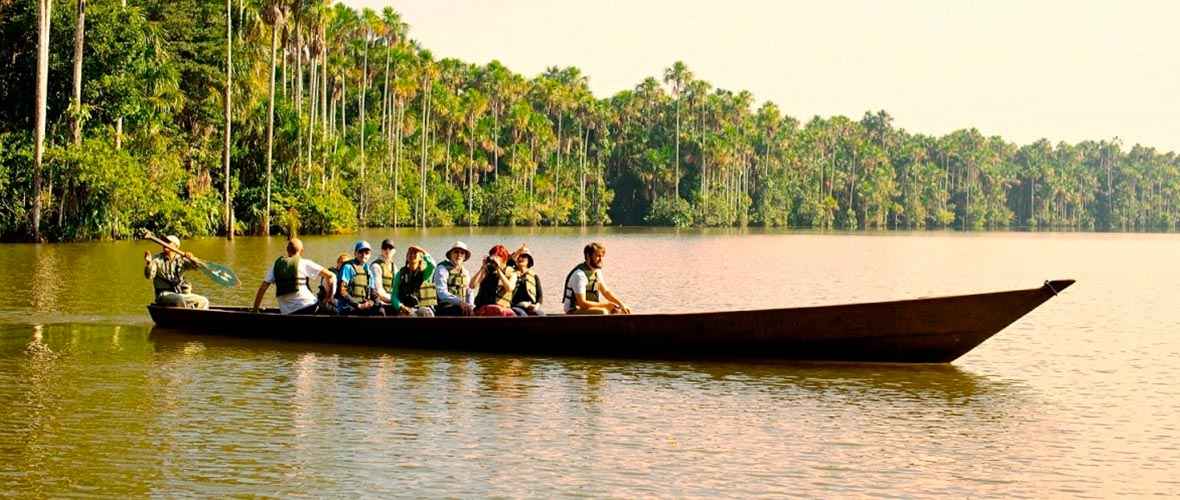
The Tambopata National Reserve is an ideal destination for birdwatching, thanks to its incredible biodiversity. The best time to visit is during the dry season (May-October), when the wildlife is most active. To make the most of the experience, it is recommended to bring binoculars, wear neutral-colored clothing, and hire a local guide. Among the best places for birdwatching are lakes like Sandoval, clay licks, and canopy towers, where it is possible to see species such as hoatzins, macaws, and owls, especially at dawn and dusk.

Day 1:The Birding the Photography Amazon Peru frpm Lima to Puerto Maldonado –

On the first day of your bird trip, you’ll arrive at Puerto Maldonado and travel by boat to the Infierno Native

Community in the Tambopata National Reserve. As you make your way through the jungle, you’ll already be on the lookout for various bird species.

During this early exploration, you may spot the elusive Great Potoo or the Purus Jacamar. The boat ride is a perfect

opportunity for bird photography, with several birding enthusiasts likely to find joy in capturing the dynamic scenes

of macaws and parrots soaring above the riverbanks. sandoval lake tour 

Upon reaching your lodge, take a short rest, then head out on a guided tour through the forest to spot nocturnal birds.

If you’re lucky, you might see the Tawny-Bellied Screech-Owl or the Great Horned Owl, two stunning species native to the region.

Day 2:The Birding the Photography Amazon Peru -Exploring Lake Cocococha and Watching Trails

Wake up early to make your way to Lake Cocococha, a prime birding spot in the Amazon. This 5.5 km hike offers

spectacular opportunities for bird watching at sunrise, where you can spot Horned Screamers, Hoatzins, and a

variety of kingfishers and jacanas. The area is known for its high concentration of non-native species like the Agami

Heron and Point-Tailed Palmcreeper.

A rowboat ride on the lake provides a close-up view of the surrounding ecosystem, and with some luck, you may encounter endangered species like the Giant River Otter. In the late afternoon, return to the lodge and enjoy some

downtime before your next adventure.

In the evening, you’ll embark on a nocturnal birding tour to spot caimans and look out for other nocturnal birds such

as the Ladder-Tailed Nightjar and the Common Potoo.

Day 3: Canopy Birdwatching and Ground-Level Exploration

The third day begins with a visit to a birding tower that offers panoramic views of the forest canopy. From this

vantage point, you’ll be able to observe birds that thrive high up in the trees, including the Amazonian Pygmy-Owl,

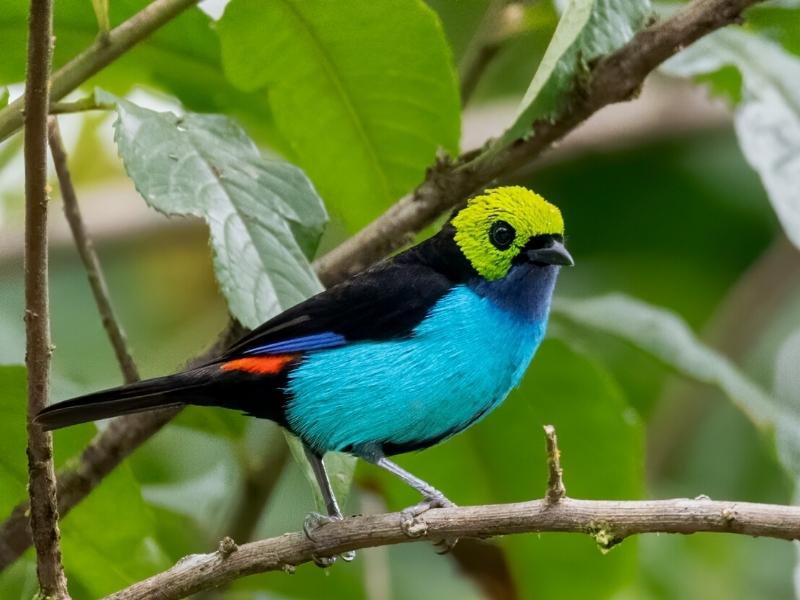
Purple-Throated Fruit Crow, and the colorful Paradise Tanager.

For a truly awe-inspiring experience, keep an eye out for the majestic Harpy Eagle, one of the most endangered

species of raptor. Bird watching enthusiasts will be in their element as they catch sight of macaws, parrots, and toucans in the treetops.

In the afternoon, you’ll head out on the Lake Chica trail, passing through a variety of habitats where you may encounter species like the Blue-Throated Piping Guan, Black-Spotted Bare-Eye, and the Fiery-Capped Manakin.

These walks through the natural habitat of the Tambopata Reserve will deepen your understanding of avian behavior

and provide ample opportunities for bird photography.

Day 4: Departure and Reflection on the Amazon Adventure

On your final day, enjoy a hearty breakfast before taking a speed boat back to the Infierno Native Community. This is the perfect time to reflect on your journey and the incredible bird species you’ve seen. From the towering macaws to

the elusive Hoatzins, your time in the Tambopata National Reserve will surely remain etched in your memory.

While waiting for your transport back to Puerto Maldonado, don’t miss out on spotting a few final wildlife sightings.

The forest is alive with birds and animals, and your birding guide will help you identify the various species that call this beautiful ecosystem home.