Full 1
MANU TOURS
MANU TOUR ZONE RESERVED 4 DAYS
Full 1
previous arrow
next arrow
Shadow

The Best Bird Watching Peru 8 days

The best Bird Watching Peru 8 days

  The Best Bird Watching Peru: Discover One of the Top-Rated Nature Tours: A Birdwatcher’s Paradise in Diverse Forest Ecosystems : If you’re a nature lover or a passionate birdwatcher, this tour is an absolute must-do. Highly recommended by both local experts and international travelers, this immersive experience takes you through a variety of forest landscapes—each one teeming with life and unique ecological charm.

Day 1:Cusco – Puerto Maldonado to Bird Watching .

The first day in the morning we would fly about 35 minutes to Puerto Maldonado Bird Watching . From the hotel in Cuzco we would take a taxi to the airport.

From Puerto Maldonado airport we would drive about 10 minutes by our own mini bus, who would be waiting for us; to a place where we can watch birds like:

White Throated Jacamar, Purús Jacamar, Brazilian Teal , southern Lapwing, Limkin , Buff breasted wren , Black Banded Crake , Southern Caracara , Scaled pigeon , Point tailed palmcreeper , Black Billed Seed Finch , Rufus

Sided Crake , Gray Breasted Crake , Gray Necked Wood Rail , Sunbittern , Gray Hawk , Hoatzin , Rusty Margined Flycatcher , Black throated Antbird , Collared Plover. After this we would come back to Puerto Maldonado to

take lunch. At 3 p.m. in the afternoon again we would drive about 25 minutes in our mini bus, in the way to Cuzco, to watch another birds like: Red Breasted Black Bird , White Tailed Kite , Southern Caracara , Grassland Sparrow ,

Red Bellied Macaw , Southern Lapwing ,Saffron Finch , Double Collared Seed eater . After this activity we would come back again to Puerto Maldonado for dinner and to sleep at the hotel.

Day 2 :The best Bird Watching Peru  from Puerto Maldonado – Iberia Exploring Bird Watching .

Today after breakfast we would drive in our mini bus about 30 or 40 minutes to a small town call Iberia, and we would stop in many places to see some birds like: Black and White Hawk Eagle, Ornate Hawk Eagle, Brazlian Teal,

Red Rumped Casique, Violaceous Jay, Barred Antshrike, Red and Green Macaw , Scarlet

Macaw, Chestnut fronted Macaw , Yellow Crowned Parrot , Boat Billed Flycatcher , White Throated Toucan ,

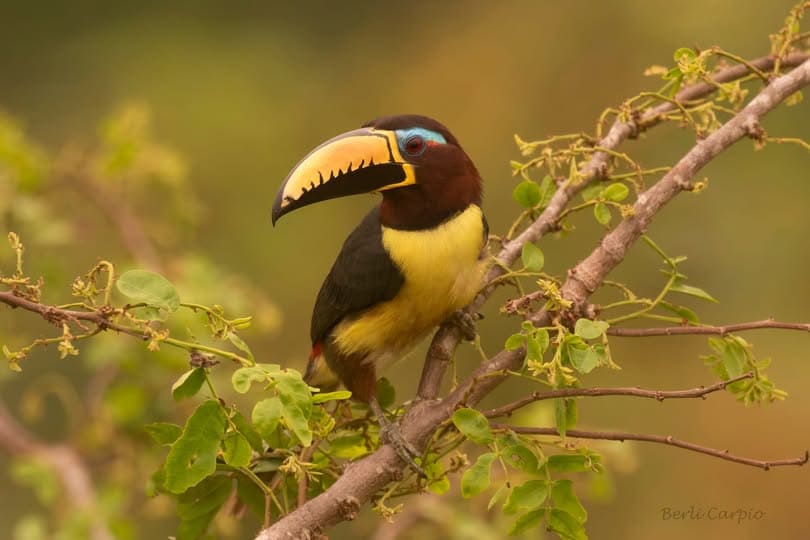
Chestnut Eared Aracari ,Masked Tityra ,Plum Throated Cotinga , Mappie Tanager, Black Tailed Trogon , Blue crowned Trogon. And much more birds we can see in this road. Arriving to Iberia to take lunch. After

we would drive to the hotel to left our luggage and take a shower.

In the afternoon we would go to watch some special birds, like:

Black Faced Tanager, Spot Breasted Woodpecker, Rufous Fronted Antthrush, Slender Billed Kite, Blue Headed Macaw , Warbling Ant bird , Slender Billed Xenops , chestnut Crowned

Foliage Gleaner, Plain Crowned Spine tail ,Chestnut Bellied Seedeater , Lemon Throated Barbet , Bluish Fronted Jacamar. And much more different kind of birds. Coming back later to Iberia for dinner and to sleep there.

Day 3 :The best Bird -Iberia – Puerto Maldonado – Durand lodge

Today after breakfast we would drive about 15 minutes to a Spot call Oceanía to watch special birds like: Black Faced Cotinga, Rufous twistwing, Bamboo Antshrike , Sulphur Bellied Tyrant Manakin , Rufous

Fronted Antthrush , Johannes’s Tody Tyrant Rufous Headed Woopecker , Large Headed Flatbill , Greenish Elaenia

, and another common birds. After this we would come back to pick up our luggage at the hotel in

Iberia, and take lunch too. Then we would go back in our mini bus to Puerto Maldonado, and continue the trip to Infierno community to DURAND LODGE, where we would take dinner and stay the night. SANDOVAL LAKE LODGE 

Days 4/5/6 : Durand lodge  Amazing -The best Bird Watching Peru

Here at DURAND LODGE we would stay for four days, to watch another kind of birds in the High Jungle or

Primary Jungle, like : Rufus Headed Woodpecker, Manu Ant bird , Pheasant Cuckoo , Lemon Throated

Barbet, Scarlet Hooded Barbet , Gilded Barbet, Red Billed pied tanager , Bare Necked Fruitcrow , Purple Throated Fruitcrow ,Great Jacamar , Point tail palm creeper , Striped Woodhaunter , ENDEMIC .

Peruvian Recurvebill, Band Tailed Manakin, Round Tailed Manakin , Yellow Crested Tanager, Blue Crowned

Manakin , Golden collared Toucanet , White Throated Toucan , Emerald Toucan , Curd Crested Araucaria , Ivory

Billed Aracari, Rofous Breasted piculet , Red Necked Woodpecker , long Tailed Woocreeper , Amazonian

Barred Woodcreeper, Black Banded Woodcreeper, Strong Billed Woodcreeper, Faciated Antshrike , Spot Winged

Antshrike, Dusky Throated Antshrike, Barred Antshrike, Ornate Antwren , White Eyed Antwren , Stipple Throated

Antwren , Pygmy Antwren , Sclter’s Antwren , Gray Antwren , Long winged Antwren , Yellow Breasted Warbling Antbird – Bird Watching  . manu cloud forest 

Dot Winged Antwren ,

Gray Antbird , Blakish Antbird , Black Antbird,White Browed Antbird , Black Faced Antbird , Sooty Antbird ,

Plumbeous Antbird , Goeldi’s Antbird , Black Spotted Bare Eye , White Throated Antbird , Hairy Crested Antbird ,

Scale Backed Antbird , Spot Backed Antbird , Plain Throated Antwren , Black Faced Anthrush , Ash Throated

Gnateater , Rusty Belted Tapaculo , Short Tailed Pygmy Tyrant , Johannes’s Tody Tyrant ,Dusky Tailed Flatbill ,Ringed Antpipit ,

Golden Crowned Spadebill , White Crested Spadebill , Crowned Slaty Flycatcher , Sirystes , Pink Throated Becard ,

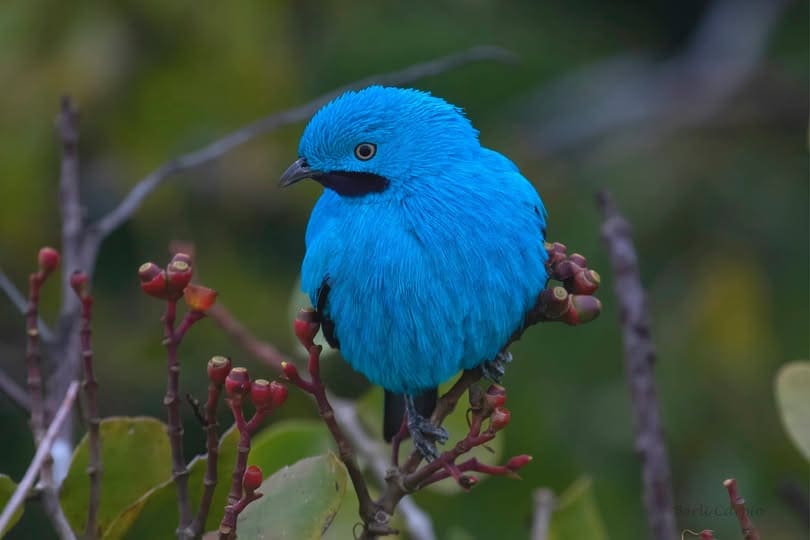
Dull Capped Atila , Cinereous Mourner , Plum Throated Cotinga , Wing Barred Manakin , Blue Backed Manakin,

Blue crowned Manakin ,Musician Wren ,Scaly Breasted Wren , Orange Headed Tanager ,

Yellow Backed Tanager , Guira Tanager , Flame Crested Tanager ,White winged Shrike Tanager , pectoral

Sparrow , Buclkley’s Forest falcon, Slate colored Hawk, olive Oropendola . All this birds and much more common

birds we can watch at LODGE like: Trogons , Motmots, Haws, kites, Flycatchers, Jays Oropendolas . This four days staying at  LODGE would be with the food included, and in the nights

we would be able to see birds like: Crested Owl ,Black Banded Owl , Spectaclet Owl , Amazonian Pygmy Owl ,Tawny

Bellied Screech Owl, Great Potoo , Long Tailed Potoo , Common , potoo , Ocellated Poorwill , Ladder Tailed Nightjar , Common Pauraque .

Day 7 :
Durand lodge – Laguna Tres Chimbadas .

Today we would start very early in the morning, about 05:15 a.m. we would sail about 45 minutes river up to a clay spot of Parrots and Macaws. After we would continue the trip until Tres Chimbadas Lake, to watch

lake birds and Giant Otters. We would sail in the lake in a Catamaran boat, that is very comfortable for birds

watchers, where we can watch: Horned Screamer , Green Ibis , Rufescent Tiger Heron , Gray Headed kite ,

Slender Billed Kite , Snail Kite , Black Collared Hawk , Green kingfisher , Amazon Kingfisher , Rufus and Green Kingfisher , uncolored Black Bird, Gray Necked Wood Rail, Band Tailed Ant bird, Silvered Ant bird ,

Amazonian Streaked Antwren, Spotted Tody Flycatcher , Boat Billed Flycatcher ,Lesser Kiskadee , Great Kiskadee ,

Black Tailed Tityra , Masked Tityra , Muscovy Duck , Sungrebe , Wattled Jacana , Purple Gallinule, Rufous Sided

Crake, King Vulture , Pied Lapwing , Collared Plover , Anhinga , Black Caracara.

After the tour in catamaran we would come back to the path in the way to Tambopata River, take lunch and watch some birds. Then we would sail river down until DURAND LODGE, having a free afternoon at this place. PERU BIRD

Day 8 :
Durand lodge – Puerto Maldonado – Lima

Today After breakfast we would drive about 1 hour to Puerto Maldonado. In this way we would stop to watch

some important birds and continue to the airport. Where we must wait and take the day flight. Where it finishes our tour and hopping that you had enjoy it Thank you.

The Most Birding Tour Tambopata 10 days

Itinerary The Most Birding Tour Tambopata 10 days

   The Most Birding Tour Tambopata What Birds Will You See?  During this specialized birding tour, you’ll have the chance to observe an extraordinary variety of species in their natural habitat, including:

  • Endemic birds of the Andean-Amazonian region
  • Migratory species traveling from North America
  • Parrots, macaws, herons, woodpeckers, eagles, owls, and many more

You’ll be accompanied by expert ornithologist guides, who will share their deep knowledge and help you identify even the rarest and most elusive birds of the forest.


Day 1: Cusco – Marca pata to Puerto Maldonado.

The first day we would start at 05:00 a.m., driving in our mini bus to HUACARPAY lake, where we would have the oportunity to watch some . Endemic birds like in the tour Tambopata Rainforest Bird: Bearded mountaineer, Rusty

fronted Canastero , Streak fronted thorn bird, plumberous Rail, Andean Black, Giant Hummingbird, Many Colored

Rush tyrant, Cinnamon Teal, Spot Billed Ground Tyrant, puma Teal, White Tufted Grebe, Cinereous Harrier , Wren Like Rushbird. And much more birds. tambopata birding tours short

After we would continue driving to Ocongate town, in the way we would stop to watch more Endemic birds like: Chestnut Breasted Mountain Finch, Cream Crested Spine tail. And more like: Mourning Sierra Finch, Yellow Billed

Tit Tyrant, and Band Tailed seedeater. Then we would continue until Abra Pirhuarani; a high mountain pass at

4.725 meters over the sea level., where we can watch some birds like: Gray breasted Seed Snipe, White Fronted Ground

Tyrant, Andean Goose, Puna Snipe, White Winged Diuca Finch. And much more. After we will continue the  manu rainforest until Marcapata town, in the way we would take a Box Lunch, then we would watch more Endemic birds like . Marcapata Spinetail, Scaled Metal tail. And more like: Andean Condor, Rufous Antpitta, Sword Billed

Hummingbird, Black Chested Buzzard Eagle and much more. After we continue the trip to Quince Mil town and in

the way we would stop to watch the Andean Cock of the Rock and much more: Tanagers, Flycatchers. Then we

arrive to Qunice Mil, where we would take dinner at a restaurant and sleep at the Basic hostel in this town.

Day 2 : The Most Birding Tour Tambopata – Marcapata Basic hostel .

Today we would start also very early, driving in our mini bus to Marcapata, in the way we would take breakfast. Here we would have the opportunity to watch birds like: Andean Cock Of The Rock , Andean Condor, Dark Faced

Brush Finch, Blue Capped Tanager, Rufus At pitta, Marcapata Spinetail, streak throated Bush Tyrant, Scarlet

Bellied Mountain Tanager , Red Crested Cotinga, Violet Throated Starfronlet , torret Duck, Torrent Tyranulet .

After we come back to Quince Mil , where we continue watching another kind of birds like: Saffron Crowned Tanager, Blue necked Tanager, Chestnut brested coronet, Chesnut Backed Antshire, orange Eared Tanager. At

midday we can also take a Box Lunch or instead our cook that always would be ready with our 3 daily meals, can cook for us. Then we continue the trip to Quince Mil, where we would watch more Endemic birds in the way like . Fine Barred Piculet,

Black Backed Toddy Flycatcher ,Masked trogon, Green Jay, Booted Racket Tail, White Bellied Wood star , Many

Spotted Hummingbird, Violet Fronted Brilliant , Gray Breasted Sabrewing, Long Tailed Hermit, Green Hermit, Blue Tailed Emerald, and more. Arriving to Quince Mil we would take our dinner and stay the night at the Basic hostel.

Day 3 :Quince Mil – Mazuco ( Puerto Maldonado) –The Most Birding Tour Tambopata .

Also today we start very early after breakfast at the hotel, in the direction to Mazuco or Puerto Maldonado, to watch some birds like: Yellow Tyranulet, Bobolik, Black and White Seedeater, Blackish Rail, uniform Crake , Azure

Gallinule, Burrowing Owl, Plain Crowned Spinetail, Long Tailed Tyrant, White lined ant bird, Rusty fronted Tody

Flycatcher, Black faced Dacnis, Blue Dacnis, Military Macaw, Cabanis Spinetail, Vercicolored Barbet, Cinnamon

Faced Tyranulet, Orange Breasted Falcon , Gray Breasted Crake, Paradise Tanager, Bay Headed Tanager. And the Endemics: Black Backed tody Flycatcher, Fine Barred Piculet.

Continuing the trip to Mazuco we would stop to watch: Carmiol’s Tanager, and have a Box Lunch in the way. After lunch we would watch more birds in the road like: Masked Tanager, Red Billed Tyranulet, White Browed Purpletuft,Gray Tinamou , Golden Collared Toucan , Striolated

Puffbird , Gould’s Jewelfront , Buff Tailed Sicklebill, Black Throated Brilliant , Vialed Headed Hummingbird , ( rare Rufus crested Coquette, Golden Tailed Sapphire , Black eared Fairy , Mottle Backed Elaenia , Two Banded

Warbler, Black Crowned Tityra , Spangled Cotinga, Festive Coquette and much more common birds. And just

before Puerto Maldonado we would stop again to watch: Red Breasted Black Bird , White Tailed Kite , Southern Caracara, Southern Lapwing , Brazilian Teal .

Arriving to the hotel, taking dinner in a restaurant, and stay the night in this town. macaw clay lick amazon 

Day 4 : Puerto Maldonado – Iberia Birdwatching  – The Most Birding Tour Tambopata .

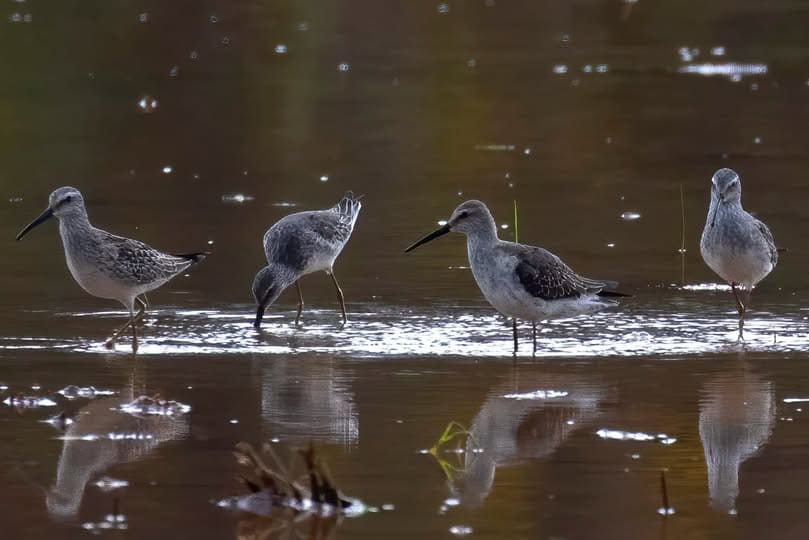
Today we start after breakfast about 06:00 a.m., by bus to Pastora, to watch some special birds like: White Throated Jacamar , Purus Jacamar , Black Banded Crake , Sun bittern , Buff Breasted Wren , Southern Lapwing ,

Chestnut Crowned Foliage gleaner , Barred Ant shrike , Masked Tityra , Straight Billed Woodcreeper, Magpie

Tanager , Hoatzin , Orange Backed Tropical , Chestnut Bellied Seedeater , Black Billed Seed Finch , Rusty

Margined Flycatcher , Collared plover, Limkin, Pectoral Sandpiper , Solitary Sandpiper. After this activity we would go back to Puerto

Maldonado and take lunch there. Then we would continue our trip, about 3 or 4 hours by bus until Iberia. Stopping at some spots to watch some important birds. Take dinner in a restaurant and stay the night in Iberia. PERU BIRDWHATCHING 

Day 5 : Puerto Maldonado – Infierno Durand lodge to The Most Birding Tour Tambopata.

Today we would drive only about 15 minutes, to Oceania, to watch some special birds like: Black Faced Cotinga, Rufous fronted Anthruhs, Rufous Twistwing , Sulphur Bellied Tyrant Manakin , Blue Headed Macaw , Bamboo Ant shrike , Spot Breasted Woodpecker , Blue and Yellow Macaw , chestnut fronted Macaw , Large Headed Flat bill ,

Tue. Parakeet, Blues Fronted Jacamar , Black Faced Tanager , Greenish Elaina . After this watching time we would go back to Iberia, to take lunch and pick up our luggage at the hotel. Then we would go back to Puerto Maldonado. Arriving in the end to Durand Lodge where we would take dinner and sleep.

 The Most Birding Tour Tambopata- 6th, 7th & 8th Days: Durand lodge .

Here we would stay for four days, to watch another kind of birds in the High Jungle or Primary Jungle like: Rufus Headed Woodpecker, Manu ant bird , Pheasant Cuckoo , Lemon Throated Barbet, Scarlet Hooded Barbet , Gilded Barbet, Red Billed pied tanager , Bare Necked Fruit crow , Purple Throated Fruit crow ,Great Jacamar , Point tail

palm creeper , Striped Wood haunter , ENDEMIC . Peruvian Recurvebill, Band Tailed Manakin, Round Tailed

Manakin , Yellow Crested Tanager, Blue Crowned Manakin , Golden collared Toucanet , White Throated Toucan ,Emerald Toucan , Curd Crested Aracari , Ivory Billed Aracari, Rofous Breasted pickled , Red Necked Woodpecker ,

long Tailed Woocreeper , Amazonian Barred Woodcreeper, Black Banded Wood creeper, Strong Billed

Woodcreeper, Faciated Antshrike , Spot Winged Ant shrike, Dusky Throated Ant shrike, Barred Ant shrike, Ornate

Ant wren , White Eyed Ant wren , Stipple Throated Ant wren , Pygmy Ant wren , Scoter’s Ant wren , Gray Ant wren , Long winged Ant wren , Yellow Breasted Warbling ant bird, Dot Winged Ant wren , Gray ant bird , Blackish ant bird

, Black Ant bird,

White Browed ant bird , Black Faced ant bird , Sooty ant bird , Plumbeous Antbird , Goeldi’s ant bird , Black

Spotted Bare Eye , White Throated Antbird , Hairy Crested ant bird , Scale Backed ant bird , Spot Backed ant bird ,

Plain Throated Ant wren , Black Faced Anthrush , Ash Throated Gnat eater , Rusty Belted Tapaculo , Short Tailed Pygmy Tyrant , Johannes’s Toddy Tyrant ,Dusky Tailed Flatbill ,Ringed Antpipit , Golden Crowned

Spade bill , White Crested Spadebill , Crowned Salty Flycatcher , Sirystes , Pink Throated Be card , Dull Capped Atila , Cinereous Mourner , Plum Throated Cotinga , Wing Barred Manakin , Blue Backed Manakin, Blue crowned

Manakin ,Musician Wren ,Scaly Breasted Wren , Orange Headed Tanager , Yellow Backed Tanager , Guira Tanager , Flame Crested Tanager ,W hite winged Shrike Tanager , pectoral Sparrow , Buclkley’s Forest falcon, Slate colored

Hawk, olive Oropendola Trogons, Motmots, Haws, kites, Flycatchers, Jays Oropendolas . This four days staying at

LODGE would be with the food included, and in the nights we would be able to see birds like: Crested  Owl ,Black Banded Owl , Spectacle Owl , Amazonian Pygmy Owl , Tawny Bellied Screech Owl, Great Potoo , Long Tailed Potoo

, Common , potoo , Ocellated Poorwill , Ladder Tailed Nightjar , Common Pauraque.

Day 9 :Durand lodge – Lake Tress Chimbadas – Durand lodge

Today we would start very early in the morning, about 05:15 a.m. we would sail about 45 minutes river up to a clay spot of Parrots and Macaws. After we would continue the trip until Tres Chimbadas Lake, to watch lake birds and

Giant Otters. We would sail in the lake in a Catamaran boat, that is very comfortable for birds watchers, where we

can watch: Horned Screamer , Green Ibis , Rufescent Tiger Heron , Gray Headed kite , Slender Billed Kite , Snail Kite , Black Collared Hawk , Green kingfisher , Amazon Kingfisher , Rufus and Green Kingfisher , uncolored Black

Bird, Gray Necked Wood Rail, Band Tailed ant bird, Silvered ant bird , Amazonian Streaked Antwren, Spotted Toddy Flycatcher , Boat Billed Flycatcher ,Lesser Kiskadee , Great Kiskadee , Black Tailed Tityra , Masked Tityra , Muscovy Duck , Sun grebe , Watt led Jacana , Purple Gallinule, Rufus Sided Crake, King Vulture , Pied Lapwing , Collared

Plover , Anhinga , Black Caracara. After the tour in catamaran we would come back to the path in the way to

Tambopata River, take lunch and watch some birds. Then we would sail river down until LODGE , having a free afternoon at this place

Day 10:  Durand lodge to Puerto Maldonado – Lima

Today After breakfast we would drive about 1 hour to Puerto Maldonado. In this way we would stop to watch some important birds and continue to the airport. Where we must wait and take the day flight .Where it finishes our tour, and hopping that you had enjoyed it Thank you .

NOTE.


Most Common Mammals Manu Park

The Most Common Mammals in Manu National Park: A Wildlife Haven in Peru

  Most Common Mammals Manu Park in Peru is a biodiversity hotspot, renowned for its incredible array of wildlife and its commitment to conservation. Located in the heart of the Peruvian Amazon, Manu is home to an extensive variety of mammals, birds, and other wildlife species, many of which are endemic to the region. The park plays a crucial role in preserving some of the world’s most endangered species, offering a glimpse into the heart of an untouched ecosystem.

The Purús-Manu Conservation Corridor: A Hub of Biodiversity -Most Common Mammals Manu Park

One of the key features of Manu National Park is its location within the Purús-Manu Conservation Corridor, a region recognized for its rich biodiversity. This corridor spans vast areas of pristine rainforest, providing critical habitats for many species, including some that are on the brink of extinction.

The area is so ecologically significant that researchers have discovered ancient fossils in the river sediments, some dating back to the Miocene era, shedding light on the region’s long evolutionary history.

In addition to its wildlife, the Purús-Manu Corridor is a cultural treasure, preserving the way of life of indigenous communities while promoting sustainable tourism that benefits both nature and people.

Exploring the Most Common Mammals of Manu National Park

Manu National Park is home to a variety of iconic mammal species, many of which are unique to the Amazon rainforest. Here are some of the most common mammals found in this incredible park:

1. Jaguar (Panthera onca)
The jaguar is the largest cat in the Americas and a key predator in the Amazon ecosystem. Known for its distinctive rosette-patterned coat, the jaguar is elusive and powerful, capable of taking down prey as large as tapirs and caimans.

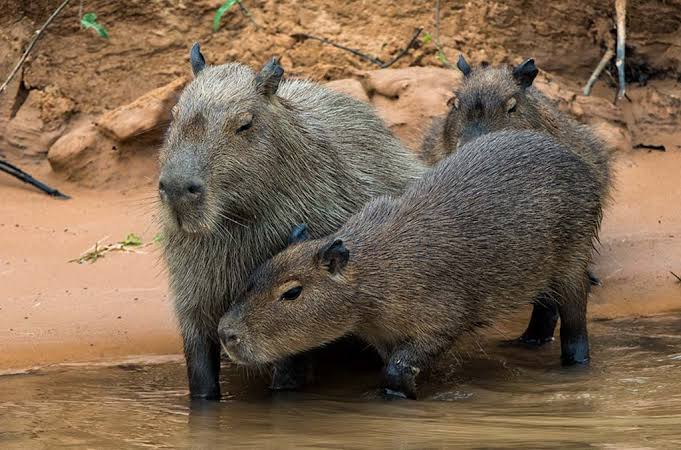
2. Capybara (Hydrochoerus hydrochaeris)

The capybara, the world’s largest rodent, is a common sight in Manu National Park. These social animals are

typically found in groups near rivers and lakes, where they feed on grasses and aquatic plants. Their calm demeanor

and impressive swimming abilities make them a favorite for wildlife watchers.

3. Amazonian Tapir (Tapirus terrestris)

The tapir is a large, herbivorous mammal with a distinctive trunk-like nose. Known for its excellent swimming skills,

the tapir is an essential part of Manu’s ecosystem, feeding on vegetation and spreading seeds throughout the rainforest.

4. Ocelot (Leopardus pardalis)

The ocelot is a small, spotted cat that is often mistaken for a jaguar at first glance. Although it’s elusive, the ocelot

is frequently spotted in Manu’s dense forests, where it hunts small mammals, birds, and reptiles.

5. White-Lipped Peccary (Tayassu pecari)

The white-lipped peccary is a social wild pig found in the forests of Manu National Park. These animals live in large,

organized groups and have an omnivorous diet, which includes fruits, roots, and small animals.

6. Giant River Otter (Pteronura brasiliensis) Most Common Mammals Manu Park

The giant river otter is a social, endangered species that thrives in the waterways of Manu National Park. Known for

their playful behavior and strong swimming abilities, these otters are often seen in family groups hunting fish and

other aquatic prey.

7. Spectacled Bear (Tremarctos ornatus)

The spectacled bear, also known as the Andean bear, is the only bear species native to South America. While

primarily found in the Andes, they can also be spotted in the cloud forests of Manu National Park.

8. Jaguarundi (Herpailurus yagouaroundi)

Also known as the otter cat, the jaguarundi is a small, agile feline found in various habitats across the park. It is a

solitary animal with a versatile diet, preying on small mammals, birds, and reptiles.

Manu’s Unique Ecosystems: A Biodiversity Paradise

Manu National Park spans over 1.7 million hectares, offering a wide range of ecosystems that support diverse wildlife.

The park’s varied terrain includes cloud forests, lowland rainforests, and the Amazon Basin, each with its

unique flora and fauna.

Flora: With over 4,000 plant species, Manu boasts some of the highest levels of plant diversity in the world. A single

hectare can contain as many as 250 tree species, creating a complex and vibrant ecosystem that sustains the park’s

incredible wildlife amazon .

Fauna: In addition to its mammals, Manu is home to over 1,000 bird species, including the iconic macaws and

toucans. The park’s insect diversity is also astounding, with millions of individual insects, including over 1,300

butterfly species.

Conservation Efforts and Sustainable Tourism – Most Common Mammals Manu Park

Manu National Park has earned recognition for its commitment to conservation. As a UNESCO Natural Heritage Site and a Biosphere Reserve, it plays a crucial role in protecting the Amazon’s biodiversity. Sustainable tourism is

encouraged, allowing visitors to experience the park’s wonders while ensuring the continued protection of its ecosystems and indigenous communities.

Tourists can explore the park’s diverse habitats through carefully curated routes, such as the Salvador, Otorongo, and

Juárez cochas, which offer a chance to observe species like the giant river otter and black caiman. Manu’s pristine

environment provides a rare opportunity to witness animals in their natural habitats, from the dense rainforests to the tranquil riverbanks.

Why Visit Manu National Park?

Manu National Park is a must-visit destination for nature lovers, wildlife photographers, and adventurers. Whether

you’re hoping to spot a jaguar on the prowl, photograph the stunning macaws, or simply immerse yourself in the rich

biodiversity of the Peruvian Amazon, Manu offers an unforgettable experience.

The park’s combination of ecological diversity, rare species, and conservation efforts make it an essential destination

for anyone interested in the natural world. Visit Manu National Park, and step into one of the most biodiverse places on Earth.


The Peruvian Island Titicaca Lake

The Peruvian Island Titicaca Lake

The Peruvian Island Titicaca Lake: Discover the Hidden Treasures of Lake Titicaca and the Peruvian Coast

Peru not only dazzles with its mountains and millennia-old history, but also with its unique islands, where ancestral culture and nature coexist in perfect harmony. From the magical floating islands of Lake Titicaca to marine reserves teeming with life along the Pacific coast, these destinations offer authentic, sustainable, and unforgettable experiences for any traveler. Amazon Tour Peru 

If you’re looking for cultural tourism, local experiences, and extraordinary landscapes, this journey through Peru’s main islands will amaze you.

 The Peruvian Island Titicaca Lake: Living Culture at Over 3,800 Meters Above Sea Level

Located between Peru and Bolivia, Lake Titicaca is home to some of the most fascinating islands in South America. Here, communities preserve traditions that have endured for centuries.

 Uros Floating Islands

The Uros Islands are one of Peru’s most iconic destinations. They consist of more than 40 artificial islands built entirely from totora reeds, an aquatic plant that grows in the lake.

The inhabitants use totora not only to create the island floors, but also their homes, boats, and even watchtowers. Visiting this place means stepping into a way of life unlike any other in the world.

Things to do:

Sail on traditional totora reed boats
Learn about the community’s daily life
Discover ancestral construction techniques

The Peruvian Island Titicaca Lake &Taquile Island: Textile Tradition Recognized by UNESCO

Taquile Island is famous for its extraordinary textile tradition, recognized as Intangible Cultural Heritage by UNESCO. Here, men knit fine garments that reflect their marital status and cultural identity.

What stands out most is the lifestyle: there are no cars, conventional hotels, or urban noise, making it a perfect destination to disconnect.

Highlights:

Hikes with panoramic lake views
Cultural exchange with local communities
Purchase of high-quality handmade textiles

 Amantaní Island: Experiential Tourism and Spiritual Connection

Known as the “Island of Love,” Amantaní is ideal for those seeking a deeper experience. Its two sacred mountains, Pachamama and Pachata, offer spectacular sunset views over the lake.

Tourism here is community-based: visitors stay in family homes, share traditional meals, and participate in local activities. Tour cusco 

Must-do activities:

Stay with local families
Hike to pre-Inca temples
Enjoy cultural nights with music and dance

  The Peruvian Island Titicaca Lake & Suasi Island: Nature and Total Tranquility

Less known but equally impressive, Suasi is a private island focused on eco-tourism. It’s perfect for those seeking peace, nature, and complete disconnection.

Ideal for:

Birdwatching
Silent hikes
Sustainable tourism experiences

Peruvian Coastal Islands: Biodiversity and Adventure

Beyond the Andes, Peru’s coast is also home to fascinating islands full of marine life.

 Palomino Islands (Callao)

Located near Lima, these islands are part of a natural reserve inhabited by thousands of sea lions. It’s one of the few places where you can swim alongside them in their natural habitat.

Unique experience:

Boat tour from Callao
Swimming with sea lions
Birdwatching

Foca Island: A Hidden Paradise in the North -The Peruvian Island Titicaca Lake .

In northern Peru, Foca Island stands out for its biodiversity. Here you can find Humboldt penguins,  birds, and a wide variety of marine species.

Perfect for:

Ecotourism
Nature photography
Off-the-beaten-path exploration

Useful Information for Travelers – The Peruvian Island Titicaca Lake .

 How to get there:
Most tours to Lake Titicaca depart from the city of Puno, easily accessible from Cusco or Juliaca.

Where to stay:

Amantaní: family homes (experiential tourism)
Puno: hotels for all budgets

 What to do:

Traditional fishing
Local farming
Participation in ancestral rituals and customs

 Why Visit the Islands of Peru?

Traveling to these islands is not just tourism—it’s an authentic life experience. Here you can:

  •  Connect with ancestral cultures
  •  Support sustainable tourism
  •  Discover unique landscapes in the world
  •  Step off the traditional tourist routes

Adventure Route Manu Park

Adventure Route Manu Park

Amazon Get to know the Route of the Manu National Park.

The Adventure Route Manu Park Ninamarca means town of fire in the Queshua language, nina means fire and marka means place or town.
This importance could be due to the fact that, especially during winter, people can see small bonfires burning on the ground from a distance.
The traditional belief is that these fires mark the hiding places of the Inca treasure. In Ninamarka there are chullpas or beautifully carved pre-Inca stone funerary towers.
Possibly important people were buried in these tombs, such as local chiefs or priests. These are remnants of the kingdom of Lupaca, whose center was just north of Lake Titicaca.
Both the Incas and the Lupacas were masters in the cultivation of the different ecological zones offered by the Andes Mountains. Unfortunately, there are no archaeological studies that analyze Ninamarka.

Entrance to the Manu Acjanaco Park – Adventure Route Manu Park

Acjanaco is located at the beginning of the Manu Biosphere Reserve on its route, and is also the southernmost part of the Reserve. Acjanaco is at an altitude of 3200 meters.
The path to your left leads to the Tress Cruces viewpoint, famous for its spectacular sunrise, which can only be seen in Acjanaco and in Japan.
The best time to see it is during July and August. During the rest of the year, the area is usually too cloudy.
The clouds form due to moisture rising from Thunor on the jungle side of the mountains.
The Incas used to observe the summer and winter solstices from Tress Cruces. From this natural platform they also contemplated the immense expanse of the Amazon jungle.
That view was the eastern limit of his known world. On the east side you can see the highest mountain in the Biosphere, the mountain “Apu Kanahuay” with its 4050 meters of altitude.
The translation of “Apu Kanahuay” from Queshua is “he who is close to God”.
Driving from Acjanaco, the treeless alpine wasteland at high altitudes begins to change into a strange goblin forest.
Upon reaching lower altitudes, the pixie forest changes to a mysterious cloud forest, before reaching the tropical jungle.

THE VALLEY OF KNOSNIPATA  .Adventure Route Manu Park

Known as Knosnipata in Queshua, this valley is located at 900 meters, 3,000 feet elevation. It has been inhabited for many decades.
First came opportunists and missionaries, but more recently the settlers have been landless peasants from the highlands, especially from Puno.
The gravel floor is poor and unforgiving. Millennia of torrential rains have washed away all natural fertility.
Despite this, the inhabitants of the valley still cultivate crops (rice, cassava, coca, plantains, other types of fruits), as they have done for decades.
There are three main settlements in the valley: Chontachaca, Patria, and Pilcopata. However, the Knosnipata Valley has been losing population in the last two decades due to depletion of soil and stocks of exploitable timber.

MANU NATIONAL PARK – ALTO MADRE DE DIOS –

Large open walls on the river side are visible shortly after leaving the port of Atalaya. Take a closer look and you can see three different layers on the wall.
The lower reddish colored land is the ancient seabed. This is from millions of years ago when the Amazon Basin was an inland sea.
Above this is a layer of large stones, which is the old bottom of the river. Above that is the actual soil layer.
The Alto Madre de Dios River extends about 150 km in length. It obtains its water from the snowy Pucará mountain in the southeast of Paucartambo.
Smaller rivers such as Pilcopata and Piñi Piñi and Tono form the Alto Madre de Dios, which is later joined by the Manu River.
This then forms the Madre de Dios River. This water then joins the Beni River in Bolivia and forms the Madeira River in Brazil, eventually flowing into the Amazon Manu Park .

MANU NATIONAL PARK – BOCA MANU

The small town of Boca Manu (La Boca del Manu) is the capital of the Fitzcarrald District. It is located at the junction of the Alto Madre de Dios and Manu rivers.
It is here that the dark brown, sediment-laden waters of the Manu River meet the clearer waters of the Alto Madre de Dios River.
Alto Madre de Dios is clearer because its origins are high in the Andes.
The creators of Manu:
Celestino Kalinowski was a naturalist by vocation and heritage. His dream was the establishment of a natural museum in Manu.
His great concern was to preserve this area from human depredation. He visited Felipe Benavides, president of National Parks, to tell him about the need to close the path to loggers, hunters, and prospectors

In May 1973, the Manu National Park Reserve was declared. Since 1977 the park enjoys the status of Biosphere Reserve, granted by

UNESCO.

In 1887 John Kalinowski came to Peru to investigate the jungle of Madre de Dios. The discovery of valuable specimens for our fauna and rich in our flora is due to him.
The world began to learn about the great diversity and lost interest in those areas of southeastern Peru. Some species even adopted the name of its discoverer, such as Dasyprocta – Kalinowski.
His son, Celestino Kalinowski Villamonte, inherited his vision and passion for the intricate foliage of the Peruvian jungle,
precisely because those enigmatic territories kept the great Païtiti, the longed-for lost city of the Incas, for myth and mystery.
Such was the concern of Celestino Kalinowski Manu, who in 1964 visited Felipe Benavides Barreda, then president and Zonal of National Parks,
to warn of the need to close the way to loggers, hunters and gold prospectors.
He feared that the beautiful confluence of rivers and forests would be at the mercy of humans. In a letter he suggested that the Manu Reserved Zone be declared.
Benavides sought out British naturalist Ian Grimwood, who undertook Alinowski a scientific expedition in 1967, this could show evidence of growing dangers and great natural wealth.
Based on the data collected and under the draft reports, it was possible to support the character of a natural reserve.
This effort paid off with the recognition of the Manu River Basin Reserved Zone in 1968. In May 1973, the reserve was declared a National Park. In that area, flora and fauna have enjoyed full support ever since. Since 1977, the park has the status of Biosphere Reserve, granted by UNESCO.
Ten years after being declared a World Heritage Site, Peru became a symbol in the world. What Manu is, has its origin in the inspiration and effort of a few enthusiasts and lovers of nature.

RAINFOREST TO AMAZON ROUTE PARQUE MANU .

A MODEST MAN. The British Ian Grimwood Kalinowski said that he was simple and a born naturalist.
NATURAL WEALTH. Protected area thanks to the efforts of some nature lovers like Kalinowski and Benavides.
FELIPE BARREDA BENAVIDES. It was a permanent fight for the care of the environment of nature.
The Undefeated Jungle – Manu National Park:
The oldest evidence of Manu dates from 1,750 years before Christ and belongs to the Arahuac.
Neither the Incas nor the Spanish dominated this territory, which was associated with Paititi and would suffer the depredation of rubber tappers and loggers.
the Manu, the mystery is a primal instinct. The origin of its inhabitants is lost among jaguars, warrior ants and legends of floods, blood and gold.
The oldest archaeological evidence is remains of cassava and avocado, cultivated between 1750 and 1000 BC by the Arahuac, who are the mythical ancestors of the current Manu ethnic groups (especially the Matsiguengas).
The great French anthropologist Alfred Métraux vindicated them: “The role of the Arahuac in the development
of civilization in South America has been considerable. Unfortunately, in the absence of synthetic works, it is difficult to appreciate this civilizing effort”.
And they were the mediators in the exchange of products and divinities between the hidden jungle and the mountains.

The Ultimate Guide: From Cusco to Manu National Park

Embarking on the journey from Cusco to Manu National Park is nothing short of extraordinary. This route unveils Peru’s awe-inspiring landscapes, transitioning from majestic high mountain passes to the enchanting lush rainforests of the Amazon. Prepare for a transformative adventure, but remember: acclimating to Cusco’s altitude before departure is crucial.

Adventure Route Manu Park-  Immerse Yourself in Biodiversity

Manu National Park, a UNESCO World Heritage Site, is one of the world’s most biodiverse regions. Home to over 1,000 bird species, hundreds of mammals, and countless plants and insects, this park promises unforgettable encounters with nature. Don’t forget your camera to capture iconic species like jaguars, tapirs, and playful monkeys in their natural habitat.

Cultural Experiences Along the Journey -Adventure Route Manu Park

The path to Manu offers more than scenic beauty; it provides unique cultural encounters. As you pass through charming local communities, immerse yourself in the traditions and daily lives of the people. These interactions offer a rich tapestry of Peruvian heritage, fostering a deeper connection with the region. Remember, showing respect for local cultures enhances your travel experience.

Essential Travel Tips for a Smooth Journey

  • Stay Hydrated: Combat the Amazon’s humidity with plenty of water.
  • Respect Wildlife: Admire animals from a distance to keep both you and them safe.
  • Hire a Local Guide: Their expertise enriches your journey and provides valuable insights into the park’s ecology.

Why Choose a Guided Tour -Adventure Route Manu Park

Opting for a guided tour from Cusco to Manu ensures a hassle-free experience. Professional tour operators handle logistics, including transportation and accommodations. Knowledgeable guides provide fascinating context about the park’s history and biodiversity while helping you spot elusive wildlife. They also prioritize safety and environmental conservation, ensuring your visit leaves a positive impact.

Navigating the Majestic Madre de Dios River

The Madre de Dios River is more than just a passageway; it’s a lifeline for the Amazon’s ecosystems. Its winding path teems with diverse wildlife, making it a highlight of any trip. Glide through its serene waters and witness the extraordinary interconnectedness of this vibrant environment.

Travel Responsibly: Safety and Conservation

Choosing eco-conscious tour operators helps protect Manu National Park for future generations. Responsible travel includes minimizing environmental footprints and adhering to park guidelines. Always follow your guide’s advice to ensure both personal safety and environmental preservation.

Connecting with Nature: Journey from Cusco to Manu

Embarking on the journey from Cusco to Manu is much more than travel—it’s a transformative experience that reconnects you with the raw beauty of nature. Along the way, you’ll witness the incredible biodiversity of one of the most diverse ecosystems on the planet and gain a renewed appreciation for conservation.

Whether you’re an avid nature enthusiast or just beginning your exploration of the natural world, this trip offers countless unforgettable moments. From towering Andean peaks to the lush green expanses of the Amazon, the route to Manu promises the adventure of a lifetime.