Full 1
MANU TOURS
MANU TOUR ZONE RESERVED 4 DAYS
Full 1
previous arrow
next arrow
Shadow

Videos Manu Amazon Jungle

Videos Manu Amazon Jungle

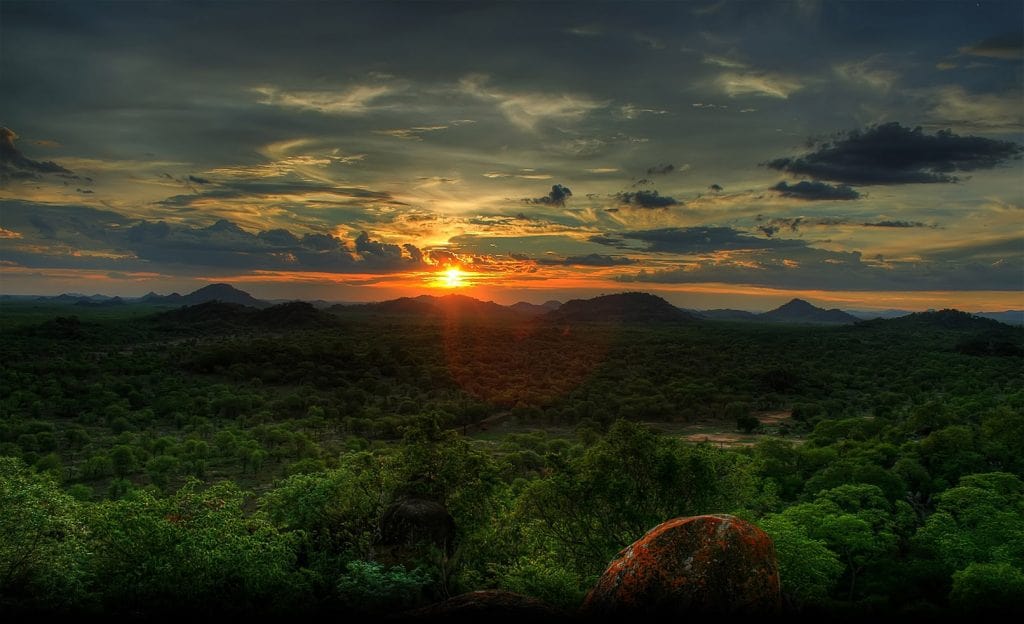
These Videos Manu Amazon Jungle have been carefully edited to capture the natural and authentic essence of our tour, an experience designed especially for you, our valued client. Through them, we invite you to explore breathtaking landscapes, fascinating wildlife, and unique moments that you can only experience with us.

Each scene reflects not only the beauty of the surroundings but also our commitment to providing an unforgettable journey that deeply connects with nature and local cultures

Peruvian Amazonia  .

  Videos Manu Amazon Jungle  of Manu National park Reserve is located in the  River basin, as is Cocha Salvador,

Cocha Otorongo, which is the most visited this videos  manu amazon jungle . Among these regions is located

– Cusco and Madre de Dios.  The  Reserve, This natural area is highly protected because it houses a great biodiversity

of species that is the only one on this planet.  Because this area has different ecological levels and

forests such as the low jungle and high jungle, lakes, lagoons, oxbow lakes, primary forests, secondary forests, virgin

forests, tropical forests, purmas,  aguajales, etc . They are very rich in nutrients that give a lot of life. to these

species that live in this natural area, as endemic species were found and not recorded because they are

studying the behavior of thousands and different species – Amazon Jungle

as we can mention some. at least 2,000 to 5,000 species; and some are in extinction the fauna and flora of the

Peruvian Amazonia is very important for humanity because this magical jungle, rainforest, wild, , fauna, Explorer,

wildlife peruvian amzon gives a lot of life. They are very well known by this name in the wild World.

They are videos

of the Peruvian jungle such as the cultural zone of  the reserve zone are 2 places rich in wild flora and fauna

there you can see the videos made by our clients who visited this paradise of flora and fauna of Peruvian.

OF SPECIES OF BIRDS OF PERUVIAN –  Manu Amazon Jungle

(O’Neill 1992), over 35% of amphibian species (Tovar 2010), 41% of mammals (Pacheco et al. 2009) and more than

3000 species of vascular plants (YOUNG AND LION 1999 2001). : It is also worth noting that these numbers are

only approximate because the Yungas are biologically very unexplored territory where each basin can present

particular species. The PNBS and its importance as protected area The PNBS plays a role in conservation at several

levels: within Puno and Madre de Dios regions nationwide as part of the National System of Protected Natural travel

Areas by the State and globally as part of the conservation corridor Vilcabamba -Amboró. Nationally, it is

clear that part of the importance of PNBS lies in the great biological diversity that remains. Being part of the

Convention on Biological Diversity, signed at the Earth Summit of 1992, Peru recognizes the importance of

preserving to ensure sustainable development. The protected areas play a key role in fulfilling the National Strategy

on Biological Diversity, which responds to the president before quoted, character and PNBS agreement as

protected area plays an important role within that concept. As part of the National System of Protected Natural


Videos  Manu National Park/ Amazon Jungle

Areas by the State, whose governing body is the Service National Protected Natural Areas by the State The PNBS and

its importance as naturalprotegida area


Amazon Explorer – Pusharo Petroglyphs 5 days

Amazon Explorer – Pusharo Petroglyphs 5 days

 1 Day: Cusco – Paradise Lodge Inn

Today we get up early to pick you up from your hotel in the city of Cusco, we will start the tour Amazon Explorer -Pusharo Petroglyphs in our private mobility through the Andean mountains, with very beautiful landscapes, we

will make stops as in the Ninamarca that are known as the (chullpas or tombs pre-Inca funeral homes) that belong to the .LUPACAS culture. then we will make a second stop in the town of

Paucartambo . It is very colorful that they maintain their traditional customs from there we will begin to descend to the highest point to Acjanaco, which is the entrance to the MANU NATIONAL PARK, Then we will

begin to descend through the cloud forest that houses a biodiversity and a variety of flora and fauna wild . Like epiphytes, orchids, broméalas, lichens, ferns etc. Special place to observe the National Bird of Peru (Cock of the

Rocks) this bird performs a ritual dance to attract the attention of the males, we will observe some birds and animals such as toucans, trogons, quetzals, monkeys and hopefully the spectacled bear of South America

(Tremarctus ornatus) than in extinction. After this activity we will continue the trip towards our hostel. There we will be able to freshen up with a shower and, later, they will serve us dinner before going to bed.

rainforest explorer peru

 2 Day : Amazon Explorer – Pusharo Petroglyphs to  Paradise Lodge Inn – Santa Cruz – Palotoa Teparo.

Today After enjoying a delicious drink we will continue our excursion through the depths of the Amazon, where we board our boat or private vehicle (depending on the size of the group) traveling down a meandering Madre de Dios

River towards the checkpoint of the Manu Santa Cruz National Park, where we will have a one and a half hour trip by boat or vehicle. Place where we registered at the Manu Park checkpoint. Where our Guide will explain to

you about the native people or ethnic groups, place of inhabitation that continue to maintain their customs, their

cultures and traditions that their ancestors left, that have an intact and unique lifestyle. We will visit the

interaction with the families of this ethnic group called Matsigenka.
At night night activity. jungle explorer

3 Day :Amazon Explorer – Pusharo Petroglyphs   Palotoa Community .

Today After our delicious breakfast we will get up very early and then we will take a 5-hour walk in the deep jungle along the trails and beaches along the Palotoa River, where we will appreciate a great variety and diversity of birds

and other species of monkeys and with the possibility of seeing big animals; Then we will arrive at

PUSHAROS Amazon Explorer -Pusharo Petroglyphs

where we will begin to explore the different points of Recordings that have expressions that were made many

years ago that amazed, finely carved that possibly gives us a message of these riches that are found in the Amazon. In

this main panel, the main God of the INCAS is very embodied, and the sun, which represents as a sign and respect for the rising Sun, that the resplendent sun and the setting sun. At the extreme right is the profile of the Inca face,

the ruler of the Inca empire, which are immense recordings that are shown on the panel and are a challenge to

decipher. PUSHARO is a Temple or a lost city that today is a rock and reveals all the secrets of the ancient

civilizations of our Incas. Box lunch and return to the community of Palotoa Teparo. In the afternoon we

will return to the community of palotoa to spend the night in nocturnal activity.  in amazonia explorer

 4 Day: Amazon Explorer – Pusharo Petroglyphs – Palotoa Community – Rainforest lodge.

After we pack our things to board the boat and navigate the Madre de Dios River to the port of Santa Cruz. Then return to our hostel accommodation in their respective rooms. lunch . In the afternoon we will take walks through

the deep jungle observing the wild flora and fauna. After dinner night activity

jungle trips explorer

 5 Day: Amazon Explorer – Pusharo Petroglyphs – Rainforest Lodge-Return Cusco.

After breakfast, we will board a motor boat and travel for 10 minutes to visit the parrot and macaw clay lick, an unforgettable experience! After this activity, we will return to the lodge for breakfast. We will then re-board our

boat to begin our return journey. Our first stop will be in Puerto Atalaya, where our private vehicle will wait for us to take us back to Cusco, where we will arrive between 7 and 7:30 pm.

IMPORTANT!! You need to be vaccinated

against Yellow Fever as well as bring some malaria pills with you.

NOTE:

Jungle Explorer .

About the Matsigenka of Manu .The Manu National Park is a protected natural area that has as the main people

to the Matsigenka. Most of the publications made on the Manu are carried out from investigations on the fauna and

flora existing. Several authors highlight the importance of El Manu Park as a its biodiversity and the new species

that have enriched the natural Sciences. However, there are many publications that portray the twenty

Manu at a more comprehensive level covering its history, biodiversity and analyzing the populations that live in

the place, among them the work of Kim stands out MacQuarrie and Pérez de Cuéllar (1992) that with photographs

and texts detailed facts reflect the reality of the Park during the 90s, including the descriptions of the towns that inhabit it, among them the Matsigenka .

Additional Information:

Recommendations: It is essential to get vaccinated against yellow fever before the trip and bring malaria prophylactics.

Why choose this tour?: A unique experience for nature lovers, archaeology enthusiasts, and those interested in ancient cultures.

Explore the mysterious Petroglyphs of Pusharo, interact with local communities, and immerse yourself in one of the planet’s most biodiverse ecosystems.

Discover the Mysterious Petroglpyhs of Pusharo: A Cultural Treasure in the Peruvian Amazon

Located in the mystical historical and cultural zone of the Pongo de Meganto, within the Manu National Park

(PNM), the Petroglyphs of Pusharo are a fascinating legacy left by the ancestors of the Matsiguenka people, an

indigenous group from the Arawak language family. These ancient rock engravings are found along the banks of

the Palotoa River, a tributary of the Alto Madre de Dios River, within the ancestral territory of the native Palotoa – Teparo community.

A Journey Through History: The Petroglpyhs of Pusharo and Their Cultural Legacy

The Petroglyphs of Pusharo are a living testimony of the interaction between the Matsiguenka and the Incas.

According to research, these ancient carvings were made by the ancestors of this community, who recorded their

beliefs, myths, and symbolism on the stones of the region.

The petroglyphs are distributed across three sectors, categorized as A, B, and C, each with unique features that help to better understand their context and meaning.

Petroglyphs of Sector A: Geometry and Mystery

The Petroglyphs of Sector A in Pusharo are recognized for their geometric and abstract style. This sector is

dominated by anthropomorphic figures, such as human masks, snakes, feline tracks, and representations of the sun.

Additionally, some carvings present a T-shaped figure, with an appendix extending from the top, which could be

interpreted as an abstraction of human or animal heads (such as the jaguar), adorned with feathered plumes.

This combination of symbols invites speculation about the mysticism behind these engravings.

Petroglyphs of Sector B: Rectilinear Style and Cultural Depth

In Sector B, the petroglyphs are distinguished by their straight lines and the absence of double or pronounced borders.

Rectangular depressions and V-shaped grooves are prevalent here, giving these engravings a distinctive character.

These details highlight the skill and knowledge of the ancient Matsiguenka artists, who left behind a stone legacy that continues to fascinate visitors.

Petroglyphs of Sector C: Resilience and Mystery

Sector C houses the petroglyphs that have best withstood the erosion of time and river waters. Despite their more

deteriorated state, the engravings in Sector C can still be observed in thin and shallow grooves, making this sector

especially interesting for explorers and tourists who wish to delve into the region’s history.

Tourist Appeal and Conservation of the Petroglpyhs of Pusharo

The Petroglyphs of Pusharo are not only an archaeological attraction but also a tourist destination due to their

impressive beauty and mysticism. Visitors have the unique opportunity to interact with the Palotoa – Teparo

community, the guardians of these ancient engravings. Additionally, the A and B walls are in good condition, making them easier to appreciate.

On the other hand, Wall C has suffered more wear due to water erosion from the river, but it remains a fascinating site for those seeking to explore the mysteries of the Amazon.

A Place of Mysticism and Living Culture

Visiting the Petroglyphs of Pusharo is like diving into a place full of history, culture, and mysticism. This sacred

site is not only an archaeological gem but also a living heritage that invites tourists to uncover the secrets of the

Matsiguenka people and their connection with nature and the cosmos.

  • Petroglyphs of Pusharo
    Pongo de Meganto
    Historical and cultural zone
    Manu National Park
    Native Palotoa – Teparo Community
    Matsiguenka Group
    History and mysticism
    Archaeological tourism in Peru
    Conservation of petroglyphs
    Ancestral culture


Manu Weather Climate Peru

Manu Weather Climate Peru –

BIOSPHERE RESERVE  ZONE .

Manu National Park of 24 degrees Celsius, there is the humid subtropical rainforest Manu Weather Climate Peru ,

which in the highland rainforest extends from 80 – 2,500 m.a.s.l. and in the lowland rainforest is situated between

150 and 300

m.a.s.l. This latter zone has abundant fauna, palm trees and evergreen trees. The park’s flora is abundant; 4,385

species have been registered, 1,191 genera and 162 families of plants. On the same hectare, 250 types of different

trees have been found.

Amazonia Manu Weather Climate Peru

the manu park has an ecosystem and great biodiversity that they understand according to their statistics and

quantitative on the most protected areas as we have the (terrestrial and marine) and the species of wild flora and

fauna. These areas are highly protected and play a fundamental role in maintaining valuable ecosystems and the

great life of biodiversity, such as preserving many lives that exist or threatened or extinct species. In 2016, these

Natural Areas were Protected (ANP) that represent 15.1% of the country’s surface and showing a large reduction of

15.2% compared to the previous year of 2014, due to the fact that part of the Sierra de un Divisor, which is located

in the department of Ucayali and part of Loreto, which borders with Brazil, was initially considered as the

Reserved

Zone of the National Park with a smaller area.Temperature of the Manu Park 

HOW TO ARRIVE TO MANU PARK  – Manu Weather Climate Peru .

The park has been divided into three zones depending on the degree of access. First there is the Mulit-use Zone,

where conservation activities are permitted and where there are controlled human settlements. The second is the

buffer zone or Reserved Zone that starts in Boca Manu and ends in the ravine of the River Panagua. Here only

restricted, supervised tourism and controlled investigation is allowed. The third is the Central Zone or Manu

National Park, which is impenetrable or of exceptional access (over 1.5 million hectares).

Travel to Manu can only be done through an authorized agency and only to certain areas that are permitted. You

can find the list of authorized agencies and operators on the Internet at

A small plane from Cusco to Boca Manu -Manu Weather Climate Peru .

 is used to fly into Manu (40 mins) and from there you continue by river. On land, from Cusco via Paucartambo,

through the Acjanaco mountain pass towards

Tress Cruces. Here there is a surveillance post and refuge (it takes 4-5 hours to get here). The journey continues

down to the village of Atalaya (3 hours and from there via the River Alto Madre de Dios to Boca Manu (6 hours),

all

the way to the Limonal surveillance post. From this point, the agencies and operators take visitors to their refuge

which can take from 1 to 5 hours. to enter the manu national park we first have to get to the city of cusco and then

take a tour with an operating company To arrive at Manu National Park, you need to follow specific guidelines and

use authorized agencies or operators.

Here is  General Outline of how to Get There

  1. Travel to Cusco: You will first need to travel to the city of Cusco, Peru. Cusco is a major city with good

  2. transportation connections and is usually the starting point for trips to Manu National Park.

  3. Authorized Agencies: Look for authorized agencies or tour operators that are allowed to take visitors to

  4. Manu National Park. These agencies have the necessary permits and knowledge to ensure a safe and

  5. environmentally responsible visit.

  6. Fly to Boca Manu: From Cusco, you can take a small plane to Boca Manu, which is the starting point for

  7. further travel into the park. The flight usually takes around 40 minutes.

  8. Travel by River: From Boca Manu, your journey continues by river. You will travel along the River Alto

  9. Madre de Dios to reach the park. This part of the trip can take several hours, depending on your destination

  10. within the park.

  11. Access Zones: The park has three zones – the Mulit-use Zone, the buffer zone or Reserved Zone, and the

  12. Central Zone or Manu National Park. Each zone has different levels of access and restrictions. Make sure you

  13. are aware of the specific zones you are allowed to visit.

  14. Conservation and Supervised Tourism -Manu Weather Climate Peru .

  15. In the Reserved Zone, only restricted and supervised tourism activities are allowed. This is to protect the

  16. delicate ecosystem and wildlife of the park.

  17. Follow Guidelines: It’s crucial to follow the guidelines set by the authorized agencies and the park

  18. authorities to minimize your impact on the environment and preserve the unique biodiversity of the area.

  19. Enjoy the Park Responsibly: Once inside the park, you will have the opportunity to explore and experience

  20. the incredible biodiversity, flora, and fauna that Manu National Park has to offer. Remember to

  21. respect the wildlife and nature and leave no trace behind.

Discover the Wonders of the Amazon: Peculiarities and Aerial Shows
The Hoatzin: A Living, Peculiar Treasure of the Amazon

The hoatzin’s wing-claws, reminiscent of another era, are an enchanting sight, but its evolutionary ties to the

ancient Archaeopteryx are not direct. Recent protein analysis reveals that hoatzins are more closely related to

cuckoos, offering an intriguing example of recent evolution. The hoatzin has earned its place in its own unique

family, Opisthocomidae.

In its ideal environment, especially outside the breeding season, hoatzins often gather in groups of up to 30. Their

calm demeanor around humans gives observers a rare chance to witness one of the Amazon’s more peculiar

wonders up close.

Orioles and Oropendolas: The Artists of the Amazon Sky

Another extraordinary spectacle in the Amazon is the oropendola. Relatives of orioles and blackbirds, these birds

are known for their striking golden tail feathers (“oro” meaning gold in Spanish) and their distinctive bubbling

calls. Their nests, intricately woven and dangling over two meters long, are a marvel of avian engineering, swaying

like oversized fruits in the treetops.

Notable among the oropendola species are the russet-backed oropendola (Psarocolius angustifrons), often found

near water, and the olive oropendola (Gymnostinops yuracares), dwelling in terra firme forests. For those keen to

see a smaller cousin, caciques are recognizable by their dark plumage and bright yellow tail bars, commonly found

nesting in shrubs near human settlements.

Cowbirds: Masters of Deception

In sharp contrast to the vibrant oropendolas, cowbirds are known for their parasitic breeding habits. Cunning in

their strategy, cowbirds, such as the shiny cowbird (Molothrus bonariensis), lay eggs that mimic those of other

birds, tricking their hosts into raising their young as their own.

Explore the Amazon’s Avian Treasures

From the peculiar hoatzin to the mesmerizing oropendolas, the Amazon offers a birdwatcher’s paradise. Travelers

can expect to witness avian species that challenge logic and astonish the senses.

Climate of Manu National Park: A Biodiversity Refuge

A Tropical Rainy Climate to Explore

Located in Peru, Manu National Park is celebrated for its extraordinary ecological diversity and tropical rainy

climate, which varies by altitude, offering unique experiences based on the region:

Southern Zone (Higher Elevations): With annual rainfall ranging from 1500 to 2000 mm, this area is ideal

for exploring higher-altitude biodiversity, where lush vegetation and fascinating wildlife thrive.

Middle Zone (Intermediate Elevation): Further down, rainfall significantly increases, ranging between 3000

and 3500 mm per year. This area offers an immersive experience in a humid, vibrant jungle teeming with life.

The constant rainfall in Manu plays a vital role in nurturing its incredible biodiversity. Nature enthusiasts will find

it a must-visit destination, where tropical landscapes, non-native flora, and astonishing fauna await discovery.

Ecosystems of Manu National Park: A World of Natural Wonders
Explore the Aguajales: A Paradise of Biodiversity

The aguajales of Manu National Park present one of the most captivating ecosystems in the Amazon. These

wetlands, dominated by the aguaje (Mauritia flexuosa) and huasaí (Euterpe precatoria) palms, serve as refuges for

rare species, making it a paradise for wildlife enthusiasts.

The aguajales, especially along the right bank of the Manu River, offer an immersive experience within one of the

Amazon’s most visually and acoustically stunning environments. The towering palms and the resonant calls of the

jungle make it a one-of-a-kind sensory adventure.

Prepare for an Unforgettable Adventure

With its extraordinary species, vibrant biodiversity, and the rare opportunity to engage closely with nature, Manu

National Park is an essential destination for anyone passionate about wildlife. Whether you’re an avid birdwatcher

or an adventurous traveler, an expedition to this region of the Amazon promises an unforgettable journey.


Manu Rainforest Birds Peru

Discover the Wonders of Manu Rainforest Birds: Amazonia’s Birdwatching Adventure

Manu Rainforest Birds Peru: Experience the unparalleled beauty of Manu National Park in Peru, a haven for birdwatchers and nature enthusiasts. Home to over 500 bird species and up to nine monkey species, this pristine Amazon rainforest offers an adventure unlike any other. Manu jungle Trips

The Journey Begins -Manu Rainforest Birds Peru

Your journey starts on the scenic road to the Cock-of-the-Rock Lodge, where you’ll spend two nights immersed in the vibrant Andean cloud forest. Next, head to Amazonia Lodge for another night surrounded by lush wildlife before venturing deeper into the heart of the jungle Trips .

Explore the Rio Manu and Manu Rainforest Birds Peru

Travel up the Rio Manu for a three-night stay at a comfortable tent camp near Cocha Salvadore. Witness breathtaking oxbow lakes, remarkable mammals like the Tapir and Giant Otter, and perhaps catch a glimpse of

the elusive Jaguar. Delight in the symphony of birds from the canopy towers, which provide an unmatched view of the thriving rainforest.

Manu Wildlife Center

The adventure culminates in a five-night stay at the renowned Manu Wildlife Center, featuring luxurious

accommodations amidst the wild. This destination promises the ultimate wilderness experience, complete with a visit to a famous Macaw Clay Lick, where colorful macaws and parrots gather in a dazzling display.Manu jungle Trips

Special Highlights -Manu Rainforest Birds Peru

  • Iconic species like the Andean Cock-of-the-Rock and toucans.
  • Birdwatching from canopy towers for an extraordinary aerial perspective.
  • Seasonal sightings of migratory birds from Patagonia and North America.
  • Rare mammals and a diverse range of wildlife unique to the Amazon.
  • Beyond Manu: Extensions to Machu Picchu and More

Enhance your adventure with an optional extension to iconic destinations like Machu Picchu, the Sandoval Lake Reserve, and Tambopata Reserve  Candamo. These add-ons offer an incredible blend of cultural and natural experiences.

Birdwatching Highlights of Amazonia

Amazonia hosts an astounding 1,800–2,000 bird species, vastly outnumbering the 500 species across all of Europe.

The numbers swell seasonally with migratory birds, including the Summer Tanager and Yellow-Billed Cuckoo, highlighting the Amazon’s global ecological importance.

Even casual bird enthusiasts can enjoy the vibrant spectacle of toucans, macaws, and parrots—known for their colorful plumage and lively behaviors.

Species such as hawks, kingfishers, orioles, and flycatchers are also easier to spot near water edges or open spaces, adding to the diversity of birdwatching opportunities. Manu jungle Trips

Parrots and Macaws: Nature’s Living Rainbows

Parrots, with their striking colors and mimicry skills, are a quintessential feature of the Amazon. Macaws, the largest of the parrot family, captivate travelers with their long tails and social behaviors, often seen in dazzling pairs.

Watch them feast on the seeds of the macula and Tucuman palms, their powerful beaks breaking through hard shells with ease.

At the Macaw Clay Licks, these magnificent birds gather in stunning congregations, creating a spectacle of sound and color that you’ll never forget.

Plan Your Manu Rainforest Birds Peru

Whether you’re a seasoned birder or an avid nature explorer, this journey through the Manu rainforest promises unforgettable moments.

Book your Amazon Peru adventure today and immerse yourself in the vibrant life of one of the most biodiverse places on Earth. Manu jungle Trips

Macaws and Toucans: The Vibrant Birds of Peru’s Manu Rainforest

The Manu Rainforest in Peru is a haven for vibrant birdlife, with macaws and toucans as two of its most iconic inhabitants.

Whether soaring through the canopy or gathering at clay licks, these birds captivate visitors with their stunning appearances and fascinating behaviors. in the rainforest Manu jungle Trips

Macaws: Splashes of Color in the Canopy

Macaws are easily recognized by their vivid plumage and long tail feathers, setting them apart from smaller parrots. While most parrots are greenish with similar silhouettes, macaws boast striking colors that make them

unmistakable. Common parrot species, such as festive parrots (Amazona farinosa) and white-eyed parakeets

(Aratinga leucophthalmus), often fly in flocks along riverbanks or feed on coral tree blossoms near maripa palms.

For bird enthusiasts, distinguishing between different parrot species can be challenging, as their subtle differences

in head-feather coloring are difficult to observe in flight. However, one of the best places to marvel at macaws in their natural habitat is at Manu’s famous clay licks. Here, these birds gather to consume mineral-rich clay, which

helps neutralize toxins from their fruit-heavy diet. The sight of dozens of macaws in a vibrant, chattering congregation is an unforgettable experience. Manu jungle Trips

Toucans: Icons of the Manu Rainforest Birds Peru

With their oversized, colorful bills, toucans are true symbols of the rainforest. Their bills, among the largest relative to body size of any bird, are lightweight yet strong, thanks to an internal honeycomb structure. This unique

adaptation allows toucans to access fruits, such as figs and berries, that grow at the ends of delicate branches.

Toucans are not only fruit-eaters but also opportunistic predators, consuming small animals, eggs, and nestlings. These birds often roost and nest in tree holes, either natural or previously made by woodpeckers, to which they are distantly related.

One of Manu’s most striking toucans is the white-throated toucan (Ramphastos tucanus). With its black body, white chest, yellow rump, and blue ring of bare skin around its eye, it’s a sight to behold. Its bill—black with a yellow ridge—is as long as its body. This toucan’s croaking call sets it apart from the yellow-ridged toucan (Ramphastos culminatus), which has a distinct, multi-syllable yelp.

Other toucan species to look out for in Manu include the chestnut-eared aracari (Pteroglossus torquatus) and the dazzling golden-collared toucan (Selenidera reinwardtii).

Experience the Avian Wonders of Manu

The Manu Rainforest offers unparalleled opportunities for birdwatching, from the colorful flocks of macaws at the clay licks to the playful toucans perched among the treetops. Local guides can enrich your experience, helping you

identify species and uncover their unique behaviors. A visit to this biodiverse paradise is sure to leave you in awe of nature’s brilliance.

Raptors, and the Unique Hoatzin

Hummingbirds: Nature’s Jewel-Like Pollinators
In pre-Colombian legends, hummingbirds were considered divine messengers—tiny beings with an almost

supernatural aura. These captivating creatures, often heard before seen, dart between flowers with wingbeats of up to 80 beats per second, creating their signature hum.

Despite their petite size—many are under 8 cm long—hummingbirds are ecological powerhouses. They pollinate a myriad of plants, including the vibrant Heliconia and Aphelandra, favoring red, orange, and yellow blooms.

Their fast metabolism requires them to feed on nectar every two hours, and at night, they enter a torpid state to conserve energy.

Their nests are just as extraordinary: delicate structures crafted from down, plant fibers, lichen, moss, and even spider silk. Measuring only 2.5 cm across, these tiny marvels may be tucked under leaves, sheltering pea-sized eggs.  Manu jungle Trips

The Best Place to See Hummingbirds? Manu Rainforest.

The Manu cloud and montane forests in the eastern Andes host Peru’s richest hummingbird diversity, with over 1,200 species recorded. While lowland rainforests harbor fewer hummingbirds, lucky visitors might spot species like the glittering-throated emerald, golden-tailed sapphire, or black-eared fairy hovering for a magical moment.

Amazon Raptors: Majestic Predators of the Sky
The harpy eagle (Harpia harpyja) reigns supreme as the Amazon’s most powerful bird of prey. Standing nearly a meter tall, with a wingspan exceeding 1.8 meters and formidable yellow talons, this apex predator targets monkeys and sloths. Although rare, these eagles occasionally soar above undisturbed rainforest canopies, hunting for their next meal.

Other Amazon raptors include in the Manu jungle Trips  :

Yellow-headed caracara: Common near settlements.

Black-collared hawk: Often seen in wetlands.

Roadside hawk: Frequently spotted along roads.

Turkey vulture and king vulture: These scavengers dominate the skies, with the latter boasting a striking crown of orange, yellow, and purple wattles.
In swampy areas, look out for the slender-billed kite, perched high and scanning for freshwater snails.

Hoatzin: The Quirky “Stink Bird”

A bird unlike any other, the hoatzin (Opisthocomus hoazin), or shansho, is a sight to behold. Resembling a turkey, it sports a scruffy Mohican crest, blue eye-rings, and an unusual reputation for its odor. Its nickname, the “stink bird,” comes from its fermentation-heavy diet of leaves, which produces a pungent smell.

Hoatzins are clumsy flyers due to their small pectoral muscles, but their oversized crop aids in leaf digestion.

When threatened, they often flee to safety, but during mating season, shyness takes a backseat. Flocks gather near swampy areas, their loud calls filling the air as they build nests above water, aided by cooperative helpers. Manu jungle Trips

Why Visit the Amazon for Birdwatching?

The Amazon Rainforest, particularly the Manu Reserved Zone, offers unparalleled opportunities for bird enthusiasts. From the dazzling agility of hummingbirds to the commanding presence of raptors and the quirky

charm of the hoatzin, the diversity here is unmatched Plan your adventure to explore this avian wonderland and witness the unique behaviors, dazzling colors, and ecological significance of these incredible birds.

Nature’s Marvels: The Unforgettable Wildlife of the Amazon Manu jungle Trips

The Hoatzin: A Bird Like No Other
In the heart of the Amazon, the hoatzin—a strikingly unique bird—captures the imagination of travelers and nature

enthusiasts alike. Nicknamed the “stinkbird” for its distinct odor, this creature is a marvel of evolution. When

threatened, hoatzin chicks display a remarkable survival tactic: they leap fearlessly into the water below, swim to

safety, and use their specialized bill, feet, and wing-claws to climb back to the treetop nest.


Manu Reserved Zone Tours 5 days

Manu Reserved Zone Tours 5 days

Peruvian Amazon Manu Reserved Zone Tours  : Discover the Magic of the Manu National Park Reserved Zone
Embark on an unforgettable adventure to one of the most biodiverse places on the planet: the Peruvian Amazon and the Reserved Zone of Manu National Park. This 5-day journey connects the breathtaking landscapes of the Andes with the lush Amazon rainforest, crossing different ecosystems where nature transforms with every kilometer of the route.

From the high Andean landscapes, the path descends into a mysterious green world, where the rainforest stretches like an immense natural carpet filled with life, sounds, and secrets that have remained protected for thousands of years. This territory is a true sanctuary of wildlife and plant diversity, home to unique species and extraordinary ecosystems.

A paradise for nature lovers and birdwatchers .

During the journey, we will cross the Manu cloud forest, a privileged ecosystem for birdwatchers and nature

photographers. Here, you will have the opportunity to observe endemic birds and wild species that find refuge among the mist, giant trees, and abundant vegetation.

The adventure continues by navigating the Madre de Dios and Manu Rivers, natural routes that lead us deep into the heart of the Amazon rainforest, where the connection with nature becomes a truly unique experience.

Exploration of Amazonian lagoons and wildlife

We will visit the famous Salvador and Otorongo oxbow lakes, Amazonian ecosystems where life appears in every corner. These lagoons are home to emblematic species such as the giant river otter, one of the Amazon’s

most remarkable animals and currently a vulnerable species, as well as black and white caimans, turtles, migratory birds, and a great variety of aquatic species.

We will also explore the traditional parrot and macaw clay licks, natural settings where hundreds of birds gather to feed, creating one of the most impressive spectacles of the Peruvian rainforest.

Hikes through ancient forests full of life

Through hikes in primary Amazon forests, we will discover the incredible diversity of Manu. Each trail reveals new forms of life: monkeys moving through the treetops, colorful butterflies, fascinating insects, frogs, giant ants, and unique plants.

This ecosystem is a refuge for large mammals such as red brocket deer, armadillos, peccaries, tapirs, sloths, and capybaras. With some luck and patience, we may have the privilege of spotting the majestic jaguar, one of the greatest symbols of the Amazon rainforest.

After days of exploration, we will enjoy a relaxing moment with a refreshing swim in natural hot springs, surrounded by the peacefulness of the forest.

5-Day Manu Reserved Zone Tour Itinerary

Manu Reserved Zone Tours 5 days: Explore the Manu Reserved Zone on a 5-Day Tour from Cusco : Embark on a unique adventure into the heart of the Peruvian Amazon with our Amazon Wildlife Peru Tour. This 5-day expedition from Cusco takes you deep into the incredible  Manu Reserved Zone Tour , one of the most biodiverse regions on the planet. manu jungle trips – Exploring the Enchanting Orchids of Cloud Forest Manu National Park

Manu Reserved Zone Tours Day 1 – From Cusco to the Amazon Cloud Forest .

Your Manu Reserved Zone adventure begins early with a 5:00 a.m. hotel pick-up in Cusco. Travel in comfortable private transportation through the stunning Andean highlands, enjoying panoramic mountain views as we descend toward the Amazon basin.

Along the way, visit Ninamarca, home to ancient pre-Inca funeral towers (chullpas), followed by a stop in Paucartambo, a beautifully preserved colonial town known as the folkloric capital of Cusco. These cultural stops offer a unique insight into Peru’s living history.

By midday, we enter Manu National Park, one of the most biodiverse protected areas on the planet. The journey continues into the magical Cloud Forest, where misty landscapes and dense vegetation create ideal conditions for wildlife viewing.

A major highlight is a visit to a Cock of the Rock lek, where Peru’s national bird performs its spectacular courtship display—an unforgettable experience for birdwatchers and photographers. The Cloud Forest also offers excellent birding opportunities, with chances to spot toucans, tanagers, hummingbirds, quetzals, trogons, motmots, woodpeckers, and birds of prey.

In the late afternoon, arrive at Amazon Rainforest Inn, a peaceful rainforest retreat where you can relax and prepare for the days ahead. Overnight at the lodge.

Day 1 Highlights: Manu Reserved Zone Tours 

  • Scenic drive from Cusco to Manu National Park
  • Visit to Ninamarca pre-Inca burial towers
  • Cultural stop in Paucartambo
  • Exploration of the Cloud Forest
  • Cock of the Rock lek observation
  • Outstanding birdwatching opportunities
  • Optional visit to the Tanager Garden (not included)

Day 2 –  Travel Journey to the  Manu Reserved Zone Tours .

Begin an unforgettable Amazon adventure as we travel by boat from the Alto Madre de Dios into the wildlife-rich Manu River, entering the Manu National Park Reserved Zone. After an early departure and permit check at Limonal Ranger Station, we cruise deep into pristine rainforest—one of the most biodiverse areas on Earth. .Parrot Clay Lick :

Along the Manu River, enjoy exceptional wildlife viewing opportunities. Sandy riverbanks attract nesting birds, herons, egrets, Orinoco geese, and skimmers, while white and black caimans, side-necked turtles, and capybaras bask nearby. This stretch of river also offers one of the best chances to spot wild jaguars, as well as red howler monkeys and squirrel monkeys.

After lunch by the river, arrive at Casa Matsiguenka Lodge, located near the famous Cocha Salvador and Cocha Otorongo oxbow lakes. In the afternoon, explore untouched rainforest trails or visit Cocha Otorongo’s observation tower for panoramic views of the lake—home to giant otters and large black caimans.

As night falls, join an optional guided walk to discover nocturnal wildlife such as kinkajous, olingos, ocelots, and listen to the unforgettable sounds of frogs and insects of the Amazon night. Overnight at Casa Matsiguenka Lodge with private bathrooms and showers.

Day Highlights:

  • Scenic boat journey along the Manu River
  • Best jaguar spotting area in Manu National Park
  • Visit Cocha Otorongo oxbow lake and canopy observation tower
  • Chance to see giant otters, monkeys, caimans, turtles, and rare birds
  • Optional night jungle walk for nocturnal wildlife Manu Biosphere

Day 3 – Manu Reserved Zone Tours – Cocha Salvador – Macaw Clay Lick – Casa Matsiguenka Lodge .

Start the day early with a peaceful catamaran excursion on Cocha Salvador, the largest oxbow lake in Manu National Park. As mist rises from the water, enjoy outstanding wildlife viewing, including giant river otters, black caimans, herons, cormorants, hawks, and eagles. The lake is also home to several primate species such as squirrel monkeys, capuchins, and the iconic red howler monkeys, whose calls echo through the rainforest.Cocha Otorongo

After returning to the lodge, take a short walk to a nearby Macaw Clay Lick, where scarlet macaws and red-and-green macaws gather to feed on mineral-rich clay. Around mid-morning, witness one of the Amazon’s most spectacular natural shows as dozens of macaws descend in a vibrant display of color and sound.

Enjoy lunch back at Casa Matsiguenka Lodge, followed by an afternoon guided jungle walk. Learn about the rainforest’s complex ecosystem as your expert guide explains the relationship between plants, insects, and wildlife. Keep an eye out for emperor tamarins, saddle-backed tamarins, and possibly peccaries moving through the forest. tour macaw clay lick 

In the evening, join an optional night walk to search for nocturnal species such as frogs, insects, owls, night monkeys, and other hidden creatures of the Amazon. Overnight at Casa Matsiguenka Lodge (B, L, D).

Day Highlights:Manu Reserved Zone Tours 

  • Sunrise wildlife tour at Cocha Salvador oxbow lake
  • Excellent chances to see giant otters, monkeys, birds, and black caimans
  • Visit to a Macaw Clay Lick with scarlet and red-and-green macaws
  • Guided Amazon rainforest walk with an expert naturalist
  • Optional night jungle walk for nocturnal wildlife spotting

Day 4 – Manu Reserved Zone Tours & Casa Matsiguenka Lodge – Manu River – Tapir Clay Lick Experience

Wake up deep in the Reserved Zone of Manu National Park with an early morning nature walk or a final visit to an oxbow lake. As the rainforest comes alive, listen to dawn bird songs and watch falcons and other birds of prey scanning the treetops in the soft morning light.

After lunch, we travel by boat along the Manu River, offering another excellent opportunity to spot wildlife such as caimans, monkeys, turtles, capybaras, deer, and possibly even a green anaconda. This river journey is also one of the best chances to search for jaguars, especially during the dry season (July–October).

In the late afternoon, arrive at a remote Tapir Clay Lick, a special site visited by Amazonian mammals. As night falls, settle into a camouflaged jungle hide and wait quietly for tapirs to emerge—an unforgettable wildlife experience few travelers ever witness.

Spend the night deep in the rainforest, surrounded by the sounds of the Amazon.

Day Highlights:

  • Early morning rainforest walk or oxbow lake visit
  • Scenic Manu River wildlife cruise
  • Best season for jaguar spotting along the riverbanks
  • Evening visit to a Tapir Clay Lick
  • Overnight in a jungle hide, deep inside Manu National Park

Day 5: Manu Reserved Zone Tours – Puerto Atalaya – Cusco

Enjoy a final early-morning boat journey along the river to Puerto Atalaya, offering last chances to spot birds and wildlife along the rainforest banks.

From Puerto Atalaya, travel by private transportation back to Cusco, arriving around 6:00 p.m. This marks the end of an unforgettable 5-day Manu Reserved Zone tour, filled with extraordinary wildlife, pristine rainforest, and authentic Amazon experiences.

Book Your 5-Day Manu Reserved Zone Tours .

Ready to explore one of the most biodiverse regions on Earth?

Join our 5-Day Manu Reserved Zone Tour and discover the true heart of the Peruvian Amazon with expert local guides, small groups, and carefully selected lodges. This journey offers rare wildlife encounters, deep jungle exploration, and lifelong memories. Sandoval Lake Tours 

Contact us today to reserve your Manu Reserved Zone adventure.