Full 1
MANU TOURS
MANU TOUR ZONE RESERVED 4 DAYS
Full 1
previous arrow
next arrow
Shadow

Peruvian Amazon Ayahuasca Experience 4 days

Embark on a Unique Adventure with the “Peruvian Amazon Ayahuasca Experience

Dive into the majesty of the  Peruvian Amazon Ayahuasca Experience and discover a world of unexplored

biodiversity. This exclusive tour combines nature, spirituality, and unforgettable adventures, all guided by

authentic shamans who will lead you through a profound Ayahuasca ceremony, perfect for a transformative experience.

Discover the fascinating flora and fauna of the region, connect body, mind, and spirit, and embark on a transcendental journey filled with ancestral wisdom. Get ready for an experience that will change your life.

  Peruvian Amazon Ayahuasca Experience  Tour Itinerary  -manu jungle trips.

Tour Itinerary:  Peruvian Amazon Ayahuasca Experience 4-Day Tour

Why choose this tour?
Responsible and sustainable tourism: We work directly with local communities, respecting their customs and contributing to the development of the region.

  • Authenticity guaranteed: The ayahuasca ceremony is led by a renowned shaman with years of experience and deep knowledge of the master plants.
    Adventure and connection: Jungle hikes, animal sightings, rest in eco-lodges, healthy eating, and moments of introspection.
  • Get ready for a trip that will transform your life.
    If you’re looking for more than just a vacation and want to experience a profound, natural, and spiritual experience in one of the last great green paradises in the world, this journey is for you.
    Reserve your spot today and begin your journey toward self-knowledge, healing, and reconnection with Mother Earth.

Day 1: From Cusco to the Jungle – Entering the Amazon Paradise

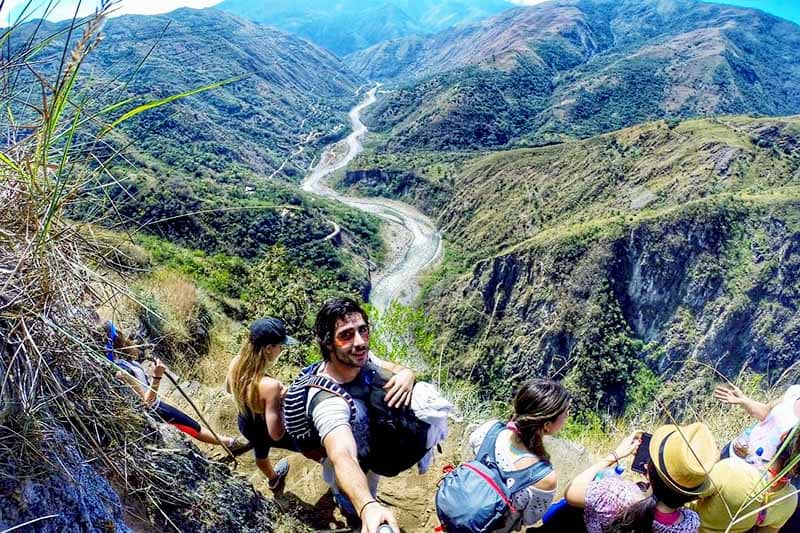
We begin the journey with a private transfer from Cusco to the impressive Cloud Forest. Along the way, we will

explore the archaeological remains of “chullpas” (pre-Inca tombs) in Ninamarca, and the picturesque colonial

village of Paucartambo, where ancient customs are still preserved.

We will ascend to the Acjanaco Pass, the gateway to Manu National Park, and reach the Three Crosses of Gold viewpoint at 3,700 m.a.s.l., to witness one of the most breathtaking sunrises in the world.

We will then descend through a fascinating cloud forest, where you’ll see the majestic gallito de las rocas (Peru’s

national bird) and colorful quetzals, as well as orchids and a rich variety of wildlife. The day ends at  Lodge manu

jungle trips, where you’ll enjoy a delicious dinner. amazon .

Day 2: Navigating the Alto Madre de Dios River – Peruvian Amazon Ayahuasca Experience

After an energizing breakfast, we will board a motorized boat and navigate the Alto Madre de Dios River. During this

peaceful 30-minute ride, you’ll have the opportunity to observe birds, turtles, and lizards basking in the sun along the riverbanks.

Upon arrival at our next destination, Rainforest Lodge, you’ll walk along jungle trails where you’ll discover

tarantulas, giant ants, monkeys, and non-native species of local flora.

In the evening, you can optionally join a night walk to explore the magical world of the Peruvian jungle under the

stars. nigt walk  in amazon rainforest -manu jungl etrips

Day 3: Deep Connection in the Ayahuasca Ceremony – Encounter with the Spirits of the Jungle

This day begins early with an ancient ritual: the Ayahuasca ceremony tour led by a wise jungle shaman. Here,

your connection to the spirit of the jungle will allow you to access new dimensions of wisdom and self-discovery.

Meditation and fasting prior to the ceremony will prepare you for a unique and profound experience.

Later in the day, we will explore the mysterious Machuwasi Lake in traditional balsa rafts, where you may encounter

incredible wildlife such as the prehistoric hoatzin bird, caimans, and tocon monkeys.

Day 4: Visit to the Macaw Clay Lick and Return to Cusco

The day begins with a visit to the spectacular macaw clay lick, an unforgettable natural spectacle. Afterward, enjoy

a delicious breakfast and board the boat to head back to Puerto Atalaya, where a private vehicle will take you back to Cusco, arriving between 6:00 p.m. and 6:30 p.m.

The Ayahuasca Experience: A Transformational Journey

Ayahuasca, regarded as an ancestral medicine, has the power to heal both the body and the mind. By following a

clean diet (mostly fruits and vegetables) before the ceremony, you’ll experience a profound purification that often

leads to emotional and physical healing.

The shaman, with their ancestral wisdom, creates a safe environment for healing and reflection. During the ceremony, chants and prayers connect each participant to the spiritual energy of Ayahuasca, facilitating deep visions and inner clarity.

Where Is the Best Place to Take Ayahuasca Safely and Transformatively? Peruvian Amazon Ayahuasca Experience .

Ayahuasca has captured global attention for its profound healing and spiritual potential. This ancient Amazonian medicine is not just a psychedelic experience—it is a sacred ritual that demands respect, preparation, and a safe environment. For those seeking genuine and guided transformation, choosing the right place to have this experience is not just important—it’s essential. Manu Jungle Trips

Never Take Ayahuasca Without Professional Guidance
Before discussing destinations, it’s vital to be clear: ayahuasca should never be taken without the supervision of experienced facilitators trained in ancestral medicine or integrative psychotherapy. The physical and emotional risks of taking ayahuasca alone or in informal settings can be significant.

That’s why guided, legal retreats with a therapeutic and spiritual approach are the best way to connect with this master plant. Manu Jungle Trips

Peruvian Amazon Ayahuasca Experience – Where Can You Take Ayahuasca Safely?

The best destinations for ayahuasca ceremonies offer a balance of legality, nature, indigenous tradition, and strict safety protocols. Some of the most recognized and recommended places by conscious travelers and spiritual seekers include:

1. Peru: The Heart of Amazonian Medicine
Peru is the world’s epicenter for ayahuasca. In particular, the Amazon rainforest near Iquitos and the Sacred Valley of the Incas (Cusco) are two of the main hubs for spiritual pilgrimage. While Iquitos offers direct connection with traditional shamanic lineages, the Sacred Valley blends Andean energy with modern integration practices.

In Cusco, some retreats near Machu Picchu offer unique experiences, combining ayahuasca with Andean rituals, temazcals (sweat lodges), and integrative therapies. Manu Jungle Trips

2. Costa Rica: Therapeutic Ayahuasca Retreats
Costa Rica has emerged as a key destination for those seeking a more Western or clinical approach. Retreats like Rythmia or Soltara integrate ancestral wisdom with modern psychology and are known for their high safety standards, infrastructure, and personalized care.

3. Portugal: Legal and Open in Europe

Portugal is one of the few European countries where the use of entheogenic plants like ayahuasca is tolerated in spiritual contexts. Ceremonies are conducted by international facilitators with well-defined protocols. It’s an excellent option for those living in Europe who cannot travel to South America. Manu Jungle Trips

Where Did Ayahuasca Originate? Jungle Explorer Ayahuasca
Ayahuasca means “vine of the soul” in Quechua. This sacred brew has been used for centuries by indigenous peoples of the Amazon—especially in Peru, Colombia, Brazil, Bolivia, Ecuador, and Venezuela. Today, its use has spread globally, but its roots remain deeply South American.

Is Ayahuasca Legal in Peru? Peruvian Amazon Ayahuasca Experience

Yes. Ayahuasca is legal in Peru as long as it is consumed in a ritual or spiritual context under the guidance of an experienced maestro or facilitator. It’s common to see both Peruvians and tourists attending ceremonies in organized retreats.

However, personal use outside of this context is not permitted or recommended. Legality and safety depend on the ritual framework, proper preparation, and adequate follow-up. Manu Jungle Trips

What Does Ayahuasca Feel Like? Jungle Explorer Ayahuasca
An ayahuasca ceremony can last between 4 and 8 hours, depending on the preparation and individual metabolism. Effects may include:

  • Visuals (with eyes open or closed)
  • Intense emotional memories
  • Deep physical sensations
  • Emotional release through vomiting (known as “la purga”)
  • Feelings of unity, insight, or forgiveness

Important: Each experience is unique. Some people report profound spiritual revelations, while others confront past traumas that surface for healing. Manu Jungle Trips

How to Prepare for an Ayahuasca Retreat

Preparation is key to a safe and transformative experience. Recommendations include:

  • Pre-retreat diet: No red meat, alcohol, caffeine, or processed foods for at least 5 days prior
  • Avoid psychiatric medications or antidepressants
  • Emotional and spiritual preparation, including meditation, journaling, or therapeutic support
  • Set a clear intention, but release rigid expectations
    Manu Jungle Trips

What Are the Benefits of Ayahuasca?

Various studies and personal accounts have documented potential benefits for conditions such as:

  • Treatment-resistant depression
  • Post-traumatic stress disorder (PTSD)
  • Addictions and substance use disorders
  • Grief, existential anxiety, or identity crises

Note: Ayahuasca is not a “magic cure,” but a powerful tool that requires commitment, guidance, and time to integrate its teachings.

Risks and Contraindications of Ayahuasca
While many find healing, there are also risks, especially if used in unsafe settings or without proper preparation: Manu Jungle Trips

  • Intense hallucinations or confusion
  • Vomiting, diarrhea, or dehydration
  • Psychological crises or panic states
  • Dangerous interactions with certain medications (SSRIs, antidepressants)

For these reasons, it is essential to choose a retreat with a professional health team and responsible participant screening processes.

Why Are More Travelers Choosing Ayahuasca Ceremonies?

Conscious tourism is on the rise. Beyond sun and beaches, more people are seeking experiences that transform how they see the world—and themselves. In this context, ayahuasca has become a powerful calling for those who feel it’s time to heal, reconnect, and awaken.

Conclusion: Where to Take Ayahuasca Safely? Peruvian Amazon Ayahuasca Experience

The best place to take ayahuasca depends on your intention, level of experience, and location. However, Peru, Costa Rica, and Portugal stand out for their infrastructure, legality, and variety of therapeutic approaches.

Choosing mindfully, doing thorough research, and prioritizing safety are key steps on this journey. Ayahuasca is not just a drink; it’s a doorway to yourself. And it deserves to be opened with respect, guidance, and preparation. Manu Jungle Trips

Are you ready to begin this journey?

If you’re considering an ayahuasca retreat, approach it with an open heart — but also with your feet firmly on the ground. Always consult professionals, choose centers with strong reputations, and listen to your intuition. Manu Jungle Trips
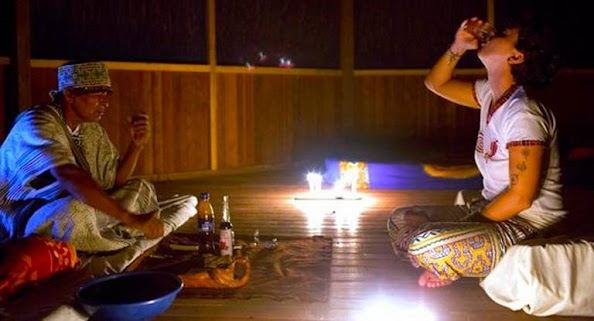
 

Ayahuasca Ceremony in Amazon Peru

Ayahuasca Ceremony in Amazon Peru – An Immersion in Matsigenka Shamanism

Connect with your deepest essence in the rainforest – Ayahuasca Ceremony in Amazon Peru- Do you dare to live an experience that transforms your worldview and connects you with your deepest self. If the answer is yes, then an ayahuasca retreat in the lush  Ayahuasca Amazon rainforest of Peru awaits you. At the heart of this unique ecosystem, the Matsigenka, an indigenous community with centuries of ancestral wisdom, will guide you on a spiritual journey that only the purest nature can offer.

Ayahuasca, known as the “master plant,” is the gateway to a world of inner knowledge, healing, and spiritual connection. The Matsigenka, guardians of this ancestral knowledge, use this powerful plant in their shamanic rituals to guide us towards a transformative experience. This article will take you by the hand through what you can expect on an ayahuasca retreat, immersing you in the fascinating world of shamanism and spiritual practices of the region.

Why Choose an Ayahuasca Retreat in the Peruvian Amazon?

An ayahuasca retreat is not just an escape, it is a deep dive into a mystical world where the jungle whispers its secrets to you. The experience of being surrounded by the majesty of the Amazon, while participating in an ayahuasca ceremony guided by Matsigenka shamans, offers you something unique that you will not find anywhere else.

The Matsigenka have kept their traditions alive throughout the centuries, and through them you can access ancestral knowledge about nature, life and spirit. In their ayahuasca ceremonies, shamanism is not just a practice, but a bridge to deeper dimensions of reality. This type of experience will allow you to:

Awaken new dimensions of consciousness: Explore your mind and spirit with the guidance of expert shamans.
Deep healing: The power of ayahuasca helps release emotional blockages and traumas from the past.
Connection with nature: The sound of the jungle, the shamans’ chants and the vision of sacred beings immerse you in a state of harmony and peace.

What is Ayahuasca? A Deep Journey to Spirituality -Ayahuasca Ceremony in Amazon Peru

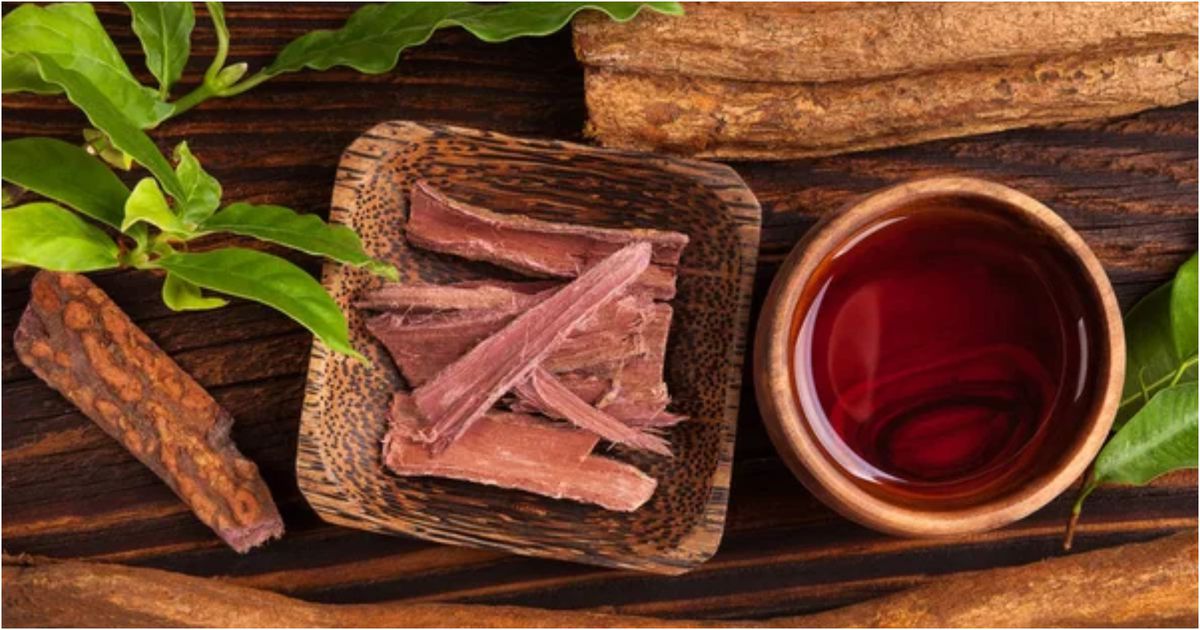
Ayahuasca is more than a plant, it is a portal to the collective unconscious. This psychoactive drink is composed of two key plants: Banisteriopsis caapi, a vine that acts as a psychoactive “bridge”, and the leaves of Psychotria viridis, which contain DMT, a substance that induces intense visions and deep spiritual journeys.

When combined correctly, ayahuasca has the power to unlock parts of our consciousness that usually remain hidden, allowing us to explore the meaning of life, heal emotional wounds, and connect with the spiritual forces of nature. Peruvian manu jungle tree.

Ayahuasca Effects and Purpose: Beyond the Visible in the Ayahuasca Ceremony in Amazon Peru .

Visions and Revelations: Through the powerful visions, participants can experience moments of deep clarity about their life, purpose, and path.
Physical and Spiritual Purging: Purging, often seen as a “cleansing” process, helps to free the body and mind of toxins, emotional blockages, and stagnant energies.
Connection with the Spiritual World: Ayahuasca allows you to establish a direct connection with the spirits of nature, ancestors, and the divine.

The Wisdom of the Matsigenka Shamans at the Ayahuasca Ceremony in Amazon Peru .

The Matsigenka shamans are not just guides; they are guardians of the balance between the physical and spiritual world. With decades, sometimes centuries, of experience in healing and working with sacred plants, they have the deep knowledge of how to accompany participants on their inner journey. Through chants, ceremonies and rituals, the shamans will guide travelers at every step, helping them interpret the visions and teachings that arise during the ceremony. in the Peruvian jungle with manu jungle trips.

A Journey of Healing and Self-Knowledge

The ayahuasca retreat is not only an intense experience, but also a process of healing and self-discovery. Participants come with different expectations: some are looking for answers to existential questions, others want to heal emotional wounds or simply explore the depths of their consciousness. What is certain is that the experience will be unique for each individual, and the teachings of ayahuasca, together with the wisdom of the shamans, will reveal unknown aspects of oneself. -manu jungle trips

What to Expect During an Ayahuasca Retreat in the Amazon?

An ayahuasca retreat in the Peruvian Amazon begins long before you take the sacred drink. Preparation is key: diet, meditation, and a commitment to introspection are essential to entering a state of openness and receptivity. During the ceremony, you will be surrounded by the ancestral chanting of the shamans, the sound of the river, and the echoes of the jungle, creating a magical atmosphere where the spiritual experience deepens.

In each ceremony, the journey with ayahuasca will take you along unpredictable but revealing paths. At the Ayahuasca Ceremony in Peru -It is a transformational process that can change the way you see the world and yourself.

Some of the possible effects : Ayahuasca Ceremony in Amazon Peru

Deep Introspection: You will explore the deepest layers of your being.
Emotional and Physical Healing: The body and mind are purified in the process.
Spiritual Connection: You will establish a direct relationship with nature and the spirits.
Live an Unforgettable Experience in the Peruvian Jungle
Ayahuasca retreats in the Peruvian Amazon are not just an adventure, they are an immersion in an ancestral tradition that will take you to a new level of consciousness. Dive into the depths of the jungle, join the wise Matsigenka shamans and open your heart and mind to the powerful teachings of ayahuasca. The jungle awaits you, and with it, a transformative experience that could change your life forever.

Discover Matsigenka Shamanism: Ayahuasca Retreats in the Ayahuasca Ceremony in Amazon Peru

An Unparalleled Spiritual Journey Guided by the Wise Matsigenka Shamans

Would you like to explore the deepest secrets of your being while immersing yourself in one of the most ancient cultures in the world? Ayahuasca retreats in the Peruvian jungle, guided by Matsigenka shamans, offer a unique opportunity to connect with the divine, heal the soul and live a transformative experience that you will not find anywhere else. Delve into the fascinating world of Matsigenka shamanism and discover how this ancient ritual can change your life.

Ayahuasca Ceremony in Amazon Peru – Who Are the Matsigenka Shamans?

In the heart of the Peruvian Amazon, the Matsigenka are the guardians of an ancestral wisdom that has endured for centuries. In their culture, the shaman, known as seripí’gari, is not only a healer, but a being who maintains the balance between the physical and spiritual world. The seripí’gari are spiritual guides who use ayahuasca to connect with the spirits of nature, ancestors and divine forces.

The Shaman’s Role in Ceremonies

The shaman plays an essential role during ayahuasca ceremonies. His voice and chants

become the guiding thread that connects participants to the spiritual dimension. As the effects of

ayahuasca begin to take effect, the shaman acts as an intermediary, guiding participants through visions, healing, and moments of personal revelation.

The Path to Becoming a Shaman: A Process of Wisdom and Discipline

Becoming a seripí’gari is not an easy path. Shaman apprentices, known as iro’gamere, must

undergo an intense training that lasts between three and five months. During this time, the future shaman follows

a rigorous diet, eliminating foods and habits that may interfere with his spiritual connection, such as pork,

alcohol, and sexual relations. In addition, he undergoes a deep process of regular ingestion of

ayahuasca, which allows him to come into direct contact with the spirits and ancestral knowledge.

This process, marked by sacrifice and discipline, is what transforms the iro’gamere into wise shamans who, in turn, will guide others on their path to self-transformation. Manu jungle trips

The Ayahuasca Ceremony in Amazon Peru A Journey into the Deep Self

Ayahuasca ceremonies with the Matsigenka are spiritual events that take place at night,

under the protective cover of the jungle. These ceremonies can last up to five hours and are a unique experience

that transcends the physical. The shaman not only consumes the sacred drink with the participants, but guides them

through chants, humming, and visions that take those present to a dimension of deep wisdom and personal revelation.

The Ritual: Purification and Healing

The ceremony begins with the preparation of the ayahuasca by the shaman, who carefully distributes it

among the participants. As the brew takes effect, the shaman’s chants fill the

space, helping each person to open their mind and heart. Visions can be intense and liberating, and

some participants experience a deep purge, both physically and emotionally. The experience is not only

a form of individual healing, but also a powerful tool for strengthening the community.

What to Expect from an Ayahuasca Retreat in the Peruvian Amazon

Participating in an ayahuasca retreat is much more than a physical trip to the jungle. It is a deep dive into a

process of personal and spiritual transformation. Here we tell you everything you need to know to prepare and

make the most of this unique experience.

Preparations Before the Retreat For the Ayahuasca Peru Ceremony.

Preparation for an ayahuasca retreat begins long before arriving in the jungle. Participants must

follow a specific diet during the days leading up to the retreat, recommended by the shamans. This diet restricts

certain foods and habits, such as sugar, salt, pork, and alcohol. Additionally, it is recommended

to abstain from sexual relations. This purification process prepares both the body and mind for the

ayahuasca experience, helping to maximize the effects of the plant and allow for a deeper

connection with the spiritual world. amazonica rainforest manu jungle .

The Ayhuasca Ceremony in Peru – During the Retreat: A Collective Journey

A typical ayahuasca retreat in the Peruvian Amazon can last between a week and a month, depending on the

program. Participants stay in a maloca, a traditional communal house, where the ceremonies

take place. Each night, the shaman guides participants through the ingestion of ayahuasca, using his

chant and energy to raise the consciousness of those present.

The ceremonies are collective, which creates a space for shared healing. Over the course of several sessions, participants

may experience different visions, emotions, and healing processes. The natural surroundings, the

vibrant jungle and the mystical atmosphere make each ceremony unique, offering an immersive experience

that will connect you with the very essence of life. amazonia manu jungle trips

Experiences and Benefits: A Profound Transformation

The experience with ayahuasca varies for each person, but the most common benefits include:

Visions and Revelations: Participants can receive spiritual, personal, and universal teachings during the ceremony.

Emotional Healing: Ayahuasca can help release past traumas, offering a new perspective on life.

Connection with Nature: Many participants report a deep sense of oneness with the universe and nature.

Increased Mental Clarity: After the ceremonies, many find renewed mental clarity and purpose in their lives.

The Cultural and Spiritual Significance of Ayahuasca for the Matsigenka

Ayahuasca is not only a medicinal tool, but a key to accessing the spiritual world. It is a means

to balance the body, mind, and soul. Shamanic practice not only facilitates individual healing, but

is also an act of transmitting ancestral knowledge that has been passed down from generation to

generation. In their ceremonies, the Seripí’gari transmit ancestral wisdom, help maintain harmony in the community and allow the connection with the spiritual world to remain alive.

An Unforgettable Journey in the Peruvian Jungle

If you are looking for an experience that will transform your life and connect you with something bigger than yourself, an

ayahuasca retreat with the Matsigenka is the opportunity you have been waiting for. Explore the unknown,

free your soul and live a unique spiritual experience under the guidance of the wisest shamans of the Peruvian Amazon.

Are you ready to take the next step on your spiritual path? The Peruvian jungle awaits you, and with it, an experience that will change your life forever. Dare to travel to the depths of your being and awaken the wisdom you carry within.

Deep Connection with Nature: Ayahuasca and Matsigenka Shamanism

A Spiritual Adventure that Transcends the Limits of the Physical World

Imagine entering the Amazon jungle, where the sound of nature becomes a deep whisper

of ancestral wisdom. Ayahuasca, in its purest essence, is not only a sacred plant, but a vehicle

towards a deep connection with the earth, the spirits and the elements that inhabit it. In the ayahuasca retreats

guided by the Matsigenka shamans, you will experience an unparalleled spiritual journey, in which nature itself

becomes a teacher. of the magical jungle manu jungle

The Matsigenka Worldview: Nature as a Living and Conscious Being

For the Matsigenka, the beings of the jungle are not simple elements of the landscape; they are living entities with which a relationship of respect and constant communication is

established. Animals, plants, rivers, and mountains

are imbued with spirits that are an integral part of the spiritual world. In their worldview, nature

is conscious, and the shaman acts as a mediator between humans and these guardian spirits.

During ayahuasca ceremonies, shamans not only connect with the spiritual world, but invoke

the wisdom of nature itself, opening doors to visions that reveal the mysteries of the universe. The

participant, in turn, is guided on his inner journey by the spirits of the jungle, learning to recognize the

interconnection between all life forms. manu jungle

A Unique Spiritual Journey: Ayahuasca Retreats with Matsigenka Shamans

Now that you have a better understanding of what an ayahuasca retreat entails, we invite you to embark on

a transcendental journey with manu jungle trips . Guided by the revered Matsigenka shamans of Peru, we

offer you the opportunity to live a profound spiritual experience, surrounded by the majesty of the Amazon jungle manu jungle trips.

Expert Ayausca Ceremony Guides: Our Matsigenka shamans have years of experience in guiding

ayahuasca ceremonies. Their ancestral wisdom will take you on a spiritual journey of self-knowledge and deep healing.


Wildlife of Manu Park

Manu Biosphere Reserve: Discover the Wildlife, Rainforest and Culture of the Peruvian Amazon

The Wildlife of Manu Park is one of Peru’s most extraordinary natural destinations, offering an unforgettable journey from the Andes to the Amazon rainforest. Located in southeastern Peru, across the regions of Cusco and Madre de Dios, Manu is renowned for its remarkable biodiversity, spectacular landscapes and rich cultural heritage.

Recognized by UNESCO in 1977, the reserve protects an extraordinary range of environments, from high-altitude grasslands and mist-covered cloud forests to tropical lowland rainforest. These interconnected ecosystems support an exceptional variety of wildlife, including colorful macaws, monkeys, giant otters, caimans, tapirs and the elusive jaguar.

For travelers seeking an authentic Amazon adventure, Manu wildlife tours offer an opportunity to experience nature away from crowded destinations. Guided forest walks, river excursions, birdwatching and wildlife observation introduce visitors to the remarkable complexity of the Peruvian rainforest. Tambopata Research Center

Whether you are a nature enthusiast, photographer, birdwatcher or adventurous traveler, Manu offers an experience that combines discovery, conservation and respect for the natural world.

1. What Is the Manu Biosphere Reserve?

The Manu Biosphere Reserve is a protected natural and cultural landscape in southeastern Peru. It is part of the UNESCO Man and the Biosphere Programme, which promotes the conservation of biodiversity alongside sustainable relationships between people and their environment.

The reserve extends from the Andean highlands into the Amazon basin, creating a remarkable transition between different climates, elevations and habitats. This variation explains why Manu is considered one of the most biologically diverse regions in the world.

The wider biosphere reserve includes protected natural areas, surrounding landscapes and places where local communities live and work. Manu National Park forms its core conservation area and received UNESCO World Heritage recognition in 1987.

The distinction matters when planning a visit. The Manu Biosphere Reserve is the wider region, while Manu National Park is a specific protected area within it. Tourism access is regulated, and visitors must follow the rules that apply to their chosen destination. Amazon jungle of Peru.

For travelers, this means that a trip to Manu is not simply a conventional jungle excursion. It is an opportunity to explore a landscape where conservation, wildlife and human history are closely connected.

2. Wildlife of Manu Park : A Sanctuary of Amazon Wildlife

Manu National Park is the ecological heart of the region. Its protected forests, rivers, oxbow lakes and remote wilderness provide habitat for an extraordinary range of plants and animals.

The park extends across a vast area between Cusco and Madre de Dios. Its geographical diversity allows species adapted to different elevations and environmental conditions to thrive within the same protected landscape.

Visitors exploring authorized tourist sectors may encounter monkeys moving through the canopy, macaws gathering near clay licks, caimans resting along riverbanks and countless insects and birds inhabiting the forest.

Wildlife observation in Manu requires patience. Animals follow natural patterns, and sightings depend on weather, season, habitat and luck. A knowledgeable local guide can help visitors recognize animal calls, identify tracks and understand the ecological relationships that make the rainforest so fascinating.

Because access is controlled, travelers should choose an itinerary that matches their interests, available time and preferred level of comfort.

3. The Incredible Wildlife of Manu Park

One of the main reasons travelers visit the Manu Amazon rainforest is its exceptional variety of wildlife. The reserve contains habitats that support mammals, birds, reptiles, amphibians, fish and countless invertebrates.

Although no wildlife sighting can be guaranteed, exploring Manu with an experienced guide provides opportunities to learn about its best-known species.

Jaguars: The Elusive King of the Amazon : The jaguar is one of South America’s most iconic predators. This powerful feline inhabits large areas of tropical forest and may travel along riverbanks and other natural corridors while searching for prey.

In Manu, jaguars remain elusive because they are naturally secretive and often avoid people. Travelers may occasionally spot one along a river or discover signs of its presence, but seeing a jaguar should never be considered guaranteed.

The possibility of encountering this remarkable animal adds excitement to wildlife expeditions and highlights the importance of preserving large, connected forest habitats.

Giant Otters: Life on the Amazonian Lakes : Giant otters are among the most fascinating mammals of the Amazon. These social animals live in family groups and depend on healthy waterways with sufficient fish and suitable places to rest and raise their young.

Manu’s oxbow lakes, locally known as cochas, are important habitats for aquatic wildlife. Depending on the itinerary and current conditions, visitors may have opportunities to observe giant otters swimming, fishing or interacting with other members of their group.

Watching these animals in their natural environment offers a memorable introduction to the biodiversity of the Peruvian Amazon.

Monkeys: The Acrobats of the Rainforest : Manu’s forests are home to numerous primate species. Depending on the location, visitors may encounter capuchin monkeys, squirrel monkeys, howler monkeys and spider monkeys.

Some species travel through the treetops in active groups, while others spend more time feeding or resting among the branches. Their calls can often be heard before the animals become visible.

A guided jungle walk helps travelers recognize these sounds and understand the different roles monkeys play in the forest, particularly in seed dispersal and the regeneration of vegetation.

Macaws and Other Colorful Birds : Birdwatching is one of the most rewarding activities in Manu. The reserve is particularly famous for its colorful macaws, which may gather at mineral-rich clay licks.

These natural gathering places attract birds seeking minerals from exposed riverbank soils. Watching macaws arrive, interact and take flight provides excellent opportunities for nature photography.

Other notable birds include toucans, parrots, hummingbirds, kingfishers and the Andean cock-of-the-rock, which is associated with the region’s cloud forests.

With patience and binoculars, visitors can discover many species that might otherwise remain unnoticed in the dense vegetation. Rainforest Expeditions

Tapirs, Caimans and Other Rainforest Animals

The wildlife of Manu extends far beyond its most famous mammals and birds.

Tapirs forage on forest vegetation and help disperse seeds. Caimans inhabit rivers, lagoons and other aquatic environments. Frogs, lizards, snakes, butterflies and other invertebrates contribute to the intricate ecological balance of the rainforest.

Even a short walk can reveal fascinating details, from leaf-cutter ants transporting vegetation to brightly colored butterflies resting on muddy trails.

Every encounter offers a reminder that the rainforest is a complex living system, not simply a collection of large and easily photographed animals.

4. Manu’s Remarkable Ecosystems: From the Andes to the Wildlife of Manu Park .

The extraordinary biodiversity of the Manu Biosphere Reserve is closely related to its variation in altitude and climate. As the land descends from the Andes toward the Amazon basin, the environment changes dramatically.

Andean Highlands and Mountain Landscapes :  The higher elevations feature cool conditions, open grasslands and dramatic mountain scenery. These landscapes contrast sharply with the humid lowlands and support plants and animals adapted to colder temperatures.

The highlands also offer opportunities to appreciate the geographical scale of Manu and understand how water and climate connect the Andes with the Amazon.

Cloud Forests: A World of Mist and Greenery : Cloud forests occupy the transition between the mountains and tropical lowlands. Moist air, frequent mist and abundant rainfall create ideal conditions for mosses, ferns, bromeliads and orchids.

These forests are also important habitats for birds and mammals, including the Andean cock-of-the-rock and the spectacled bear.

Walking through a cloud forest feels different from exploring the lowland jungle. Trees are often covered with epiphytes, visibility may change quickly with the mist, and the sounds of birds and flowing water create a distinctive atmosphere.

Tropical Lowland Rainforest : The lowland rainforest is characterized by warm temperatures, high humidity, towering trees and dense vegetation. It supports a tremendous variety of wildlife and is one of the principal attractions for visitors interested in Amazon wildlife.

Forest trails, river excursions and observation points offer different ways to experience this environment.

The canopy, understory and forest floor each contain different communities of plants and animals, making the rainforest a fascinating destination for both casual travelers and serious naturalists.

Rivers, Oxbow Lakes and Wetlands : Rivers connect many of Manu’s habitats and provide important routes for wildlife movement and human travel. Oxbow lakes and wetlands support aquatic species, birds and mammals that depend on freshwater ecosystems.

Boat trips can reveal river turtles, waterbirds and caimans, while selected lakes may provide opportunities to observe giant otters.

These environments also demonstrate why clean water and intact riverbanks are essential for long-term conservation.

5. Flora of  Wildlife of Manu Park : Ancient Trees and Extraordinary Plants

The plant life of Manu is just as impressive as its wildlife. The reserve contains an immense variety of trees, palms, vines, orchids, ferns and other vegetation, with different species adapted to each habitat.

Towering rainforest trees create a layered canopy that regulates light and temperature beneath it. Their trunks and branches provide shelter for insects, birds and mammals, while their roots help stabilize the soil.

Palm species thrive in suitable wetland and forest environments. Orchids and bromeliads grow in humid habitats, often using trees as support rather than drawing nutrients directly from them. Ferns, mosses and fungi flourish in shaded areas where moisture remains abundant.

Some plants provide fruits and seeds consumed by wildlife, while others contribute to soil fertility, water regulation and forest regeneration.

Learning about these relationships makes a guided jungle walk much more meaningful. Instead of seeing only a wall of green vegetation, visitors begin to understand how individual plants support the wider rainforest ecosystem. peru bird

6. Culture and Indigenous Communities in Wildlife of Manu Park.

The Manu Biosphere Reserve is also a living cultural landscape. Indigenous peoples and local communities have long-standing relationships with the forests, rivers and surrounding territories.

Communities associated with the wider region include Matsigenka, Yine, Harakbut and Quechua peoples. Their histories, languages, knowledge and livelihoods reflect the diversity of southeastern Peru.

Traditional ecological knowledge can offer valuable insights into local plants, seasonal changes, wildlife behavior and the practical use of forest resources. At the same time, each community has its own identity and relationship with its territory.

Travelers should approach cultural experiences with respect. Visits to communities should take place only where they are appropriate and authorized, and visitors should follow local guidance about photography, customs and participation in activities.

It is also important to recognize that some Indigenous peoples in the region live in voluntary isolation or have limited contact with outsiders. Their territories and right to remain undisturbed must be respected.

Responsible tourism should never involve attempting to locate isolated peoples or entering restricted areas. Instead, travelers can support appropriate community-led experiences and locally operated services where these are available.

7. What Can You Do on a Manu Jungle Tour?

A Manu jungle tour can combine wildlife observation, rainforest exploration, river travel and environmental education. Activities depend on the itinerary, the authorized area visited and the time available.
Guided Jungle Walks

Walking through the rainforest with a knowledgeable guide allows visitors to discover plants, insects, birds and animal signs that are easy to overlook.

Guides can explain how different species interact, identify medicinal plants where appropriate and interpret the sounds of the forest. Walking pace is generally adjusted to the conditions and the interests of the group.

Birdwatching and Wildlife Photography : Manu is an outstanding destination for birdwatchers and wildlife photographers. Early mornings are often productive for observing birds, although activity varies with weather and location.

Binoculars, a camera with a suitable zoom lens and patience can improve the experience. Visitors should avoid using playback calls or approaching nests in ways that could disturb wildlife.

Boat Excursions : River journeys provide access to landscapes that are difficult to reach on foot. During an excursion, visitors may observe waterbirds, turtles, caimans and other animals along the riverbanks.

The scenery itself is a major attraction, with forested shores, changing light and the sounds of the Amazon surrounding the boat.

Oxbow Lake Exploration : Selected oxbow lakes are important places for observing aquatic wildlife. Depending on the lake and conditions, visitors may have opportunities to see giant otters and a variety of birds.

Access and activities must follow local conservation regulations and the itinerary arranged by the operator.
Cloud Forest Exploration

Some Manu itineraries pass through the cloud forests along the route from the Andes toward the lowland rainforest. These areas offer a completely different perspective on the region’s biodiversity.

Travelers may look for orchids, hummingbirds and the Andean cock-of-the-rock while enjoying cooler temperatures and mist-covered vegetation.

8. When Is the Best Time to Visit Wildlife of Manu Park?

The best time to visit the Manu Biosphere Reserve depends on your priorities, travel route and tolerance for rain.

The relatively drier months, generally from May to October, are popular with travelers because reduced rainfall can make some outdoor activities and transport arrangements easier. However, conditions vary across the reserve, and rain can occur at any time of year.

Dry Season: May to October : The drier season is often a good choice for travelers planning jungle walks, birdwatching and boat excursions.

Potential advantages include fewer prolonged periods of heavy rainfall and more convenient conditions on some routes. June through August can be particularly popular, so booking early is advisable.

Remember that the dry season does not mean that the entire rainforest becomes dry. Manu remains a humid tropical destination, and weather conditions can change quickly.

Rainy Season: November to April : The wetter months bring frequent rainfall and lush vegetation. Rivers and forest conditions can change, and heavy rain may affect road journeys, boat schedules and some outdoor activities.

Nevertheless, the rainy season can also be appealing to travelers who enjoy a greener landscape and are comfortable with flexible plans.

Before choosing your travel dates, discuss current conditions, route accessibility and suitable clothing with your tour operator.

9. How to Get to the Manu Biosphere Reserve

Planning a trip to Manu requires more preparation than visiting many easily accessible Amazon destinations. Routes vary depending on the area you intend to explore.

Traveling from Cusco : Travelers starting in Cusco can journey through the Andean landscapes of Paucartambo and descend through the cloud forests toward the tropical lowlands.

Depending on the itinerary, the journey may include road transport, overnight stays and river travel. Travel times vary with road conditions, weather and the final destination.

This route is especially attractive to visitors who want to experience the transition from high-altitude scenery to the Amazon rainforest.

Traveling from Puerto Maldonado : Some itineraries approach Manu from the Madre de Dios region, with combinations of road and boat travel depending on the selected sector.

The most suitable route depends on the authorized access points, the lodge or accommodation arrangements and the duration of the trip.

Before booking, confirm transport inclusions, departure times, overnight arrangements and the return schedule.

Choose an Appropriate Itinerary : Manu is a large and ecologically diverse region. A short trip may focus on accessible areas and selected habitats, while a longer expedition can allow more time for lowland rainforest exploration.

Ask your operator which areas are included, what wildlife activities are realistic, how much time is spent traveling and whether permits and park-entry arrangements are covered.

10. Where to Stay During a Wildlife of Manu Park .

Accommodation options depend on the route and the protected area you plan to visit.

Travelers may stay in lodges, designated visitor facilities or accommodation in communities and surrounding areas, depending on the itinerary and applicable regulations.

Some jungle lodges emphasize wildlife observation and guided walks. Others focus on comfort, educational activities or access to particular habitats.

When comparing options, consider:

  • Location and travel time to wildlife-viewing areas.
  • Included meals, transport and guided excursions.
  • Room facilities and access to electricity or charging points.
  • Group size and the experience of the guides.
  • Conservation practices and relationships with local communities.
  • Whether the itinerary complies with the relevant protected-area regulations.

Manu National Park has strict conservation rules, so do not assume that accommodation or unrestricted tourism is available throughout the park. Confirm the exact location and authorized activities before booking.

11. Practical Tips for Planning Your Manu Amazon Adventure

A little preparation can make your experience more comfortable and enjoyable.

Pack suitable clothing. Lightweight, breathable, quick-drying clothes are useful in the humid lowlands. Bring long sleeves and long trousers for forest walks, along with a light rain jacket.

Choose suitable footwear. Comfortable walking shoes or hiking boots with good grip are useful on muddy and uneven trails.

Bring insect repellent and sun protection. A hat, sunscreen and suitable repellent can help you prepare for changing conditions.

Carry binoculars. These are especially valuable for birdwatching and observing animals without approaching them.

Protect your equipment. Waterproof bags or dry bags help protect cameras, phones and other valuables from rain and humidity.

Follow health advice. Consult a qualified healthcare professional or travel clinic well before departure about recommended vaccinations, malaria prevention and other health precautions relevant to your itinerary.

Plan for limited connectivity. Some remote areas have unreliable mobile coverage, so prepare important travel information in advance.

Stay flexible. Wildlife observation depends on natural conditions, and rain or transport changes can affect the schedule.

Choose an authorized operator. Verify that your tour provider meets the requirements for the protected area and route you intend to visit.

12. Responsible Tourism and Conservation in Wildlife of Manu Park .

The beauty of the Manu Biosphere Reserve depends on protecting its forests, rivers, wildlife and cultural heritage.

Responsible travelers can contribute by following park rules, respecting wildlife and supporting appropriate local services.

Stay on authorized trails, keep a safe distance from animals and never feed wildlife. Avoid loud noises, flash photography when inappropriate and any behavior that interferes with natural animal activity.

Carry reusable water bottles where practical, minimize disposable plastics and take all rubbish out of natural areas. Follow your guide’s instructions, especially near rivers, wildlife observation sites and restricted zones.

Respect Indigenous rights and community preferences. Ask permission before taking photographs of people, and never attempt to visit isolated communities or restricted territories.

Whenever possible, choose tourism providers that employ qualified local guides, explain their conservation practices and demonstrate respect for the places they visit.

Every responsible decision helps support the long-term protection of Manu’s natural and cultural heritage.

New Inca Jungle Trek 5 days

New Inca Jungle Trek 5 days

Explore the Ultimate New Inca Jungle Trek: A Journey to Machu Picchu and Beyond

Embark on the world-renowned Inca Trail to Machu Picchu, Peru’s most iconic and sought-after trek. Known as the #1 trail in the world, this incredible journey spans 5 days and offers a perfect mix of adventure, rich history, and awe-inspiring natural beauty. Trek across ancient Inca pathways, explore historical ruins, and be captivated by the stunning landscapes of the Machu Picchu National Park. Securing a ticket to this unforgettable experience requires advanced planning, as the route is strictly regulated to preserve its heritage.

For an even more immersive experience,  combines the classic Inca Trail with the exciting Inca Jungle Trek, creating a unique, action-packed adventure that no one should miss. As pioneers in the field, we offer the best experience and hold the exclusive permits to take you on this journey—something that only local agencies in Cusco can provide. Learn more about this exceptional adventure below.

Itinerary Overview

Day 1:  New Inca Jungle Trek Cusco – Abra Málaga – Santa Maria (Biking & Rafting)

Our adventure begins early with a 6:00 a.m. pick-up from Cusco, heading toward the Sacred Valley of the Incas. After a hearty breakfast, we reach the Malaga Pass (4,350 meters above sea level), where our biking journey begins. Descend through 55 km of picturesque roads, transitioning from the cold highlands to the tropical warmth of the jungle. After 2.5 hours of cycling, we’ll arrive in Santa Maria (1,200 meters), where we’ll enjoy a local lunch. TOUR MACAW CLAY LICK TAMBOPATA 

In the afternoon, for an adrenaline rush, opt for rafting on the Vilcanota River, navigating thrilling rapids (US$40 per person). Stay overnight in the cozy Bella Victoria Lodge, supporting local communities in this reactivation of 2023.

Day 2: New Inca Jungle Trek  Santa Maria – Lucmabamba – Llactapata (Zip Line & Hiking)

Start with a delicious breakfast before taking a scenic 1.5-hour drive to Lucmabamba, where you’ll experience coffee cultivation and enjoy a thrilling Zip Line ride (US$40). Afterward, we’ll hike the ancient Inca Trail for 3 hours, passing lush flora and fauna. Reach Llactapata for magnificent views of Machu Picchu and the Salkantay snow-capped mountain. Rest and enjoy dinner at a local lodge. Inka jungle trips

Day 3: New Inca Jungle Trek Llactapata – Hidroelectrica – Aguas Calientes (Trekking)

Our day begins with a 3-hour descent to the Hidroelectrica station, the entrance to Machu Picchu National Park. From here, we’ll trek to Aguas Calientes, enjoying scenic views of the surrounding mountains and the chance to visit the Intihuatana archaeological site. After a delicious lunch with local families, we’ll make our way to Aguas Calientes, where we’ll stay overnight.

Day 4: Aguas Calientes – Km 104 – Wiñayhuayna – Intipunku – Machu Picchu

Start with a transfer to Km 104, where our trek continues through Chachabamba and Wiñay Wayna, significant archaeological sites along the way. After a scenic hike, we’ll reach Intipunku, the Sun Gate, offering breathtaking views of Machu Picchu. After exploring this iconic site, we’ll descend to the citadel for a sunset experience. Return to Aguas Calientes for dinner and rest in preparation for the following day. Reserva Lago Sandoval Tour

Day 5: Machu Picchu

Begin your day with the option to hike up or take the bus (US$12) to the majestic Machu Picchu. Your guide will lead you through the sacred site, revealing its hidden secrets and iconic temples like the Temple of the Sun and Temple of the Three Windows. For those who booked in advance, enjoy an optional hike to Huayna Picchu or Machu Picchu Mountain (US$60, limited spaces). Finish your day exploring, meditating, and taking in the spiritual energy of this magnificent ancient wonder. Return to Aguas Calientes and take the train back to Cusco.  Manu Reserved  Zone 

A Once-in-a-Lifetime Adventure

This exhilarating trek blends the best of history, culture, and nature, creating an experience that promises unforgettable memories. Join Lorenzo Expeditions, and let us take you on a journey like no other, with expert guides and exclusive permits that ensure you have access to the most breathtaking and secluded areas of Peru.

Inca Jungle Tour: Total Adventure from the Andes to the Jungle on the Way to Machu Picchu

The Inca Jungle Tour is one of the most exciting and comprehensive ways to reach Machu Picchu. This experience combines adrenaline, nature, history, and culture in a single tour that stretches from the high Andes Mountains to the humid heat of the Amazon rainforest.

Get ready to discover the region’s best-kept secrets while enjoying exciting activities from day one. During this journey, you’ll immerse yourself in spectacular landscapes, hike ancient Inca trails, and meet local communities that still preserve their traditions.

What makes the Inca Jungle Tour unique?

What distinguishes the Inca Jungle Tour from other routes to Machu Picchu is its multi-sport adventure approach. Here you won’t just hike: you’ll live extreme and varied experiences, surrounded by vibrant nature that will be your companion throughout the journey.

This tour includes  New Inca Jungle Trek :

  •  Mountain biking from snowy passes into the jungle,
  •  Rafting on tropical rivers (optional, depending on the season),
  •  Trekking along ancient trails surrounded by flora and fauna,
  •  Ziplining over verdant valleys,
  •  And finally, the hike to Machu Picchu, the jewel of the Andes.
  • A trip that has it all: nature, excitement, and culture.

From day one, you’ll feel the adrenaline rush as you descend from the Málaga Pass (4,316 m above sea level) on your bike, deep into the jungle, where the climate becomes warmer and more humid, and the vegetation becomes denser.


Sacred Valley – Maras Moray 1 Day

Sacred Valley – Maras Moray 1 Day

Complete Itinerary: Sacred Valley + Maras and Moray Tour | An Unforgettable Cultural Adventure from Cusco

Sacred Valley – Maras and Moray 1 Day: Imagine walking among circular Inca terraces, discovering ancient agricultural methods, and exploring pre-Inca salt mines all in one day. This tour to the Sacred Valley + Maras and Moray is an unforgettable experience for travelers who want to experience the best of the Inca legacy in a stunning natural setting. Machupicchu Tour

6:20 a.m. – 7:00 a.m. | Pickup from your hotel in Cusco

We begin our adventure early. Our team will pick you up at your accommodation between 6:20 and 7:00 a.m. Make sure you have a good breakfast and wear comfortable clothes: a day full of history, spectacular landscapes, and authentic experiences awaits you. Trekking Tour Waqrapukara

7:50 a.m. | Visit to the Chinchero Archaeological and Textile Center

Our first stop is Chinchero, a charming Andean town that preserves original Inca structures and a strong cultural identity.

Duration: Approx. 25 minutes. Sacred Valley – Maras Moray.

What you’ll see:

  • Inca agricultural terraces
    Colonial church built on Inca foundations
    Artisanal weaving workshops

Cultural bonus: You’ll learn about ancient Andean weaving techniques using natural dyes. Ideal for purchasing authentic textiles directly from the artisans. Tour  al Manu

9:30 a.m. | Maras Salt Mines: The Ancient White Treasure

Next, we visit the impressive Maras Salt Mines, a system of more than 3,000 salt pools located on the mountainside.

Location: Maras Valley, 3,300 m above sea level

Duration: Approx. 30 minutes

Highlights:

  • Ancestral salt extraction process
  • Andean pink salt tasting
  • Opportunity to purchase unique local products
  • Ideal for landscape photography – Rainbow Mountain Tour

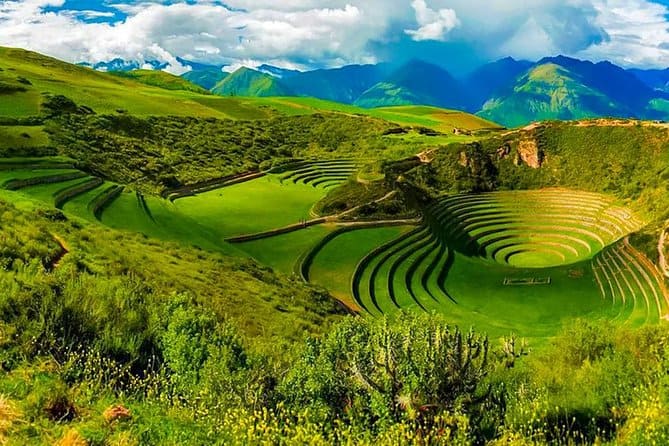
11:00 a.m. | Moray: The Inca Agricultural Laboratory

Get ready to discover one of the best-kept secrets of the Inca Empire: Moray.

What is Moray: A set of circular agricultural terraces used by the Incas as a center for agricultural experimentation.

Did you know? Each level of the terraces creates a different microclimate, allowing for the cultivation of more than 250 plant species.

Duration of tour: Approx. 30 minutes

Panoramic view: Ideal for taking unique photos

12:00 p.m. | Buffet Lunch in Urubamba

After an intense morning, we head to the heart of the Sacred Valley:

Urubamba, to enjoy a varied buffet lunch with typical Andean dishes.

Duration: Approximately 40 minutes

Premium Option: Lunch at the renowned “Tunupa” restaurant (upgrade available).

1:30 p.m. | Ollantaytambo: Fortress and Living City Sacred Valley – Maras Moray

We arrive at one of Peru’s most impressive archaeological sites: Ollantaytambo, a city that still preserves its original Inca urban layout. Waqrapukara Tour

What you’ll see:

  • Sacred temples and agricultural terraces
    Monumental staircases with incredible views
    Military, religious, and administrative history of the site

Duration: Approximately 1 hour

Tip: If you can, climb to the top for an unforgettable view of the valley!

4:00 p.m. | Pisaq: Smart Agriculture and Inca Architecture

We close the tour with a flourish in Pisaq, famous for its perfectly designed agricultural terraces and Inca irrigation system.

Visit Options:

  • Interior tour of the ruins, time permitting
    Stop at Pisaq’s panoramic viewpoint

Optional extra: Visit a local artisan silversmith, ideal for taking home a unique, handmade souvenir.

7:00 p.m. | Return to Cusco’s Historic Center

Around 7:00 p.m., we’ll be back in Cusco, near the Plaza de Armas, where our trip ends, but your most memorable memories begin.

  • Why choose this Sacred Valley + Sacred Valley – Maras Moray 1-Day Tour?
  • Visit 5 essential archaeological sites in a single day.
  • Authentic cultural experience (textiles, salt, gastronomy).
  • Professional guides in Spanish and English.
  • Comfortable transportation to and from your hotel.
  • Ideal for travelers who are short on time but want to see EVERYTHING.

Lake Sandoval Tour.

Discover the best of the Sacred Valley of the Incas on a full-day tour that includes Chinchero, Maras, Moray, Ollantaytambo, and Pisaq. Culture, history, landscapes, and authentic experiences from Cusco.

Tarjetas y métodos de pago aceptados - Visa, MasterCard, PayPal