¿WHAT WE EXPECT?
The Manu Cultural Zone VS Reserved Zone Whats the Difference
Reserved Zone
Access: Restricted (permits + authorized guide required)
Experience: Deep, untouched rainforest
Activities: Advanced wildlife exploration, remote expeditions
Comfort: Rustic accommodations, minimal infrastructure
Best for: Nature enthusiasts, photographers, researchers
This zone offers a more pristine and immersive experience, with higher chances of spotting rare wildlife.



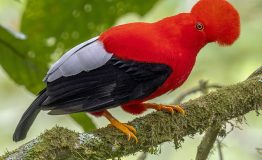

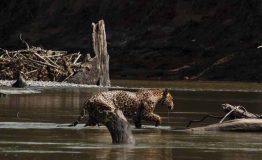
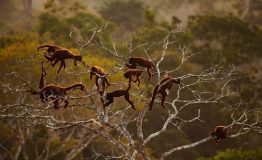
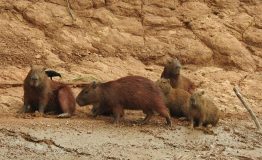


The Manu Cultural Zone VS Reserved Zone Whats the Difference
Key Difference (Simple)
Cultural Zone → Accessible, cultural, easier
Reserved Zone → Remote, protected, more wild
Which should you choose?
- Choose Cultural Zone if you want comfort + accessibility
- Choose Reserved Zone if you want a true expedition into untouched jungle
DETAILED TOUR ITINERARY:
The Manu Cultural Zone VS Reserved Zone Whats the Difference
Manu National Park: Discover the Heart of the Peruvian Amazon The Manu Cultural Zone VS Reserved Zone Whats the Difference.
The Manu National Park welcomes you to the true heart of the Peruvian Amazon. Covering more than 17,000 km², this vast природный sanctuary is divided into two main areas: the Manu Cultural Zone and the Manu Reserved Zone.
Each zone offers a distinct experience, allowing travelers to choose between cultural immersion and глубокая ecological exploration. PERUVIAN AMAZON
Understanding the differences between these zones is essential for planning your journey and making the most of your adventure in one of the most biodiverse places on Earth.
Manu Cultural Zone vs. Reserved Zone: Key Differences
Manu Cultural Zone: Accessibility and Cultural Immersion
To begin with, the Manu Cultural Zone is the most accessible area of the park. Because it has fewer restrictions, it welcomes a greater number of visitors and offers a balanced combination of nature and culture.
Here, travelers can:
Explore lush cloud forests filled with orchids and wildlife
Visit local communities and learn about their traditions
Experience daily life alongside Amazonian السكان
Moreover, this zone is ideal for those who want a meaningful yet comfortable introduction to the rainforest. Most tours include eco-lodges equipped with essential amenities such as mosquito nets, ensuring both comfort and safety.
In addition, visiting during the dry season (May to October) enhances accessibility and wildlife viewing opportunities.
Manu Reserved Zone: Pristine Nature and Conservation
On the other hand, the Manu Reserved Zone offers a much more exclusive and untouched experience. This area is strictly protected, with access limited to preserve its fragile ecosystems.
Because of this, visitors must obtain special permits and travel with authorized guides. However, the effort is well worth it.
In this zone, you will find:
Virgin rainforest ecosystems with minimal human impact
Rare and endangered species in their natural habitat
A deeper connection with untouched Amazon wilderness
Therefore, the Reserved Zone is perfect for nature lovers, researchers, and travelers seeking a truly remote and immersive experience.
Accessibility and Visitor Experience : The Manu Cultural Zone VS Reserved Zone Whats the Difference .
When comparing accessibility, the Cultural Zone clearly provides easier entry and a wider range of tour options. Many operators offer well-organized itineraries, including transportation, lodging, and guided excursions.
Meanwhile, the Reserved Zone requires more planning due to permit regulations and limited visitor capacity. Nevertheless, this exclusivity ensures a quieter, more intimate experience with nature.
Additionally, both zones are connected by the vital Alto Madre de Dios River, which serves as the main transportation route and supports both ecosystems and local communities.
Deep Exploration in the Reserved Zone : The Manu Cultural Zone VS Reserved Zone Whats the Difference .
Although access is restricted, the Reserved Zone offers some of the most rewarding табиғи experiences in the Amazon.
One of its highlights is the stunning Salvador Oxbow Lake, where travelers can observe incredible wildlife, including:
Giant river otters
Black caimans
Numerous bird species
The sense of isolation and tranquility here is unmatched, providing a stark contrast to urban life.
A UNESCO World Heritage Treasure
Importantly, Manu National Park is recognized as a UNESCO World Heritage Site and part of the Manu Biosphere Reserve.
This international recognition highlights its extraordinary biodiversity and global ecological importance. In fact, Manu is home to thousands of species, many of which are endangered or found nowhere else on Earth.
Unique Ecotourism Experiences in Manu
Macaw Clay Licks: A Spectacle of Color -The Manu Cultural Zone VS Reserved Zone Whats the Difference .
One of the most breathtaking henomena in Manu is the presence of macaw clay licks. These natural formations attract dozens of brightly colored macaws and parrots.
For birdwatchers and photographers, this is an unforgettable experience filled with vibrant colors and dynamic wildlife behavior.
River Adventures and Jungle Navigation
The Alto Madre de Dios River plays a crucial role in both zones. Not only does it sustain the ecosystem, but it also allows travelers to navigate deep into the rainforest.
Boat journeys along the river offer:
Scenic views of untouched
Opportunities to spot wildlife along the
Access to remote lodges and
Which Zone Should You Choose?
Ultimately, choosing between the Manu Cultural Zone and the Manu Reserved Zone depends on your travel style:
Cultural Zone → Ideal for accessibility, cultural interaction, and shorter trips
Reserved Zone → Perfect for глубокая exploration, wildlife, and exclusivity
In either case, both offer extraordinary experiences that connect you with nature and culture in meaningful ways.
Final Thoughts: A Journey into the Wild
In conclusion, visiting Manu National Park is more than just a trip—it is an immersion into one of the most pristine ecosystems on Earth.
Whether you choose the cultural richness of the accessible zone or the untouched wilderness of the reserved area, Manu promises unforgettable encounters with biodiversity, landscapes, and traditions.
Plan your journey wisely, travel responsibly, and discover the magic of the Amazon like never before.
Conservation Efforts in Manu: A Closer Look at the Reserved Zone : The Manu Cultural Zone VS Reserved Zone Whats the Difference .
When comparing the Manu Cultural Zone vs. Reserved Zone, the Manu National Park Reserved Zone clearly stands out as the core of conservation and environmental protection.
This highly protected area functions as a critical buffer against human impact, ensuring that ecosystems remain intact and wildlife can thrive without disturbance. For this reason, strict access regulations are enforced, limiting visitor numbers and requiring special permits.
Strict Protection and Responsible Tourism
First and foremost, all visits to the Reserved Zone must be conducted with authorized guides. Tour operators working in this area prioritize sustainability, environmental education, and minimal ecological impact.
As a result, every activity—from guided hikes to river navigation—is carefully managed to:
Protect fragile habitats
Reduce human footprint
Preserve biodiversity for future generations
Therefore, visiting this zone is not only an adventure but also a responsibility.
Scientific Research and Biodiversity Monitoring
Equally important, the Reserved Zone plays a vital role in scientific research. Conservationists and researchers continuously monitor species, ecosystems, and environmental changes across the park.
This ongoing research helps:
Track endangered species populations
Understand ecological relationships
Develop effective conservation strategies
Consequently, the information gathered supports both national and global efforts to protect the Amazon rainforest.
Integrating Technology and Ancestral Knowledge
One of the most fascinating aspects of conservation in Manu is the combination of modern technology and traditional wisdom.
Canopy Towers: Observing Without Disturbing
For instance, canopy towers allow researchers and visitors to observe the rainforest from above, offering breathtaking views of the treetops without disturbing the ecosystem.
These structures provide:
Safe wildlife observation points
Opportunities for birdwatching and research
A low-impact way to study rainforest dynamics
Thus, they represent a perfect balance between tourism and conservation.
Indigenous Knowledge: A Living Legacy
At the same time, traditional knowledge remains essential. Local guides—often descendants of indigenous communities—bring generations of ecological understanding to every экскурсия.
They share insights about:
Medicinal plants and their uses
Animal behavior and tracking techniques
The interconnected relationships within the forest
In this way, conservation in Manu is not only scientific but also deeply cultural.
Sustainable Tourism: Supporting Conservation
Importantly, responsible tourism plays a direct role in protecting Manu. Every visit to the Reserved Zone contributes to:
Park maintenance and conservation funding
Scientific research initiatives
Community-based sustainability projects
Therefore, choosing eco-conscious tours helps ensure that the rainforest remains preserved.
Moreover, travelers who respect guidelines and spread awareness become ambassadors for conservation.
A Commitment to Future Generations
Ultimately, conservation in Manu National Park is about long-term vision. The comparison between the Cultural Zone and the Reserved Zone highlights how minimizing human impact is essential to preserving this уникальный ecosystem.
Reforestation and Collaborative Efforts
In addition, reforestation programs are actively restoring degraded areas and maintaining ecological balance. These initiatives are supported by: TOUR SANDOVAL ALKE
Scientists and environmental organizations
Local communities
Responsible tour operators
Together, they work to protect wildlife habitats and ensure the of biodiversity.
Final Insight: Conservation as a Shared Responsibility
In conclusion, the Reserved Zone represents one of the most advanced conservation models in the Amazon. Its strict regulations, combined with sustainable tourism and ancestral knowledge, make it a powerful example of how nature can be protected responsibly.
The differences between the Manu Cultural Zone vs. Reserved Zone ultimately highlight one key idea:
Protecting the Amazon is not just a policy—it is a shared commitment between travelers, communities, and conservationists.
WHAT TOUR SERVICES:
WHAT TOUR SERVICES:
Ingrese el contenido de lista de servicios que no incluyen
ABOUT LODGE:
Tour Map:
Frequently asked questions (FAQs):
FAQs: Manu Cultural Zone vs. Reserved Zone – What’s the Difference?
1. What is Manu National Park?
To begin with, Manu National Park is one of the most biodiverse protected areas in the world. Located in the Peruvian Amazon, it covers over 17,000 km² and is divided into the Cultural Zone and the Reserved Zone.
2. What is the difference between the Manu Cultural Zone and the Reserved Zone?
In general, the Cultural Zone is more accessible and allows cultural interaction. In contrast, the Reserved Zone is strictly protected, offering a deeper and more untouched rainforest experience.
3. Which zone is better for first-time visitors?
For beginners, the Cultural Zone is the best option. This is because it offers easier access, shorter itineraries, and a comfortable introduction to the Amazon.
4. Do I need a permit to visit the Reserved Zone? The Manu Cultural Zone VS Reserved Zone Whats the Difference .
Yes, you do. In fact, access to the Reserved Zone requires special permits and authorized guides in order to protect its fragile ecosystems.
5. Can I visit indigenous communities in Manu?
Yes, but mainly in the Cultural Zone. There, travelers can interact with local communities and learn about traditions and daily life in the rainforest.
6. What wildlife can I see in Manu National Park?
You can observe incredible biodiversity. For example, species include jaguars, giant river otters, monkeys, macaws, and hundreds of bird species.
7. What is the best time to visit Manu?
Generally, the dry season (May to October) is best for hiking. However, the rainy season (November to April) is ideal for river navigation and accessing flooded areas.
8. How do I get to Manu National Park? The Manu Cultural Zone VS Reserved Zone Whats the Difference .
Typically, travelers depart from Cusco. From there, the journey combines road travel and river navigation into the rainforest.
9. Is the Reserved Zone worth the extra effort? The Manu Cultural Zone VS Reserved Zone Whats the Difference .
Absolutely. Although it requires more planning, it offers a pristine, quiet, and highly immersive Amazon experience.
10. What is Salvador Oxbow Lake?
It is one of the highlights of the Reserved Zone. Here, you can spot giant otters, black caimans, and a wide variety of birds in a peaceful setting.
11. Are there ecolodges in Manu?
Yes. In the Cultural Zone, ecolodges provide comfort with basic amenities. Meanwhile, in the Reserved Zone, accommodations are more rustic and focused on sustainability.
12. Is Manu safe for travelers? The Manu Cultural Zone VS Reserved Zone Whats the Difference .
Yes, it is safe when traveling with certified operators. Moreover, guides ensure both safety and environmental responsibility.
13. Why is Manu a UNESCO World Heritage Site?
Because of its exceptional biodiversity and ecological importance. In fact, it is also part of the Manu Biosphere Reserve.
14. What are macaw clay licks?
They are natural formations where parrots and macaws gather to eat mineral-rich clay. As a result, visitors can witness a colorful and unique wildlife spectacle.
15. How long should I stay in Manu?
Ideally, 3–5 days for the Cultural Zone. On the other hand, 6–8 days are recommended for a deeper Reserved Zone experience.
16. Can I visit Manu independently?
No. Due to regulations, all visitors must travel with authorized tour operators to ensure conservation and safety.
17. What type of traveler should choose the Reserved Zone?
The Reserved Zone is perfect for nature enthusiasts, photographers, and researchers. In particular, it suits those seeking remote and immersive experiences.
18. Which zone should I ultimately choose?
Ultimately, it depends on your travel style.
Cultural Zone → easier, cultural, and accessible
Reserved Zone → remote, exclusive, and deeply immersive
Therefore, both options offer unforgettable Amazon experiences.
PRICE FROM
S/. /pax
CODE: CUS-01
y
Places to visit:
Tour Group:
Tour Type:
Tour Physical Level:
1/5
PAYMENT ONLINE


Review The Manu Cultural Zone VS Reserved Zone Whats the Difference.