Full 1
MANU TOURS
MANU TOUR ZONE RESERVED 4 DAYS
Full 1
previous arrow
next arrow
Shadow

The Amazon Rainforest Iquitos 4 days

Discover the Majesty of Pacaya-Samiria National Reserve: The Heart of  The   Amazon Rainforest  Iquitos

The Amazon Rainforest Iquitos Immerse yourself in the breathtaking beauty and biodiversity of Pacaya-Samiria National Reserve, one of the world’s most astonishing natural treasures, nestled in the Loreto department deep in the Peruvian Amazon. This massive reserve, covering an incredible 2,080,000 hectares, is Peru’s largest and among South America’s most ecologically significant areas.

This pristine wilderness is a haven of biodiversity, featuring ecosystems ranging from blackwater forests to meandering rivers. Home to over 1,025 plant species and approximately 1,000 animal species—including many endangered and endemic—it’s a paradise for nature enthusiasts. TOUR  AMZON SANDOVAL LAKE

Why Visit Pacaya-Samiria? The Amazon Rainforest  Iquitos

For those passionate about nature, this reserve offers unparalleled experiences, from spotting pink river dolphins and jaguars to observing a vast array of unique bird species. It’s also an ideal destination for photographers and adventurers eager to explore one of Earth’s most vibrant and mysterious ecosystems. amazon  manu reservada 

Beyond its natural wonders, Pacaya-Samiria connects visitors with indigenous cultures, immersing them in traditions that have harmonized with the Amazon for centuries. Your visit contributes to responsible tourism, preserving one of the planet’s essential lungs and promoting sustainable travel.

Sample Itinerary: 4 Days of Unforgettable Adventure

Day 1: Amazon Adventure – Entrance to the Reserve

Your journey begins with a pick-up from Iquitos and a scenic drive to Nauta. From there, board a private boat for a 3-hour expedition along the Marañón River, marveling at diverse wildlife such as river dolphins and turtles.

Upon reaching the Santo Domingo community, secure permits and continue to Buenos Aires. Here, enjoy your first rainforest exploration, spotting fascinating species and understanding their ecosystem roles. Conclude the day with a nocturnal walk to experience the jungle’s enigmatic nightlife. tambopata  colpa chuncho  lago sandoval 

Accommodation: Rustic stay in the Buenos Aires community.

Day 2: The  Amazon Rainforest Iquitos in Jungle Exploration & Wildlife Encounters

Rise early to catch a stunning Amazon sunrise. Embark on a canoe ride to observe sloths, monkeys, and riverine activity. A 3-hour navigation along the Pucate River will deepen your immersion into this ecosystem.

Highlights:

Piranha fishing guided by locals.
Dolphin-watching with chances to swim in Amazon waters.
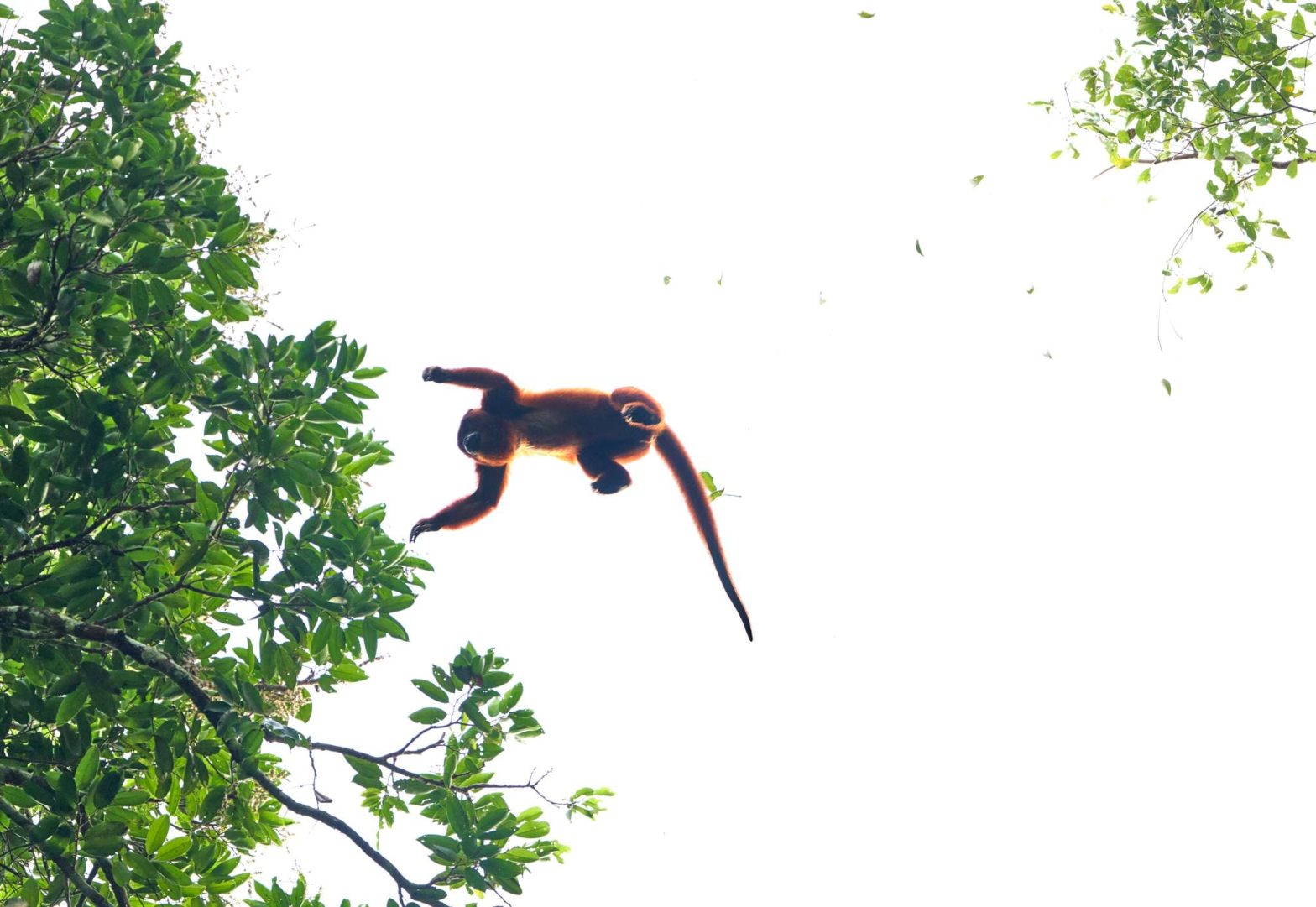
Hikes to discover massive trees like the Lupuna and animals such as the Woolly Monkey.
Nighttime caiman spotting for a close encounter with these majestic creatures.
Accommodation: Camping in the primary rainforest amazon iquitos 

Day 3: Into The   Amazon Rainforest Iquitos  Depths

Start the day observing primates from a canoe, followed by botanical exploration focusing on medicinal plants and survival techniques. Spend the afternoon navigating secluded channels and walking deeper into the jungle to discover rare species like anteaters.

Night Activity: Search for nocturnal wildlife during a moonlit trek.
Accommodation: Camping in the primary rainforest.

Day 4: Farewell to the Amazon

On your final morning, enjoy a serene canoe ride, a last chance to connect with the Amazon’s splendor. Walk to nearby lakes for more wildlife spotting and return to the Buenos Aires community, where you can support local artisans by purchasing handmade crafts. Tour iquitos 

Conclude your adventure with a boat journey back to Nauta, followed by a transfer to Iquitos.

Peru Trips Amazon Wildlife 7 Days

Peru Trips: Amazon Wildlife Adventure in 7 Days – Explore the Heart of Manu National Park

Embark on a remarkable Peru Trips Amazon Wildlife adventure through the untouched wonders of the Peruvian Amazon. This 7-day journey takes you deep into Manu National Park, one of the most biodiverse regions on the planet, offering extraordinary wildlife encounters, cultural immersion, and sustainable ecotourism.

This tour is more than a simple getaway—it’s a transformative experience that blends rainforest exploration, indigenous culture, and the unique wildlife that defines the Amazon. Whether you’re a birder, wildlife enthusiast, photographer, or nature lover, this journey promises unforgettable moments in Peru’s most iconic rainforest ecosystem.

Tour Highlights: Peru Trips Amazon Wildlife .

  •  Ecosystem Exploration: Journey through diverse environments—from mystical cloud forests to lush tropical rainforests and thriving Amazonian river systems.
  •  Cultural Immersion: Engage with members of the indigenous Machiguenga communities to learn about their ancient traditions, cultural practices, and deep connection to the forest.
  • Sustainable Lodges: Enjoy stays in eco-friendly jungle lodges that minimize environmental impact while still providing comfort and authentic rainforest experiences.
  • Biodiversity & Wildlife: Keep an eye out for rare and iconic species, including jaguars, giant otters, spider monkeys, caimans, tapirs, and more than 500 bird species unique to Manu National Park.
  •  Guided Jungle Excursions: Follow expert naturalist guides on daily wildlife walks, river expeditions, night hikes, and specialized birdwatching adventures.
     Indigenous Community Visits: Experience traditional lifestyles firsthand as you interact with local communities and discover their sustainable practices.
  •  Scenic River Navigation: Cruise along the Madre de Dios and Manu Rivers, soaking in breathtaking views of untouched rainforest landscapes.

7-Day Itinerary – Peru Trips Amazon Wildlife .

This week-long expedition is designed for travelers seeking both adventure and cultural enrichment. From the Andean highlands to deep Amazonian wilderness, every day offers something extraordinary.

Day 1: Peru Trips Amazon Wildlife from Cusco – Cloud Forest – Pilcopata Lodge .

Your Peru Trips Amazon Wildlife journey begins in the historic city of Cusco. Travel through picturesque Andean landscapes, stopping at the pre-Inca Chullpas de Ninamarca before reaching the colonial town of Paucartambo.

Descending into the cloud forest, witness the extraordinary mating dance of the cock-of-the-rock, Peru’s national bird. Keep your eyes open for monkeys, toucans, and even the rare spectacled bear.
Spend the night at a comfortable lodge in Pilcopata, immersed in the jungle’s nighttime symphony.

Day 2: Peru Trips Amazon Wildlife -Pilcopata – Atalaya Port – Boca Manu Lodge .

After breakfast, continue toward Atalaya Port, where your Amazon river journey begins. Cruise along the Madre de Dios River, observing kingfishers, herons, and sunbathing caimans.

Enjoy a rejuvenating soak in natural thermal springs, then visit the indigenous community of Diamante for an authentic cultural experience.
Arrive at Boca Manu  in the afternoon, settling into the gateway of the deeper Amazon rainforest.

Day 3:Peru Trips Amazon Wildlife& Entering the Manu Reserved Zone – Cocha Otorongo & Cocha Salvador .

Today you enter the pristine Manu Reserved Zone, one of the world’s most protected natural habitats. Stop at the Limonal Ranger Station, where specialists monitor conservation efforts.

As you travel deeper along the Manu River, keep watch for capybaras, turtles, caimans, giant otters, and even jaguars resting along the riverbanks. Manu Reserved Zone.

At Cocha Otorongo, climb a 30-meter observation tower for panoramic rainforest views and prime wildlife spotting. Spend the night in raised jungle platforms for an authentic Amazon experience.

Day 4: Peru Trips Amazon Wildlife Primary Rainforest Exploration – Cocha Salvador .

Start your morning with a peaceful canoe ride on  Cocha Salvador  , home to playful giant river otters and acrobatic spider monkeys.

Hike through primary rainforest filled with ancient trees and remarkable wildlife—from poison dart frogs to elusive pumas. Your guide reveals the medicinal plants and ecological relationships that make the Amazon so extraordinary.

At night, join an optional jungle walk to discover nocturnal creatures including owls, glowing insects, frogs, and ocelots.

Day 5: Peru Trips Amazon Wildlife Macaw Clay Lick – Blanquillo Lodge .

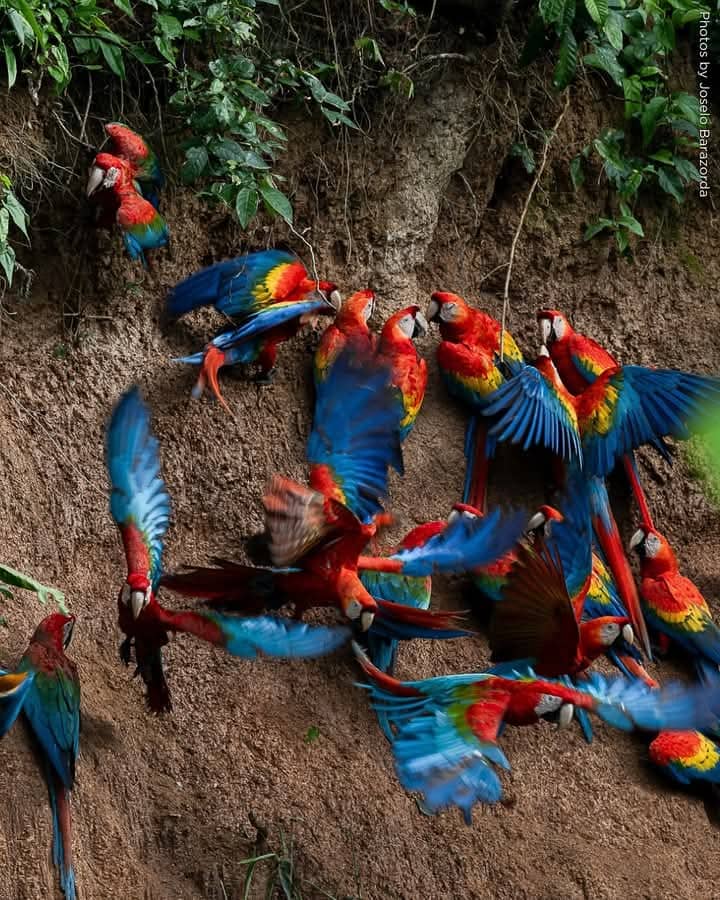
Wake up early to visit the breathtaking Macaw Clay Lick  . , a natural spectacle where hundreds of macaws, parrots, and parakeets gather to feed on mineral-rich clay.

Explore surrounding jungle trails where howler monkeys, anteaters, and colorful reptiles thrive.
Arrive at Blanquillo  and unwind amid the tranquil Amazon scenery.

Day 6:Peru Trips Amazon Wildlife Cocha Blanco – Puerto Maldonado Region .

Visit Cocha Blanco, a pristine oxbow lake renowned for its biodiversity. Spot giant otters, caimans, hoatzins, toucans, and perhaps even the majestic harpy eagle.

Travel along the river, surrounded by dramatic Amazonian landscapes of dense forest and open skies. Return to Blanquillo Lodge for your final night in the  Amazon Trips .

Day 7: Puerto Colorado – Return to Cusco .

Your adventure concludes with a scenic boat ride to Puerto Colorado. A bus or short flight brings you back to Cusco, carrying memories of Amazon wildlife encounters, lush rainforest hikes, and meaningful cultural exchanges.

Why Choose This Peru Trips Amazon Wildlife Tour?

Expert naturalist guides
Sustainable, low-impact travel practices
Authentic interactions with indigenous communities
Safe, comfortable accommodations
Deep exploration of the Manu Reserved Zone
Ideal for photographers, bird lovers, and adventure travelers .

This 6-day itinerary blends conservation, culture, and exploration, making it one of the most rewarding Manu  jungle trails , available.

Ready to Experience the Ultimate Amazon Adventure?

Discover the magic of the Peru Trips Amazon Wildlife experience a journey into the heart of Manu National Park that will leave you inspired, enriched, and forever connected to the wonders of the rainforest.

The Manu Reserved Zone 7 days

The Manu Reserved Zone 7 days:  Adventure in the Amazon .

Embarking in  The Best  Rainforest Wildlife Tour Manu  in  the Manu Reserved Zone offers an unparalleled opportunity to experience one of the most biodiverse regions on the planet. Nestled in the heart of the Amazon Rainforest, this journey combines breathtaking scenery, rich biodiversity, and unique cultural experiences. Get ready to delve into the wild as we guide you through an incredible week filled with adventure, learning, and unforgettable memories in Manu  Reserved zone  Trips .

The Manu Reserved Zone.

UNESCO World Heritage site, famed for its rich ecosystems and vibrant wildlife. Spanning over 1.5 million hectares, it is one of the most protected areas in Peru, ensuring that both its flora and fauna flourish. During your 7-Day Tours, you will traverse lush landscapes, encounter rare species, and engage with indigenous cultures that have thrived in this environment for centuries. rainforest manu jungle trips –clay lick

This tour is more than a vacation—it’s a transformative expedition. Every day offers a chance to witness the wonders of the Amazon, connect with nature, and experience the vibrant biodiversity that makes Manu National Park one of the world’s most extraordinary ecosystems.Manu  nature trips

Day 1: The Manu Reserved Zone from Cusco – Ninamarka – Paucartambo – Tres Cruces – Pilcopata Lodge .

Depart early from Cusco towards the cloud forest region.

Visit:

Ninamarka chullpas (pre-Incan funerary tombs)
• Paucartambo, a traditional colonial town
Tres Cruces viewpoint at 3,900m

Descend into the humid cloud forest, observing:

• Andean cock-of-the-rock
• Trogons, quetzals, hummingbirds
• Woolly monkeys
• Orchids, mosses & giant ferns
Arrive at Pilcopata Lodge for dinner and rest.

Day 2: Pilcopata – Atalaya Port – Boca Manu Lodge.

Drive to Atalaya Port, then board the motorized boat along the Madre de Dios River. Spot:
• Herons, vultures, kingfishers
• Egrets, turtles
• Several monkey species – manu reserved  5 days
Arrive at Boca Manu Lodge and enjoy a nocturnal guided jungle walk.

Day 3: Boca Manu Lodge – Cocha Otorongo (The Manu Reserved Zone ).

Travel deeper into the Manu River. Possible sightings:
• Capybaras
• White caimans
• Jaguars (if lucky)
Arrive at Cocha Otorongo, explore its observation tower, and enjoy a night safari.

Day 4: The Manu Reserved Zone Cocha Otorongo – Cocha Salvador (Manu Reserved Zone).

Morning rowboat visit to Cocha Salvador, habitat of the giant river otter.
Jungle trail exploration for:
• Spider monkeys
• Red howler monkeys
• Titis, tamarins, capuchins
• Anteaters, sloths, deer, peccaries
Learn about medicinal plants and enjoy an evening night walk.

Day 5: The Manu Reserved Zone -Macaw Clay Lick – Cocha Otorongo – Boca Manu Lodge.

At dawn, watch macaws, parrots, and parakeets at a spectacular clay lick (collpa).
Return to the lodge, then trek through primary forest.
Visit Cocha Otorongo again from the 20-meter tower.
Night visit to an animal clay lick.
Overnight at Boca Manu Lodge.

Day 6: The Manu Reserved Zone -Boca Manu Lodge – Macaw Clay Lick – Manu Rainforest Lodge.

Early trip to another clay lick, then navigate the Madre de Dios River.
Arrive at Manu Rainforest Lodge.
Afternoon guided walk and night exploration of the rainforest.

Day 7: The Manu Reserved Zone – Rainforest Lodge – Atalaya – Cusco.

Visit Loro Collpa, a clay lick for parrots and macaws.
Return via boat to Atalaya Port, then drive back to Cusco, arriving around 5:00–6:00 PM.adventure tours

Why choose this tour?

  • Complete trip from Cusco to the Amazon without the need for internal flights.
  • Access to one of the most exclusive and protected areas of Manu: the Reserved Zone.
  • Ideal for nature lovers, wildlife photography, and ecotourism.
  • Guided by local experts with in-depth knowledge of the Amazon ecosystem.

Ready for Your Amazon Adventure?

This 7-Day Manu Reserved Zone Tour offers one of the most complete and immersive jungle experiences in Peru. From astonishing wildlife to pristine forests and vibrant indigenous cultures, every moment brings the magic of the Amazon to life.

Contact us to book your trip and start your unforgettable Rainforest Wildlife Tour in Manu National Park.

Mammals of the Amazon

Mammals of the Amazon

Mammals of the Amazon of the Rainforest Peru . Within four hours by boat to Bolivia, Reserva Amazónica sits along the Mammals of the Amazon Basin in Tambopata Perù. The exclusive resort resides within a one-hour boat

ride from the nearest city, Puerto Maldonado. Reserva Amazónica allows each guest personalization of theirrainforest excursions regardless of weather conditions and length of stay. Bilingual nature interpreters, specialized in the flora and fauna of the Tambopata trips region, facilitate these excursions in jungle trips.

Visitors can walk along well established trail systems, including a wetlands boardwalk; they can take canoe

excursions around lake Valencia and Sandoval Lake, as well as Gamitana Creek; or they can take a tour to a river island, a large butterfly house, orchid and medicinal plant gardens, and more. The

packages resonate with all levels of biological and travelenthusiasts. Beyond the natural marvels, the resort encompasses full bar services, exquisite three-course cuisine (vegetarian

options included), and river front massage therapy.

The giant anteater (Myrmecophaga tradactyla) Mammals of the Amazon

is the largest edentate and among the largest rainforest animals, up to 2.8m long and weighing 39kg. Strictly terrestrial, it searches the forest floor where ants and termites are most plentiful.

Insects are no match for the anteater whose claws rip open nests in seconds, while tough hairy skin protects it against stings and bites in jungle. With a long snout and sticky tongue it probes for its abundant food. If you walk off a forest track a short way you often see holes where an anteater has dug through an ant’s nest in jungle.

Its digging tools also come in handy to defend itself and it can easily kill a dog. Rare in rainforest and locally extinct in many places, the giant anteater is threatened anteaters are easiest to see in grassland savannah habitats

In the same order as sloths and anteaters, armadillos are well-known to southerners, familiar with the nine- banded armadillo (Dasypus nouemcinrtus) whose range from South America, stretching ever further north, makes

it the most widespread armadillo in amazon rainforest mammals. The largest is giant armadillo (Priodontes Maximus) at over 1.5m long from head to tail and up to 30kg in weight.

Due to over-hunting the giant armadillo is extinct over much of its former range (Armadillos are rarely seen in jungle peruvian, on account of their quiet, nocturnal and solitary habits. If you do see one it will more than likely be curled up in a

tight ball to protect the vulnerably soft parts of its body. Broadly omnivorous, they feed on ants and other insects, various small animals, carrion, fungi and fruit. The biggest forest herbivore is the amazon Manu park and tambopata.

 Discover the Enigmatic Tapir: Mammals of the Amazon

Meet the tapir, one of the Amazon rainforest’s most intriguing inhabitants. Renowned for their exceptional swimming skills, these fascinating mammals thrive in lowland tropical and subtropical forests, favoring lush, wet environments and seasonally flooded areas.

A Master of Adaptation While tapirs are remarkable swimmers, they can also sprint at surprising speeds on land, showcasing their versatility. These nocturnal creatures are most active at night, foraging for a diet rich in leaves, fruits, grasses, and

aquatic plants. Adults can grow to about 2 meters in length and weigh over 227 kg, making them a true marvel of the rainforest.

Mammals of the Amazon   Facing Challenges

Despite their adaptability, tapirs are under threat. Deforestation, hunting, and competition from domestic livestock have significantly reduced their populations across their natural habitats. Ongoing habitat loss remains apressing concern for these gentle giants.

Conservation Efforts

To protect tapirs and their ecosystems, conservation initiatives are crucial. Supporting sustainable tourism and

responsible wildlife management can help ensure a brighter future for this unique species.

Mammals of the Amazon Peccaries or Sajino (Tayassu spp) –  

also called boars, are smaller than tapir, weigh around 30kg and are related to pigs. Commonest is the widespread

collared peccary ( tajacu) which is omnivorous and consumes any edible plant, small animals or carrion in jungle.

Roaming in groups of ten or more, pungent cheesy smells reveal their presence long before sight or sound.

Aggressive animals, they can inflict serious wounds with their 8cm-long tusks. Intensively hunted for meat,

peccaries are listed as threatened in amazon rainforest .

Mammals of the Amazon -Red brocket deer (Mazama amerbana) 

 venture into forest clearings or even to the edge of gardens and plantations. Although common and widespread,

deer are shy and retiring Carnivores Carnivores are well represented, with the main terrestrial ones being cats or weasels in jungle.

The dog family, with two rare and obscure species, is relatively insignificant the cot family ( felidae) At the top of

the food chain, wild cats are uncommon everywhere the amazon rainforest.

Their Conservations prospects are worsened by over-hunting. All South American felids Are officially endangered

Four are spotted cats; golden yellow with Black spots or stripes.

Two others are uniform color For many, seeing a cat would be the ultimate goal of a trip to the Amazon,

but cats are extremely unlikely to be seen in the wild on an overage length visit. They are rare, wary of humans and

in the main nocturnal, but observe carefully and you can pick up evidence of activity.

Look for tracks by muddy rivers or claw on a tree Cats may be seen on trails at night or around water margins in remote areas.

Local zoos sometimes display captured jaguars and smaller cats.

Encounter the Majestic Jaguar: The King of the Americas
Jaguar (Panthera onca)

The jaguar, a symbol of power and mystery, reigns as the largest cat in the Americas. Found primarily in the heart of the Amazon rainforest, these magnificent creatures are revered yet feared for their stealth and strength. While

they inhabit diverse ecosystems—from lush rainforests and flooded swamps to arid thorn scrub woodlands—their populations are dwindling, especially outside their Amazonian stronghold.

Master of Adaptation

With a sleek physique built for agility, jaguars are remarkable swimmers, climbers, and sprinters. Their powerful limbs enable them to navigate various terrains with ease, showcasing a prowess that few other predators possess. Jaguars primarily hunt large ungulates, such as deer, but they are opportunistic eaters, preying on peccaries and

even caimans. Their extraordinary bite force allows them to penetrate the tough shells of turtles, making them formidable hunters in their domain.

Facing Peril

Sadly, the jaguar’s future hangs in the balance. Habitat destruction, decreased prey availability, and human conflict have led to a significant decline in their population, estimated at fewer than 50,000 mature individuals in

the wild. While hunting for their striking pelts has greatly reduced since the 1970s, jaguars still face threats from ranchers who perceive them as a danger to livestock.

Meet the Ocelot: The Enchanting Miniature Jaguar
Ocelot (Felis pardalis)

Discover the ocelot, a captivating feline that resembles a miniature jaguar. This stunning creature measures just over one meter in length, yet its sleek, graceful form weighs around 11 kg, making it a lightweight marvel of the wild.

A Beautiful Hunter

Ocelots are renowned for their striking coat, adorned with beautiful spots and rosettes that provide perfect

camouflage in their lush tropical habitats. Found throughout the neotropics, from the southern United States to

South America, these elusive cats are primarily nocturnal, showcasing their hunting skills under the cover of darkness.

Adaptable and Agile

Despite their size, ocelots are agile hunters, preying on a variety of animals, including rodents, birds, and even reptiles. Their adaptability to different environments, from dense forests to savannas, makes them a versatile predator in the animal kingdom.

Conservation Concerns

While ocelots are resilient, they face threats from habitat loss and hunting. Conservation efforts are essential to protect their natural habitats and ensure that future generations can enjoy the beauty of these remarkable cats.

Discover the Wild Dogs of the Rainforest: Nature’s Mysterious Canids
Dogs (Canidae)

Venture into the heart of the rainforest and meet two of its most elusive inhabitants: the bush dog (Speothos venaticus) and the short-eared dog (Atelocynus microtis). These fascinating canids are small, raccoon-like creatures that embody the spirit of the wild.

The Enigmatic Bush Dog

The bush dog is known for its unique appearance and social behavior. This small canid thrives in groups,

showcasing a remarkable hunting strategy that allows them to navigate their wetland habitats. Despite their

intriguing social structure, much of what we know about them comes from observations of captive individuals,

leaving a significant gap in our understanding of their natural behaviors.

The Mysterious Short-Eared Dog

Similarly elusive, the short-eared dog is a rare sight in the wild. With its distinctive ears and compact build, it is

perfectly adapted to the dense underbrush of the rainforest. Like the bush dog, our knowledge of the short-eared

dog is primarily based on a few specimens and limited field studies, making them one of the most intriguing mysteries of the rainforest.

Meet the Tayra: The Agile Jungle Forager
Tayra (Eira barbara)

Introducing the tayra, a fascinating mammal that roams the lush landscapes of Central and South America.

Resembling a larger, darker version of the grison, the tayra stands out with its long legs and tail, making it an agile

and versatile creature in its natural habitat.

A Versatile Feeder

The tayra is a true opportunist, boasting a varied diet that includes small vertebrates, insects, and ripe fruits. This

adaptability allows it to thrive in diverse environments, from dense rainforests to open woodlands. While

primarily ground-dwelling, the tayra occasionally takes to the trees, showcasing its climbing skills as it forages for food

Discover the Fascinating World of Large Rodents

As you navigate the enchanting trails or glide through the waterways of the rainforest, keep your eyes peeled for a

remarkable creature that resembles an oversized guinea pig. This intriguing animal is likely a large rodent, with

the capybara being the most famous among them.

Meet the Capybara

Known as the world’s largest rodent, the capybara is a unique sight for wildlife enthusiasts. These fascinating

animals are strictly terrestrial, often seen lounging by rivers and in lush grasslands. With their distinctively smooth

coats and stout bodies, capybaras exhibit a low stance, long legs, and minimal tails, making them easily

recognizable in their natural habitat.

Why You Should Look for Large Rodents

Spotting a capybara or other large rodents in the wild is an unforgettable experience for travelers. Their social

nature and calm demeanor offer a rare glimpse into the rich biodiversity of the rainforest. Observing these gentle

giants in their natural environment adds a unique dimension to any wildlife adventure..

The Capybara (Hydrochaeris hydrochaeris) 

the world’s largest rodent, weighs up to 113kg and can grow to be 1.4m long Tan to yellow-brown, it feeds on grass

and leaves and has a squarish muzzle. Easily tamed by natives as pets, the capybara could soon be bred

commercially in ranches as food as a sustainable rainforest industry to the benefit of the eco-system agoutis

(Dasyprocta spp), pagl (Agouti paca) and acouchys(Myoprocta spp) are coloured orange-red to grey to black. Of

these only the widespread paca has any markings rows of white spots.

No agoutis overlap in distribution with the black agouti (fulignosa) limited to western Amazonia with the red-

rumped agouti (agouti) prevalent only in Brazil and the Guyanas. Feeding on a variety of seeds and forage foods,

agoutis use their sharp incisors to open the tough coconut -sized Outer shell of the Brazil nut opossums .Normally

associated with Australia, the New world marsupial opossums are the living survivors of the time before South

America became an island continent when south America,

Africa and Australia were conjoined while Australian marsupials have flourished, their distant South American

relatives have lost out to Placental mammals. There are at present 41 species of opossum. Amazon opossums, like

most species, are nocturnal, sleeping by day and foraging at night.

Amazon Wildlife Mammals

Amazon Wildlife Mammals: A Guide to Manu Jungle Trips

Amazon Wildlife Mammals  Manu National Park,   nestled within the tropical Andes, stands out as a global hotspot for mammal diversity and endemism. This unparalleled biodiversity makes Manu a must-visit destination for wildlife enthusiasts and nature lovers. Manu Road

Mammal Diversity in Manu National Park

The tropical Andes region boasts exceptional mammal diversity, with many species still awaiting discovery. South America continues to reveal new mammal species, especially in regions like the tropical Andes and Brazil.

Small mammals, including bats and rodents, are particularly abundant and account for over half of the mammal species in any area. These creatures play pivotal roles in their ecosystems, contributing to pollination, seed dispersal, insect control, and more. Notably, small mammals like bats serve as excellent indicators of habitat health and disturbance.  Manu Jungle Trips

 Mammal Groups in Manu Bats

Vital for pollination and seed dispersal, bats contribute significantly to forest regeneration. Some species are adapted to specific plants, showcasing the intricate relationships within this ecosystem. Peruvian Amazonia

Rodents : These small mammals influence forest composition through seed predation and dispersal. Their activities shape the dynamics of plant populations and the overall ecosystem of the Manu Jungle Trips

Predators :Larger mammals, such as jaguars and pumas, thrive in Manu’s lush landscapes. These apex predators maintain balance within the food chain, controlling populations of herbivores and smaller carnivores.

Primates :Manu is home to several primate species, including capuchins, howler monkeys, and spider monkeys. These intelligent mammals captivate visitors with their dynamic behaviors and intricate social structures.

Aquatic Mammals ;Rivers and oxbow lakes in Manu provide habitats for species like the Amazonian manatee and the playful giant otter, a true highlight for wildlife enthusiasts.  Manu Jungle Trips

Why Explore Manu’s Mammals?

Manu’s mammal diversity offers a unique chance to observe species found nowhere else in the world. Visitors can experience the wonder of the Manu Jungle Trips

  • Nocturnal bat tours to learn about their fascinating ecology.
  • Spotting elusive jaguars on riverbanks.
  • Hiking trails to encounter monkeys and rodents in their natural habitats.
  • How to Maximize Your Jungle Adventure

To fully appreciate Manu’s wildlife, plan your visit during the dry season (May to October), when mammals are more active and visible. Expert-guided tours and jungle lodges provide immersive experiences, allowing travelers to connect deeply with nature. Peruvian rainfores Manu 

Exploring the Mammals of Peru: A Guide for Wildlife Enthusiasts

Peru ranks as the fifth most diverse country for mammals worldwide, offering unparalleled opportunities to witness an extraordinary array of species. This guide delves into the unique mammal diversity found in Peru, particularly in its highland and Amazonian regions.Manu Jungle Trips

Mammal Diversity in Peru’s Tropical Andes

The tropical Andes of Colombia, Ecuador, Peru, and Bolivia are renowned for their rich biodiversity. In Peru, mammal groups include:

  • Marsupials: Families like Didelphidae and Caenolestidae
  • Rodents: Abrocomidae, Caviidae, Cricetidae, and more
  • Shrews: Soricidae

Bats: Including Phyllostomidae, Molossidae, and Vespertilionidae

Peru’s incredible mammal diversity places it alongside other megadiverse countries like Brazil and Mexico. For instance, elevational gradient studies highlight how different habitats host unique species, offering visitors a chance to explore ecological niches from lowland rainforests to the high-altitude puna in the Manu Jungle Trips

Mammals of the Puna and Paramo Ecosystems

The puna rodent fauna of Peru and Bolivia surpasses the diversity of the paramo ecosystem in Colombia, Ecuador, and northern Peru. This richness arises from the puna’s greater environmental heterogeneity and historical factors that encouraged species diversification.

  • Notable Species in the Dry Puna:
  • Phyllotis osilae osilae
  • Auliscomys boliviensis
  • Necromys amoenus
  • Species Found in the Humid Puna:
  • Phyllotis osilae phaeus
  • Punomys kofordi
  • Auliscomys pictus

Recent studies reveal that mammal assemblages in the humid puna share similarities with the paramo, distinguishing them from the dry puna zones. Manu Jungle Trips

Why Peru Stands Out for Mammal Observations

With its vast array of ecosystems, Peru provides exceptional opportunities to observe species such as:

  • Jungle Bats: Key contributors to pollination and seed dispersal
  • Highland Rodents: Influencing plant populations in the Andes
  • Majestic Predators: Jaguars and pumas in the lowlands
  • How to Explore Peru’s Mammals
  • To maximize your experience:
  • Visit during dry seasons for better visibility.
  • Choose guided tours that specialize in both Amazon and highland ecosystems.
  • Stay in eco-lodges to access remote habitats and expert-led nocturnal explorations.

Discover Manu National Park: A Haven for Amazon Wildlife Mammals

A Global Leader in Mammalogical Research

Peru’s Manu National Park (340 – 3,675 meters above sea level) is a crown jewel of biodiversity and the most thoroughly studied protected area in the tropical Andes. With over 20 years of focused mammalogical research, it stands apart in advancing our understanding of mammal diversity and distribution in this unique ecosystem. Manu Jungle Trips

Elevational Gradients and Mammal Diversity

  • Studies in Manu reveal fascinating patterns of mammal richness along elevational gradients:
  • Eastern Versant: Species richness decreases with elevation, as demonstrated by research in Manu National Park (R² = 0.82, P = 0.0001).
  • Contrasting Findings: This decrease contrasts with mid-elevation richness peaks found in other regions, highlighting Manu’s distinct ecological dynamics.
  • Rodent assemblages in Manu display clear zonal restrictions, with species, genera, and even tribal replacements occurring along these gradients.

Insights from Comparative Research

Studies on the western slope of the Peruvian Andes reveal diversity increases with elevation (R² = 0.44, P = 0.0001), likely driven by enhanced precipitation and vegetation at higher altitudes. This pattern contrasts with the arid coastal deserts and emphasizes the importance of localized speciation in the puna biome.

  • However, similar studies remain sparse for:
  • Pacific Slope: The humid, diverse forests of Colombia, Ecuador (Chocó), and northern Peru.
  • Bolivia and Ecuador: Limited or incomplete research on elevational gradients hinders a full understanding of mammal distribution in these regions.

Call for Further Exploration

While Manu National Park’s extensive research sets a high bar, other areas in the tropical Andes warrant detailed studies. Testing historical and environmental hypotheses in regions like the Pacific tropical forests could unlock critical insights into mammal diversity across varying ecosystems. Manu Jungle Trips

Why Visit Manu National Park?

Manu’s unique positioning along elevational gradients offers an unparalleled opportunity to observe mammal species in distinct ecological zones: Manu Reserved Zone 

  • Lowland Rainforests: Rich in species diversity, with iconic Amazonian wildlife.
  • Andean Highlands: Host to specialized rodent species and unique ecosystems.
  • With expert-guided tours, you can delve into this incredible world of biodiversity, witnessing firsthand the interplay of elevation, vegetation, and wildlife.

Plan Your Visit

Manu National Park invites you to explore the wonders of the tropical Andes. From lush lowlands to misty highlands, the park’s diverse habitats promise unforgettable wildlife encounters. Book your trip today and experience the marvels of Amazonian biodiversity .Manu Jungle Trips

Amazon Wildlife Mammals: Discover the Spectacular Diversity of the Peruvian Rainforest

The Amazon rainforest is a treasure trove of biodiversity, offering travelers a rare chance to witness an array of fascinating wildlife in their natural habitats. From stealthy predators to quirky herbivores, here’s an exciting guide to some of the most iconic mammals you can encounter in the Amazon jungle.

Iconic Predators of the Amazon

Jaguar (Panthera onca): The elusive king of the jungle, known for its stealth and power.
Puma (Puma concolor): A majestic big cat, revered for its adaptability.
Ocelot (Leopardus pardalis): A spotted feline beauty with nocturnal habits.
Margay (Leopardus wiedii): Also called “Huamburushu,” an arboreal hunter.
Jaguarundi (Herpailurus yagouaroundi): A small, sleek wildcat.

Unique Mammals of the Rainforest Canopy

Red Howler Monkey (Alouatta seniculus): Famous for its echoing roar across the jungle.
Black Spider Monkey (Ateles belzebuth chamek): Agile acrobat of the treetops.
Dusky Titi Monkey (Callicebus spp.): A charming, small primate found in family groups.
Squirrel Monkey (Saimiri sciureus): Known for its playful antics and striking patterns.
Brown Capuchin (Cebus apella): A clever primate often seen foraging with curiosity.

Ground-Dwellers and Aquatic Marvels

Tapir (Tapirus terrestris): The rainforest’s gentle giant.
Capybara (Hydrochoerus hydrochaeris): The world’s largest rodent, often seen near water.
Giant Anteater (Myrmecophaga tridactyla): Known for its impressive size and unique feeding habits.
Southern River Otter (Lontra longicaudis): A playful aquatic dweller.
Giant Otter (Pteronura brasiliensis): A social and energetic carnivore, often

found in family groups.

    • Mysterious Nighttime Foragers
    • Common Opossum (Didelphis marsupialis): A shy, nocturnal marsupial.
    • Silky Anteater (Cyclopes didactylus): Tiny and arboreal, it clings to tree branches.
    • Short-Eared Dog (Atelocynus microtis): A rare and enigmatic rainforest canid.
    • Crab-Eating Raccoon (Procyon cancrivorus): A semi-aquatic scavenger.

      Herbivores, Foragers, and More

  • Collared Peccary (Tayassu tajacu) & White-Lipped Peccary (Tayassu pecari): Essential to the Amazon’s ecosystem, these social creatures roam in herds.
  • Spined Porcupine (Coendou bicolor): A nocturnal rodent with sharp quills for defense.
  • Red Brocket Deer (Mazama americana) & Gray Brocket Deer (Mazama gouazoubira): Elusive forest grazers.
  • Brown Agouti (Dasyprocta variegata): A vital seed disperser in the rainforest.