Full 1
MANU TOURS
MANU TOUR ZONE RESERVED 4 DAYS
Full 1
previous arrow
next arrow
Shadow

Amazon Expedition River

Embark on the Legendary  Amazon Expedition River

The Amazon Expedition River  is one of the world’s most fascinating waterways, with a rich history and an unmatched influence in the natural world. Join us on a journey through time and nature to explore its discovery and why this magnificent river stands as one of Earth’s great wonders. Manu jungle trips

The Historic Discovery of the Amazon Expedition River

In 1541, Gonzalo Pizarro, brother to the renowned conquistador Francisco Pizarro, was tasked with exploring the eastern reaches of the Andes near Quito (modern-day Ecuador). Accompanied by soldiers and local allies, Gonzalo embarked on a journey that would lead to one of the world’s most significant geographic discoveries: the Amazon River.

On December 26, 1541, Pizarro’s expedition set off from Santa Ana, a settlement near the Coca River. Leading the expedition was Francisco de Orellana, who captained the ship “San Pedro” through rugged territories. By February 8, 1542, they reached the Napo River, which led to the vast, mighty river that Orellana famously named the Amazon River, inspired by the female warriors he encountered, after the Greek myth of the Amazons. rainforest  jungle trips

The Adventurous Journey Through the Heart of the Amazon Jungle

Orellana’s journey through the Amazon was anything but easy. The expedition traveled through dense rainforests, encountering indigenous groups, navigating turbulent waters, and overcoming immense challenges. The travelers faced constant threats from locals, which led Orellana to name the river the “River of the Amazons.”

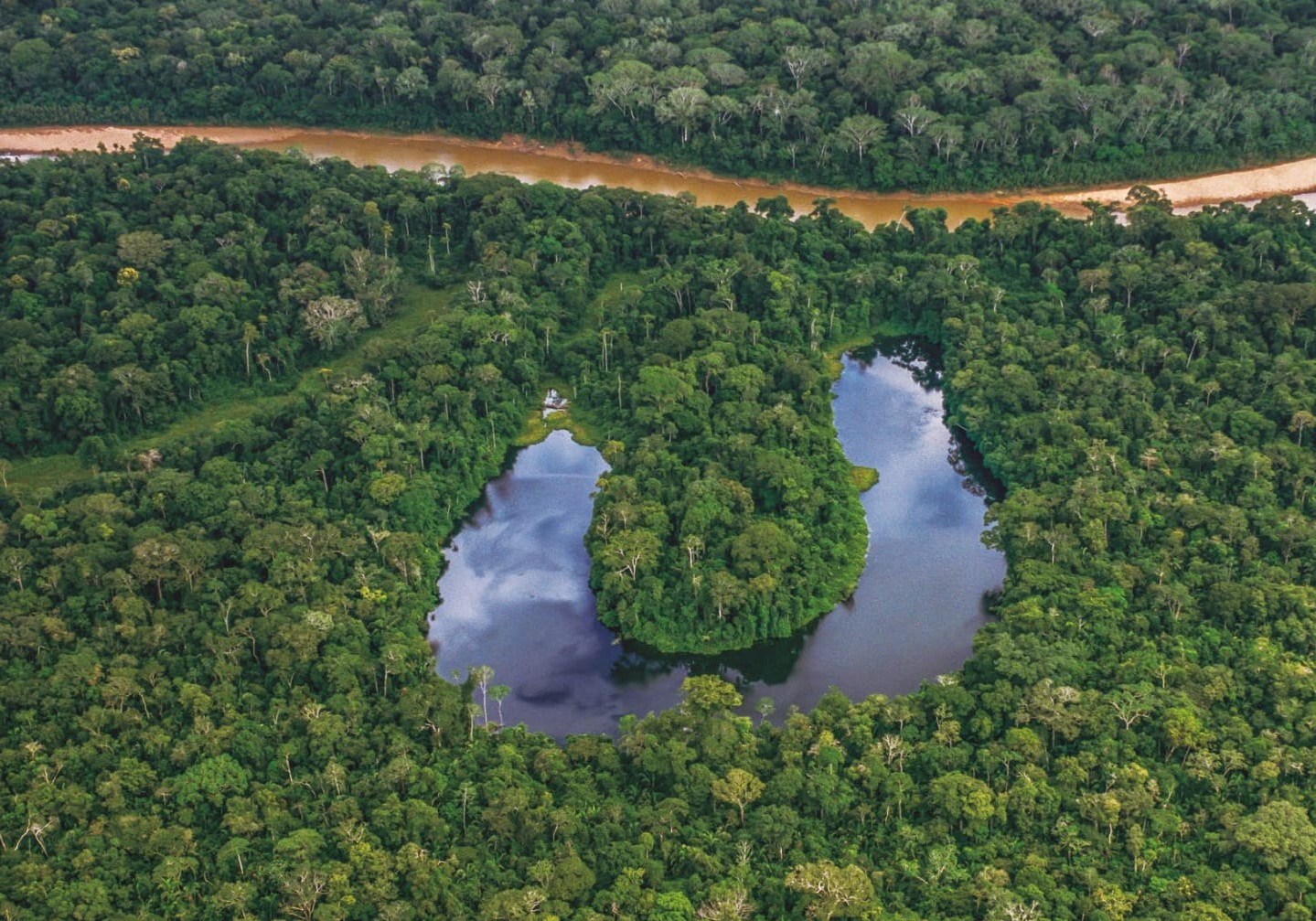
The Amazon is now regarded as the world’s largest river by discharge volume, stretching its mighty waters across an extensive network that nourishes one of Earth’s most biodiverse regions. From the Peruvian Amazon to the Brazilian heartlands, the Amazon River meanders through lush landscapes and provides vital waterways for communities and wildlife alike. travel manu jungle trips

The Peruvian Amazon: Gateway to the Greatest -Amazon Expedition River .

The Peruvian Amazon is a stunning ecological zone that harbors some of the world’s most biodiverse areas, including Manu National Park and the Pacaya Samiria National Reserve. These areas are marked by their thick jungles and intricate waterways, home to fascinating wildlife and unique human communities. A visit to the Amazon here allows travelers to experience one of the richest ecosystems on Earth firsthand.

Did you know that the confluence of the Ucayali and Marañón Rivers forms the source of the Amazon? In this region, you can explore flooded forests known locally as “Tahuampas,” offering an unparalleled opportunity to experience nature at its wildest and most pristine. Manu Trips 

Facts You Didn’t Know the Amazon Expedition River

A Massive Basin: The Amazon Basin spans over 7.35 million square kilometers, with 68% in Brazil and the rest

spread across Peru, Bolivia, Ecuador, Colombia, Venezuela, and Guyana. It’s the largest drainage basin on the planet!

Rivers That Shape the Forest: The Amazon River is fed by Andean mountain rivers known as “white-water”

rivers because of their nutrient-rich waters. These rivers fertilize the basin, sustaining the lush rainforest that

depends on them.

Length Controversy: Traditionally, the Amazon is considered the second-longest river in the world after the Nile.

However, recent studies suggest the Amazon may be longer. New measurements have extended its length to about

7,000 kilometers, placing it definitively at the top of the classification.

The Mighty Flow: The Amazon carries more water than the Mississippi, Nile, and Yangtze combined—an

astounding 120,000 cubic meters per second on average, and up to 300,000 during the rainy season. It discharges

one-fifth of the world’s freshwater into the Atlantic Ocean. jungle trips

Seasonal Flooding: Half the year, vast areas of the Amazon basin are flooded.

These annual floods are critical to the region’s ecology, providing fertile grounds for fish and plants. The seasonal

flooding also affects the Amazon’s tidal ecosystem, especially near its estuary.

A World of Wonders Await

The Amazon River is an invitation to an unforgettable adventure—rich with history, brimming with natural wonders,

and teeming with diverse wildlife. From vibrant cultures and unique wildlife to the raw power of the river itself, it’s

no wonder the Amazon is a bucket-list destination for nature lovers and adventurers alike.

Ready to discover the world’s greatest river?

Whether you seek thrilling expeditions, awe-inspiring wildlife encounters, or a glimpse into ancient civilizations, the

Amazon River offers an experience unlike any other.

Plan your Amazon Jungle expedition now and explore the heart of the wilderness that has captivated explorers for centuries.

Amphibians Amazon Rainforest

Amphibians Amazon Rainforest

  Amphibians Amazon Rainforest-  Travel of Tambopata reserve region of Perù yields the highest biodiversity of reptiles and amphibians amazon

rainforest in the world and includes more than 210 amphibian and reptilian species (Doan and Arizábal 2002).

Previous surveys of the region’s biodiversity have been used to categorize the IUCN and CITES status of species and

contributed to future reserve design (von May et al. 2007). At the epicenter of this diversity lies one of the

world’s most prominent facilities for ecotourism and conservation, Reserva Amazónica, formerly Cusco Amazónico

in jungle trips.

Amphibians Amazon Rainforest to Manu  Wildlife :

Amazon Rainforest in Peru, the People are rarely ambivalent towards amphibians to many they are sluggish and

slimy on top of which many amazon amphibians have the liability of being poisonous others admire them because

most are active beautiful and on the whole harmless in jungle trips.Amphibians Amazon Rainforest

The first vertebrates – Amphibians Amazon Rainforest .

To live on land and still need water to reproduce to overcome this limitation they evolved ingenious strategies and fill

a myriad of ecological niches today amphibians are the most diverse and abundant terrestrial vertebrates and are

at peak biodiversity in the lowland tropical rainforest species in jungle peruvian.

Just the insects comprise 34 orders compared with 16 orders of mammals there are 20 families of flies (order

Diptera), compared with seven families in the order Primates in amazon rainforest.

almost know more about rocks on the moon than about forest insects whatever we feel about insects, without them

life on land would quickly collapse down to a few simple plants and microbes and the rainforest would not

function or even exist Incessantly active, countless tiny hexapods sustain our world unchanged. Forest insects

rerycle nutrients, maintain soil structure and fertility, pollinate plants, disperse seeds, control populations of other

organisms and are a major food source for birds, mammals, reptiles, amphibians, other insects… even carnivorous plants.

Tight, mutually beneficial interactions are common among rainforest organisms, but especially between

plants and insects. Indeed, some plant-insect relationships are almost unbelievably elaborate in manu national

park and sandoval lake and tambopata trips adventure.

Beetles in Amazon Rainforest:

The famous English biologist J B S Haldane remarked ‘God must have been inordinately fond of beetles’, and with

good reason as beetles are the most diverse group of terrestrial animals in jungle peruvian. Indeed, far too many

beetle species exist for a systematic treatment here in jungle. The exercise would require a book, several books, and

this has not, as yet, been attempted. Of the 1.75 million species so far described, some 60% are insects and a

third of these are beetles, amounting to about 350,000 known beetles in amazon rainforest. Of these perhaps half

are from the tropics. On a single leguminous tropical entomologist Terry Erwin found 1,500 beetle species, 163 of

whichspecialized on that tree alone. Such discoveries are the basis of seemingly extravagant claims that rainforest

holds 95% of the world’s species with jungle trips peruvian.

Amazon rainforest despite the wide range

of shapes  and sizes among beetle species, they all have a single pair of membranous wings covered by a pair of

hard chitinous plates called elytra. This gives the order its name Coleoptera, meaning sheath-wing

. The tough elytra are mounded by evolution into a wide variety of forms to exploit an equally varied range of

niches in jungle.

Among others, an especially favored life-style which provides both food and shelter is that of wood-boring.

The palm beetle (Rlryrchophorus palmarum) lays its Eggs in fallen euterpe and bacteria palms. The grown beetle

¿larvae are harvested by jungle trips. Indians for a handy, nutritious snack.

Among the most exquisite specimens is the golden tortoise beetle (Chrysomelidae). This looks like a living

Egyptian scarab, carved in gold, under a curious transparent tortoise-shaped carapace. Chrysomelids, or leaf

beetles, are among the most diverse beetle families in manu. Many feed on live plant material and some are pests,

though others have been employed to control weeds and others to pollinate flowers in jungle. In the same super

family as chrysomelids are the long-horned beetles (Cerambicidae). Among the longest insects, these giants of the

beetle world include Tetanus gigantean which is up  to 20cm long and comes from northern Brazil and French

Guiana to Peru with jungle trips..

Although the golden tortoise beetle may look like a jewel scarab, real scarabs are usually quite plain, though some are pretty.

This family, the Scarabidae, consume dung and are important recyclers in the nutrient cycle.

Large scarabs tend to be black or dark brown, smaller ones vary from green to orange or blue. They all share the

dungball-rolling ability and powerful limbs to push this precious cargo around. This is buried in a suitable spot

where the female scarab lays her eggs, from one or two to a couple of dozen, depending on the species. But nor all

combined.scarabs have scatological tendencies; one species (Cydocephala spp) pollinates the giant water

lily.Fire-flies, also called lightning bugs, are neither flies nor bugs but beetles (Lampyridae) responsible for

spectacular displays along river edges and lowland areas at certain times of year in manu national park and

sandoval lake and tambopata reserve. The light is generated by a non-heat-producing enajlme reaction. Each

species has its own identification code of short and long flashes, used to attract mates. Iridescent click beetles

(Elateridae) are also bioluminescent.Another important beetle family is coccinellids or ladybirds in jungle peruvian.

Coccinellid adults and larvae are important predators of aphids, voracious pests. Weevils are notable pests of

stored grains but wild species abound.

Indeed, the weevils (Curculionidae), numbering some 60,000 described species, have more species than any other beetle family

, about a fifth of the entire order of Coleoptera.-weevil lifestyles vary widely. In nature of amazon rainforest, they

use their snout to bore into plant leaves, stems, seeds and roots for feeding or oviposit ion. These beetles look like

miniature tanks, armed with a large nozzle-like proboscis, antenna and a set of jaws attached to its end, and a

rounded carapace lined with small longitudinal pits. .Among the most beautiful insects are the wood boring beetles

(Buprestid) including the above-mentioned palm beetle.

Serious pest’s of wooden buildings, in nature their feeding habits help speed up decomposition of dead wood in

jungle peruvian. Popular with collectors, buprestids are also called jewel beetles because of their dazzling iridescence.

Natives use metallic green elytra from a buprestid, Euehroma §gantea,for necklaces and other adornments in

amazon rainforest.

The rhinoceros beetles (Megasoma actaeon, Manubis)

are large, robust beetles up to 8cm long. The males’ impressive antlers occasionally end up in handicrafts in jungle.

The socalled ground beetles (Carabidae) are a cosmopolitan group of small to medium-sized, shiny black,

fast-moving predators of other insects and small invertebrates. Despite the name, many types of carbide are found

in trees. The rove beetles (Staphylinidae) can be recognized by their foreshortened elytra which leave the posterior abdomen exposed.

This seems no hindrance to success as they are very diverse in jungle peruvian, ranging in size from tiny (under

5mm) to over 2.5cm. Some are black and dull; others may be iridescent green or blue. Aggressive predators of

other insects, rove beetles are creatures of dark, damp crevices and comers, living among leaf litter, under rocks

and logs and along muddy waterways in jungle.

Darkling beetles (Tenebrionidae) are found worldwide and eat dead or dry vegetation, ideal for the rainforest but

not so good in your house in amazon rainforest.

Here are some amphibian species found in the Amazon Rainforest .

Glass Frog (Centrolenidae family)

Known for their translucent skin on their underside, the Glass Frog’s internal organs are visible, offering a unique glimpse into their biology. These frogs are small and primarily arboreal, found in rainforest areas, particularly in Manu’s cloud forests.

Poison Dart Frog (Dendrobatidae family)

Brightly colored with hues of blue, green, yellow, and red, these small frogs produce toxins that are potent when ingested. They are found in humid, tropical rainforests and are famous for their striking appearance and protective toxins.

Amazon Milk Frog (Trachycephalus resinifictrix)

These arboreal frogs are known for their ability to secrete a milky substance for defense. With vibrant blue and green markings, they dwell in the canopies of the Amazon Rainforest and Manu’s cloud forest areas, often in moist, humid environments.

Manu Poison Frog (Oophaga manuensis)

Native to the Manu National Park, this striking frog has bright coloration with a golden yellow to reddish-orange hue. It is adapted to the humid and moist conditions of the lowland rainforests and the cloud forests of the region.

Andean Stream Frog (Hyla bergeri)

Found at higher altitudes in the cloud forests of Manu, this frog’s specialized adaptations help it thrive in fast-moving mountain streams. Its vivid green skin helps it blend into the wetland environment.
Surinam Toad (Pipa pipa)


Amazon Rainforest Plant

Amazon Rainforest Plant

A Treasure Trove of Biodiversity: The Amazon Rainforest Plant

The tropical rainforests of the Amazon are unparalleled in biodiversity, holding secrets that intrigue scientists, nature enthusiasts, and travelers alike. Imagine this: a single hectare of Amazonian rainforest may host between 40 to 100 tree species, creating a lush and thriving ecosystem teeming with life.

Take, for instance, the iconic Cocha Cashu Biological Station nestled within Peru’s Amazon floodplain forests. This research haven has revealed a staggering 1,856 species of higher plants, a testament to the extraordinary richness of these landscapes. manu jungle trips

A Living Network of Global Importance

The Amazon Rainforest is not just a botanical marvel—it’s a cornerstone of our planet’s health. With 80,000 plant species, over 40,000 play a pivotal role in stabilizing the Earth’s climate and ensuring the delicate balance of local water cycles. This verdant realm is also the lifeblood for countless animals, forming the interconnected habitats that define the Amazon’s uniqueness.

Many Species, Few Specimens
However, the Amazon’s botanical wonder isn’t just about variety; it’s about balance. While it boasts an immense diversity of plant species, these often exist in relatively low numbers spread across vast areas. This dynamic underpins the rainforest’s resilience and complexity, offering visitors a deeper appreciation for its intricate ecosystems. jungle trips

Natural Pharmacy and Lifeline of Cultures

The rainforest’s treasures go beyond its beauty. Many plants and trees harbor potent natural compounds that are the foundation of life-saving medicines and agricultural innovations. These wonders not only serve modern science but also sustain Amazonian communities, both indigenous and settler, who rely on them for food, shelter, and materials for non-timber products.

The Amazon Rainforest: A Jewel of Biodiversity

The Amazon Rainforest is one of the world’s largest and most vital ecosystems, covering an area of nearly 2.8 million square miles—roughly the size of the continent of Australia. It plays a critical role in regulating global climate, holding a substantial portion of the Earth’s terrestrial carbon. However, deforestation threatens to release this carbon, exacerbating global warming and causing local issues like droughts.

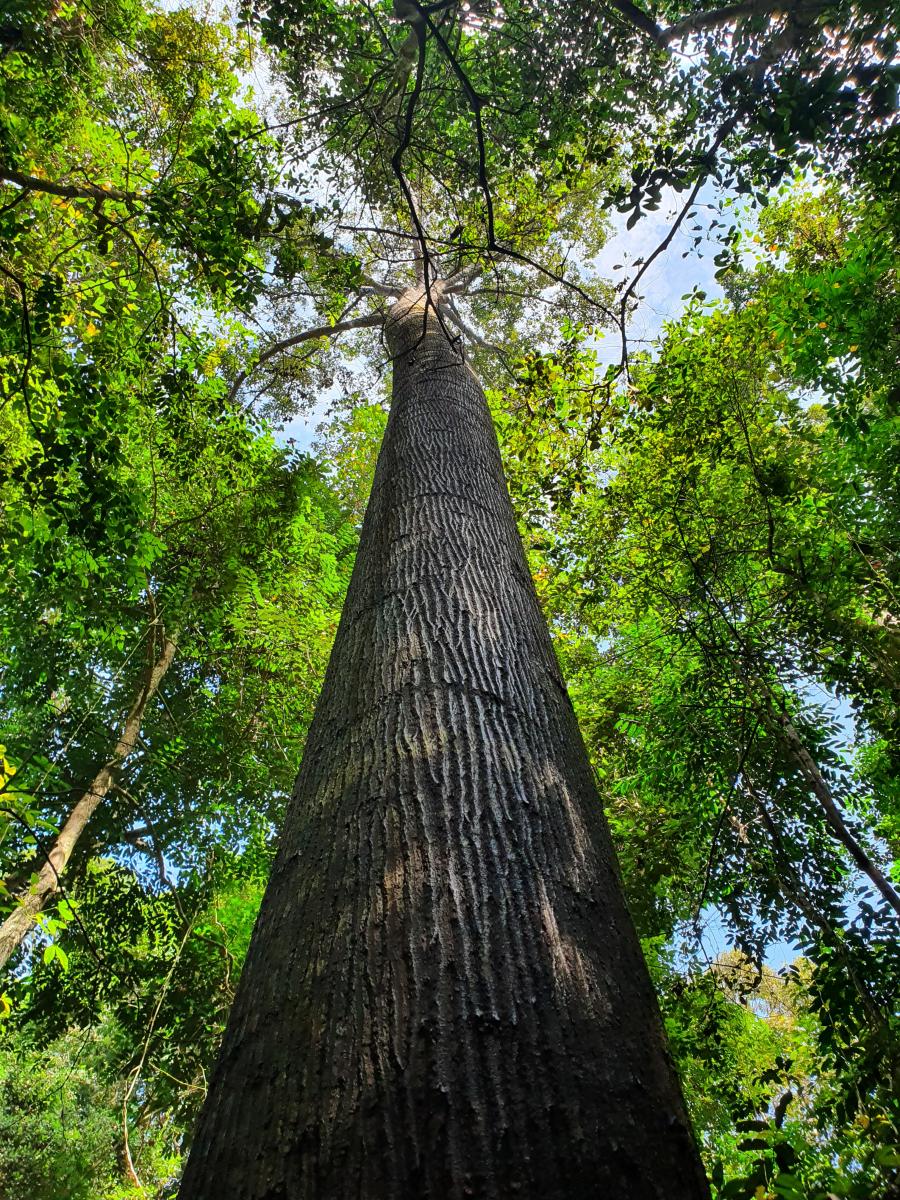
This tropical rainforest thrives on the life-giving Amazon River, the second-largest river globally, whose basin forms the heart of the rainforest. The forest itself consists of four layers—emergent, canopy, understory, and forest floor—each hosting unique ecosystems teeming with specially adapted flora and fauna. Manu Jungle Trips

A Symphony of Adaptations: Epiphytes, Bromeliads, Palms, and Vines in the Amazon

The  Tour Amazon Rainforest is a world of astonishing adaptations, where plants have evolved remarkable strategies to thrive in a dynamic environment. Among these are epiphytes, bromeliads, palms, and vines, each playing a vital role in the rainforest’s intricate web of life. Manu Jungle Trips

Epiphytes: Nature’s Aerial Wonders
Why stay rooted to the ground when you can live in the sky? Epiphytes—plants that grow on other plants rather than the forest floor—constitute up to one-fourth of all plant species in lowland tropical rainforests. This diverse group includes orchids, ferns, mosses, and even some cacti.

Epiphytes ingeniously trap windborne soil to establish their roots high on tree branches. This “mid-air gardening” allows them to access sunlight and thrive in a habitat that most plants can’t reach. Travelers exploring the Amazon canopy will marvel at these suspended gardens, teeming with life and ingenuity.

Bromeliads: Rainforest Reservoirs

Bromeliads, famed for their vibrant, cup-like structures, are the rainforest’s natural reservoirs. These cups collect rainwater and detritus, creating miniature ecosystems that support a host of species. Manu Jungle Trips

Fascinatingly, more than 250 species of tree frogs, snails, and insects use bromeliads as nurseries, completing vulnerable stages of their life cycle within these watery havens. Witnessing this delicate interplay of flora and fauna offers a unique glimpse into the rainforest’s symbiotic harmony.Manu Jungle Trips

Palms: Icons of Utility and Sustainability
The Amazon’s palms are unmistakable with their iconic shapes, but their significance goes far beyond aesthetics. Palms like Murumuru (tucum) are rich in nutrients, with their oil boasting three times more Vitamin A than carrots. These versatile plants are integral to local cultures, used to craft brooms, hammocks, necklaces, and string bags.

However, not all palms have a positive story. The African oil palm, cultivated extensively, poses a threat to native rainforests through deforestation. Sustainable tourism and conscious consumer choices can help preserve these vital ecosystems. Manu Jungle Trips

Vines: The Rainforest’s Life Lines

No visit to the Amazon is complete without marveling at its vines, the structural threads that give rainforests their dense, layered appearance. These versatile plants—ranging from hanging lianas to bole climbers and even stranglers—provide essential food and pathways for wildlife Sandoval Lake .

For centuries, humans have harnessed vines for medicine, food, construction materials, and even hallucinogens, underscoring their cultural and ecological importance. As you trek through the Amazon, you’ll see these botanical marvels weaving a story of connectivity and survival.  Manu Jungle Trips

Birds of the Amazon Rainforest

Diversity at its Peak:
The Amazon Basin is home to at least 1,800–2,000 bird species, making it a paradise for bird enthusiasts. This vast array includes iconic species such as toucans, macaws, parrots, and hummingbirds. Seasonal migrants from regions like Patagonia and North America also add to this impressive biodiversity.

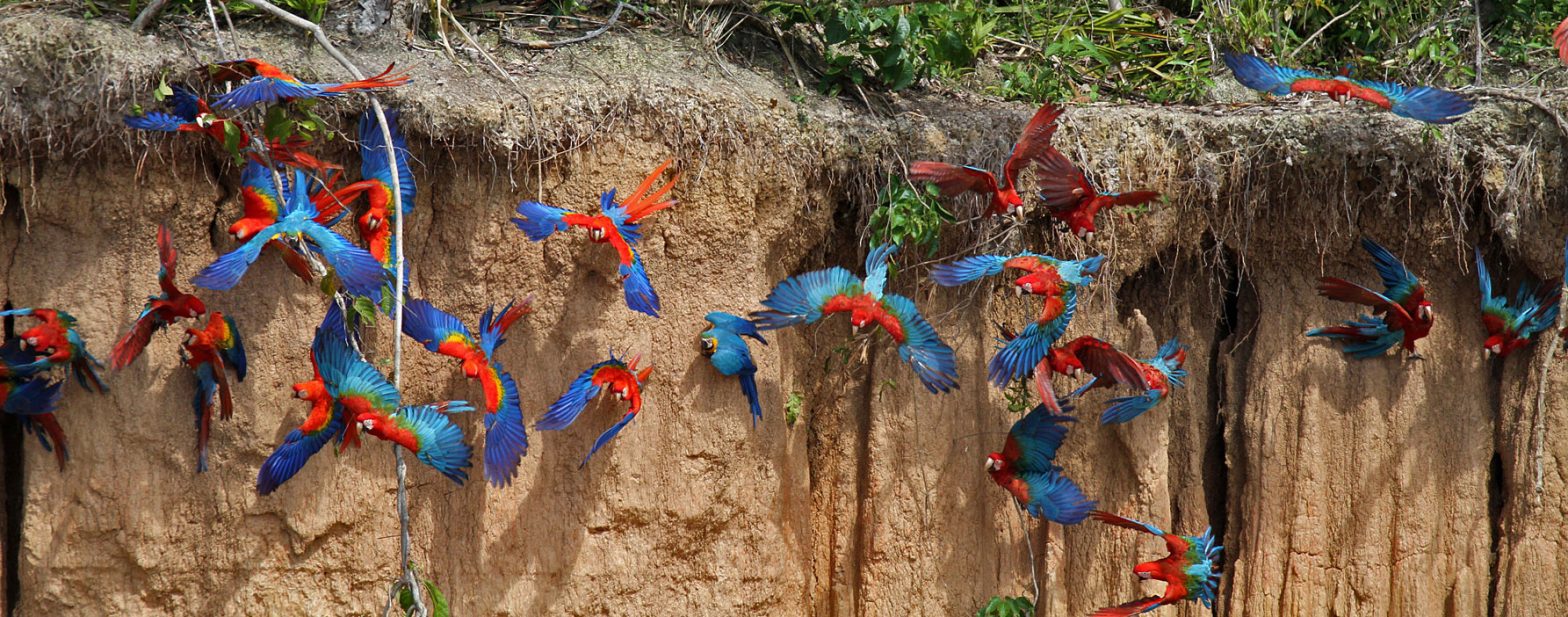
Macaws and Parrots: Macaws, the largest parrots, feature strikingly long tails and vivid plumage. Common species include the scarlet macaw (Ara macao), the blue-and-yellow macaw (Ara ararauna), and the red-and-green macaw (Ara chloropterus). Their diets primarily consist of nuts and seeds, which their strong, curved beaks crack with ease. Parrots, smaller than macaws and typically green with distinct head markings, are often seen in flocks or at the renowned macaw clay licks, which provide essential minerals for their diet. Manu Jungle Trips

Toucans: With oversized yet lightweight bills, toucans, like the white-throated toucan (Ramphastos tucanus), are notable for their vibrant appearances and ability to access fruits on thin branches. These birds are not just fruit eaters—they also consume small animals and eggs.

Hummingbirds:

Hummingbirds are a marvel of the Wildlife Amazon, known for their rapid wing beats and ability to hover. These tiny pollinators, such as the glittering-throated emerald (Amazonia fimbriata), play an indispensable role in sustaining the ecosystem by fertilizing a wide variety of flowers.

Raptors: The majestic harpy eagle (Harpia harpyja), known as the world’s most powerful bird of prey, is an apex predator targeting monkeys and sloths. Other notable raptors include the black-collared hawk (Busarellus nigricollis) and the striking king vulture (Sarcoramphus papa), adorned with a crown of vivid colors.

Hoatzins: The hoatzin (Opisthocomus hoazin), nicknamed the “stink bird,” is a curious leaf-eating species with a

unique digestion system resembling that of cows. They are notable for their family-oriented nesting habits, with

young hoatzins displaying remarkable clawed wings used for climbing. Manu Jungle Trips

Plants of the Amazon: Pillars of Life

Plants in the Amazon not only define its lush green canopy but also provide sustenance and habitat for countless

species. Tall trees like mahogany and ceiba soar above the dense understory, while palms, vines, and epiphytes form

a complex web of life below.

Key flowering plants, such as heliconias and bromeliads, support pollinators like hummingbirds and bees.

Additionally, countless medicinal plants, some still unknown to science, are part of the forest’s vast wealth.

Unfortunately, human activity often jeopardizes this priceless heritage.


Wild Trek Macaw Clay Lick

Wild Trek Macaw Clay Lick

Conservation objectives of the Conservation Amazonia .

Protection of flora, fauna and ecological processes of a sample of the southern Wild Trek Macaw Clay Lick. Amazon jungle of Peru.

Generate conservation processes with the population in the area of the reserve, in order to sustainably use resources such as chestnut trees and the landscape for recreation.

Contribute to sustainable development of the region and the country, from knowledge of biodiversity and management of the various renewable natural resources  -Manu Jungle Trips

  Wild Trek Macaw Clay Lick: Diversity of flora and fauna.

It is one of the places of greatest diversity of wildlife in the world in the jungle, offers healthy habitats for species that

are endangered. There have been 169 species of mammals, 103 amphibians, 205 fish and a record 1,200 species of

butterflies. Also, there have been 632 species of birds. In RNTAMB will be appreciated diversity of fauna and among the most representative are: species of macaws (macaw lick) including endemic blue green head (Ara couloni), harpy

eagle (Harpia harpija); variety of primates as the emperor tamarin (Saguinus imperator), the howler monkey (Alouatta seniculus); cats like the jaguar (Panthera onca), other mammals such as tapir (Tapirus terrestris), peccary

(Tayassu peccary). Is also the singular Rio Lobo (pteronura brasiliensis), the largest of all species of otters. Also we

have identified 17 vegetation associations by type of forest with a record of 1255 species of plants in the forest.

Observe the following in the Wild Trek Macaw Clay Lick

Register your entry and exit in each Stall Control and Surveillance on their trips to the jungle.

The Ranger is the authority within the Protected Area responsible for monitoring compliance with the rules.

Respect their signs on their trips to the Manu Jungle Trips .

Placing the waste generated in the authorized or removed outside the protected forest within the natural area sites.

Minimum Distance Fauna Observation: 20 meters.

Rio Lobo Groups: No closer than 50 m, no follow not block your access to the lake, burrows or broken.

Do not hunt or fish in the Peruvian jungle.

No bathing or washing clothes in rivers of the jungle.

Payment for right of entry and authorization to visit the attractions of the RNTAMB is required.

The local population of the area of influence of the RNTAMB can visit the attractions for free (requesting prior authorization), the last Sunday of each month.

Sandoval Lake -Amazonia .

Sandoval Lake is one of the main attractions of the Tambopata National Reserve. It is also attractive receiving major tourist because of its scenic beauty and its proximity to the city of Puerto Maldonado (45 min by boat on the

Madre de Dios). It is accessed by a path of about 02 km to a pier where visitors addressed rowing boats to enter by a small river into the lake. During the visit you can see different species of wildlife such as monkeys, macaw lick,

parrots, alligators, otters, different species of birds and the impressive diversity of flora that this has this protected natural area.

Why You’ll Love the Chuncho Macaw Clay Lick in Tambopata, Peru

An Unforgettable Birdwatching Experience: Located in the heart of the Amazon, the Chuncho Macaw Clay Lick in

Tambopata, Peru, offers one of the most awe-inspiring wildlife encounters on the planet. Thanks to its remote

location and pristine environment, this biodiverse region attracts around 20 different tropical bird species, including

vibrant macaws, playful parrots, and other stunning avian species. Whether you’re an avid birdwatcher or simply

looking for a breathtaking natural spectacle, the Clay Lick is a must-see.

Intimate Wildlife Encounters: Experience the wonder of nature up close! Our guided tours take you to a secluded vantage point just across from the Clay Lick, ensuring you witness the birds in all their glory without

disturbing their natural habitat. Unlike seeing parrots or macaws in a cage, observing these majestic birds in the

wild, where they live and thrive, is a rare and magical experience. Manu Jungle Trips

Discover the Wonders of Macaws and Clay Licks at Tambopata Research Center, Peru

Introduction to a Unique Natural Marvel

Nestled deep in the Peruvian Amazon lies the Tambopata Research Center (TRC), a beacon of conservation and groundbreaking research. Established in 1989 by Eduardo Nycander and Kurt Holle, this center has become synonymous with protecting Peru’s vibrant macaws and their remarkable natural behavior. TRC is perched beside a 100-foot-high riverbank “clay lick,” where thousands of parrots and macaws gather daily to feast on mineral-rich clays—a spectacle that leaves travelers in awe.  Manu Jungle Trips

Pioneering Research and Conservation Efforts

From the outset, the TRC team worked to preserve the striking Scarlet, Green-winged, and Blue-and-Gold Macaws. Pioneering techniques like nest boxes and chick rehabilitation provided invaluable insights into macaw reproduction and survival. Although funding challenges arose in the early 1990s, Eduardo and Kurt boldly ventured into ecotourism, founding Rainforest Expeditions. This innovative model not only sustained the research station but also opened the door for intrepid travelers to experience the Amazon’s wonders firsthand.

By 1999, Rainforest Expeditions had become a global leader in Peruvian ecotourism, operating multiple lodges, including the award-winning  Amazonas. With renewed resources, TRC hired Dr. Don Brightsmith, a research associate at Duke University, to spearhead macaw research, blending conservation with visitor engagement.  Manu Jungle Trips

Wild Trek Macaw Clay Lick – Unveiling Macaw Mysteries Through Ongoing Studies

Since 1999, Dr. Brightsmith and his team have delved into the intricate lives of macaws and parrots, focusing on topics like:

Habitat management and nest box innovations for Blue-and-Gold Macaws.
Diet analysis and its link to clay lick habits.
Seasonal and environmental factors influencing parrot abundance.
Factors affecting Scarlet Macaw chick development, including temperature and humidity.
Their findings have shaped the world’s understanding of these iconic birds while creating immersive experiences for visitors eager to learn about wildlife conservation.  Manu Jungle Trips

The Fascination of Wild Trek Macaw Clay Lick : Nature’s Nutritional Buffet

Across the western Amazon Basin, parrots, pigeons, and guans flock to specific riverbank clay licks daily. These licks, like the one at TRC, offer vital minerals—particularly sodium—and mitigate the effects of toxins in their diets.

Groundbreaking studies by James Gilardi and others in 1999 revealed that clay consumption neutralizes harmful compounds in seeds. Similarly, Dr. Brightsmith’s research at Tambopata has shown a preference for clay containing higher sodium levels, supporting both detoxification and nutritional hypotheses.  Manu Jungle Trips

Unraveling Behavioral Mysteries -Wild Trek Macaw Clay Lick

Over 900 days of clay lick observations have unveiled fascinating patterns. Birds, including Mealy Amazons and Severe Macaws, are most active early in the morning, but rain often disrupts their visits. Surprisingly, they don’t compensate for these missed opportunities later in the day or in subsequent visits, raising intriguing questions about their clay consumption needs.

Why don’t macaws adapt to rainy mornings by adjusting their schedules? Are they forced to alter their diets or compromise their sodium intake? These questions inspire ongoing research and keep the Tambopata Research Center at the forefront of avian studies.  Manu Jungle Trips

An Invitation to Witness Nature’s Masterpiece

Visiting the Tambopata Research Center offers more than just breathtaking views—it’s a chance to connect with one of the most biodiverse places on Earth. Imagine waking to the symphony of Amazon wildlife, witnessing macaws in their vibrant glory, and learning from expert guides about their intricate behavior.

This unparalleled experience blends adventure, education, and conservation, making it an unforgettable destination for travelers seeking meaningful encounters with nature.

Plan Your Journey to the Tambopata Research Center

Are you ready to witness the stunning macaws and their clay lick rituals up close? Join Rainforest Expeditions and

embark on a journey that supports vital conservation while offering the adventure of a lifetime. Explore the

untamed beauty of the Peruvian Amazon, where every moment brings you closer to understanding the profound

connection between wildlife, ecosystems, and human efforts to protect them.  Manu Jungle Trips