Full 1
MANU TOURS
MANU TOUR ZONE RESERVED 4 DAYS
Full 1
previous arrow
next arrow
Shadow

Amazon Rainforest Plant

Amazon Rainforest Plant

A Treasure Trove of Biodiversity: The Amazon Rainforest Plant

The tropical rainforests of the Amazon are unparalleled in biodiversity, holding secrets that intrigue scientists, nature enthusiasts, and travelers alike. Imagine this: a single hectare of Amazonian rainforest may host between 40 to 100 tree species, creating a lush and thriving ecosystem teeming with life.

Take, for instance, the iconic Cocha Cashu Biological Station nestled within Peru’s Amazon floodplain forests. This research haven has revealed a staggering 1,856 species of higher plants, a testament to the extraordinary richness of these landscapes. manu jungle trips

A Living Network of Global Importance

The Amazon Rainforest is not just a botanical marvel—it’s a cornerstone of our planet’s health. With 80,000 plant species, over 40,000 play a pivotal role in stabilizing the Earth’s climate and ensuring the delicate balance of local water cycles. This verdant realm is also the lifeblood for countless animals, forming the interconnected habitats that define the Amazon’s uniqueness.

Many Species, Few Specimens
However, the Amazon’s botanical wonder isn’t just about variety; it’s about balance. While it boasts an immense diversity of plant species, these often exist in relatively low numbers spread across vast areas. This dynamic underpins the rainforest’s resilience and complexity, offering visitors a deeper appreciation for its intricate ecosystems. jungle trips

Natural Pharmacy and Lifeline of Cultures

The rainforest’s treasures go beyond its beauty. Many plants and trees harbor potent natural compounds that are the foundation of life-saving medicines and agricultural innovations. These wonders not only serve modern science but also sustain Amazonian communities, both indigenous and settler, who rely on them for food, shelter, and materials for non-timber products.

The Amazon Rainforest: A Jewel of Biodiversity

The Amazon Rainforest is one of the world’s largest and most vital ecosystems, covering an area of nearly 2.8 million square miles—roughly the size of the continent of Australia. It plays a critical role in regulating global climate, holding a substantial portion of the Earth’s terrestrial carbon. However, deforestation threatens to release this carbon, exacerbating global warming and causing local issues like droughts.

This tropical rainforest thrives on the life-giving Amazon River, the second-largest river globally, whose basin forms the heart of the rainforest. The forest itself consists of four layers—emergent, canopy, understory, and forest floor—each hosting unique ecosystems teeming with specially adapted flora and fauna. Manu Jungle Trips

A Symphony of Adaptations: Epiphytes, Bromeliads, Palms, and Vines in the Amazon

The  Tour Amazon Rainforest is a world of astonishing adaptations, where plants have evolved remarkable strategies to thrive in a dynamic environment. Among these are epiphytes, bromeliads, palms, and vines, each playing a vital role in the rainforest’s intricate web of life. Manu Jungle Trips

Epiphytes: Nature’s Aerial Wonders
Why stay rooted to the ground when you can live in the sky? Epiphytes—plants that grow on other plants rather than the forest floor—constitute up to one-fourth of all plant species in lowland tropical rainforests. This diverse group includes orchids, ferns, mosses, and even some cacti.

Epiphytes ingeniously trap windborne soil to establish their roots high on tree branches. This “mid-air gardening” allows them to access sunlight and thrive in a habitat that most plants can’t reach. Travelers exploring the Amazon canopy will marvel at these suspended gardens, teeming with life and ingenuity.

Bromeliads: Rainforest Reservoirs

Bromeliads, famed for their vibrant, cup-like structures, are the rainforest’s natural reservoirs. These cups collect rainwater and detritus, creating miniature ecosystems that support a host of species. Manu Jungle Trips

Fascinatingly, more than 250 species of tree frogs, snails, and insects use bromeliads as nurseries, completing vulnerable stages of their life cycle within these watery havens. Witnessing this delicate interplay of flora and fauna offers a unique glimpse into the rainforest’s symbiotic harmony.Manu Jungle Trips

Palms: Icons of Utility and Sustainability
The Amazon’s palms are unmistakable with their iconic shapes, but their significance goes far beyond aesthetics. Palms like Murumuru (tucum) are rich in nutrients, with their oil boasting three times more Vitamin A than carrots. These versatile plants are integral to local cultures, used to craft brooms, hammocks, necklaces, and string bags.

However, not all palms have a positive story. The African oil palm, cultivated extensively, poses a threat to native rainforests through deforestation. Sustainable tourism and conscious consumer choices can help preserve these vital ecosystems. Manu Jungle Trips

Vines: The Rainforest’s Life Lines

No visit to the Amazon is complete without marveling at its vines, the structural threads that give rainforests their dense, layered appearance. These versatile plants—ranging from hanging lianas to bole climbers and even stranglers—provide essential food and pathways for wildlife Sandoval Lake .

For centuries, humans have harnessed vines for medicine, food, construction materials, and even hallucinogens, underscoring their cultural and ecological importance. As you trek through the Amazon, you’ll see these botanical marvels weaving a story of connectivity and survival.  Manu Jungle Trips

Birds of the Amazon Rainforest

Diversity at its Peak:
The Amazon Basin is home to at least 1,800–2,000 bird species, making it a paradise for bird enthusiasts. This vast array includes iconic species such as toucans, macaws, parrots, and hummingbirds. Seasonal migrants from regions like Patagonia and North America also add to this impressive biodiversity.

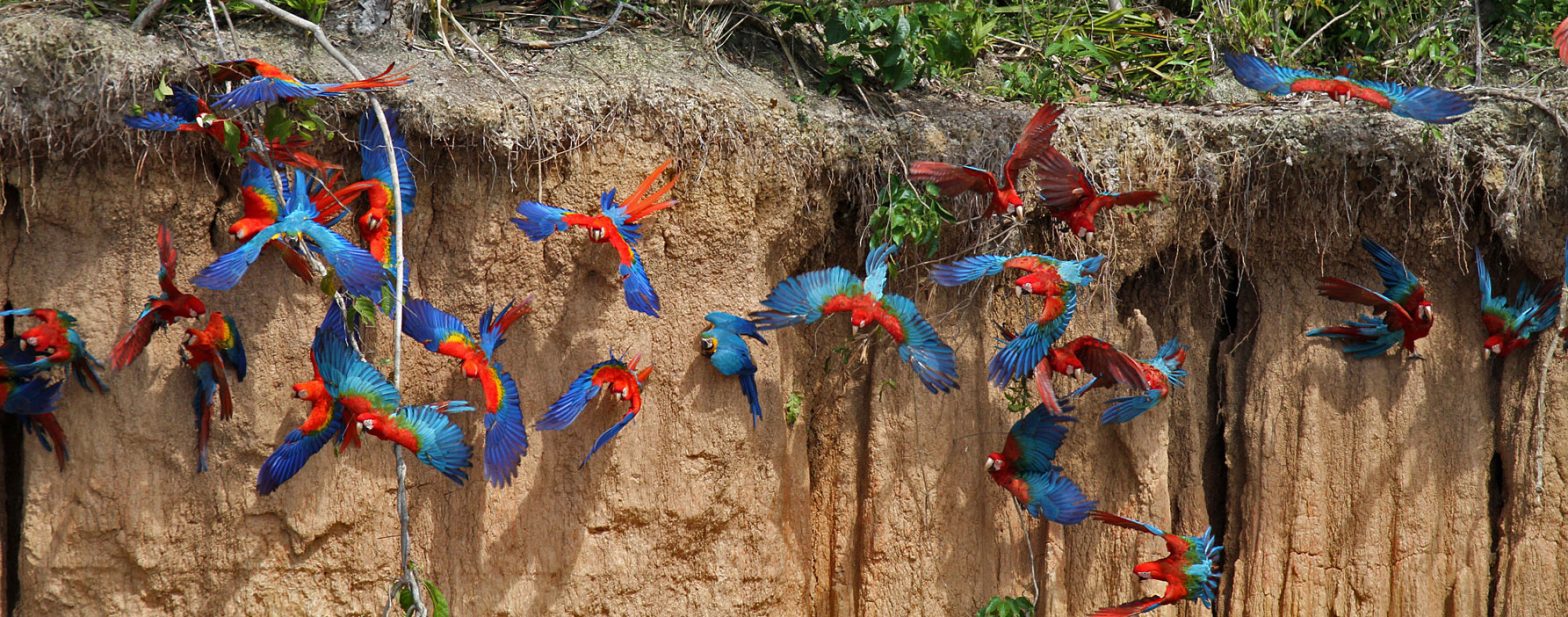
Macaws and Parrots: Macaws, the largest parrots, feature strikingly long tails and vivid plumage. Common species include the scarlet macaw (Ara macao), the blue-and-yellow macaw (Ara ararauna), and the red-and-green macaw (Ara chloropterus). Their diets primarily consist of nuts and seeds, which their strong, curved beaks crack with ease. Parrots, smaller than macaws and typically green with distinct head markings, are often seen in flocks or at the renowned macaw clay licks, which provide essential minerals for their diet. Manu Jungle Trips

Toucans: With oversized yet lightweight bills, toucans, like the white-throated toucan (Ramphastos tucanus), are notable for their vibrant appearances and ability to access fruits on thin branches. These birds are not just fruit eaters—they also consume small animals and eggs.

Hummingbirds:

Hummingbirds are a marvel of the Wildlife Amazon, known for their rapid wing beats and ability to hover. These tiny pollinators, such as the glittering-throated emerald (Amazonia fimbriata), play an indispensable role in sustaining the ecosystem by fertilizing a wide variety of flowers.

Raptors: The majestic harpy eagle (Harpia harpyja), known as the world’s most powerful bird of prey, is an apex predator targeting monkeys and sloths. Other notable raptors include the black-collared hawk (Busarellus nigricollis) and the striking king vulture (Sarcoramphus papa), adorned with a crown of vivid colors.

Hoatzins: The hoatzin (Opisthocomus hoazin), nicknamed the “stink bird,” is a curious leaf-eating species with a

unique digestion system resembling that of cows. They are notable for their family-oriented nesting habits, with

young hoatzins displaying remarkable clawed wings used for climbing. Manu Jungle Trips

Plants of the Amazon: Pillars of Life

Plants in the Amazon not only define its lush green canopy but also provide sustenance and habitat for countless

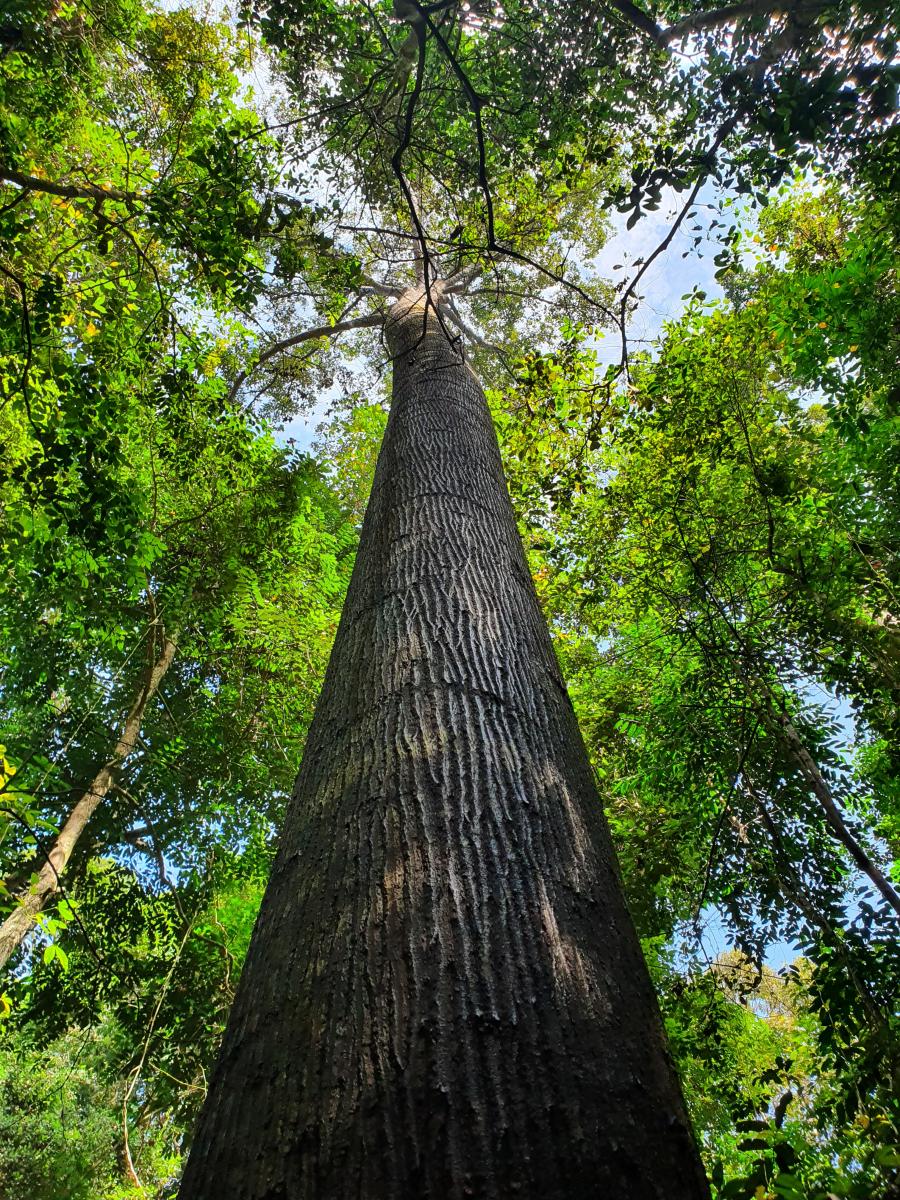
species. Tall trees like mahogany and ceiba soar above the dense understory, while palms, vines, and epiphytes form

a complex web of life below.

Key flowering plants, such as heliconias and bromeliads, support pollinators like hummingbirds and bees.

Additionally, countless medicinal plants, some still unknown to science, are part of the forest’s vast wealth.

Unfortunately, human activity often jeopardizes this priceless heritage.
 

Wild Trek Macaw Clay Lick

Wild Trek Macaw Clay Lick

Conservation objectives of the Conservation Amazonia .

Protection of flora, fauna and ecological processes of a sample of the southern Wild Trek Macaw Clay Lick. Amazon jungle of Peru.

Generate conservation processes with the population in the area of the reserve, in order to sustainably use resources such as chestnut trees and the landscape for recreation.

Contribute to sustainable development of the region and the country, from knowledge of biodiversity and management of the various renewable natural resources  -Manu Jungle Trips

  Wild Trek Macaw Clay Lick: Diversity of flora and fauna.

It is one of the places of greatest diversity of wildlife in the world in the jungle, offers healthy habitats for species that

are endangered. There have been 169 species of mammals, 103 amphibians, 205 fish and a record 1,200 species of

butterflies. Also, there have been 632 species of birds. In RNTAMB will be appreciated diversity of fauna and among the most representative are: species of macaws (macaw lick) including endemic blue green head (Ara couloni), harpy

eagle (Harpia harpija); variety of primates as the emperor tamarin (Saguinus imperator), the howler monkey (Alouatta seniculus); cats like the jaguar (Panthera onca), other mammals such as tapir (Tapirus terrestris), peccary

(Tayassu peccary). Is also the singular Rio Lobo (pteronura brasiliensis), the largest of all species of otters. Also we

have identified 17 vegetation associations by type of forest with a record of 1255 species of plants in the forest.

Observe the following in the Wild Trek Macaw Clay Lick

Register your entry and exit in each Stall Control and Surveillance on their trips to the jungle.

The Ranger is the authority within the Protected Area responsible for monitoring compliance with the rules.

Respect their signs on their trips to the Manu Jungle Trips .

Placing the waste generated in the authorized or removed outside the protected forest within the natural area sites.

Minimum Distance Fauna Observation: 20 meters.

Rio Lobo Groups: No closer than 50 m, no follow not block your access to the lake, burrows or broken.

Do not hunt or fish in the Peruvian jungle.

No bathing or washing clothes in rivers of the jungle.

Payment for right of entry and authorization to visit the attractions of the RNTAMB is required.

The local population of the area of influence of the RNTAMB can visit the attractions for free (requesting prior authorization), the last Sunday of each month.

Sandoval Lake -Amazonia .

Sandoval Lake is one of the main attractions of the Tambopata National Reserve. It is also attractive receiving major tourist because of its scenic beauty and its proximity to the city of Puerto Maldonado (45 min by boat on the

Madre de Dios). It is accessed by a path of about 02 km to a pier where visitors addressed rowing boats to enter by a small river into the lake. During the visit you can see different species of wildlife such as monkeys, macaw lick,

parrots, alligators, otters, different species of birds and the impressive diversity of flora that this has this protected natural area.

Why You’ll Love the Chuncho Macaw Clay Lick in Tambopata, Peru

An Unforgettable Birdwatching Experience: Located in the heart of the Amazon, the Chuncho Macaw Clay Lick in

Tambopata, Peru, offers one of the most awe-inspiring wildlife encounters on the planet. Thanks to its remote

location and pristine environment, this biodiverse region attracts around 20 different tropical bird species, including

vibrant macaws, playful parrots, and other stunning avian species. Whether you’re an avid birdwatcher or simply

looking for a breathtaking natural spectacle, the Clay Lick is a must-see.

Intimate Wildlife Encounters: Experience the wonder of nature up close! Our guided tours take you to a secluded vantage point just across from the Clay Lick, ensuring you witness the birds in all their glory without

disturbing their natural habitat. Unlike seeing parrots or macaws in a cage, observing these majestic birds in the

wild, where they live and thrive, is a rare and magical experience. Manu Jungle Trips

Discover the Wonders of Macaws and Clay Licks at Tambopata Research Center, Peru

Introduction to a Unique Natural Marvel

Nestled deep in the Peruvian Amazon lies the Tambopata Research Center (TRC), a beacon of conservation and groundbreaking research. Established in 1989 by Eduardo Nycander and Kurt Holle, this center has become synonymous with protecting Peru’s vibrant macaws and their remarkable natural behavior. TRC is perched beside a 100-foot-high riverbank “clay lick,” where thousands of parrots and macaws gather daily to feast on mineral-rich clays—a spectacle that leaves travelers in awe.  Manu Jungle Trips

Pioneering Research and Conservation Efforts

From the outset, the TRC team worked to preserve the striking Scarlet, Green-winged, and Blue-and-Gold Macaws. Pioneering techniques like nest boxes and chick rehabilitation provided invaluable insights into macaw reproduction and survival. Although funding challenges arose in the early 1990s, Eduardo and Kurt boldly ventured into ecotourism, founding Rainforest Expeditions. This innovative model not only sustained the research station but also opened the door for intrepid travelers to experience the Amazon’s wonders firsthand.

By 1999, Rainforest Expeditions had become a global leader in Peruvian ecotourism, operating multiple lodges, including the award-winning  Amazonas. With renewed resources, TRC hired Dr. Don Brightsmith, a research associate at Duke University, to spearhead macaw research, blending conservation with visitor engagement.  Manu Jungle Trips

Wild Trek Macaw Clay Lick – Unveiling Macaw Mysteries Through Ongoing Studies

Since 1999, Dr. Brightsmith and his team have delved into the intricate lives of macaws and parrots, focusing on topics like:

Habitat management and nest box innovations for Blue-and-Gold Macaws.
Diet analysis and its link to clay lick habits.
Seasonal and environmental factors influencing parrot abundance.
Factors affecting Scarlet Macaw chick development, including temperature and humidity.
Their findings have shaped the world’s understanding of these iconic birds while creating immersive experiences for visitors eager to learn about wildlife conservation.  Manu Jungle Trips

The Fascination of Wild Trek Macaw Clay Lick : Nature’s Nutritional Buffet

Across the western Amazon Basin, parrots, pigeons, and guans flock to specific riverbank clay licks daily. These licks, like the one at TRC, offer vital minerals—particularly sodium—and mitigate the effects of toxins in their diets.

Groundbreaking studies by James Gilardi and others in 1999 revealed that clay consumption neutralizes harmful compounds in seeds. Similarly, Dr. Brightsmith’s research at Tambopata has shown a preference for clay containing higher sodium levels, supporting both detoxification and nutritional hypotheses.  Manu Jungle Trips

Unraveling Behavioral Mysteries -Wild Trek Macaw Clay Lick

Over 900 days of clay lick observations have unveiled fascinating patterns. Birds, including Mealy Amazons and Severe Macaws, are most active early in the morning, but rain often disrupts their visits. Surprisingly, they don’t compensate for these missed opportunities later in the day or in subsequent visits, raising intriguing questions about their clay consumption needs.

Why don’t macaws adapt to rainy mornings by adjusting their schedules? Are they forced to alter their diets or compromise their sodium intake? These questions inspire ongoing research and keep the Tambopata Research Center at the forefront of avian studies.  Manu Jungle Trips

An Invitation to Witness Nature’s Masterpiece

Visiting the Tambopata Research Center offers more than just breathtaking views—it’s a chance to connect with one of the most biodiverse places on Earth. Imagine waking to the symphony of Amazon wildlife, witnessing macaws in their vibrant glory, and learning from expert guides about their intricate behavior.

This unparalleled experience blends adventure, education, and conservation, making it an unforgettable destination for travelers seeking meaningful encounters with nature.

Plan Your Journey to the Tambopata Research Center

Are you ready to witness the stunning macaws and their clay lick rituals up close? Join Rainforest Expeditions and

embark on a journey that supports vital conservation while offering the adventure of a lifetime. Explore the

untamed beauty of the Peruvian Amazon, where every moment brings you closer to understanding the profound

connection between wildlife, ecosystems, and human efforts to protect them.  Manu Jungle Trips