Full 1
MANU TOURS
MANU TOUR ZONE RESERVED 4 DAYS
Full 1
previous arrow
next arrow
Shadow

Peruvian Jungle Amazon

Peruvian Jungle Amazon

The Amazon rainforest in Peru, also known as the Peruvian jungle Amazon, is a vast and diverse natural region located in the northern part of the country, which is part of the Amazon River basin. It is one of the richest areas of

biodiversity in the world, hosting a wide variety of flora and fauna species, many of which are endemic and found only in this region.

Some highlights of the Amazon jungle in Peru include:

Biodiversity: The Peruvian Amazon is home to an astonishing diversity of species, including thousands of species of plants, mammals, birds, insects, and fish. Many of these species are unknown to science and have yet to be discovered.

Reserves and natural parks: Peru has established several reserves and natural parks to protect and conserve the rich biodiversity of the region. Among them is the Manu National Park, a Biosphere Reserve recognized by

UNESCO.

Indigenous Communities: The Peruvian Amazon is home to diverse indigenous communities that have lived in

harmony with nature for centuries. These communities have vast knowledge about medicinal plants and the sustainable way of life in the jungle.

Ecotourism: The Amazon jungle in Peru attracts many tourists interested in bird watching, canoeing on the rivers, jungle treks, and the opportunity to learn about indigenous cultures and environmental conservation.

Conservation Challenges: Despite its ecological importance, the Peruvian Amazon faces threats such as deforestation, illegal mining, poaching, and the expansion of agriculture. The conservation of this region is a crucial

issue to protect its rich biodiversity and ensure long-term sustainability.

It is important to remember that the Amazon is a large and complex region, and each part of it may have specific characteristics and challenges. If you are looking for information on a particular article about the Amazon rainforest

in Peru, I recommend that you do an online search using relevant keywords to get up-to-date and accurate information

Peru is a country with a population of almost 31 million people.

The Peruvian Jungle Amazon represents 60% of the national territory but is home to only 9.41% of the population. It is the territory with the greatest ethnic and linguistic diversity in Peru. There are five regions located in the Amazon

Peruvian (also called Peruvian jungle): Amazonas, Loreto, Madre de Dios, San Martin and Ucayali. Although the Peruvian Amazon is rich in natural resources,

this wealth has not translated into us being its inhabitants rainforest manu jungle. Activities such as the extraction

of rubber, oil and gold have exposed the Amazonian population to exploitation, migration and diseases of the western world. Accessing this area by land is difficult, if not impossible.

Providing basic health, education, protection, and water and sanitation services are some of the main challenges facing the Peruvian State. manu jungle amazon tour jungle trips

The exclusion of the communities of the Peruvian Amazon.

Amazon is reflected in the situation of children and adolescents. For example, chronic malnutrition affects 4 out of

100 children under the age of five in Lima (capital of Peru) compared to 29 out of 100 in the rural regions of the Amazon.rainfores jungle trips

The inequities between children who live on the coast, in the mountains and in the jungle are surprising, but they

are still higher when the comparison is made between the urban coast and the rural jungle. jungle trip 68% of

indigenous children and adolescents in the Peruvian Amazon live in poverty. three out of five Amazon regions

have the highest rates of multidimensional child poverty: Loreto (80%), Ucayali (77%) and Amazonas (76%). manu jungle trips

UNICEF  .

works in these three regions. Child Survival and Development, Education, Protection, Public Policies and

Prevention and Risk Management are the main areas of work of UNICEF for children and adolescents in Peru.
Amazon. manu jungle trips


AMAZON WILDLIFE NATURE

AMAZON WILDLIFE NATURE

Amazon .The Amazon River is the second longest river in the world Amazon Wildlife nature . This river is more than 4,000 miles long. The Amazon Rain Forest has two seasons, the rainy season and the dry season. In the dry season, the Amazon River can be up to 7 miles wide. During the rainy season, the river bank fl oods and gets wider. In the rainy season, the river can be up to 25 miles wide. Many animals live in the river. Some
of the animals in the river are piranhas, dwarf caimans, turtles and anacondas. in the amazon  manu jungle

PIRANHA – AMAZON WILDLIFE NATURE

The piranha is a small fi sh with very large teeth. Piranhas can be grey, blue or even black. Piranhas can be anywhere from 6 inches up to 12 inches long. Most piranhas live in warm, fresh water. Piranhas are omnivores. That means they eat both plants and animals. They also eat fruits and berries that fall from the trees above. Piranhas hunt in large groups called shoals, or packs. Other piranhas, caimans, snakes, turtles and birds all eat piranhas in the amazon wildlife nature  jungle trips .

DWARF CAIMAN – AMAZON WILDLIFE NATURE

The dwarf caiman is a member of the crocodile family. Caimans live mostly in fresh water. Sometimes you cannot see the caiman when it is in the water. The caiman’s eyes are above the water but the rest of its body is under water. They look like logs fl oating in the water. This is called camoufl age. This is the way that caimans make sure their food or prey does not know they are there. The caiman has hard scales on its body to protect it from predators. Caimans eat fi sh, crabs and shrimp. amazing   jungle trips .

AMAZON WILDLIFE NATURE – ANACONDA


The anaconda is one of the largest snakes in the world. This snake can grow up to 30 feet long. It is dark green or brown. The color helps the anaconda blend into the area where it lives. This snake lives on land near the edge of the water.  Anacondas also spend some time in the water. The eyes and nostrils of an anaconda are on the top of their head. This is so the snake can see and breathe when most of its body is under water.

Anacondas are constrictors.

This means that they wrap around their prey and squeeze tightly until their prey cannot breathe. Anacondas are very strong. They eat large rodents, small mammals, frogs and fi sh. Snakes grow by molting, or shedding, their skin. Anacondas are so big that they have to shed their skin in pieces. Snakes, like the anaconda, are cold-blooded, which means that they cannot control their body temperature. They bask in the sun on a hot rock to warm themselves and rest in the water or damp mud to cool themselves down. exploring   manu trips

GIANT AMAZON RIVER TURTLE


The giant Amazon River turtle is one of the largest freshwater turtles in the world.

These turtles are very good swimmers. Amazon River turtles stay in the water for most of their lives. Usually only the female leaves the water.
This is so she can lay her eggs. The giant Amazon River turtle eats fruits, leaves, plants and insects. Female turtles of this species can be up to 200 pounds. Many animals, like the black vulture, eat baby

Amazon River turtles. The adult giant Amazon River turtle is so big that it does not have many predators. Jaguars and black caimans are the only animals big enough to eat the giant Amazon River turtle

The Amazon Rain Forest jungle trips  .his book offers a lively introduction to the ecology, history and economy of the Amazon rain forest. It explains why the rain forest is important for the future of mankind, and it also highlights the pressures and problems that rainforests around the world face in today’s global economy. Students will all possess some general knowledge about the Amazon rain forest before they read the book.

The book begins with a multiple-choice quiz to test the readers’ knowledge and to arouse their curiosity about the questions they do not know the answers to. All the
answers can be found later in the book.

The Amazon  peru Manu Jungle .


This first section describes the course of the great Amazon River from its source, high in the Andes, to its exit into the Atlantic Ocean 6,400 kilometers downstream. Each part of the river is quite distinct – and the text describes the differences in landscape, vegetation and weather as well as some of the people that live along the river at different points.

What is a Rain Forest: This section describes some of the plants and animals of the forest and also explains how the warm, wet weather of the Amazon helps to maintain such an abundance of life.

The world’s rain forests are a rich resource of food and medicine that is currently not used or understood to its full potential. The text suggests that we could lose thousands of life-saving medicines and foods if the destruction of rain forests continues at its present rate.

Why are Rain Forests Disappearing:This section talks about the destruction of the world’s rain forests over the last 100 years. It also explores why this has happened and why it may continue to happen unless the world’s consumers, companies and governments change their current habits.

The People of the Rain Forest:


This section explores the lives of different people in the rain forest and presents their experiences through a series of first-person narratives. Here, readers learn about the relation between the people of the Xingu River and the white men through a story of an old man.

They also find out about the Kayapo Indians by means of an old man’s story and a short panel story which help to build a fuller picture of the Kayapo’s lives and concerns. Next, readers hear about how the Amazonian forests were cleared for farming, and how farms eventually failed

leaving people without money, through the story of a Brazilian taxi driver. Readers are then informed about the economic rise and fall of Manaus—the most important city in the Amazon

rainforest. Manaus became rich due to the rubber industry but it eventually suffered a severe economic decline in the 1920s when other countries started producing rubber more cheaply.

Finally, readers hear the views of a Brazilian cattle farmer who argues that Brazil, as a whole, will face a poor future if it does not use even more of the rain forest land for farming.

Plans for the Rain Forests: This final section ends by looking to the future and asking what can be done to save the rain forest whilst still safeguarding the livelihoods of the people who live in and around it. wild manu jungle

Background and themes Environmental issues:


These issues are the main theme of the book. With the destruction of the rain forests, thousands of the world’s animals and plants are becoming extinct even before we have the chance to discover and study them.

Also, the rapid disappearance of much of the world’s forests is contributing towards global warming. The world’s weather systems are changing and the results could be catastrophic.

The effect of colonization: The book also explores the role that history has had in the destruction of the Amazon rain forest. When the Europeans arrived in South America in the sixteenth century, they changed the continent for ever. Many indigenous people were killed in wars and by imported diseases.

By 1700 the colonists were plundering the rain forest’s resources to meet the demands of Europeans and North Americans for hardwood. And with the growth of the global economy through the nineteenth and twentieth centuries, Brazil became more and more reliant on its exports—rubber, wood and agricultural produce. All of these industries put more pressure on the forest’s resources. wild manu trips

The future of the Amazon: By presenting a number of different points of view, the book highlights the difficult job that Brazil’s government faces. The forest’s resources are wanted by a number of different groups of people, each with their own strong arguments. In addition to needing to take responsibility for the welfare of its own people, the Brazilian government is also under a lot of external pressure from environmental groups and other governments around the world. The future of the Amazon is an international affair and relies upon cooperation and
understanding among nations.

Discussion activities Before reading


1 Pair work and predict: Ask students to look at the cover of the book but not to open it. Based on their
own general knowledge, each pair should write an outline for a short book about rain forests. Guide
them with these instructions: Look at the book cover in pairs and imagine the main sections of your book.
Include also a short description of the content (including any pictures) of each section.

2Compare: When the pairs have finished their outlines, ask them to look at the book’s Contents page
and to flick through its pages to compare it with their own books:

The Amazon Rain Forest and compare its contents to your own book. How close were you?
3 Read carefully and pair work: Ask students to read the Introduction in pairs. Guide them with these
questions: Read the Introduction in pairs and (a) discuss with another student how it makes you feel. Then (b) try
to answer the question at the bottom of the Introduction together. flora and fauna manu trips

The future of the Amazon:


By presenting a number of different points of view, the book highlights the difficult job that Brazil’s government faces. The forest’s resources are wanted by a number of different groups of people, each with their own strong arguments.

In addition to needing to take responsibility for the welfare of its own people, the Brazilian government is also under a lot of external pressure from environmental groups and other governments around the world. The future of the Amazon is an international affair and relies upon cooperation and understanding among nations

Amazon Wildlife Peru Ants and Termites

Amazon Wildlife Peru Ants and Termites

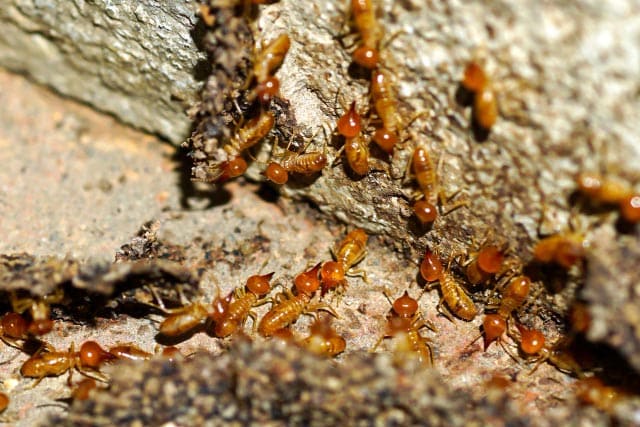
Amazonia Rainforest Termites .

These termites also play a fundamental role in the Amazon Wildlife Peru Ants and Termites as it is in the

conservation of the environment of ecology. As the investigations in recent years have been studying that these

insects are very social in their behavior and in their constructions, they are formidable agronomists. the presence of

these termites and its structures that build and have created a crucial barrier against drought and desertification in

the natural area of ​​the Amazon Sandoval Lake .

Termites in the Forest – Amazon Wildlife Peru Ants and Termites .

The termite colonies that modify their properties that are soils and by decomposing this organic matter. The main

thing is wood and litter, plus they protect these, which are very nutritious and soil moisture is very regular, all these

factors that are to maintain the balance of the tropical ecosystems of the Amazon. That protects the functioning of

the ecosystem of the environment”. Amazon Wildlife Peru Ants and Termites Most of these species of termites

erect huge mounds of hard dry earth in the forests and savannahs and And all of them they build very carefully and

well organized: and each termite mound has six neighbors, about 50 meters apart. these structures more

closely resemble a mosaic of hexagons, erected to optimize the distance between each one. These mounds of dry and

very firm earth can reach more than five meters in height, which allows plants to flourish and prevents the

definitive desertification of the soil of this Amazon.

Amazon  Manu Trips

The Manu National Pair we have numerous species and variety that inhabit this natural area called Manu National

Park Natural Paradise .

It is known that a variety of these creatures have about 30 species that were registered with more than 1,300 species

of butterflies, as they were registered. 136 of dragonflies, was known as a variety of 300 species of ants (more than 40

species were found on a single tree)

and a great variety of 650 species of beetles.

The Peruvian Amazon is one of the richest that has a great diversity of species that inhabits its natural area of the

Manu National Park (wild life of Peru),

Peruvian Amazon Insects -Amazon Wildlife Peru Ants and Termites

Every day, scientists ventured deeper into the tropical rainforest of the Maliau Basin in Borneo, surrounded by

gigantic trees and astonishing biodiversity. However, what they discovered was not just the fascinating world of the

more visible fauna and flora, but an invisible yet crucial protagonist: termites. These small insects, often

misunderstood, play a key role in the fight against climate change and the preservation of forest ecosystems.

In the majestic rainforest of the Maliau Basin, Borneo, the tallest trees in the world rise above a team of scientists led

by entomologist Hannah Griffiths. Each day, they immersed themselves more deeply in a vibrant ecosystem where

birds, insects, and animals such as the Malayan bear and the king cobra roamed the forest floor. However, their

research focused on one of the smallest and least conspicuous creatures in the forest: termites. Amazon Peru Tour

Although termites are often seen as a threat to human homes, in natural ecosystems they play a crucial role in the health of the tropical forest.

But how exactly do these insects help combat the effects of climate change? In a recent study published in Science, a

team of researchers discovered that termites not only help maintain the balance of the ecosystem, but also play a

critical role in the resilience of tropical forests against extreme climatic events such as droughts.

The Impact of Termites on Tropical Forests -Amazon Wildlife Peru Ants and Termites.

Termites are known for their ability to decompose organic material such as leaves and dead wood, which allows them

to recycle essential nutrients back into the soil. This process is vital for the health of the ecosystem, as it helps

maintain carbon balance and improves soil structure. In their study in Borneo, Griffiths’ team discovered that,

during the severe El Niño drought of 2015-2016, termites significantly contributed to the forest’s resilience by

maintaining soil moisture and supporting the growth of new plants. Trips Amazon Peru 

Termites: Vital Insects for Ecosystem Health -Amazon Wildlife Peru Ants and Termites

Despite their bad reputation for causing millions of dollars in damage to properties around the world, in tropical

ecosystems, termites are “invisible guardians” that regulate the environment and facilitate the natural regeneration

of forests. By removing termites from certain areas and observing the results, the researchers were able to see

firsthand how the presence of these insects directly affects the forests’ ability to withstand droughts and other

extreme climatic events. Manu Reserved Zone Tours 

The Crucial Role of Termites in the Climate Resilience of Tropical Forests – Peruvian Amazon Insects

Key terms related to this topic that can be naturally integrated throughout the article include: “termite,” “tropical

forests,” “climate change,” “termite ecology,” “ecological function of termites,” “drought in tropical forests,” and

“biodiversity in Borneo.”

Guide Amazon Butterflies Field

Butterfies In Amazon Field – Trail Peru

BATTERFLIES IN THE AMAZON TRAIL PERU

Butterflies and moths Among rainforest Guide Amazon Butterflies Field and moths, several evolutionary strategies are more or less in play continually (see box below)We do not know precisely the number of species recorded from

the lowland Amazon, let alone the true number. Accurate measures may never be possible. Lepidoptera is perhaps the best-known invertebrate group, with about 112,000 species worldwide, of which some 4.000 butterflies have

been described from Peru alone among the biggest Amazonian leps are moths, notably the splendid saturnalia. Guide Amazon Butterflies Field . to amazonnia peru manu jungle .

Guide Amazon Butterflies Field -Moth (Tysania agripina):

with a wingspan up to 30cm in the largest species Occurring throughout much of the Americas and Europe, hawk moths are very large and resemble a hummingbird in form and size, so closely in fact that bates several times shot

by mistake a hawk moth instead of a bird’. The biggest hawk moths are sometimes called

Guide Amazon Butterflies Field -Hummingbird Moths:

As they ‘hum’ due to rapid wing beats while hovering. This behavior allows them to feed on flowers while out on nocturnal forays. Indeed this is the nocturnal equivalent of the hummingbird’s ecological niche, and to attract the

moth flowers are usually white and pungent another interesting group of Lepidoptera is the Pierid butterflies, a family in which most species appear to have only four legs compared with the normal six of virtually every insect.

In fact the forelegs are held close to the body and only the, two pairs of rear legs are used to stand rainforest savants are familiar with . growing many specie in trips manu

Morph Butterflies in Amazon Trail Perú:

distinguished by their large size and wings of iridescent blue, which may be 15-20crn across. But despite being obvious in flight the resting morph is cryptic, showing only the underside of its wings, and almost

indistinguishable on the trunk of a tree these magnificent creatures seem barely able to fly under their own impressive size and weight; their looping flight path appears both laborious and strained. Typical upper Amazon

species include Achilles, negro and didoes. These butterflies are highly diverse with over 80 species of morph within the subfamily  and specie in manu jungle .

Morphinae:

Another subfamily (Brassolinae) includes Caligo spp which has superb eye spots – perfect replicas of owl eyes – while the rest of the wings and body complete the deception- mimicking the bird’s ‘ears’ and beak in the

Nymphalidae family, along with morphs, is the beautiful Heliconiinae subfamily, along wings, which have a convoluted evolutionary interaction with their passiflora vine host plant. Cyanide compounds produced by pass

floras put off most insect herbivores but not the helicoids. tour manu jungle  .

Female longwings lay eggs -Guide Amazon Butterflies Field .

on the leaves of the vines, which try to prevent this by producing, direct from the leaf tiny protuberances that look like eggs. Fooled into thinking that these are real eggs.the female wrongly decides the plant is already taken.

She moves on and the plant has saved itself from an army of hungry caterpillars. But of course, there is strong selection for females who are not easily deceived and, when they can tell the difference, plonk, down go the eggs.

Selection favors the plant that produces a more realistic fake egg, and the butterfly evolves to get better at detecting the fake and we have another evolutionary arms race. Some passion vines produce nectar to attract ants and wasps that attack butterfly eggs and caterpillars. different specie  in manu trips  .

Many helicoids are highly poisonous,

‘a flying cyanide capsule in the words of Diane Murawski (7996), an expert on South American butterflies. Exactly how they acquire the poison is unknown, but it is believed to depend on toxins produced by the host plant,

ingested by the caterpillar or butterfly, and sequestered for later use. Now it gets really interesting. Different species of poisonous helicoids have evolved to mimic each other, sharing similar wing patterns. In the Amazon of

southern Colombia and western Brazil, two different species, Heliconius  Erato and melpomene, each have a race (or subspecies) that share virtually identical wing patterns. Hence the two races H reductimaeula and vucunus look

the same. Mullerian mimicry was first discovered in the late 19th century by the German naturalist Fritz Muller. One or two tastes of either of these two poisonous species and predators associate the ‘search image’ used to

recognize food with poison; subsequently all butterflies which share the pattern will benefit from being off the menu.

Thus, natural selection favors like looking individuals whether or not they’re different species.

Trays of mounted insects are sold by hawkers who hang around tour operator offices and airports. Some insects – notably morphs – and large beetles like Cerambycidae and Lucanidae species, especially the ‘Goliath’ goliaths)

beetles are at risk or threatened from over-collection, so don’t buy them. Travel  al Manu Park 

Discover the Butterflies of Peru: A Jewel of Biodiversity and Nature – Amazon Field Guide to the Manu Park Butterflies”

Introduction: Peru is a country with exceptional biodiversity, where nature is expressed in an incredible variety of

forms and colors. Butterflies, with their delicacy and vibrant hues, hold a special place in the landscapes of its

diverse regions. In this article, we explore fascinating facts about the butterflies that inhabit Peru, a true paradise

for these insects. Keep reading to learn more about these winged creatures.

Peru: The Country with the Greatest Butterfly Diversity in the World

Peru stands out globally for its incredible biological diversity, and among its natural wonders, butterflies hold a

prominent place. With over 4,000 species of butterflies, our country is home to the greatest number of butterfly

species in the world, surpassing even the 17,000 known species globally. These butterflies are not only a visual

spectacle but are mostly found in the Peruvian Amazon, particularly in areas like Cusco, the Tambopata National

Reserve, and the Manu National Park. This vast number of species makes Peru a key destination for researchers and nature lovers alike.

Butterflies: Guardians of Pollination in the Peruvian Forests – Amazon Field Guide to the Manu Park Butterflies

The role of butterflies goes beyond their beauty. These small but powerful creatures play a crucial role in the

pollination of many plants, both diurnal and nocturnal. Unlike bees, which only pollinate during the day, nocturnal

butterflies also significantly contribute to this process. This ecological service is vital for the recovery of forests

affected by deforestation and intensive agriculture. Tour  Macaw Clay Lick 

Butterfly Breeding Centers: A Pillar for Conservation and Study

Since butterflies are vulnerable species due to deforestation and other threats, butterfly breeding centers have

become key places for their conservation and study. These spaces not only allow controlled reproduction of

butterflies but also facilitate the cultivation of host plants essential for their life cycle. Additionally, breeding

centers are points of interest for ecotourism, where visitors can learn about local biodiversity and acquire products

like mounted butterflies, which are highly valued both in the national and international markets.

Monarch Butterflies: A Spectacle in Lima’s Parks -Guide Amazon Butterflies Field

Monarch butterflies, famous for their massive migration, have also found a space in Lima’s parks. In recent years,

various municipalities in Lima, such as San Borja, Surco, and Miraflores, have implemented programs to

encourage their reproduction.  These programs include the cultivation of Asclepias flowers, which serve as a food

source for Monarch butterflies. Creating these urban habitats allows Lima residents to enjoy a unique natural

spectacle while contributing to the conservation of this iconic species.


Cusco Machupicchu Trek

Itineray  Cusco Machupicchu Trek

Cusco Machupicchu Trekking – Peru


•Location: Cusco is located in the central area and south oriental Of Peru Cusco Machupicchu Trek . It occupies much of the orographic knot of Vilcanota. Its diversity and the abrupt changes in Landscape and ecosystems are mainly associateds a the Andes Mountains. If this does not exist, and Cusco And Peru in general, would be tropical places.

• Surface: 72,104 Km2
• Topography: Its relief presents the Eastern Cordillera and Central of the Andes Originate in the Knot of Vilcanota. The Ori Cordillera Cental is subdivided into three Branches: Vilcanota, Vilcabamba, Paucartambo.

The Andean zone presents / displays aspects of high mountain As high plateaus and Plateaus, extensive pampas lined with deep Broken by The rivers flow, forming valleys and cañones, being the most Important ones developed by the Paucartambo rivers, Urubamba and Apurímac.

In the High Forest -Cusco Machupicchu Trek peruvian

the descent from the To the lowest of the Cusco’s territory offers us great diversity Of exuberant
Vegetation, where continental warm weather reigns

Weather: Varied due to the great diversity of floors Dinales.?

  • In the lower parts (2 000 meters down),
  • The most are given Varied types of warm climates. ?
  • On Interandinos floors the climate is temperate. ?
  • In the intermediate floors the climate is temperate. ?
  • In the higher parts (3 700 m or more) predominate
  • the Cold temperatures.

• Altitude: 3 399 masl. City of Cusco
Minimum 532 masl. (Pilcopata).
Maximum 4 801 masl. (Suyckutambo).


• Limit : To the North With the jungles of Junín and Ucayali
To the West With the jungle of Ayacucho and the mountains
From Apurimac
By the South With the high zones of Arequipa and Puno
By the East With the great Amazonian plain of Madre And God.


• Distances and access roads:

  • From the City of Lima: 1 153 km to the City Of the Cusco.
  • Access to Cusco is as follows: ?
  • Land: Lima-Arequipa-Cusco: 1 650 Km. (26 hours by car).
  • Lima-Nasca-Puquio-Abancay-Cusco: 1 131 Km. (20 hours in car).
  • Puno-Cusco: 389 Km. (07 hours by car) ?
  • Air: Regular flights from Lima (1 hour) and from Arequipa (30 minutes), Puerto Maldonado (30 minutes) to
  • the city of Cusco.?
  • Iron : Regular service: Puno-Cusco: 384 Km. (10 hours)


CUSCO: MAIN AT TOURIST RACTIVES


1. Andahuaylillas :A village where the church of San Pedro de Andahuaylillas stands out, built Beginning of the 17th century. They adorn their interior golden altars, paintings and murals of the School of Cusco and silver jewelry. Beautiful is also its plaza enhanced by Pisonay trees. A few more kilometers There we arrive at the town of Huaro, where the witch-doctors of the Inca times lived.

2.San Blas neighborhood :This city is famous because we can find the most important artists of the region. We could visit an amazing folk fair, warehouses of artisans, Beautiful squares and walk along the narrow streets where you can appreciate The colonial architecture as the church of San Blas, the oldest in the whole city. We can also share with the community their customs and enjoy the food region of.

3. Maras :It shows a large church and beautiful mansions with Indian noble shields, reflecting a Time of prosperity during the colony.
Site of obligatory stop in the mines of salt, exploited from the times of the Empire until today, where we can participate in the extraction of this mineral, Using the technique of those times.

4. Moray :Agricultural platforms that served as Inca agricultural laboratory to experiment with Their crops. Moray contains history and scenic beauty. From here also We can reach the salineras and enjoy the spectacle of salt pits.


5. Ollantaytambo :

Considered the “Inca people” living”; This village Receives with the mystery that Encloses their ancestors Incas, intact dwellings, in Which does not appear to have After the time, Various ecological floors,
Andean reservoirs and reservoirs Of food, and the Inca bridge Way to Pachar. However, In addition, the monoliths of Pink granite assemblies With impressive perfection and The Fortress of Ollantaytambo,

2 Built by terraces of carved stone whose purpose, as the Of other fortresses of the same nature, was to protect the empire from another angle. In this area we will also appreciate other monuments such as Mañaraucay, Incahuatana and the Baths of the Princess.

But the main attraction of this region is its tradition and people. As suspended in The time and dressed in the traditional way, we will go back to the ancestors Incas, sharing with local guides and communities myths, legends and Customs that will paint the panorama of a powerful and mystical empire.

6. Paucartambo :Following the alternate route to Pisac, between Huancarani and Huambutío, we reach Paucartambo, beautiful example of colonial Peru with Andean roots. Streets Cobbled and narrow, flanked by its charming blue balconies

Which contrast with the sky in the sky.Cusco Machupicchu Trek


In the month of July we can participate in one of the most spectacular festivities Of the area, the Fiesta de la Virgen del Carmen and enjoy an endless Celebration where we will dance with the masked to the sound of the comparsas and The processions in honor to the Patron of Paucartambo.

Take a good swim and head for the Mirador de las Tres Cruces, and Witness of one of the most unforgettable and beautiful sunrises in the world.

7. Piquillacta  :Called “City of Fleas” was one of the most important centers for culture Wari. It is a set of constructions whose objective was to defend its territory and Store agricultural products.

A few steps further we will encounter the lagoon Lucre or Huacarpay, Various animal species. We will enjoy the landscape and the regional meals in the Restaurants that are located in the area 3491/5000

8. Pisac :

Gateway to the Urubamba Valley, Pisac is a picturesque village of Mestizo and colonial characteristics. Be part of the local customs With their communities and enjoying the crafts in the traditional market where You can find various objects and fabrics of the area.

Another attraction of Pisac is its church of colonial origin where they are celebrated Masses in Quechua with the presence of the Varayocs, the local authorities.

Prepare to climb uphill from the hill where the Archaeological Site is located Of Pisac, another of the important fortresses that also guarded the capital of the empire. As we ascend we will witness the most spectacular Andenerías Pisac is conformed by diverse districts in which it is distinguished the one of

Qanturaquay, Amaru, Punku, Intihuanta or Solar clock and Tanqanamanka, considered the The largest pre-Columbian cemetery in South America.

9.Parade ground :Known by the people of the time as Plaza Aucaypata, that in Quechua Means “Warrior’s Square”, was one of the most important scenarios for the Incas who performed dazzling festivities such as the Inti Raymi.

Its beauty stands out thanks to the beautiful framework given by its stone arches Of two plants, work developed with the arrival of the Spaniards to Peru.

10. Puca Pucara :Cusco Machupicchu Trek

Puca Pucara receives its name in Quechua from “Red Fort”, due to the red color Which acquire the rocks during the twilight. Puca Pucara is another example of Architecture that also functioned as an administrative center, and invites us to To cross its platforms, terraces superposed, stairs and passages where They transited mythical characters of the Inca empire.

11. Qenco : What impresses us the most when arriving at Qenc Or is the huge block of carved stone Which is believed to be used to store chicha, corn drink consumed during .

The cults. Entering this complex of tunnels and underground galleries, Adorned with Inca deities, we will arrive at a circular patio in whose center it emphasizes A stone or Wanka that could represent an image.

12. Sacsayhuaman  – Cusco Machupicchu Trip-Cusco Machupicchu Trek

If what we want is To exercise on foot Until this impressive Military fortress Incas, it will take us 25 Minutes and 10 minutes in car. Located two kilometers Of Cusco, Sacsayhuaman Is a complex of Granite platforms Communicate with each other
Staircases and doors. From the top of a Hill, this fortress Jealously guarded the Capital of the empire.

In addition, its fame lies in the astonishing precision with which the Stone that make it up. They also state that in their construction, the Work of 20 000 men and it took more than seven decades to raise it. We pay attention to the ingenious detail in its architecture, since this imposing Fortress represented the head of a puma, animal that symbolized the Cusco During the empire. Also worthy of mention are the Rodadero, natural rock outcrop, and the
Throne of the Inca.

4 13. Urubamba : Located in the center of the Urubamba Valley and surrounded by beautiful landscapes Characterize the Peruvian sierra, this village was pre-Hispanic agricultural center.

Enjoy the delicious typical dishes in its famous picanterías and restaurants and Be energized to explore its countryside and other landscapes adorned by the Imposing Nevado Chicón.

14. Yucay :  Enter Yucay, a town framed by beautiful landscapes of green valleys of Weather, and visit the Palace of the Inca Sayri Tupac, known rebel of Vilcabamba, temple of stone and adobe with decorated in high and low relief. Let’s get to know the Colonial Church and the site museum.

15. Tipón :

The Tipón Archaeological Complex is located 25 kilometers from Cusco. According to Legends, Tipón is one of the royal gardens that ordered to build Wiracocha. This Formed by twelve terraces flanked by perfectly polished stone walls and Huge platforms, canals and waterfalls, which with the flora of the place, has a Awesome landscape

16. Limatambo : In the Chronicle of Peru, Pedro Cieza de Leon recognizes Limatambo as a party Of the scenario in which the bloody battle of Diego de Almagro took place “with the Indians before they entered Cusco. ”

The truth is that the history of this place – in which The archaeological complex of Tarawasi – imposing Ancient; Perhaps from the flourishing years of the Inca expansion (1400 AD).

From According to the opinion of the researchers, Limatambo was one of the four tampus Or couscous from Tahuantinsuyo. Places of supply and rest that Were used both when leaving and arriving at the capital of the Incas. The others were Paucartambo, Pacaraitambo and Ollantaytambo.

These rooms were located in Each of the four cardinal axes, 70 or 80 kilometers from the Imperial City.

17. Machu Picchu : Cusco Machupicchu Trek

Hidden from the passing of the centuries, entangled between the enchantment of the jungle and the mountain, Machu Picchu keeps within its walls the enigma of a legendary empire and in the Labyrinth of its passages.

Archaeological wonder of Peru and the world, considered by UNESCO “Heritage Cultural Heritage of Humanity “, and recently chosen as” New Wonder of the World “, Machu Picchu invites us to explore its intricate and spectacular architecture and One of the greatest mysteries in the history of Peru: the empire of the Incas.

Referring to Fig. Located in the margin Left of river Vilcanota, in the gorge From Kusichaca, this spectacular
Construction is Nailed to the top Of the mountain Machu Picchu, that in Quechua means ” Montana
Old woman “Faced with this, Imposes the summit of Huayna Picchu Or Young mountain Both,

Bathed by the torrents Urubamba river. The highlight of this complex is that it complements itself harmoniously with the Natural environment that surrounds it, an effect rarely seen in other Works created by man.

18. Choquequirao :

It is located in the Cusco Region, and It consists of nine Sectors, including Highlight are: the center Religious
System of sources and Channels with aqueducts, and The group of covers.

It is necessary to emphasize the Religious character of this complex. The architecture Is distributed Around one
Esplanade or plaza Main, and Complemented by a very Well preserved agricultural andeneria system.

The archaeological remains Distributed in the descending part of Choquequirao hill and are grouped as Small districts, somewhat separated from each other, following a probable criterion of fusion And social rank.

The residential sector and the andenerías The residential area is in the descending part, while the flanks of The mountains contain the cultivated fields. Some of them had channels Irrigation and were used permanently, while others were, upon perishing, Temporary

6 The ceremonial sector : The ceremonial zone is located in the part called Plaza Principal, while That in the high part highlights a series of sophisticated buildings.