Full 1
MANU TOURS
MANU TOUR ZONE RESERVED 4 DAYS
Full 1
previous arrow
next arrow
Shadow

The Medicinal Plants Amazonia Rainforest Peru

The Medicinal Plants Amazonia Rainforest Peru

The Medicinal Plants Amazonia Rainforest Peru That is responsible for the thousands of different  chemicals  found in tropical forest medicinal plants  some 25% of

all drugs found in a modern pharmacy in fact are derived or copied from those found in the rainforest. The reason

for this is quite simple.

Unlike animals, plants are unable to run away from predators Instead, over millions of years they have evolved a

bewildering variety of what are called “secondary compounds chemicals that have nothing to do with the plant’s

physiology but rather have evolved solely for the purpose of defense.

The alkaloid from which cocaine is derived is one of them. Curare (a common blow-dart poison), quinine, rotenone

and a host of hallucino­genic drugs are among the thousands of others.

Although masked in what appears to be a uniform green, the jungle is actually a staging ground for an intense

chemical battle that daily rages between animals and plants. Because a single hectare (2.5 acres) of rainforest can

have up to nearly 300 different species of trees (a typical temperate forest may have 20),

in reality the jungle represents the largest, most highly-sophisticated repository of biologically active chemicals in

the world. amazonia plant  medicinal 

EXPEDITIONS  AMAZON  The Medicinal Plants Amazonia Rainforest Peru

Despite the potential utility such a reservoir holds for drugs, medicines and other uses ironically less than 1 % of the

Amazon’s plants have thus far been chemically analyzed.

Most scientists agree that it would be prohibitive­ly expensive and would take hundreds of years to randomly search

for useful compounds in the rest. Scientists called ethno botanists, however a cross between an anthropologist and

a botanist are currently trying to take advan­tage of the fact that there are already people who know just where

many  of those compounds are.

Having lived in intimate contact with rainforest plants for thousands of years, the Amazon’s Indians, and especially

their medicine men, or shamans, have a vast, unwritten botanical knowledge that is passed on orally from

generation to generation.

As one ethno botanist working in Peru phrased it: The Medicinal Plants Amazonia Rainforest Peru“

Looking for a useful plant on your own is like entering a huge, multi-million-volume library and trying to find a

certain paragraph at random. The Indian shaman is the librarian of the jungle amazon :

he can show you a hundred different medicines at the drop of a hat.”Since native cultures are disappearing even

faster than the intact rain­forests which surround them, however, ethno botanists are currently hurrying to record the

Indians’ legacy of millennia, before it, too, disappears.


Complete Guide to Medicinal Herbs: Benefits, Precautions, and Tips for Safe Use of The Medicinal Plants Amazonia Rainforest Peru

Medicinal herbs are plants that have been used for centuries to treat various diseases and conditions. While many

people turn to them for their natural benefits, it’s essential to understand how to choose and use them safely. In

this guide, we’ll explain everything you need to know to make the most of medicinal herbs and avoid potential

health risks. Tour manu Reserved Zone 

What Are Medicinal Herbs? The Medicinal Plants Amazonia Rainforest Peru

Medicinal herbs are plants used for therapeutic purposes to prevent, alleviate, or treat diseases. They can help

improve overall well-being, boost energy, promote relaxation, reduce stress, or even aid in natural weight loss.

Despite their widespread use, medicinal herbs are not considered medications in the traditional sense. They are

not regulated or tested in the same way as conventional drugs, meaning they can vary significantly in quality and

effectiveness. tour macaw clay lick 

Why Is It Important to Use Medicinal Herbs with Caution?

Although many herbs have proven medicinal properties, not all are safe or effective for everyone. Here are some

key points to keep in mind:

Lack of Regulation: Unlike pharmaceutical drugs, medicinal herbs do not require extensive testing before being

sold. This can lead to products that may not contain the correct amount of active ingredients or even contain

substances not listed on the label.

Risks of Interaction with Medications: Some herbs can interfere with prescribed medications, altering their

effectiveness or causing severe side effects. For example, St. John’s Wort can reduce the effectiveness of certain

antidepressants and contraceptives.

“Natural” Doesn’t Mean Safe: A common misconception is that if something is natural, it’s completely safe.

Herbs can cause unwanted side effects, especially if used in incorrect doses or over extended periods of time.

Examples of Medicinal Herbs and Their Risks

Some medicinal herbs have proven effects, but they can also be dangerous if not used properly. Here are a few

examples:

Kava: Used to treat anxiety, kava can be effective, but it can also cause severe liver damage if not taken correctly.

The FDA has issued warnings about its use due to its side effects.

St. John’s Wort: While it may help treat mild depression, this herb can interfere with other medications and cause

side effects like stomach discomfort or anxiety.

Yohimbe: Used to treat erectile dysfunction, this bark can cause high blood pressure, anxiety, and other problems

if consumed in excess.

How to Choose and Use Medicinal Herbs Safely

If you decide to use medicinal herbs, it’s crucial to be an informed and cautious consumer. Here are some tips for

choosing and using herbs safely:

Beware of Exaggerated Claims: Avoid products that promise miraculous results, such as pills that quickly

eliminate fat or secret solutions that supposedly health professionals don’t want you to know about. If it sounds too

good to be true, it probably is.

Don’t Be Swayed by Personal Testimonials: Success stories from others are not scientific evidence. Make

sure to base your decision on reliable data and scientific studies about the effectiveness of the herb in question.

Consult Your Healthcare Provider: Before trying any medicinal herb, consult your doctor or pharmacist. Ask

if the product is safe for you, if it interacts with any medications you’re taking, or if it could affect your treatment.

Buy from Certified Brands: Purchase medicinal herbs from reputable companies that have quality

certifications, such as USP Verified or ConsumerLab.com Approved Quality. These certifications ensure that the

products have been tested for purity and quality.

Be Cautious If You Are Older, Pregnant, or Have Specific Health Conditions: If you are over 65,

pregnant, breastfeeding, or have a chronic illness, talk to your doctor before using medicinal herbs.

Conclusion: Medicinal Herbs Can Be a Natural Option, But with Caution

Medicinal herbs can offer significant health benefits, but it’s essential to use them responsibly and with caution. Be

sure to research, consult with your healthcare provider, and choose quality products to avoid potential risks.

Remember that “natural” doesn’t always mean “safe.” With the right knowledge, you can incorporate medicinal

herbs into your routine effectively without jeopardizing your well-being.
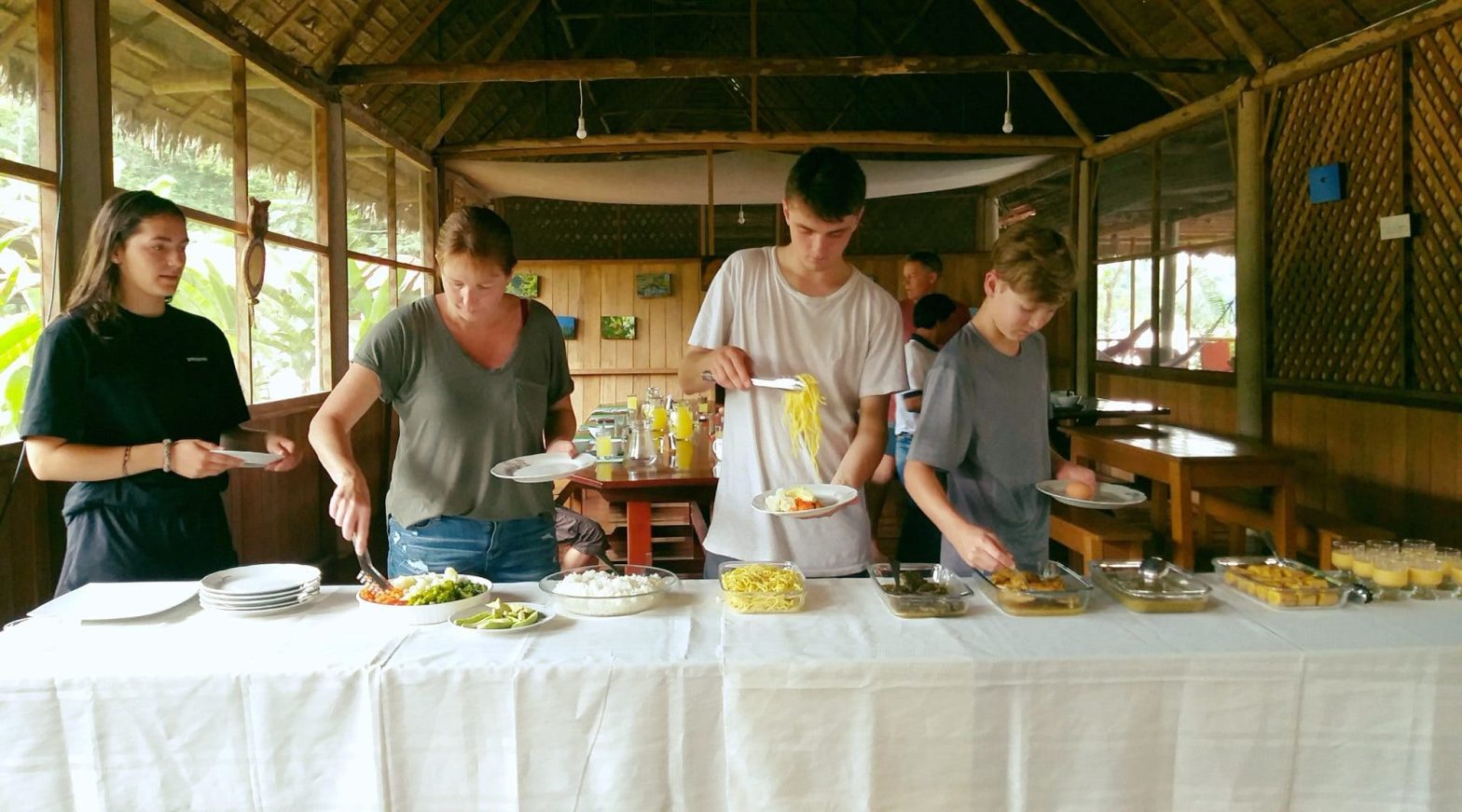
 

Manu Biosphere Lodge

The Manu Biosphere Reserve is one of the most biologically diverse and ecologically rich areas in the world,

Manu Biosphere Lodge:  located in southeastern Peru. Covering 1.9 million hectares, it spans from the Puna (high

Andes) through the Yungas (cloud forests) to the Amazon lowlands, and contains a staggering range of ecosystems.

The Reserve is home to diverse wildlife, some species of which are endangered, and over 6,500 Quechua and

2,000 Amazonian indigenous peoples live within its boundaries.

The Reserve is divided into three main areas:Manu Biosphere Lodge

Core Area: The heart of the Manu National Park, which is strictly protected for conservation.

Buffer Area: Includes indigenous territories and private ecological reserves.

Transition Area: Encompasses biogeographical boundaries and areas for experimental use, such as sustainable

management and research.

The Manu Biosphere Lodge, situated within this reserve, offers an immersive experience in the jungle. Guests can

explore the diverse landscapes by river and forest, often encountering rich birdlife, such as 37 species of

hummingbirds, 45 species of antbirds, and 18 species of parrots, including 7 types of macaws.

The Cocha Cachu Biological Station plays a vital role in research

on biodiversity and ecosystems.

Since 1987, extensive inventories of flora and fauna have been undertaken, and the Reserve has also initiated

agroforestry projects, such as soil fertility studies and sustainable agricultural practices.

The region was historically impacted by logging and farming during the mid-20th century, but today, many of the

indigenous populations maintain traditional land use practices. Their ownership is legally recognized by the state,

and they manage their natural resources with a focus on sustainability, balancing subsistence farming, mining, and

cattle raising.

The Manu Biosphere Reserve is not only a critical area for conservation but also a rich cultural and ecological hub,

offering a truly unique and unforgettable experience for visitors. casa machuguenga

Discover the Manu National Park: A Natural Paradise in the Heart of the Peruvian Amazon

Manu National Park, located in the southwest of Peru, spans a vast area of 1,909,800 hectares across the regions of

Madre de Dios and Cusco. This exceptional ecosystem is divided into three key zones: the National Park

(1,532,806

ha), the Reserved Zone (257,000 ha), and the Transition Zone (120,000 ha). Its altitude varies from 300 meters

above sea level at the confluence of the Manu and Alto Madre de Dios rivers to 3,800 meters at the summit of the

majestic Apu Kañahuay. Among its mysteries, some researchers believe the legendary Inca city of Paititi still lies

hidden within this reserve.

A Rich and Diverse History

From the era of the Inca Empire, when figures like Pachacútec and Túpac Inca Yupanqui incorporated this

territory

into their vast domain, to the arrival of Spanish colonizers, the region has witnessed countless historical events. It

was during this time that settlements like Paucartambo emerged as key trading hubs for colonial Cusco, later

followed by Puerto Maldonado, named in honor of Faustino Maldonado, whose name endures today.

In the 20th century, extractive activities such as rubber tapping and logging marked the region’s modern history.

However, Manu National Park was established in 1973 to protect its incomparable biodiversity and cultural wealth.

Over the years, Manu has resisted attempts of exploitation, thanks to its status as a UNESCO-designated

Biosphere Reserve.

A Unique Ecosystem -Manu Biosphere Lodge.

Manu’s Geography: A Journey Through Diverse Landscapes

From the cold and desolate puna of the Andes, at over 3,500 meters above sea level, to the lush Amazon lowland

jungle at 300 meters, Manu National Park offers a stunning variety of ecosystems. Each zone is home to unique

flora

and fauna, such as the rainforests and humid tropical jungle, where species like the towering shihuahuaco and the

imposing lupuna rise as giants amidst the mist.

The park is also home to nearly 450 plant species in its tropical forest zone, with orchids, ferns, and araceae

adorning

the landscapes as rivers meander through the vegetation.

Climate: A Diversity of Conditions -Manu Biosphere Lodge.

The climate varies significantly across the park. In the lower areas, temperatures can reach 35°C during the day

and  drop to 25°C at night. In the higher altitudes, the climate becomes cooler, with temperatures dipping to -9°C

in  winter.

The rainy season from January to March floods the region, providing the moisture that sustains this ecosystem.

A Sanctuary for Native Cultures

Manu is not only a sanctuary for biodiversity but also for Amazonian cultures. Indigenous communities such as the

Matsiguenka, Yine, and Nahua inhabit its vast territory, preserving their ancestral traditions and way of life in

harmony with nature. Additionally, around 30 campesino communities, mostly Quechua, maintain their languages

and customs in this remote corner of the world.

Flora and Fauna: A Treasure of Biodiversity -Manu Biosphere Lodge

Manu National Park is one of the most biodiverse places on the planet. Here, you can find over 15,000 plant

species,

1,000 bird species, 1,200 butterfly species, and 200 mammal species, including jaguars and river wolves. Not to

mention the monkeys, such as the tiny lion tamarin, the smallest monkey in the world, and the impressive

maquisapa, or spider monkey.

In total, more than 20,000 plant species have been recorded, along with thousands of insects and reptiles. This

park

is home to such a rich biodiversity that it has become the protected park with the highest biological diversity in the

world.

Come and experience being in a place where biodiversity meets history, culture, and the magic of the Amazon Manu Trips.

Rainforest Manu Park

Rainforest Manu Park

Amazon Rainforest Manu Park

Globally, tropical cloud forests are at least as threatened as lowland rainforest Manu Park , and, in some places,

probably more so. This threat comes from the same sources that attack lowland forests: commercial logging, the

expansion of subsistence agriculture, the exploitation of forest products, and cropland clearing for coca plants.

Added to this is a rise in the number of human-caused fires due to the increased human activity. In addition, this

higher degree of human activity has presented threats from introduced plants and animals. The ecological

importance of cloud forests comes from their function as watersheds and for their unique biodiversity. This means

their value should be considered equally alongside that of lowland rainforest. Cloud forests too are in need of the

development of comprehensive conservation and management plans for sustainable use

RIVER BEACHES –  RAINFOREST MANU PARK 

A vast tonnage of sediments is washed from the Andes and carried by the tributaries and Manu River. These sediments are

often deposited along the river edge or as bars in the river itself. As Andean sediments are rich in nutrients, it does

not go uninhabited for long.

The deposited area is subject to colonization by pioneer plant species typical of early succession. Quick invasion takes

place by various plant species, which can often become sufficiently dense to stabilize the soil. Sandbar scrub is

composed of a low diversity of fast- growing colonizing plant species that typically makes it dense.

It is common to see one side of a river bend formed from a high clay bank covered in canopy forest. Away from the

brunt of the current, the opposite side consists of a sandy beach during the dry season, behind which is a gradually

rising slope of vegetation.

When floods strip an area and then beach formation fills the gap,

the first invading vegetation of the elevated section is herbaceous annuals and rapidly-growing trees, for example the

genus Tess aria. After a period of three or four years, small groves of Tess aria will be formed 10 meters (30 feet) high.

Then these groves are themselves subject to gradual invasion by thickets of bamboo-like cane, or caña brava

(Gynérium sagittum). This is a monocot or grass-relative which uses a vegetative root to propagate itself. Following

the process of a predictable progression, gradually the Tessaria grove will die out as the Caña brava takes over,

eventually forming dense thickets of its own

Once established, the Caña brava faces slow invasion by pioneer forest plants such as the rapidly-growing genus

Cecropia. In time the Cecropia trees will form their own canopy. This canopy is about 15-18 meters (45-55 feet) high.

Underlying Caña brava is killed by the shade from this canopy. Cecropia is short-lived, however, and it too succumbs.

This opens up light gaps, which a number of other forest species are ready to exploit rapidly.

Many of the trees that punch through the low canopy are much longer lived in comparison to the Cecropia and

eventually form a new canopy layer, this time 40 or more meters ( 120 feet +) above the ground.

The seasons revolve and the river will gradually snake away. The rate of Manu  machuwasi lake forest  change on the once inundated land

also continues, albeit at a much slower pace. The process may take half a millennium or more to complete, but

eventually, from its origins of small annual herbs, a «climax» forest community is reached. That is, a forest in which

the relative composition of species remains more or less the same.

Unique habitats are provided by the sand beaches. They are nesting sites for many species of animals such as

Caimans, Turtles; and for birds such as Black skimmers, two species of Terns, Sand-colored Nighthawks, and Orinoco Geese

In The Peruvian Amazon

Explore the Majestic Peruvian Amazon Rainforest

In The Peruvian Amazon is one of the most biodiverse regions on Earth, and a must-visit for any nature lover or adventure traveler. Covering more than five million square kilometers, this vast rainforest is the heart of South America’s incredible biodiversity. Within its dense, green expanse, you’ll discover some of the world’s most spectacular wildlife, unique plant species, and ancient indigenous cultures.

The Peruvian Amazon is not only a stunning natural wonder but a treasure trove of life. It is home to an immense variety of flora and fauna, much of which is yet to be fully explored and cataloged. Its incredible biodiversity is thanks to the forest’s complex vertical layers, which provide diverse habitats for countless species.

The region is also a source of biochemical substances that contribute to modern medicine, many of which have been used for centuries by the indigenous communities who call this place home.

Discover the Untamed Beauty of Peru’s Amazon Rainforest

When it comes to exploring the wonders of nature, the Amazon Rainforest in Peru stands as an unrivaled destination. Covering nearly two-thirds of the country, this lush, vibrant jungle is one of the world’s largest and

most biodiverse ecosystems. Despite its vast expanse, only about 5% of Peru’s population lives in this remote region, making it an untouched paradise waiting to be discovered by adventurous travelers like you.

For those seeking an unforgettable journey, Peru Amazon offers experiences that go far beyond typical tourist attractions. By partnering with experienced local guides at jungle lodges, travelers gain access to an authentic, off-the-beaten-path adventure that includes exploring remote Amazonian waterways by boat, engaging with

indigenous communities, swimming with playful pink river dolphins, and immersing yourself in the mesmerizing rhythms of the rainforest.

A Tropical Playground for Nature Lovers

A visit to Peru’s Amazon isn’t just a chance to admire its stunning landscape, but an opportunity to become part of the intricate web of life in the world’s most biodiverse region. The dense foliage provides a natural habitat for hundreds of species, including flitting birds, snoozing sloths, and energetic monkeys that swing through the

canopy. Imagine walking through the jungle and seeing these incredible creatures up close, all while hearing the symphony of the forest echoing through the trees.

With options for ecotourism-focused lodges and wildlife-rich tours, the Amazon Rainforest in Peru presents an unparalleled chance to reconnect with nature. Whether you’re a wildlife enthusiast, photographer, or simply someone seeking a unique adventure, the Amazon Rainforest offers a dynamic blend of excitement and tranquility.

Key Highlights Across In The Peruvian Amazon: Where Adventure Awaits

Every part of Peru’s Amazon holds its own charm, with specific regions offering unique highlights to satisfy every traveler’s desires. Let’s delve into three of the most popular destinations that promise an exceptional immersion into this extraordinary natural wonderland:

In fact, the Amazon rainforest is a living laboratory -In The Peruvian Amazon

, where nature’s ingenuity unfolds in every corner. From its towering trees to its sprawling river systems, everything here works together in harmony to support an extraordinary range of life. Heinz Plenge, one of Peru’s most talented conservation photographers, captures the essence of this delicate paradise, showcasing its beauty and urgency for preservation. It’s an experience unlike any other—one that leaves visitors in awe and inspires them to protect this irreplaceable ecosystem.

In The Peruvian Amazon: A Paradise for Wildlife Enthusiasts

When you think of the Amazon, what comes to mind?

Perhaps the lush green forest, the deep, mysterious rivers, and the diverse array of creatures that call it home. The Amazon rainforest is a place of contrasts, where danger and beauty coexist. It’s a refuge for countless species—many of which are still unknown to science—along with the last of the planet’s untouched indigenous peoples, living in perfect harmony with nature.

Here, in the heart of the Peruvian Amazon, you’ll encounter animals like venomous snakes, piranhas, and jaguars, as well as majestic creatures like macaws, sloths, and monkeys. The rivers teem with over 2,000 species of fish, more than any other river system on the planet. With 20% of the world’s freshwater flowing through its network, the Amazon River is not only the longest but the most voluminous river in the world.

Despite the Amazon’s beauty and importance, it faces immense threats.

Deforestation, driven by logging, mining, and agriculture, is eroding the region’s biodiversity at an alarming rate. Over 24,000 square kilometers of the rainforest are lost each year, impacting both the local wildlife and the indigenous communities who rely on the forest for their way of life. The Amazon’s delicate ecosystems are at risk, and now, more than ever, we must act to protect this precious region for future generations.

  In The Peruvian Amazon- Why Protecting the Amazon is Critical .

The Amazon is the “library of life”—home to millions of species that we still have much to learn from. Its vast biodiversity supports both the global climate and countless ecosystems. Yet, it’s under threat. From deforestation to illegal mining, the Amazon is facing an unprecedented crisis. But there is hope.

Protected areas in the Peruvian Amazon, such as reserves and national parks, offer a glimmer of hope.

These regions provide vital sanctuaries where ecosystems can thrive. To truly protect the Amazon, we need reserves that cover large enough areas to ensure natural water cycles, secure migration routes for wildlife, and protect species diversity. In this battle for conservation, we can only succeed by creating interconnected, well-

managed habitats that extend over one million hectares—areas that encompass the full spectrum of the Amazon’s geography, from the Andes foothills to the tropical wetlands.

Discover the Magic of Tambopata and Manu National Park

For birdwatchers and wildlife enthusiasts, the Peruvian Amazon offers some of the most extraordinary experiences on Earth. In places like Tambopata and Manu National Park, you can witness the wonders of the rainforest firsthand.

Spot rare species like the Amazonian screech owl or the elusive nightjar as they take to the skies at dusk.

During the night, the jungle transforms into a symphony of sounds, with creatures like the potoo hiding in plain sight among the branches, mimicking dead trees with their camouflage plumage.

As you explore the rainforest, you’ll be guided by expert naturalists who can help you spot even the most elusive animals. Whether you’re interested in the majestic birdlife, the incredible biodiversity, or the ancient cultures that

call the Amazon home, this region promises an adventure like no other.

Preserving  In The Peruvian Amazon: A Shared Responsibility

As travelers, we have a responsibility to protect this extraordinary region. By visiting the Amazon with respect and awareness, we contribute to its preservation. The Peruvian Amazon offers an unparalleled chance to experience

the planet’s most diverse ecosystems, but this experience comes with the obligation to help safeguard it for the future.

By supporting sustainable tourism, advocating for conservation efforts, and raising awareness about the importance of this ecosystem, we can all play a part in preserving the Peruvian Amazon.

Plan Your Journey to the Peruvian Amazon Today

Ready to embark on a life-changing adventure? The Peruvian Amazon awaits. Immerse yourself in the wild,

explore vibrant ecosystems, and witness the incredible biodiversity that makes this region so unique. Book your

trip to the Peruvian Amazon now, and be part of the effort to preserve this irreplaceable treasure for generations to come.

Discover Puerto Maldonado: Your Gateway to the Amazon Jungle Adventure

Why Choose Puerto Maldonado? Puerto Maldonado, the gateway to the southern Amazon, is an exhilarating

adventure hub for eco-tourists and nature lovers alike. Nestled along the Madre de Dios River, this vibrant city

provides easy access to pristine wilderness, fascinating wildlife, and eco-friendly jungle lodges. Venture into the

neighboring Tambopata National Reserve, where you can encounter majestic macaws at clay licks, spot elusive

giant river otters, and immerse yourself in the Amazon’s wildlife diversity.

Strategically located between Bolivia to the east and Cusco to the west, Puerto Maldonado offers a unique vantage point for exploring the southern Peruvian Amazon. Get ready to explore the jungle’s wonders like never before!

A Gateway In The Peruvian Amazon

Puerto Maldonado serves as the perfect starting point for those seeking adventure and tranquility in nature. With

its tropical climate, the area stands in stark contrast to the cooler Andean highlands. The best way to explore is by

boat, navigating the network of Amazon waterways to discover hidden lagoons, lush rainforests, and abundant wildlife.

For an authentic, all-inclusive jungle experience, stay at an eco-lodge for 2-3 nights (or longer). Spend your days

exploring jungle trails, climbing to canopy observation towers, and venturing into mysterious wetlands. After dark,

let the jungle’s sounds lull you to sleep in a hammock, rocking in the breeze, as you wait to witness the wildlife’s nocturnal activity.

Best Time to Visit Puerto Maldonado

Puerto Maldonado experiences two distinct seasons: the dry season (May to October) and the wet season (November to April).

Dry Season:

Pros: Less muddy trails, ideal for bird watching (especially at clay licks where macaws gather), and fewer mosquitoes.
Cons: Warmer temperatures, and some wildlife like amphibians may be less active.
Wet Season:

Pros: Cooler temperatures, enhanced reptile and amphibian sightings, and lush jungle landscapes.

Cons: Rain can cause muddy conditions, fewer bird sightings at clay licks, and higher chances of flight delays due

to unpredictable weather.

Climate & Weather

Puerto Maldonado enjoys a tropical rainforest climate with two distinct seasons: dry (May–October) and wet (November–April).

Dry Season: June to September bring cooler “friajes” (cold spells) from the Andes, with temperatures dipping to 50°F (10°C) at times.
Wet Season: This season typically brings heavier rainfall, peaking in November and December, saturating the jungle but encouraging lush growth.

Highlights of Puerto Maldonado

Jungle Immersion
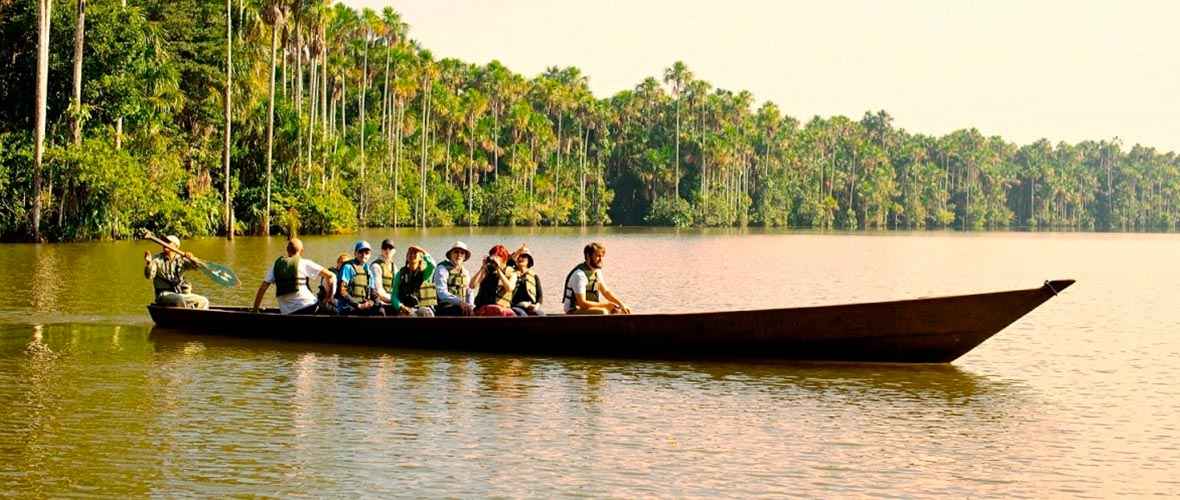
Puerto Maldonado is the gateway for thrilling Amazon jungle experiences. Step onto a traditional boat and cruise the winding rivers, reaching hidden eco-lodges. Here, you’ll have a chance to connect with local conservation projects that support sustainable tourism. Our eco-lodges emphasize low-environmental impact practices,

including recycling, using biodegradable products, and supporting native communities. These lodges help protect the surrounding jungle and raise awareness about the importance of conservation.

Ecotourism at its Best

Experience the Amazon through eco-tourism tours and outdoor excursions. Our partners lead conservation-focused trips, supporting both the region and travelers alike as you enjoy firsthand glimpses of rare species and vibrant natural landscapes.

National Parks & Wildlife :Tambopata National Reserve

This 680,000-acre protected rainforest paradise is a top-tier eco-destination. Encounter over 670 species of birds,

including harpy eagles, as well as rare mammals like the giant river otter, jaguars, and countless butterflies. Visit clay licks, where stunning macaws gather and observe the intricacies of Amazonian wildlife.

Bahauja-Sonene National Park

Situated to the south of Tambopata, this immense park covers over 2.47 million acres and boasts the world’s only

tropical humid savanna alongside rich biodiversity. Its remote location offers exclusive wildlife viewing, although access is highly limited.

Unmatched Biodiversity

The Amazon is home to two-thirds of the world’s plant and animal species—from the howler monkeys swinging above, to elusive jaguars lurking in the forest depths. Rare and beautiful creatures like giant otters and sloths make this region a dream for wildlife enthusiasts and photographers.

How to Get to Puerto Maldonado

By Air:
Fly directly into Puerto Maldonado’s small airport (just 15 minutes from the town center). Daily flights are available from Lima (1.5 hours) and Cusco (55 minutes) via LAN Airlines, Star Perú, and TACA.

By Road:
The recent addition of the Transoceanic Highway connects Cusco to Puerto Maldonado in around 10 hours, making bus travel an accessible option for those seeking a more scenic, flexible journey.

By Boat:
Once you arrive in Puerto Maldonado, embark on a scenic boat ride through the jungle rivers to your lodge (1-3 hours).

Rainforest Amazon – Bats

 Rainforest Amazon Bats

Amazonia Rainforest  Bats

ABSTRACT .This list reports 44 bat species collected in the Manu National Park Rainforest Amazon – Bats , Peru and adjacent areas. Sampling was carried out in 1987, 1988 and 1989, in the dry and wet seasons, although we

also report some specimens collected on other dates. Data on distribution, production, and ecology are included.

ABSTRACT The present list records 44 species of bats collected in Parque Nacional del Manu, Peru and adjacent areas. Collections were made in 1987, 1988 and 1989, during the dry and rainy seasons, although we also record

some specimens collected in other dates

Bats to Manu National Jungle -Rainforest Amazon  Bats :

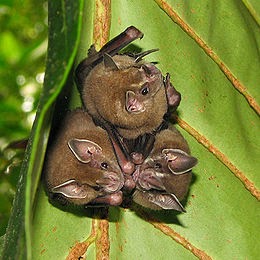
The bat or murcielago gets a hard time from many quarters, but these little winged mammals perform important ecological as well as mythical services. Bats are renowned as specialist predators of nocturnal flying insects and,

with such an abundance of prey; tropical bats reach a high degree of diversity. Depending on the exact boundaries and details of classification, 150-200 species are recorded from Amazonia: the most diverse bat fauna in the world

and 40% of the region’s total mammals Rainforest Amazon  Bats. The majority are insectivorous. Notable are the vespertilionid bats, found across the Americas, and the spear-nosed bats (Phyllostominae) who have complex ears

and ‘nose-leaves’ to emit sound. Yet in this hotbed of evolution all these kinds of bats do not coexist on one food source. Best-known alternative niche occupants are vampire bats (Desmodus spp), inspiration for dozens of Hollywood horror movies.

Of course, a preferred diet of fresh mammal blood does nothing to endear them to us, but reality is more complicated than legend. Vampires rarely attack humans – their usual victims are cattle or wild mammals. They do

not suck blood. So gently do a vampire’s sharp incisor – not canine – teeth cut a small flap of skin, it does not startle the prey. The bat then lapaes blood as it seeps from the wound, while anti-coagulant saliva prevents

clotting. The largest Amazon bat, the greater bull-dog or fishing bat (Noctilio leporinus), plucks fish from the water in the manner of an osprey. Besides piscivores, sanguivores and insectivores, there are frog-eating bats; bird-eating

bats  and even bat-eating bats.Many are fruit- and nectar-feeders.

Neotropica fruit bats belong to the order Microchiroptera  .

They evolved from insectivorous bats rather than a separate ancestor as is believed to be the case with Old-world mega chiropterans frugivores disperse seeds and nectarivores pollinate many trees bat pollinated flowers are often

cauliflorous, large, white and heavily perfumed,many bats leave their hiding-place just before or after dusk to forage overnight spending the day roosting in well-hidden spots, including tree-holes- leaf tents or caves

Porcupine, coati, tamanduas and related species cross easily from tree to forest floor. These medium-sized animals are equally at home among lofty branches or in shady undergrowth. Larger animals tend to stay on the ground,

but not always if scared, tapir charge headlong into water, whereas a jaguar or puma bolts into a tree.

Exploring Biodiversity: Discover 44 Bat Species in Manu National Park, Peru

Manu National Park in Peru, a UNESCO World Heritage site, is home to a stunning array of biodiversity. Among its many wonders, this pristine rainforest shelters an incredible diversity of bats. Our comprehensive list documents 44 unique bat species recorded within the park and its surrounding areas, showcasing the ecological richness of this world-renowned destination.

The data originates from field collections conducted during both dry and rainy seasons in 1987, 1988, and 1989, capturing a holistic view of the bat populations across different ecological conditions. Additional specimens collected on various other dates further enhance the dataset, providing valuable insights into their distribution, reproductive patterns, and ecological behaviors.

For wildlife enthusiasts and eco-tourists, this highlights Manu’s role as a living laboratory for nature.

Whether you’re fascinated by the intricacies of nocturnal life or seeking to immerse yourself in a rich and vibrant ecosystem, Manu National Park offers an unparalleled adventure.

Are you ready to step into one of the most biodiverse places on the planet and witness the remarkable world of bats and beyond

  • Saccopteryx leptura
  •  Noctilio albiventris 
  • Micronycteris megalotis
  • Micronycteris minuta 
  • Macrophyllum macrophyllum 
  • Tonatia bidens 
  • Tonatia brasiliensis 
  • Tonatia silvicola
  • Mimon crenulatum 
  • Phyllostomus elongatus 
  • Phyllostomus hastatus 
  • Phylloderma stenops
  • Trachops cirrhosus
  • Chrotopterus auritus 
  • Vampyrum spectrum 
  • Glossophaga soricina 
  • Anoura caudzfer
  • Choeroniscus minor 
  • Carollia brevicauda 
  • Carollia castanea 
  • Carollia perspicillata
  • Rhinophylla pumilio
  • Sturnira tildae 
  • Uroderma bilobatum 
  • Uroderma magnirostrum 
  • Platyrrhinus brachycephalus
  • Platyrrhinus in/uscus 
  • Vampyrodes caraccioli 
  • Vampyressa bzdens 
  • Vampyressa pussilla 
  • Chiroderma villosum 
  • Mesophylla macconnelli
  • Artibeus anderseni 
  • Artzbeus cinereus
  • Artibeus obscurus 
  • Artibeus glaucus 
  • Artibeus gnomus 
  • Artibeus jamaicensis
  • Artzbeus lituratus
  • Desmodus rotundus 
  • Thyroptera tricolor 
  • Myotis albescens
  • Myotis nigricans
  • Molossus molossus


Bats of the Amazon Rainforest: Guardians of Biodiversity

The Amazon Rainforest, often referred to as the planet’s green lung, harbors one of the most diverse bat communities on Earth. With over 160 documented species and local richness frequently surpassing 100 species in a single area, the bats of the Amazon are a striking testament to the region’s unrivaled biodiversity. These nocturnal guardians play indispensable ecological roles, including seed dispersal, pollination, and insect population control, making them integral to the rainforest’s intricate web of life.

The Vital Roles of Amazonian Bats

Bats in the Amazonia Bath exhibit an astonishing range of diets and ecological niches, reflecting their remarkable adaptability:

Fruit Bats (Frugivores): These bats thrive on fruits, nectar, pollen, leaves, and sap. As they feed, they unintentionally transport seeds over vast distances, facilitating forest regeneration and helping maintain the Amazon’s ecological equilibrium.

Insectivores: Consuming a diverse array of nocturnal insects, these bats act as natural pest controllers. A single bat can devour up to 1,200 mosquitoes in an hour, significantly reducing the spread of diseases and curbing agricultural pests.

Nectarivores and Pollinators: Playing a key role in pollination, these bats are attracted to tropical flowers that have evolved to accommodate them, often featuring large, white, and heavily perfumed blooms. This symbiotic relationship ensures the reproduction of countless rainforest plant species.

Carnivores and Omnivores: Some species display specialized diets, consuming frogs, fish, or even other bats. These unique feeding behaviors underscore their incredible versatility.

Sanguivores: The rare vampire bats have earned a mystique as they feed primarily on the blood of livestock or wild mammals. Contrary to myths, they seldom target humans, and their anti-coagulant saliva has inspired cutting-edge medical treatments.

Adapting to the Rainforest: How Bats Thrive

Amazonian bats exhibit an array of survival strategies that enable them to flourish in the dense rainforest:

Diverse Roosting Habits: Depending on the species, bats roost in tree foliage, hollow trunks, leaf tents, caves, cliff faces, or even artificial structures such as old buildings and bridges.

Resourceful Foraging: The abundance of food and water, coupled with ample shelter, makes the Amazon an ideal habitat. However, this intricate balance underscores the need for vigilant forest conservation to sustain these remarkable mammals.

Fascinating Insights into Bats

Bats are brimming with captivating traits and behaviors that continue to astound scientists and travelers alike:

  • There are over 1,400 bat species worldwide, with the Amazon accounting for more than 160.
  • Bats are the only mammals capable of sustained flight, making them evolutionary marvels.
  • Baby bats, known as “pups,” are cared for in tight-knit colonies where mothers recognize their offspring by sound and scent.
  • Bat guano, a nutrient-rich fertilizer, has been a vital resource for agriculture.
  • While temperate species hibernate during cold months, tropical bats adjust their activity patterns based on food availability.

Explore the Amazon’s Enigmatic Nightlife

For adventurers and nature enthusiasts, the nocturnal world of the Amazon Rainforest offers an unparalleled experience. Guided night tours in protected areas like Manu National Park provide a unique glimpse into the lives of bats and their profound role in sustaining one of Earth’s most vital ecosystems. Witness their silent flights and intricate behaviors, deepening your connection to the rainforest’s awe-inspiring biodiversity.

Take the Journey Today

Embark on an Amazonian adventure and uncover the hidden stories of these incredible creatures. Whether you’re conducting ecological research or simply seeking to marvel at the rainforest’s wonders, the bats of the Amazon promise to make your expedition unforgettable. Join the journey and discover how these silent guardians sustain the vibrant pulse of the rainforest.