¿WHAT WE EXPECT?
Lake Titicaca, Puno
Discover Puno, the Folkloric Capital of Peru
Puno is a city located in southern Peru, on the shores of Lake Titicaca, the highest navigable lake in the world and one of the largest in South America. Recognized as the folkloric capital of Peru, Puno is famous for its traditional festivals, music, dances, and native crafts.
Key Facts about Puno
- Altitude: 3,827 meters (12,549 feet) above sea level, making it one of the highest cities in Peru.
- Area: 15.57 km² (6.02 sq mi).
- Population: Approximately 128,637 inhabitants (2017).
- Climate: Cold and dry, with an average temperature of 11°C (52°F), average wind speed of 11 km/h (7 mph), and humidity around 33%.
Tourism in Puno
Puno is an ideal destination for lovers of culture, history, and nature. Its main attractions include:
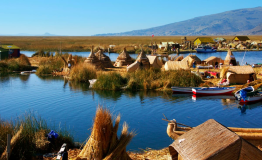
- Lake Titicaca: Its navigable waters and floating islands, inhabited by indigenous communities, offer unique and authentic experiences.
- Puno Cathedral: A gem of Andean Baroque architecture reflecting the city’s rich history.
- Yavarí Steamship: A historic 19th-century steamship that lets visitors travel back in time.
- Festivals and Carnivals: Vibrant colors, music, and traditional dances showcasing local culture.
Visiting Puno means immersing yourself in Peruvian culture, exploring breathtaking landscapes, and enjoying experiences that blend tradition, history, and nature.
Lake Titicaca, Puno
Puno: Between History, Culture, and Nature
Puno combines the majesty of Lake Titicaca with the rich culture of its people. It is a destination that offers breathtaking landscapes, vibrant festivals, and authentic experiences of Andean life. From exploring floating islands to taking part in centuries-old festivities, Puno invites travelers to discover an ancestral Peru, where every corner tells a story.
Lake Titicaca, Puno
Lake Titicaca: Peru’s Cultural and Natural Jewel Every Traveler Must See
Traveler Tips:
- Book tours in advance, especially in high season.
- Interact respectfully with local communities.
- Take advantage of sunrises and sunsets on the islands for the best photos.
- Try local cuisine and carry cash, as not all islands accept cards.
DETAILED TOUR ITINERARY:
Lake Titicaca in Puno: An Andean Gem That Fascinates Travelers
Lake Titicaca Puno, located in the city of Puno, is more than just a lake—it is a world of its own. This region combines millenary history, stunning landscapes, and a vibrant culture that makes every visitor feel part of its vast universe. With its endless skies and horizons that seem to merge with the water, Puno and Lake Titicaca are destinations that capture the essence of the Peruvian Andes.
History and Culture of Puno
The city of Puno was founded in the 17th century around a silver mine, and its history is marked by a blend of indigenous and colonial cultures. The region has been inhabited by Aymara and Quechua peoples, with roots tracing back even to pre-Inca civilizations, such as the Tiwanaku culture.
During the colonial period, Puno became an important port on Lake Titicaca and a key point on the silver route from Potosí. Today, despite economic and climatic challenges, it retains a cultural heritage and historical richness that make it unique. amazon peruvian
The Wonders of Lake Titicaca
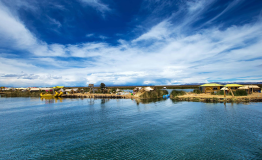
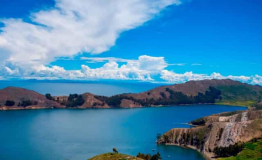
Lake Titicaca, the highest navigable lake in the world, stretches majestically between Peru and Bolivia. Its landscape combines snow-capped peaks, crystal-clear waters, and remarkable islands—some floating, others permanent—inhabited by indigenous communities that keep their traditions alive.
- Among the most visited islands are Amantaní and Taquile, where travelers can experience authentic Andean life, from traditional clothing to community festivals.
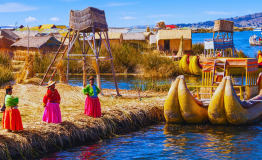
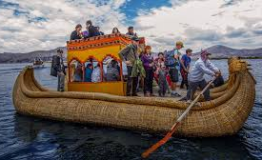
- The floating islands of the Uros, built from totora reeds, offer a unique experience, showing how these communities have adapted to the natural environment since ancient times.
- Another historical highlight is the chullpas, ancient cylindrical tombs preserving the remains of pre-Inca civilizations—silent witnesses of the highlands’ rich history.
Climate and Altitude
Puno sits at 3,870 meters (12,700 feet) above sea level, resulting in a cold, dry climate. Winter nights can drop below zero, while midday sun can be surprisingly strong. Visitors should allow a couple of days to acclimate, especially if arriving from lower altitudes.
Festivals and Traditions
Puno is known as the folklore capital of Peru. Its festival calendar is full of celebrations combining religion, dance, and traditional music:
- Fiesta de la Candelaria (February): One of the largest dance festivals in South America, featuring colorful costumes and dances representing Andean and Spanish legends.
- Festival de Tinajani (June): Celebrated in the highlands, surrounded by wind-swept and eroded landscapes, creating a magical experience.
- Semana Jubilar (November): Combines the Spanish foundation of Puno with Inca traditions and festivities on Esteves Island.
- Even outside festivals, Puno vibrates with music and dance every night, offering visitors a lively experience while strolling through the historic center.
Traveler Tips
- Accommodation: During Candelaria, hotel rates can double, so early booking is essential.
- Safety: Puno is relatively safe, but watch for pickpockets, especially at bus and train terminals.
- Transportation: Puno is a strategic base to explore the northern part of Lake Titicaca and its islands, with boats being the best way to travel.
Must-See Attractions and Experiences
Uros Floating Islands
The Uros islands are a unique spectacle, made entirely of totora reeds. The Uros have maintained their traditional way of life for centuries, focusing on fishing, hunting, and crafts.
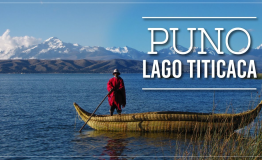
Recommended experience: Ride in traditional totora reed boats, interact with the community, and learn about their ancestral customs—a perfect opportunity for unique photos and authentic cultural memories.
Taquile Island
Recognized for its textile art, declared Intangible Cultural Heritage by UNESCO, Taquile Island combines tradition, nature, and local cuisine.
What to do:
- Enjoy panoramic views of the lake and the Andes.
- Buy handmade crafts from local weavers.
- Taste local dishes, especially fresh trout from the lake.
Amantaní Island
For an immersive tourism experience, Amantaní Island is ideal. Visitors can stay with local families and share daily life, learning their traditions, dances, and customs. The island also has pre-Inca ruins and natural viewpoints offering unforgettable sunrise and sunset views over the lake.
City of Puno
Known as the gateway to Lake Titicaca, Puno is the perfect base for exploring the region. Here you will find:
- Travel agencies offering tours to the islands.
- Hotels, restaurants, and cafes.
Cultural attractions such as the Plaza de Armas, Jirón de Lima, and the Yavarí Museum Ship, a historic vessel that tells the story of navigation on the lake.
Practical Information for Your Visit
Tours: Most tours depart from Puno’s port. Options include half-day tours (only Uros) or full-day tours (Uros + Taquile/Amantaní).
Climate: The high-altitude subtropical climate brings cold nights and mornings in winter and moderate rainfall in summer. Dress in layers, bring warm clothing, a hat, sunglasses, and sunscreen.
Getting there: Puno is connected by road, train, or bus to cities like Cusco and Arequipa. The famous Ruta del Sol offers a scenic journey worth taking.
Altitude sickness: The high altitude can affect visitors; acclimate, stay hydrated, and avoid strenuous activity in the first days. –amazon macaw clay lick
WHAT TOUR SERVICES:
WHAT TOUR SERVICES:
Ingrese el contenido de lista de servicios que no incluyen
ABOUT LODGE:
Lake Titicaca, Puno
Lake Titicaca not only offers dreamlike landscapes but also a deep immersion into Andean history and culture. From the floating islands of the Uros to the warm hospitality of Amantaní, every corner provides a unique experience that connects nature, tradition, and adventure. If you are looking for a journey that combines scenic beauty and cultural richness, Titicaca is a destination you cannot miss.
Frequently asked questions (FAQs):
Puno and Lake Titicaca: Cultural and Natural Heart of Southern Peru
Puno, located in southern Peru, is a city that captivates with its location on the shores of Lake Titicaca, one of the largest lakes in South America and the highest navigable body of water in the world. At an elevation of 3,827 meters (12,549 feet) above sea level, Puno offers visitors breathtaking landscapes, endless skies, and horizons that seem to touch the lake.
History and Culture of Puno
Puno is not only a regional commercial center but also the renowned “folklore capital” of Peru, famous for its rich culture and traditional music and dance festivals. The city preserves ancestral roots of the Aymara and Quechua peoples, blending indigenous heritage with Spanish influence, visible in its architecture, such as the Puno Cathedral, a majestic example of Andean Baroque.
Another notable historical monument is the Yavarí, a 19th-century steamship now converted into a hostel, reflecting the city’s importance as a port on Lake Titicaca since colonial times.
Natural Wonders: Lake Titicaca
Lake Titicaca is a must-visit destination for any traveler. Its crystal-clear waters, surrounded by snow-capped peaks and dotted with islands, create a truly unique landscape. Key islands include:
Uros Floating Islands: Built from totora reeds, these islands showcase the life of indigenous communities that have inhabited the lake for centuries.
Amantaní and Taquile: Permanent islands where visitors can experience traditional Andean life, from local cuisine to crafts and community festivals.
The region also features chullpas, ancient pre-Inca funerary towers that tell the stories of civilizations that inhabited the highlands before the Incas.
Festivals and Traditions
Puno comes alive with cultural celebrations that attract travelers from around the world:
Fiesta de la Candelaria (February): One of the largest dance festivals in South America, featuring colorful costumes, masks, and dances blending Andean and Spanish myths.
Festival de Tinajani (June): Celebrated in the highlands amid rocky formations, this festival showcases traditional music and dance.
Semana Jubilar (November): Commemorates the Spanish founding of Puno and the origins of the Incas, celebrated on Esteves Island.
Even outside festivals, Puno’s streets are filled with music and dances that reflect the vibrant essence of Andean folklore.
Key Information for Travelers
- Altitude: 3,827 m (12,549 ft); it is recommended to acclimate for a few days.
- Demonym: puneño/a
- Official Languages: Spanish, Aymara, and Quechua (Puquina and Uru extinct)
- Time Zone: UTC-5
- Safety: Be cautious of pickpockets at transport terminals.
Transportation: The lake is mainly explored by boat, connecting the city with its islands and nearby communities.
PRICE FROM
S/. /pax
CODE: CUS-01
y
Places to visit:
Tour Group:
Tour Type:
Tour Physical Level:
1/5
PAYMENT ONLINE


Review The Lake Titicaca Puno.