Full 1
MANU TOURS
MANU TOUR ZONE RESERVED 4 DAYS
Full 1
previous arrow
next arrow
Shadow

Amazon Travel 26 days

Amazon Travel 26 days

Travel Day 01: Cusco  to Bird waching  Huacarpay   .

We depart from Cusco around 04:30 a.m. arriving at Lake Huarcarpay 30 minutes later. Here we take time and spend the entire day observing highland lake and marsh birds amazon travel . The best is to follow the road that goes around the lake and start seeing most of the waterfowl typical of Andean wetlands including grebes, ducks,

gallinules and coots.The wet grasslands in front of the marsh are good for shorebirds and Andean Negrito. We can look for occasional migrants such as the Hudson Ian Godwit (rare) and Baird’s Sandpiper. The many- colored Rush- Tyrant and two endemic, the Rusty- fronted Canastero that can be seen around the ruins on the hillside above the

Lake and a spectacular hummingbird, the Bearded Mountainner. Overnight at the Lodge.

Travel Day 02: Huacarpay  to Pumachaca Ranch –  Amazon Travel

After a brief morning walk at the lake, we continue to the interesting tombs of Ninamarca, commonly known as “Chullpas”. We continue to Paucartambo, a picturesque Spanish colonial town, and then to Pumachaca Ranch though a beautiful narrow road and semi-humid montane scrub where a Taczanowski’s Tinamou has been

reported here.Common to see around Pumachaca are: White-rufted Sunbeam, Creamy-crested Spintail, Cinereous Conebill, Torrent Duck. Relax this night in the Chimney and spend the night at the comfortable accommodations.

Travel Day 03: Amazon  Travel  Pumachaca to  acjanaco Cloudforest.

After early wake up and walk around the interesting trails, we continue up to Acjanacu pass with its elfin forest marks the beginning of the Cultural Zone of Manu Biosphere Reserve. Birders stay the night here because it is possible to see White-browed chat-tyrant, the Chestnut-breasted mountain-finch, Puna Thistletail, Paramo Pipit,

Diademed Tapaculo, Puna Tapaculo, Masked flowerpiercer, Golden- MANU NATURE PARK OPERATOR colared Tanager, Drab hemispingus and small mixed flocks with among others. Overnight camping.

Travel Day 04: Amazon Travel  Manu Park  to  acjanacopass and  Pillahuata .

This day we wake up even more early than we used to and have the chance to watch the “seven sunrise”, an impressive optical illusion that occurs during dry season and then walk down to Pillahuata site located in upper montane humid forest also known as the Coshnipata Valley where the bird species are quite different from

Acjanacu. There are basic camping areas that birders use. To stay the night here will be very rewarding as it’s possible to see many different species of birds such as the Hooded Tinamou, Stripe faced Wood-Quail, Golden plumed parakeet, Yuungas Pygmy-Owl, Gould’s Inca, Blue-banded Toucanet, Crimson -mantled Woodpecker,

Sierran Elaenia, White-collared Jay, Mountain Cacique, etc….Overnight camping.

Travel Day 05: Amazon Travel Pillahuata  to San Pedro  Cloud forest .

Again, early in the morning after breakfast, it is the best simply to bird your way slowly along the road. There will be plenty of activity, specially at down, with several specialties to look for. After the first tunnel, we stop at the mixed bamboo patch on the left and try for Rusty-breasted Ant pitta, and the endemic Red-and White ant pitta,

which is often quite vocal in the morning. At the second tunnel the vegetation becomes more luxuriant, look for the Chestnut-bellied Mountain Tanager, Tawny-rumped tyrannuler, Band-tailed Fruit eater and the barred Fruit eater in the mixed flocks, as well as Gray breasted Mountain Tucan. One bird to look out for in mixed flocks is the

vividly-colouder Ochraceous-breasted Flycatcher and the same thing for the spectacular Greater Scythe bill. Overnight in Orquideas cloud forest lodge

Travel Day 06: manu Park  to San Pedro (Cloud Forest ) . Amazon Travel  Peru .

Here, a thick cloak of clouds provides perpetual humidity and makes an ideal habitat for epiphytic plants such as bromeliads. This varied and fascinating world is home of the Cock of the Rock, Spectacled Bear, Orchids, Tree Ferns (one of the oldest living plants), mosses and lichens. This cloud forest exists between 2,000 and 3,500 m.a.s.l., and

at least 50% of the plant species found here are endemic to this region. Today we wake up very early to observe the Cock of the Rock (Rupicola peruviana), Peru’s national bird from a platform. The male birds are a vibrant reddish orange, and as many as several dozen come together for an exhibition of a mating ritual dance in a place called Lek.

The males display their crest, showing off and posturing for the females. The females, fewer in number, watch to select the most suitable males. After breakfast spend the entire day birding walking on the road.

Travel Day 07: San Pedro (Cloud forest ) Rainforest Amazon Travel .

The Manu road provides one of the best opportunities in Peru to bird upper tropical forest. Many of the most interesting and sought-after birds in the Manu road occur in this zone from about 900 – 1,700m.a.s.I. We have to concentrate on the good lower montane forest along the road, looking for mixed folks of brilliant-spotted Hummingbirds.

The Peruvian Pied tail is common to see. This day we spend all day birding and we hope to see Andean and White- eared solitaires, the Green Jay, the Blue-banded Toucanet, the Yungas Manakin, the astonishing Versicolored Barbet and arrange of tanager species. Overnight at Orquideas cloud forest lodge.

Travel Day 08: San Pedro Cloudforest to Peruvian Amazon travel .

As our lodge is very close to the Cock-of-the-rock Lek, we are able to visit it again and try to spot one of the females hidden in the forest. Free day to walk and bird along the road.

Travel Day 09: San Pedro Cloud forest Lodge .

As we continue our journey to lowlands, we stop in Patria where the cattle pleasure’s and secondary forest are good for seedeaters and other open habitat species of birds as the Orange-breasted Falcon, Military macaw, green-fronted lance bill, golden-collared honeycreeper and others. Atalaya overlooks is outstanding for viewing macaws.

From Atalaya port, we board our covered, motorized canoe and head down the Alto Madre de Dios River until Erika Lodge, where we will have the opportunity to walk through the interesting trails. Overnight at the lodge.

Travel Day 10: Cloud Forest Lodge in Manu Park .

This lodge is situated in the transition zone of the Andean foothills and the lowland rainforest. It has many more species of hummingbirds then is normally present in a rainforest lodge. Among 30 species of hummingbirds on their list is the endemic Rufus- webbed Brilliant. Here we find the Rufus -vented Ground Cuckoo, the gray-necked

woddrail, Blackish rail and Rufus-sided cracked. Close to a small lake there are Purple Gallinules, Hoatzins, Lesser kiskades and occasionally Pygmy Kingfishers and sun grebes. After lunch we follow an interesting trail, going up to the ridge at 1000 m.a.s.l. where we encounter mixed bird flocks. This higher area is also home of the emerald

toucanet , ornate flycatcher, orange fronted plush crown and the uncommon tawny-faced gnat wren, umbrella bird among others. Currently there exists an ongoing research project to quantify the numbers of peccaries and tapirs visiting the mammal clay lick (collpa) at Erika Lodge. We are creating an identification field guide for every

individual mammal that visits the clay lick. The methods of identification utilize individual characteristics and the unique scars on skin and ears. Our goal each night that we visit the tapir clay lick is to identify each individual that visits the clay lick or collpa. Our observations will aid the data set to eventually determine territory use, visitation

frequency, seasonal variation, and human visitation influence.

Travel Day11: Cloud Forest Lodge.

This day we will get up very early to board our boat, and after five minutes, we will arrive to a Parrot Lick “Collpa”, which is a wall of clay in the riverbanks, where many species of parrots such as the blue headed parrot, white-eyed parakeet, feed for mineral and salt supplements to their diet of seeds and fruits. After this we spend the day, as we

bird the trails, remember that this site gets birds from the lowlands like the Amazonian Streaked-Ant wren, as well as some species typical of high elevations.

THE PUSHARO PETROGLIFES INTRODUCTION:

Located at the right side of the Sinkibenia River, in the Pantiacolla range of Manu National Park, Madre de Dios, Southern Peru. There is not much information found about the ancient inka civilization of the Antisuyo, jungle part of the Tahuantinsuyo Empire. The first information about the Pusharo Petroglyphs’ is from the religious missioners

and explorers. In 1921 the Dominic Priest Vicente de Cenitagoya was the first person in Pusharo Petroglyphs’ and the first one drawing all the symbols. The rock has 27 meters long per 2 meters tall of with different icons: naturalists or realistic, geometric, morphologic and abstract drawings. The drawings where made by using stones

and hummed sand by people of the Matshiguenka ethnia. All are painted with “Genipa americana” (huito) – black/blue colour and with Bixa orellana – (achiote) a reddish colour. At the moment the close native communities still visit the site and re-paint the drawings every now and then as an ancestral tradition and they prefer not to talk

about the meaning of them.

Travel Day 12: Cloud Forest Lodge .

The altitude of this Private Reserve ranges between 600 to 1,150 m.a.s.l. (1200 to 3450 feet) encompassing different habitats. This altitude range explains the high diversity of wildlife found around this area between high and low jungle, so immediately after breakfast, we will start walking through the interesting trail system.

Erika is one of the pioneer lodges located in the tropical rainforest of the Cultural Zone of Manu National Park used in the past by expeditions in search of the lost golden city of the Inkas “Paititi”. Overnight in the lodge.

Travel Day 13: Cloud Forest Lodge to Pusharo  .

This day we board our covered, outboard motor boat and head down the Alto Madre de Dios river for approximately 2 hours toward the native community of Llactapampa After a brief walk in the community we will

continue in our boat to the confluence of the Alto Madre de Dios River and the Palotoa River where we are going

to camp this night in a beach and get ready for next day morning rude hike. Waking up early in the morning, after having breakfast and packing up the camp, we start our 9 hours walk along the Palotoa’s shore and the river itself

because of the unexplored and dense vegetation of the zone. After the first hour we will arrive to the first

Matshiguenka community, ask for their permission to enter their territory and meet the rest of the expedition team: native guide and porters (if required). After this we continue our walk toward the Palotoa Teparo

Community, the entrance door to the Petroglyphs’. During this hike it is possible to observe the immensity of the

rainforest and the diversity of birdlife, caimans, and tortoise. Etc . After our box lunch, we continue walking in the inner forest until we finally arrive the mysterious Pusharo Petroglyphs’. Set up our campsite.

Travel Day 14: Amazon Travel to Pusharo Manu Park

We have the entire day to observe the icons, talk about them with our guide, take pictures and walk around the site and observe flora and fauna of the area and the surrounding forest.

Overnight in the base campsite.

Travel Day 15: Amazon Travel to Pusharo Rainforest Lodge

Immediately after getting ready for the return, we walk down through the trails to the natural pools of the river, where we can spend a while swimming, relaxing and having lunch. Early afternoon we arrive to the Palotoa native

community and hold a farewell reunion with the native guides and the porters. We walk back to the Alto Madre de

Dios River where our motor boat will be waiting for us to go downstream the Alto Madre de Dios River and observe rives species of bird life such as the Roset Spoonbill, Egrets, etc. toward Yanayacu Reserve strategically

placed at the last Andean foothills has a great diversity of habitats. The rarely seen Peruvian Recurve bill and

Dusky- tailed Flat bill are seasonal and August and September seems to be a good time to see them. Overnight at the lodge.

Travel Day 16: Amazon Travel Shintuya – Native Community .

Early morning after breakfast we board our canoe for the four-hour trip down the Alto Madre de Dios River to Shintuya native community from the Matshiguenka ethnic and have a visit talking to the resident families, after

sharing lunch with them we set up camp and enjoy a friendly bonfire. Very early and after registering in the official

tourist logbook at Limonal, the Park Rangers Headquarters and eating an early breakfast, we follow the Manu River until we arrive Salvador Lake, our base safari campsite (screened double rooms, dining room, bathrooms,

radio communication is available). This canoe ride gives us the opportunity to observe the immensity of the

rainforest and the diversity of birdlife, reptiles and mammals. You will often see animals sunning themselves on beaches, or foraging for food in the trees lining the riverbanks. We arrive early in the afternoon and have lunch

before setting off on a jungle trail. Our time is spent looking for wildlife inside the rainforest and on Salvador

Oxbow Lake, until the sun goes down and we return to camp. We explore Salvador Lake by paddling quietly along on a catamaran, giving us the opportunity to observe unique species of birds, monkeys, caimans and with luck the

Giant Otter (Pteronura brasiliensis). This endangered species can be seen swimming, fishing, eating and playing.

Travel Day 17:  Manu National Park to Salvador Lake

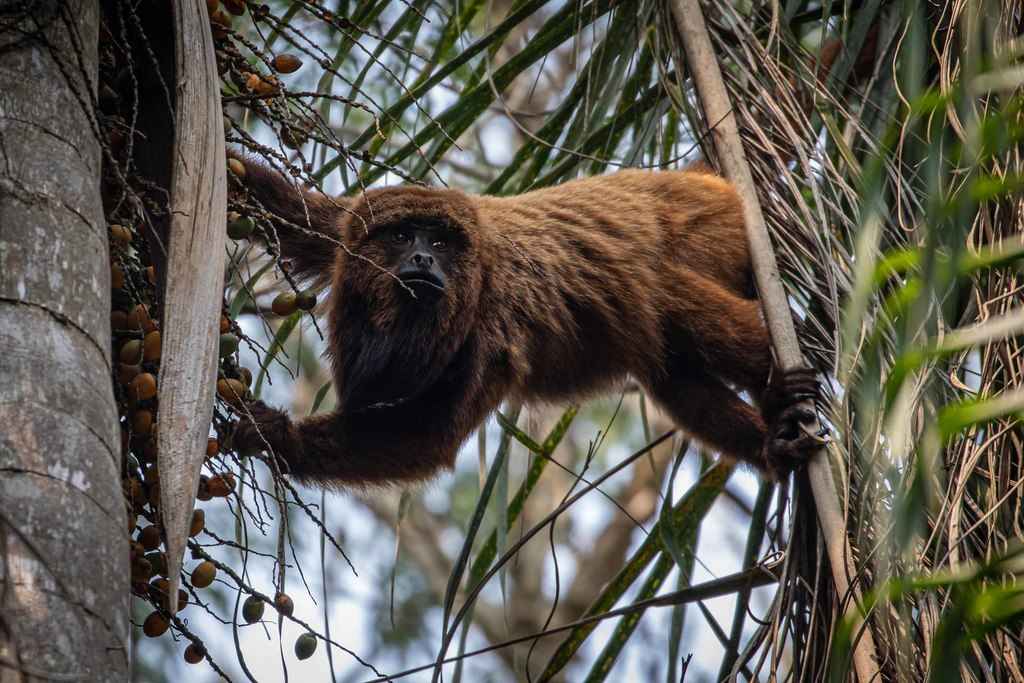
We rise early in the morning, as the forest is awakened by the Red Howler monkey (Aloatta seniculus) declaring its territory. A morning walk before breakfast is a great way to catch wildlife in the pursuit of food, as the temperature

is very pleasant at this time of day. The 20 minutes’ walk from the river to the lake takes you through a nice terra

firmer forest. The epigone trail around the lake has a good selection of bird species where we should be looking for the range-restricted black-faced Cotinga. Overnight in the safari campsite.

Travel Day 18:Manu National park to Salvador – Otorongo Lake .

Very early we visit Salvador Lake because birding from the catamaran while been paddled around the lake makes for a very pleasant and memorable birding experience with all of the lake specialties possible: Agami heron,

Slender-billed Kite, Pale-eyed Blackbird, and Long- crested Pygmy tyrant, Hawk-Eagle, Hairy-crested Ant bird,

purple- throated Cotinga and many others. After relaxing we cross the river to walk an 8-km trail to another oxbow lake called Otorongo. A strategically located observation tower rises 15 meters above the lake and the jungle

floor, giving us more chances to observe wildlife including the Giant Otter. Overnight in the safari campsite.


Within the Park, Pakitza claims some of the most extensive bamboo patches and therefore holds an almost complete set of bamboo specialist, Pakitza is a guard post at the entrance of the restricted area of the park. It is

possible to see species of birds such as the Painted parakeet, Black-Capped Parakeet Mottled Owl, Lined Forest

Falcon, Inhering’s Ant wren, Manu Ant bird, and many others. Beck to Salvador before the sunset. Late in the afternoon we will use the catamaran and with the help of flashlights we can observe the black caimans rise from

the depths of the lake and begin their search for prey. Return to the campsite.

Travel Day 19 : Salvador Lake to Boca Manu

Once again we wake up early, enjoy a brief morning walk and eat breakfast, then pack up camp and go downstream the interesting Manu River. We arrive at Boca Manu midday, this village is situated a short distance

from the confluence of the Manu and Alto Madre de Dios rivers. Hikes around the trail system of Boca Lodge.

Overnight at the Lodge.

Travel Day 20: Manu National Park to Boca Manu  .

This day we visit an island that belongs to a native family and walk around the lake and observe all the bird life. We spend the entire day searching for birds species around the lodge. Overnight at Boca Lodge.

Travel Day 21: Blanquillo Macaw Clay Lick .

After a very early wake up, we board a camouflaged catamaran and go down the river to the “Collpa” macaw lick. We quietly observe the various parrots feeding on the clay for mineral and salt supplements to their diet of seeds

and fruits. The brightly colored macaws usually wait patiently in the surrounding trees until the smaller parrot

species have left the area. Slowly, the macaws come down to the clay wall to feed. We need a lot of patience and silence on the catamaran so as not to disturb them as they eat the clay. During the afternoon we start walking on

the interesting trails of the Lodge where we can see Jacamars, many different species pf hummingbirds, the

Crimson- crested Woodpecker, tanager such as the paradise, the screaming Piha and many others. Overnight at the Lodge. This day we will use a strategically located observation tower rises 46 meters above Camungo Lake and

the jungle floor, giving us more chances to observe wildlife i ncluding the Giant Otter and many different species

of birds that are common to this altitude of the canopy such as macaws, toucans, wood creepers, woodpeckers can be observed flying near this platform. Enjoy the spectacular view with large canopies from a tall Kapok tree with a

360 degree view. A night birding can be productive with Great Potoo, Common Potto and even Long-tailed Potto.

Overnight at the Lodge.

Travel Day 22: Manu Park Blanquillo  Macaw Clay Lick  – Colorado Amazon Travel to Puerto Maldonado

This morning we have a second chance to visit the macaw clay lick before packing our luggage and setting off again on our motorized boat toward Colorado village and then by bus to Puerto Maldonado. Overnight in a Lodge.

Travel Day 23: Puerto Maldonado – Sandoval Lake .

Transfer from Puerto Maldonado airport to the river port on the Madre de Dios River. A 25 minutes journey down the Madre de Dios River by motor canoe brings you to the end of the trail in to Sandoval Lake Lodge. From here

the trail takes you on a 2-mile walk/or rickshaw ride through secondary forest, until we reach a small canal where

we board canoes and are paddled 220 yards through a flooded forest of 100-foot tall Mauritia palms. As the canal opens onto the shimmering surface of the lake, we transfer to a catamaran and are leisurely paddled across half

the lake to the lodge. After lunch and a brief rest to avoid the early afternoon heat, we once again board the

catamaran and set off to explore the entire west end of the lake. Here, in the flooded palm forest we drift to the sounds of hundreds of Red-Bellied Macaws as they return to the palm forest for the night. We return to the lodge

around nightfall for dinner. After dinner we will return to the canoes to look for the large and extremely rare Black

Caimans. If it is a clear starlit night, we will also be able to float in the middle of the lake and marvel at the brilliance of the sky.

Travel Day 24: Sandoval Lake .

A pre-dawn wake-up call will enable us to be on the lake for sunrise and a hopeful encounter with the family of Giant Otters which frequent the lake and are most active at this time of day and long walk night walk

Travel Day 25 :Sandoval Lake Macaw palm Tree  .

We get up early to go see the Lick palms this is a special place within the reserve where different species of parrots and macaws gather to eat the dried palms that are rich in minerals such as calcium, sodium, potassium, etc. Which

is very important for the digestion of the birds? Then return to the lodge for breakfast. Then we prepare to leave

the national reserve tambopata “Sandoval lake” to return to our lodge in the Madre de Dios River, where we will catch our boat to take us, after settling into our comfortable lodge, and lunch, climb a tower 27 meters tall,

comfortably climb the tower, which will allow us to reach a suspension bridge, and the launch pad of drawing

pens, cross the first bridge over the trees of 89 meters in length rising to a height of 37 meters among the main branches of an ancient tree, great opportunity to see animals that are impossible from the ground, an

unforgettable experience, then the guide over and attendees will prepare us to feel pure adrenaline,

using all attachment security will make a slip for cable and we feel like a bird flying over the forest, over 190 meters in a few seconds.

We guarantee 100% security, fun and lots of adrenaline produced by the adventure. Dinner and overnight in our comfortable lodge on the banks of the River Mother of God.

Travel Day  26 : Back  to Puerto Maldonado .

After breakfast, we will travel by motorized canoe to Puerto Maldonado “Office” coordinating the flight time and / or bus can stay in the office departure time of your flight or bus.
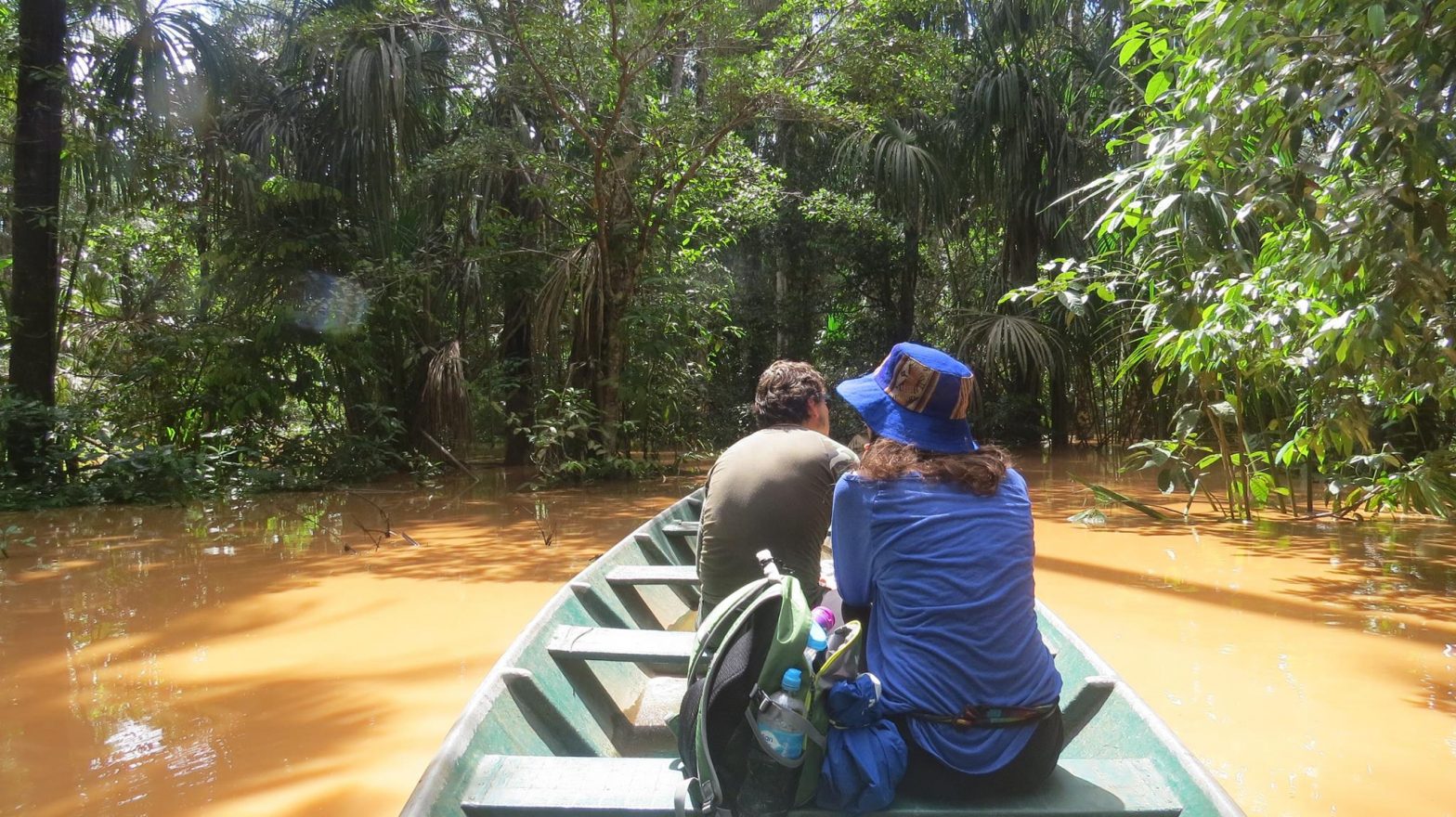
 

Amazon Rainforest Plant

Amazon Rainforest Plant

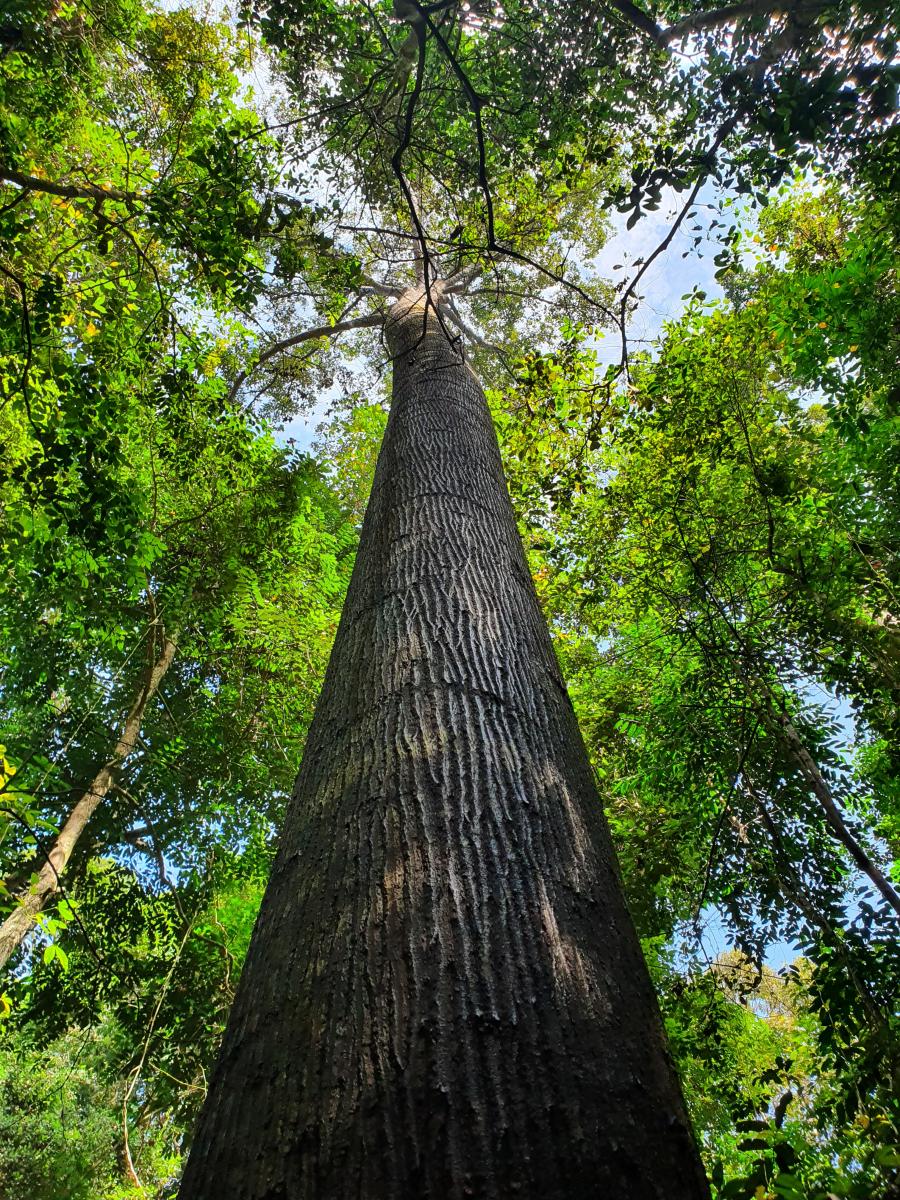
A Treasure Trove of Biodiversity: The Amazon Rainforest Plant

The tropical rainforests of the Amazon are unparalleled in biodiversity, holding secrets that intrigue scientists, nature enthusiasts, and travelers alike. Imagine this: a single hectare of Amazonian rainforest may host between 40 to 100 tree species, creating a lush and thriving ecosystem teeming with life.

Take, for instance, the iconic Cocha Cashu Biological Station nestled within Peru’s Amazon floodplain forests. This research haven has revealed a staggering 1,856 species of higher plants, a testament to the extraordinary richness of these landscapes. manu jungle trips

A Living Network of Global Importance

The Amazon Rainforest is not just a botanical marvel—it’s a cornerstone of our planet’s health. With 80,000 plant species, over 40,000 play a pivotal role in stabilizing the Earth’s climate and ensuring the delicate balance of local water cycles. This verdant realm is also the lifeblood for countless animals, forming the interconnected habitats that define the Amazon’s uniqueness.

Many Species, Few Specimens
However, the Amazon’s botanical wonder isn’t just about variety; it’s about balance. While it boasts an immense diversity of plant species, these often exist in relatively low numbers spread across vast areas. This dynamic underpins the rainforest’s resilience and complexity, offering visitors a deeper appreciation for its intricate ecosystems. jungle trips

Natural Pharmacy and Lifeline of Cultures

The rainforest’s treasures go beyond its beauty. Many plants and trees harbor potent natural compounds that are the foundation of life-saving medicines and agricultural innovations. These wonders not only serve modern science but also sustain Amazonian communities, both indigenous and settler, who rely on them for food, shelter, and materials for non-timber products.

The Amazon Rainforest: A Jewel of Biodiversity

The Amazon Rainforest is one of the world’s largest and most vital ecosystems, covering an area of nearly 2.8 million square miles—roughly the size of the continent of Australia. It plays a critical role in regulating global climate, holding a substantial portion of the Earth’s terrestrial carbon. However, deforestation threatens to release this carbon, exacerbating global warming and causing local issues like droughts.

This tropical rainforest thrives on the life-giving Amazon River, the second-largest river globally, whose basin forms the heart of the rainforest. The forest itself consists of four layers—emergent, canopy, understory, and forest floor—each hosting unique ecosystems teeming with specially adapted flora and fauna. Manu Jungle Trips

A Symphony of Adaptations: Epiphytes, Bromeliads, Palms, and Vines in the Amazon

The  Tour Amazon Rainforest is a world of astonishing adaptations, where plants have evolved remarkable strategies to thrive in a dynamic environment. Among these are epiphytes, bromeliads, palms, and vines, each playing a vital role in the rainforest’s intricate web of life. Manu Jungle Trips

Epiphytes: Nature’s Aerial Wonders
Why stay rooted to the ground when you can live in the sky? Epiphytes—plants that grow on other plants rather than the forest floor—constitute up to one-fourth of all plant species in lowland tropical rainforests. This diverse group includes orchids, ferns, mosses, and even some cacti.

Epiphytes ingeniously trap windborne soil to establish their roots high on tree branches. This “mid-air gardening” allows them to access sunlight and thrive in a habitat that most plants can’t reach. Travelers exploring the Amazon canopy will marvel at these suspended gardens, teeming with life and ingenuity.

Bromeliads: Rainforest Reservoirs

Bromeliads, famed for their vibrant, cup-like structures, are the rainforest’s natural reservoirs. These cups collect rainwater and detritus, creating miniature ecosystems that support a host of species. Manu Jungle Trips

Fascinatingly, more than 250 species of tree frogs, snails, and insects use bromeliads as nurseries, completing vulnerable stages of their life cycle within these watery havens. Witnessing this delicate interplay of flora and fauna offers a unique glimpse into the rainforest’s symbiotic harmony.Manu Jungle Trips

Palms: Icons of Utility and Sustainability
The Amazon’s palms are unmistakable with their iconic shapes, but their significance goes far beyond aesthetics. Palms like Murumuru (tucum) are rich in nutrients, with their oil boasting three times more Vitamin A than carrots. These versatile plants are integral to local cultures, used to craft brooms, hammocks, necklaces, and string bags.

However, not all palms have a positive story. The African oil palm, cultivated extensively, poses a threat to native rainforests through deforestation. Sustainable tourism and conscious consumer choices can help preserve these vital ecosystems. Manu Jungle Trips

Vines: The Rainforest’s Life Lines

No visit to the Amazon is complete without marveling at its vines, the structural threads that give rainforests their dense, layered appearance. These versatile plants—ranging from hanging lianas to bole climbers and even stranglers—provide essential food and pathways for wildlife Sandoval Lake .

For centuries, humans have harnessed vines for medicine, food, construction materials, and even hallucinogens, underscoring their cultural and ecological importance. As you trek through the Amazon, you’ll see these botanical marvels weaving a story of connectivity and survival.  Manu Jungle Trips

Birds of the Amazon Rainforest

Diversity at its Peak:
The Amazon Basin is home to at least 1,800–2,000 bird species, making it a paradise for bird enthusiasts. This vast array includes iconic species such as toucans, macaws, parrots, and hummingbirds. Seasonal migrants from regions like Patagonia and North America also add to this impressive biodiversity.

Macaws and Parrots: Macaws, the largest parrots, feature strikingly long tails and vivid plumage. Common species include the scarlet macaw (Ara macao), the blue-and-yellow macaw (Ara ararauna), and the red-and-green macaw (Ara chloropterus). Their diets primarily consist of nuts and seeds, which their strong, curved beaks crack with ease. Parrots, smaller than macaws and typically green with distinct head markings, are often seen in flocks or at the renowned macaw clay licks, which provide essential minerals for their diet. Manu Jungle Trips

Toucans: With oversized yet lightweight bills, toucans, like the white-throated toucan (Ramphastos tucanus), are notable for their vibrant appearances and ability to access fruits on thin branches. These birds are not just fruit eaters—they also consume small animals and eggs.

Hummingbirds:

Hummingbirds are a marvel of the Wildlife Amazon, known for their rapid wing beats and ability to hover. These tiny pollinators, such as the glittering-throated emerald (Amazonia fimbriata), play an indispensable role in sustaining the ecosystem by fertilizing a wide variety of flowers.

Raptors: The majestic harpy eagle (Harpia harpyja), known as the world’s most powerful bird of prey, is an apex predator targeting monkeys and sloths. Other notable raptors include the black-collared hawk (Busarellus nigricollis) and the striking king vulture (Sarcoramphus papa), adorned with a crown of vivid colors.

Hoatzins: The hoatzin (Opisthocomus hoazin), nicknamed the “stink bird,” is a curious leaf-eating species with a

unique digestion system resembling that of cows. They are notable for their family-oriented nesting habits, with

young hoatzins displaying remarkable clawed wings used for climbing. Manu Jungle Trips

Plants of the Amazon: Pillars of Life

Plants in the Amazon not only define its lush green canopy but also provide sustenance and habitat for countless

species. Tall trees like mahogany and ceiba soar above the dense understory, while palms, vines, and epiphytes form

a complex web of life below.

Key flowering plants, such as heliconias and bromeliads, support pollinators like hummingbirds and bees.

Additionally, countless medicinal plants, some still unknown to science, are part of the forest’s vast wealth.

Unfortunately, human activity often jeopardizes this priceless heritage.


Best Travel Amazon Peru 5 day

Itinerary Best Travel Amazon Peru 6D/5N

Ideal for Photography and Nature Lovers –  Best Travel Amazon Peru  6 Days
This tour is not only perfect for adventurous travelers, but also for photographers, biologists, students, and anyone passionate about wildlife. Manu Jungle Trips Amazonas Tour.

Nature tour, biodiversity, cloud forest, tropical forest, eco-tour, sustainable tourism, wildlife watching.
Discover an unforgettable eco-tour through the cloud forest, tropical forest, virgin jungle, and ravines. Observe a unique diversity of species and live an experience of total connection with nature. Manu Park
Amazon Travels 5-Day Itinerary

Day 1: Cusco Ninamarca to Amazon Lodge Inn .

   We leave Cusco early in the morning to begin our adventure! First, we are taken by private transportation to a place called Ninamarca to observe pre-Incan “chullpas” (tombs) from the Lupaca culture. Then, we continue to

Paucartambo, a colonial town with narrow streets and a beautiful church, where people still maintain their

traditional customs. Later, we ascend to Acjanaco Pass (3,550 masl), considered to be the entrance to the Reserve National Park. We will then reach the viewpoint of Tres Cruces de Oro (3,700 masl). From there, we begin our

descent to the edge of the rainforest, passing first through an elfin forest and then a cloud forest. Along the way, we may spot the cock of the rock (the Peruvian national bird), hummingbirds, strikingly colored quetzals, trogons,

spotted flycatchers, and woolly monkeys. In terms of flora, we will encounter a variety of orchids, mosses, ferns, and more. Finally, we will arrive at Pilcopata (700 masl), where we will spend the night at Pilcopata Lodge. We can

refresh ourselves with a shower, then enjoy a delicious dinner before heading to bed.
Optional activity: Night walk. manu jungle trips

Day 2: Rainforest Lodge to Best Travel Amazon Peru

After breakfast, we will continue our journey by private car (one and a half hours) towards Port Atalaya (500 masl). There, we will board a motorized boat to navigate for about half an hour on the Alto Madre de Dios River. Along the

rocky riverbanks, we will have a great opportunity to observe river wildlife, such as many birds, turtles, and sunbathing lizards. In the afternoon, we will reach our next lodge, the Rainforest Lodge.

We will explore nearby trails, where we can see a great diversity of species, such as tarantulas, ants, butterflies, various monkey species, huge trees, non-native plants, palms, and more. Afterward, we will return to our lodge for the night.
Optional:

Night walk in the manu jungle trips.

Day 3: Parrot Clay Lick – Hot Springs Expedition to Best Travel Amazon Peru

We will wake up very early today to board a motorboat and travel for 10 minutes to visit a clay-lick where parrots, budgerigars, and macaws gather, creating an unforgettable experience! After this activity, we will return to the lodge

for breakfast. Later, we will take a walk along jungle paths to observe the great diversity of flora and fauna, including monkeys, birds, and medicinal plants used by local people for healing various ailments. For lunch, we will return to

the lodge. In the afternoon, we will visit Aguas Calientes, a hot spring located in National Park. There, we will enjoy a soothing bath to recharge our energy. In the evening, we will return to our lodge.

Optional: Night boat ride for “caimaneada” (caiman watching). manu jungle trips

Day 4: Hot Springs – Machuwasi Lake to Amazing Best Travel Amazon Peru

Today, we will have another opportunity to visit the parrot clay-lick to see parrots, budgerigars, and macaws eating clay, which is crucial for their digestion. If we are lucky, we might also spot large mammals like capybaras, tapirs,

anteaters, and monkeys. We will have lunch back at the Rainforest Lodge. Afterward, we can take a short break to

enjoy a refreshing bath in the river or simply relax at the lodge. In the afternoon, we will visit Machuwasi Lake and explore it on a wooden raft. This is a great way to observe a wide variety of local animal species, including the

prehistoric hoatzin bird, caimans, capybaras, and Tocon monkeys (Callicebus oenanthe). Later, we will return to the lodge to spend the night.
Optional: Night walk in the Peruvian rainforest. – Manu Jungle Trips

Trips Amazon Ceremony Ayahuasca

Day 5: Rainforest Lodge to Port Atalaya to Cusco .

After breakfast, we will board our motorized boat to begin our return journey. Our first stop will be Port Atalaya, where our private vehicle will be waiting to take us back to Cusco. We will arrive in Cusco between 7:00 pm and 7:30 pm.

Why Choose Best Amazon Travels Peru

  • Guided by biodiversity and conservation experts
  • Carefully designed routes to minimize environmental impact
  • Customized small-group adventures
  • Direct contact with Amazonian flora and fauna

Tour Machu Picchu Manu Park 8 days

Tour Machu Picchu Manu Park 8days

Tour Machu Picchu Manu Park : Combines Peru’s most iconic destinations into one incredible experience. From the archaeological wonders of the Inca Empire to the untouched wilderness of the Amazon rainforest, every day offers new discoveries, breathtaking scenery, and unforgettable memories.

This tour is ideal for travelers seeking history, culture, adventure, wildlife observation, and authentic experiences in one comprehensive travel package.

Day 1: Cusco City Tour .

Upon arrival in Cusco, assistance at the airport, transfer to hotel, accommodation, rest of the morning. In the afternoon, 13.40 Hrs. We begin our tour visiting Cusco Cathedral, the Koricancha or Temple of the Sun where we can appreciate the fine work that the Incas performed on the stone; then, continuing the tour we will go to

Sacsayhuaman fortress with strategic location that offers an unparalleled view of the city. Also appreciate Kenko, Puca Pucara and Tambomachay.

Day 2: Excurcion Sacred Valley Full day .

This tour begins with the gathering of the passengers in the hotel and go through an asphalted to the town of Pisac located 32 km road from Cusco.; where you can see and do some shopping at the craft market of Pisac, located in the Main Plaza, the typical craftsmanship in ceramics, leather and looms elaborated by the artisans themselves will also be noted. Excurcion Sacred Valley

Continuing the tour will pass through the towns of Coya, Lamay, Calca, Yucay, Urubamba, observing beautiful flora and fauna along the route which takes about 45 minutes to reach the town of Urubamba for lunch in a cozy typical restaurant; in the afternoon we continue the journey to the town of Ollantaytambo, where we will visit the

archaeological complex of Ollantaytambo, after visit this important archaeological site, return visit the ruins of Chinchero and its small chapel a few minutes from the Cusco, later transferring them to their hotel.

Day 3 : Aguas Caliente to Tour Machu Picchu .

Pick you up at 5: 45 am. from their hotels in Cusco, and head to the train station to travel to Machu Picchu, from where we will go watching picturesque landscapes, until the Km. 104 where we started our hike on the Inca Trail to Machu Picchu.

From the Inca archaeological group of “Chachabamba” (2250 m) we went in about two hours into the fascinating Inca archaeological site of “Wiñaywayna” (2650 masl) where we enjoyed a pick nick. In the afternoon we follow the semi-tropical forest to the “Intipunku” (Sun Gate) where we can enjoy the first panoramic view of the majestic “Machu Picchu“.

From here we descend to the village of Aguas Calientes “town of Machu Picchu” where you can optionally visit the thermal baths and spend the night comfortably in a hotel in Aguas Calientes.

Day 4: TOUR MACHU PICCHU – CUSCO TOUR RETURN

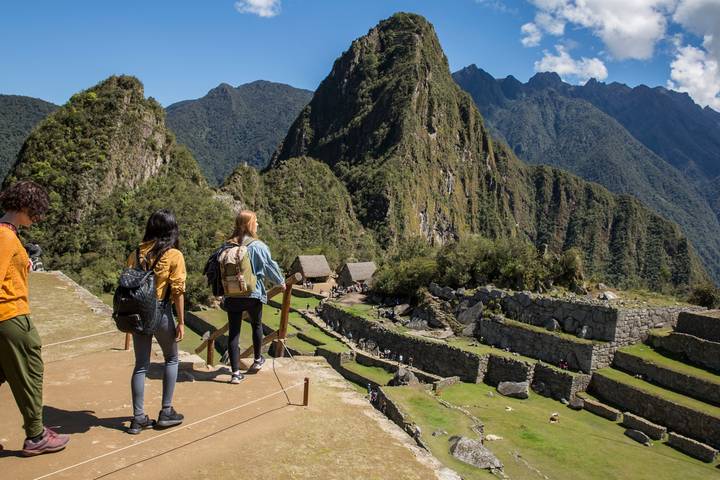
After breakfast we went to the hot springs hotel “Machu Picchu village”, take the first bus to Machu Picchu tours to enjoy the sunrise over Machu Picchu is a magical place; enjoy a guided 2 hour approximate the Inca citadel of Machu Picchu, after the explanation of our guide, we will have the day free to explore the surrounding Inca archaeological site of Machu Picchu.

You can climb Huayna Picchu mountain, from where you can enjoy spectacular views of the Inca city of Machu Picchu, green valleys and mountains that surround it, or can visit the Temple of the Moon or the fabulous Bridge Inca of Machu Picchu tours. In the afternoon bus down to Aguas Calientes “town of Machu Picchu” from where we return to Cusco traveling by train. Transfer to Hotel in Cusco.

Note. There are a limited number of permits for the Inca Trail to Machu Picchu (only 200 spaces per day, except in February when the Inca Trail to Machu Picchu is closed for maintenance) and you must book well in advance. For high season (May to October) must contact us info@manujungletrips.com at least 6-4 months in advance. Permits are issued according to the remaining availability. From (November to April) 4-2 months in advance.

Day 5 :Tour  Manu National Park from Cusco .

We leave Cusco early in the morning to start our adventurous trip! First, we are taken by private transport to the place called Ninamarca to observe pre-Incan “chullpas” (tombs) of the Lupaca’s culture. Then, we continue to

Paucartambo, a colonial town with narrow streets and beautiful church, where people still keep their old customs. Later, we ascend to Acjanaco Pass (3,550 masl) considered as an entrance to the Manu National Park and then we get to the viewpoint Tres Cruces de Oro (3,700 masl) to watch one of the best sunrises of the world . From there, we

start descending to the edge of the Manu jungle passing first an elfin forest and there a cloud forest where we can view a cock of the rock, hummingbirds, strikingly coloured quetzals, trogons, spotted flycatcher and woolly monkey. From flora, we can view a variety of orchids, mosses, ferns, etc.

Finally, we get to Pilcopata (700 masl) where our first accommodation – Tikari Lodge is placed. We can refresh ourselves there having a shower and after that, we are served dinner, before we get to bed.

Day 5: Travel Pilcopata  Atalaya Port to Rainforest Lodge – Manu National Park .

After breakfast, we continue our journey by private car (one and half an hour) towards the port at Atalaya (500 m.a.s.l). There, we board a motorized boat to continue for about half an hour navigating on the Alto Madre de Dios River. Along the rocky riversides, we have a great opportunity to observe the river wildlife like many birds, turtles or sunbathing lizards. In the afternoon, we reach our next lodge – Rainforest Lodge.

Then we go to explore nearby paths where we can see a big diversity of species, for example, tarantulas, ants, butterflies, some monkey species, huge trees, erotic plants, palms, etc. After that, we return to our lodge to overnight. Optional: A night walk in manu National Park.

Day 6: Travel Rainforest Lodge – Machuwasi Lake – Tour Machu Picchu Manu Park .

We wake up very early today after having nice dreams to explore a deeper part of the Peruvian jungle getting to know its particular flora and fauna!

This special place offers you an opportunity to view its endemic species hidden in the deep Manu as well as medicinal plants used by local native people to heal various sicknesses!! If we are lucky, we can also spot big animals such as a jaguar, a puma, wild boars, capybaras, anteaters, etc.

After that, we get back to our lodge for lunch. Then, we have a short break to enjoy a refreshing bath in a river or just relax in the lodge. In the afternoon, we go to visit Machuwasi Lake to check out a sail in “remos” (hollowed tree trunks used by natives of the area).

This is a perfect way on how to watch a big diversity of local animal species such as a prehistoric bird called hoatzin, some caimans, capybaras or monkeys Tocon (Callicebus oenanthe). Later on, we return to the lodge to spend the night. Optional: A night walk in Manu National Park.

Day 8:  Manu National Park – Rainforest Lodge to Parrot Clay Lick – Back to Cusco

After breakfast, we board a motor boat taking us to a 10 minute far away clay-lick of parrots, budgerigars and aras (guacamayo) which is an unforgettable experience! After this activity, we return to the lodge to have breakfast. Then we re-board our boat to start returning. Our first stop is in the Atalaya Port where our private vehicle awaits us to take us back to Cusco arriving there between 7 and 7:30 pm. Tour  macaw clay lick tambopata

IMPORTANT!! You need to be vaccinated against Yellow Fever as well as to bring some anti-malaria tablets with you!!


The Tour Multi Days Cusco Trip Amazon 7 dAy

The Tour Multi Days Cusco Trip Amazon 7 dAy

The Tour Multi Days Cusco Trip Amazon 7 dAy Cusco, Sacred Valley, Machu Picchu & Peruvian Amazon

Start your adventure with airport pickup and transfer to your hotel in Cusco. Enjoy a coca tea to help with altitude adjustment, and in the afternoon, begin your tour of the Sacred Valley.

Day 1: The Tour Multi Days Cusco Trip Amazon & Cusco City Tour – Inca Ruins .

Meeting time: 1:00 PM at your hotel lobby

Begin at Cusco’s Plaza de Armas and visit the iconic Cusco Cathedral, a masterpiece of colonial art.
Walk to Qoricancha (Temple of the Sun), where Inca precision meets colonial architecture. Observe the contrast between Inca stonework and the cathedral’s main bronze altar.

Short bus ride to explore nearby Inca ruins:

Sacsayhuamán: Inca fortress with massive stone walls; free time for personal exploration
Qenqo: Ceremonial site with ancient altars
Puca Pucara: Small circular Inca fortress
Tambomachay: Water temple known for its sacred fountains

Return: Plaza de Armas (for private tours, return to hotel)

Highlights: Inca and colonial architecture, historical and cultural heritage, panoramic views, photography

Day 2: The Tour Multi Days Cusco Trip Amazon &  Sacred Valley – Pisac & Ollantaytambo

Departure: 8:00 AM from your hotel

  • Visit Pisac, with impressive Inca ruins atop the mountain featuring:
  • Agricultural terraces still in use (corn, potatoes, quinoa)
  • Religious and astronomical Inca elements
  • Panoramic views of the Sacred Valley, perfect for photos
  • Explore Pisac Market for souvenirs, local products, and traditional food tastings Continue to Ollantaytambo, an ancient fortress and strategic post protecting
  • Machu Picchu and the Sacred Valley. Free time to explore
  • Dinner at a local restaurant before boarding the train to Aguas Calientes (7:00 PM, 2-hour ride)

Highlights: Inca ruins and terraces, traditional market, fortress architecture, train journey to Machu Picchu

Day 3: The Tour Multi Days Cusco Trip Amazon & Machu Picchu & Return to Cusco .

Bus transfer (30 min) to Machu Picchu citadel
2-hour guided tour with professional guide to explore the history and secrets of this World Wonder
Time to photograph ruins, explore temples, plazas, terraces
Optional hike to Huayna Picchu or Machu Picchu Mountain (if ticket purchased)
Lunch in Aguas Calientes, then return by train to Ollantaytambo and private transfer back to Cusco

Highlights: Visit one of the Seven Wonders of the World, photography opportunities, full Machu Picchu experience

Benefits of 3-Day Tour Portion:

Guided visits to Cusco, Sacred Valley, and Machu Picchu
Comfortable transportation and professional guides
Combined experience of ruins, traditional markets, and Andean landscapes
Perfect for history, photography, and Peruvian culture enthusiasts

Day 4:  The Tour Multi Days Cusco Trip Amazon  Manu Cloud Forest & Arrival at Eco-Lodge

Early departure from Cusco via panoramic Andean route
Stop in Paucartambo, a colonial town with Quechua roots
Pass through Acjanaco (3,550 m) with stunning views of the Amazon rainforest

Wildlife observation: Cock-of-the-rock, hummingbirds, spectacled bears

Details: macaw clay lick 2 days 

Route: Cusco – Ninamarca – Paucartambo – San Pedro – Cloud Forest – Manu National Park
Distance: 200 km
Altitude: 3,850 m max / 300 m min
Difficulty: Moderate

Highlights: Andean and cloud forest landscapes, wildlife observation, cultural villages, bird photography

Meals: Lunch and dinner
Accommodation: Pilcopata Lodge Inn
Optional Night Activity: Night walk to spot frogs, toads, and monkeys

Day 5: Heart of the Manu Jungle

Travel to Atalaya, 40-min boat ride along the Madre de Dios River
Guided jungle walks to see capybaras, peccaries, turtles, and diverse birds
Visit Machuwasi Lake to observe hoatzins and small caimans

Details:

Route: Pilcopata Lodge – coca plantation – animal rescue center – Pico de Hoz – Atalaya Port – Rainforest Lodge
Distance: 40 km
Altitude: 550 m max / 150 m min
Difficulty: Easy to moderate

Highlights: Encounters with macaws and parrots, walks among ancient trees, wildlife and flora photography
Optional Night Exploration: Kinkajous, nocturnal monkeys, insects

Meals: Breakfast, lunch, dinner
Accommodation: Rainforest Lodge

Day 6: Macaw Clay Lick & Return to Cusco

Visit the Macaw Clay Lick, where macaws, parrots, and parakeets feed on mineral-rich clay
Amazonian breakfast at the lodge
Boat ride to Atalaya and private transfer back to Cusco

Details:

Route: Rainforest Lodge – Parrot Clay Lick – Atalaya Port – Cusco
Difficulty: Easy

Highlights: Scenic river journey, transition from Amazon to Andes, bird and monkey observation, excellent photography opportunities

Meals: Breakfast and lunch

Day 7: Hotel in Cusco & Airport Transfer

Pickup from hotel and transfer to Cusco Airport